
Introduction
Walking is often underrated as a form of physical activity, yet its benefits are profound and widely endorsed by the global medical community. According to the Centers for Disease Control and Prevention (CDC), regular walking can help prevent chronic diseases such as cardiovascular disease, type 2 diabetes, certain cancers, and depression. The World Health Association (WHO) recognizes walking as one of the safest and moast accessible forms of exercise, suitable for all ages and fitness levels. Given the increasing prevalence of physical inactivity and its related comorbidities, optimizing your walking workouts can significantly enhance health outcomes and quality of life.
In this evidence-based guide, you will learn medically accurate strategies to maximize the metabolic, cardiovascular, and musculoskeletal benefits of walking. We’ll cover biomechanics, intensity modulation, interval techniques, and physiologically sound best practices, all underpinned by current scientific research and consensus recommendations.
The Health Benefits of Walking: An Overview
Walking provides a wide range of health benefits. It’s an aerobic activity that can be as gentle or as strenuous as your fitness level allows, making it highly adaptable for disease prevention and management. research from the Mayo Clinic highlights the following evidence-based benefits:
- Cardiovascular Health: Regular walking reduces the risk of coronary heart disease and improves systemic circulation by enhancing endothelial function and lowering blood pressure (American Heart Association).
- Blood Sugar Regulation: Engaging in brisk walking improves insulin sensitivity and helps control blood glucose levels, which is especially beneficial for individuals wiht or at risk of type 2 diabetes (NCBI).
- Mental health: Aerobic exercise, including walking, mitigates symptoms of anxiety and depression and enhances overall psychological well-being (JAMA Network).
- Bone and Joint Health: Weight-bearing activities like walking preserve bone density and joint integrity, playing a preventive role against osteoporosis (NHS).
- Weight Management: Consistent walking increases energy expenditure, aids in body fat reduction, and supports healthy weight maintenance (Healthline).
Understanding Exercise Physiology: What Makes Walking Effective?
The health benefits of walking are rooted in its effects on aerobic capacity, muscular function, and metabolic rate. During a walking workout, large muscle groups such as the gluteals, hamstrings, quadriceps, and calf muscles work synergistically, requiring increased oxygen uptake and energy expenditure. This continuous rhythmic movement raises heart rate into the moderate-intensity range (50–70% of maximum heart rate), optimizing cardiovascular adaptations (Mayo Clinic Exercise Intensity).
Walking also stimulates the release of endorphins and neurotrophic factors,which play a role in neuroprotection,mood enhancement,and improved cognitive function (NCBI – Exercise and the Brain). Weight-bearing impact during walking additionally supports musculoskeletal health, providing the mechanical stimuli necessary for bone remodeling and joint stability.
How to Optimize Your Walking Workout: Evidence-Based Strategies
1. prioritize Proper Walking Form
Biomechanically efficient walking reduces risk of injury and maximizes workout efficacy. Proper walking ure includes:
- Upright torso with shoulders relaxed and back (avoiding hunching).
- Core muscles gently engaged.
- Arms bent at a 90-degree angle, swinging naturally with stride.
- Heel-to-toe foot movement, rolling through each step for shock absorption.
Maintaining correct alignment enhances stride efficiency, boosts caloric burn, and mitigates musculoskeletal strain (Harvard Health).
2. Modulate Intensity for Greater Adaptation
The CDC and WHO recommend at least 150 minutes of moderate-intensity aerobic activity per week for adults. To optimize your walking workout:
- Increase Pace: Brisk walking (4–6 km/h or roughly 100–130 steps per minute) falls within the moderate-intensity exertion range, elevating heart rate while promoting cardiovascular benefits (Harvard Health).
- Monitor Exertion: Use a rate of perceived exertion (RPE) scale or heart rate monitor to ensure you are in the optimal training zone for your age and health status (CDC Guide).
3. Incorporate Interval training (HIIT Principles)
Alternating periods of fast-paced walking with intervals of slower recovery can enhance aerobic capacity, stimulate metabolic adaptations, and improve fat oxidation. Interval walking has shown significant impacts on both fitness and glycemic control in adults with impaired glucose tolerance (PubMed).To implement:
- Warm up for 5 minutes at an easy pace.
- Alternate 1–2 minutes of fast walking (above your usual pace) with 2 minutes of slower walking.
- Repeat intervals for 20–30 minutes, than cool down.
This structure elevates heart rate variability, strengthens respiratory efficiency, and provides metabolic benefits similar to traditional high-intensity interval training (JAMA Network).
4. Add Resistance and Variation
To further enhance musculoskeletal gains, incorporate mild resistance or environmental variability:
- Incline Walking: Walking uphill or on treadmills with an incline increases lower limb muscle activation and caloric expenditure (NCBI – Treadmill Walking).
- Stair Climbing: Short bouts of stair walking promote higher-intensity bursts, supporting bone and joint health.
- Light Weights: Carrying light hand weights (not exceeding 2–3 lbs per hand) or using wearable ankle weights adds resistance for upper and lower body muscle engagement (Mayo Clinic).
Avoid using excessively heavy weights, which can alter gait mechanics and increase injury risk.
5. Track and Set Specific Goals
Setting clear, measurable goals improves adherence and motivation. Common metrics include:
- Step count (aim for at least 7,000–10,000 steps per day as suggested by the CDC).
- Distance or duration targets (e.g., 30–60 minutes per session).
- Heart rate or pace objectives (monitored via wearable devices).
Mobile health technology, including pedometers and smartphone applications, can provide real-time feedback and promote consistent engagement (NCBI – Digital Health and Physical activity).
To further individualize targets, consult a healthcare provider or exercise physiologist, especially if you have chronic health conditions or are recovering from illness or injury.
6. Pay Attention to Footwear and Surfaces
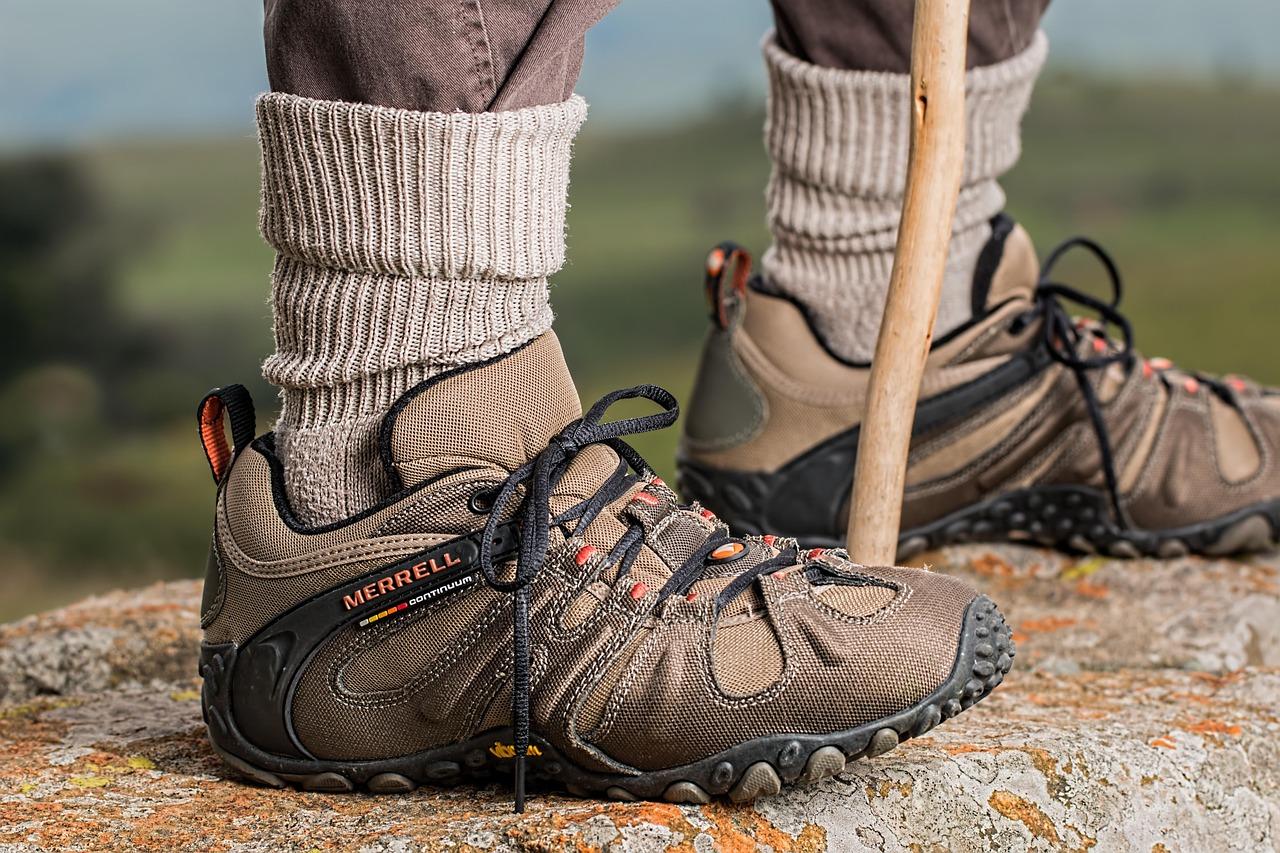
Selecting appropriate footwear is critical for injury prevention and optimal biomechanics. The American Orthopaedic foot & Ankle society recommends:
- Choosing shoes with adequate arch support and cushioning.
- Ensuring a proper fit to prevent blisters and calluses.
- Replacing shoes every 300–500 miles to maintain structural integrity.
Walking on varied terrain (park trails, tracks, or grass) can further stimulate proprioceptive adaptation and decrease monotonous impact on joints.
Physiological Factors influencing Walking Performance
Several intrinsic and extrinsic factors impact walking efficacy and health outcomes:
- Age: Older adults may benefit from balance and coordination exercises integrated with walking to reduce fall risk (NCBI – Gait and Aging).
- Comorbid Conditions: Individuals with arthritis, osteoporosis, or neuropathies may require tailored modifications (Arthritis Foundation).
- Body Composition: weight and musculoskeletal structure influence caloric expenditure, gait mechanics, and overall training load.
- Environmental Conditions: Weather,altitude,and air quality can impact cardiorespiratory performance and safety strategies (NCBI – Exercise Safety).
Walking for Weight Loss and Metabolic Health
Walking is a highly effective strategy for body weight management, especially when combined with nutritional interventions. Moderate-intensity walking for at least 30–60 minutes most days of the week yields significant reductions in body weight and waist circumference, per systematic reviews (PubMed Review). Increasing step count and adding intervals can further boost non-exercise activity thermogenesis (NEAT), a critical factor in daily caloric expenditure.
For individuals with prediabetes,metabolic syndrome,or established type 2 diabetes,prandial walking (walking after meals) has been associated with improved glycemic control and reduced insulin resistance (Healthline).
Protecting Joints and Addressing Contraindications
Walking is generally low-impact, but specific populations must exercise caution:
- Knee/Osteoarthritis: Opt for softer surfaces, reduce walking speed, and incorporate rest intervals as needed.Consider consulting a physical therapist for individualized gait retraining (arthritis Foundation).
- Peripheral Neuropathy: Extra care is warranted to prevent foot injuries; regular podiatric evaluation is recommended (Mayo Clinic – neuropathy).
- Cardiovascular Disease: Medical clearance and individualized intensity prescriptions (using the talk test or target heart rate zone) enhance safety (American Heart Association).
Incorporating Mindfulness and Cognitive engagement
Integrating mindfulness and cognitive training into walking can amplify mental and neurological benefits. Mindful walking involves focusing on breath, sensory input, and body sensations to reduce stress and promote psychological well-being (Harvard Health – Mindful Walking). Research increasingly supports the cognitive advantages of multitasking during walks (such as solving puzzles, memory tasks, or nature observation), which may help in reducing cognitive decline and supporting neuroplasticity in older adults (NCBI – Cognitive Walking).
Nutrition and Hydration Tips for Walkers
Proper hydration and nutrition are essential to optimize performance and recovery:
- Hydration: Consume water before, during, and after walking, especially in hot weather.electrolyte replacement may be warranted for walks exceeding one hour (CDC Guide).
- Pre-Workout Fuel: Light snacks rich in complex carbohydrates (banana, whole-grain toast, or low-fat yogurt) provide sustained energy.
- -Workout Recovery: Consuming a balanced meal or snack with protein and carbohydrates helps repair muscle and replenish glycogen stores (NCBI – Nutrition and Recovery).

Environmental and Lifestyle Factors in Walking Adherence
Urban design, access to green spaces, crime rates, and social support systems significantly influence walking participation and consistency. Environmental interventions such as creating pedestrian-friendly pathways, promoting walkable communities, and increasing safety measures have been associated with a higher rate of physical activity engagement on a population level (The lancet – Urban Physical Activity).
Incorporating walking into daily routines—commuting, errands, or leisure—maximizes total activity and supports habit formation. Social walking groups or community challenges can also foster accountability and enjoyment, further promoting adherence (PubMed – Social Support and Exercise).
Special Populations: Walking Recommendations
For Older Adults
Gerontological guidelines encourage regular walking to maintain mobility, reduce fall risk, and enhance independence.Balance and resistance training should complement aerobic walking for optimal results (CDC – Older Adults). walkers should:
- Choose well-lit, even surfaces to minimize fall risk.
- Engage in walking sessions at least three days per week, gradually increasing duration.
- Use assistive devices if indicated for safety and stability.
Pediatric and Adolescent Walkers
Regular physical activity, including walking, supports bone growth, cognitive progress, and psychosocial health in children and adolescents. The WHO recommends at least 60 minutes of moderate to vigorous physical activity daily. Walking to school or recreational walks with family can definitely help meet these targets and counteract sedentary screen time (CDC – walking to School).
Pregnant Individuals
Walking is a safe and recommended form of exercise during pregnancy, providing benefits such as reduced risk of gestational diabetes, improved mood, and easier labor. The American College of Obstetricians and Gynecologists (ACOG) supports walking for most pregnant individuals, provided there are no contraindications. Pregnant walkers should:
- Wear supportive footwear to accommodate changes in foot size and center of gravity.
- Be mindful of hydration and temperature regulation.
- Avoid high-risk environments prone to falls or slips.
Sample Structured Walking Workout Plans
Here are three evidence-based walking routines tailored to different fitness levels and health objectives. Consult with your healthcare provider before starting any new exercise regimen,especially if you have underlying medical conditions.
| Objective | Duration | format | Comments |
|---|---|---|---|
| Basic Cardiovascular Health | 20–30 min, 5x/week | Steady pace (60–70% max HR) | Ideal for beginners and chronic disease management |
| Weight Loss/Body Composition | 30–45 min, 5-6x/week | Interval walking: 3 min brisk, 2 min easy | Enhanced caloric burn and metabolic adaptations |
| Performance/endurance | 45–60 min, 3-4x/week | Hill/incline walking + intervals | Includes strength-building periods for advanced walkers |
When to Seek Medical Advice
While walking is generally safe, certain symptoms and risk factors warrant medical evaluation before or during a walking program. Seek prompt assessment if you experience:
- Chest pain, shortness of breath, or unexplained dizziness.
- Lower extremity pain, numbness, or swelling not attributable to exertion.
- Wound healing issues (especially for individuals with diabetes).
- Significant change in exercise tolerance or generalized fatigue.
Consult with your primary care physician or a qualified exercise specialist to tailor your walking regimen based on your individual health profile (Mayo Clinic Guide).
Adapting Your walks to Overcome Plateaus
Adaptation is a key principle in exercise physiology. If your walking workouts feel less challenging or progress plateaus:
- Vary speed, distance, and terrain.
- Implement new interval structures or add resistance intervals with bodyweight exercises (lunges, squats, sidesteps).
- Track personal records for motivation and incremental betterment.
- Add social or cognitive elements for renewed engagement.
Axial loading, proprioceptive training, and neuromuscular adaptation can all be stimulated through variety, reducing risk of overuse injury and maximizing functional benefits (NCBI – Exercise Adaptation).
Conclusion
Walking is a foundational, scientifically validated exercise with the potential to dramatically improve physical, metabolic, and mental health across all ages and fitness levels. By using best practices—optimizing biomechanics, intensity, and variety—you can transform your walking workouts into a potent, enjoyable tool for lifelong health. Evidence underscores the importance of consistency, progression, and individualized adaptation, with support from qualified health professionals when necessary.
Commit to smarter walking—your heart,mind,muscles,and bones will all benefit,and you’ll be better equipped to manage chronic disease risk,bolster resilience,and enjoy overall wellbeing.
For additional guidance or to personalize your exercise plan, consult resources from reputable organizations such as the CDC, NHS, or seek direct clinical input from your healthcare provider.