
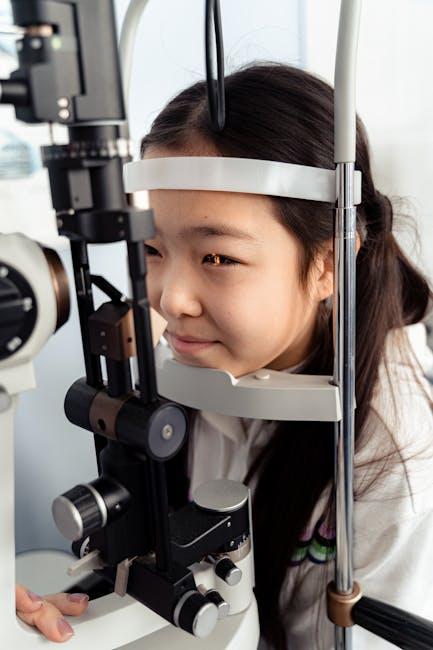

How to Know If You’re Developing Glaucoma Before It’s Too Late
Introduction
Glaucoma is often referred to as the “silent thief of sight,” a progressive optic neuropathy that, if left undiagnosed or untreated, leads to irreversible blindness. According to the World Health Institution (WHO), glaucoma is one of the leading causes of blindness worldwide, affecting over 76 million people as of 2020, with projections rising to over 111 million by 2040. Yet, more than half of those with glaucoma remain undiagnosed, largely as the disease typically progresses slowly and painlessly — without warning signs until advanced stages.
Public health data highlights the critical need for early detection. Untreated glaucoma can result in permanent vision loss that cannot be restored. However, when identified early, treatment can slow or prevent further damage, preserving an individual’s vision and quality of life. As the global burden of glaucoma continues to escalate, understanding the early indicators, risk factors, and preventive strategies is essential for everyone—especially those at higher risk.
Understanding Glaucoma: Definition, Types, and Epidemiology
What Is Glaucoma?
Glaucoma encompasses a group of ocular disorders characterized by progressive degeneration of the optic nerve, often—but not always—associated with elevated intraocular pressure (IOP).The optic nerve is essential for transmitting visual information from the retina to the brain, and its gradual damage leads to peripheral vision loss before central vision is affected.
The condition is broadly classified as either open-angle glaucoma (the most prevalent form) or angle-closure glaucoma. open-angle glaucoma, accounting for approximately 90% of cases, progresses slowly and is asymptomatic until late stages. Angle-closure glaucoma can occur suddenly and is considered a medical emergency due to the rapid onset of symptoms and vision loss.
Epidemiology and Public Health Impact
The prevalence of glaucoma increases with age; individuals over 40 are particularly at risk. Population-based studies, such as the Global Burden of Disease study, emphasize its higher frequency among people of African, Asian, and Hispanic descent. Notably, the number of people with glaucoma is expected to rise globally due to aging populations and greater life expectancy.
The Centers for Disease Control and Prevention (CDC) estimates that roughly half of all cases in the United states remain undiagnosed. Early diagnosis and intervention thus represent a crucial strategy to mitigate the lifelong burden of visual impairment caused by glaucoma.
Pathophysiology: Mechanisms and Risk Factors
How Glaucoma Damages Vision
Glaucoma typically results from impaired drainage of aqueous humor—the fluid nourishing the eye and maintaining its shape—thru the trabecular meshwork in the anterior chamber. Elevated IOP is a primary risk factor but not a requirement; so-called “normal-tension glaucoma” can occur at standard pressures. Chronic IOP elevation compresses the optic nerve head,compromising blood flow and triggering axonal degeneration.
The principal insult in glaucoma is progressive loss of retinal ganglion cells and characteristic cupping of the optic disc, leading to gradual visual field loss.
Risk Factors for Glaucoma Progress
- Age: Risk increases significantly after the age of 40 (American Academy of Ophthalmology).
- Family History: Having a first-degree relative with glaucoma can increase risk by 4-9 times (NCBI).
- Race/Ethnicity: Higher prevalence in African,Asian,and Hispanic populations.
- Elevated Intraocular Pressure (IOP): Although a key risk factor,up to one-third of glaucoma patients have normal IOP.
- Myopia (Nearsightedness): Associated with increased risk of open-angle glaucoma.
- Comorbidities: Conditions like diabetes, hypertension, and sleep apnea may elevate the risk (PubMed).
- Long-term Corticosteroid Use: Topical or systemic steroids can increase IOP and glaucoma risk.
- Thin Corneas: A corneal thickness of less than 555 microns has been linked to higher risk (JAMA Ophthalmology).
Silent Progression: Why Glaucoma Often Goes Undetected
One of the most significant challenges with glaucoma lies in its asymptomatic progression. Most forms—especially open-angle glaucoma—do not cause pain, redness, or sudden vision changes in early or even moderate stages. Peripheral vision deteriorates first, which many individuals fail to notice until the field loss is advanced.
By the time noticeable vision loss occurs, as much as 40% of optic nerve fibers may have already been destroyed (Harvard Health). Unlike other forms of blindness, the vision lost to glaucoma is permanent due to the inability of retinal ganglion cells to regenerate.
Viewing glaucoma as a lifelong, insidious disorder underscores the paramount importance of early screening and regular ophthalmic monitoring, particularly in at-risk populations.
Recognizing the Early Signs: Can You “Feel” Glaucoma Developing?
True Early Symptoms: What to Expect
Currently, the medical consensus is that most individuals will not notice glaucoma developing due to the lack of significant symptoms in early stages (CDC). However, in certain cases—especially with acute angle-closure glaucoma—individuals may experience sudden, notable symptoms including:
- Severe eye pain or headache
- Nausea or vomiting
- Blurred vision
- Halos around lights
- Redness of the eye
These symptoms constitute a medical emergency and warrant immediate attention to prevent rapid and irreversible vision loss.
Subtle Clues to Watch For
In open-angle glaucoma or normal-tension glaucoma, symptoms are either absent or so subtle that they easily go unnoticed. The earliest detectable abnormality, when present, is usually mild tunnel vision or inability to see objects in the periphery. Difficulty adjusting to darkness or dim lighting, or tripping over objects just outside the central line of sight, may suggest peripheral vision compromise.
Though, relying on symptom detection alone is an ineffective strategy for early glaucoma identification (NHS). Most individuals remain asymptomatic until significant, irreversible optic nerve damage has occurred.
Key Risk Assessment: Are You Vulnerable to Glaucoma?
| Risk Factor | Relative Risk vs. General population |
|---|---|
| Age > 60 years | 6x higher |
| Family history (first-degree relative) | 4-9x higher |
| Elevated IOP | Up to 10x higher |
| Myopia (nearsightedness) | 2x higher |
| Diabetes Mellitus | 1.5x higher |
| Thin corneas (< 555 µm) | 2-4x higher |
Recognizing your personal risk profile is essential. If you have multiple risk factors—such as family history, advanced age, or comorbidities—you should be especially diligent about annual eye screenings.
Screening and Early Detection: The Gold Standard
When should You Get Screened?
The American Academy of Ophthalmology and CDC recommend:
- Baseline eye screening at age 40 for adults without risk factors.
- thorough exams every 2–4 years for individuals aged 40–54.
- Every 1–3 years for ages 55–64 and annually after 65 years.
- More frequent screening (annually) for those with additional risk factors (e.g., family history, African descent, diabetes).
What Happens During a Glaucoma Screening?
- Tonometry: Measures intraocular pressure.
- Ophthalmoscopy: Visual assessment of the optic nerve head for signs of cupping or damage.
- Perimetry (Visual Field Test): Assesses the extent of peripheral vision loss.
- pachymetry: Gauges corneal thickness, which influences IOP readings.
- Gonioscopy: Evaluates the drainage angle between the cornea and iris.
- Optical Coherence Tomography (OCT): Provides cross-sectional images of the optic nerve and retinal layers for detailed analysis (NCBI).
Most of these diagnostic modalities are quick, noninvasive, and widely available at ophthalmic clinics.
Genetic Testing and Emerging Technologies
Research now recognizes that genetics play a substantial role in glaucoma susceptibility. Although routine genetic testing for glaucoma is not yet part of standard care, identifying mutations in genes such as MYOC, OPTN, and CYP1B1 may, in the future, facilitate earlier risk stratification and even gene-targeted therapies. For current clinical use, genetic counseling may be beneficial for patients with strong family histories (PubMed).
Furthermore, advances in artificial intelligence and machine learning are enabling automated image analysis of optic nerve photos and OCT data, improving detection rates and consistency, especially in resource-limited settings (The Lancet).
Preventive Measures and Lifestyle Modifications
While glaucoma cannot be prevented outright, certain strategies may reduce progression or optimize overall ocular health:
- Adherence to Screening Recommendations: Annual or periodic comprehensive eye evaluations remain the single most effective early detection strategy.
- manage Comorbidities: Control diabetes, hypertension, and other systemic diseases that can exacerbate ocular complications (Harvard Health).
- Exercise: Moderate aerobic activity has been associated with lower IOP and improved blood flow to the optic nerve (Healthline).
- Avoid Overuse of Corticosteroids: Discuss long-term use of steroids with your physician to mitigate IOP elevation risk.
- Protect Eyes from Trauma: Eye injuries can precipitate secondary glaucoma.
- Healthy Diet: Consuming a balanced diet rich in green leafy vegetables, antioxidants, and omega-3s may support eye health, though no diet is proven to prevent glaucoma (Medical News Today).

When to See an Ophthalmologist: Warning Signs Not to Ignore
Immediate consultation with an eye care professional is warranted if you notice any sudden visual changes, eye pain, halos, or family members newly diagnosed with glaucoma. In routine practice, individuals with multiple risk factors should establish care with an ophthalmologist—even in the absence of symptoms—to develop a tailored follow-up schedule.
As of the irreversible,progressive nature of glaucoma,waiting for symptoms can result in late diagnosis and lifelong vision impairment.
diagnosis: Confirming Glaucoma Before Vision Loss
Glaucoma diagnosis is based on a synthesis of clinical findings: characteristic optic nerve damage, consistent visual field loss, plausible risk factors, and, often, elevated IOP. Per the National Library of Medicine and AAO, no single test is definitive; diagnosis requires comprehensive, repeated assessment.
- Tonometry reveals raised or normal IOP.
- Optic disc exam shows cupping or notching.
- Perimetry confirms consistent visual field deficits across visits.
- OCT reveals retinal nerve fiber layer thinning.
In suspected cases, ancillary tests (gonioscopy, corneal thickness) refine subtype and guide management.
Current and Emerging Therapeutic Approaches
While vision lost to glaucoma cannot be restored, current therapies aim to lower intraocular pressure, halt further optic nerve damage, and maintain the best possible vision.
- Medications: Eye drops (e.g., prostaglandin analogs, beta-blockers, alpha agonists, carbonic anhydrase inhibitors) reduce aqueous humor production or increase its outflow (FDA).
- Laser Therapy: Selective laser trabeculoplasty improves fluid drainage for open-angle glaucoma.
- Microsurgery (Trabeculectomy, Valve Implants): Recommended when maximal medical therapy is insufficient.
- Minimally Invasive Glaucoma Surgery (MIGS): Offers lower-risk surgical alternatives for mild to moderate glaucoma.
Emerging therapies include neuroprotective agents, gene therapy, and biologics, but these remain investigational at present (PubMed).
Living with Glaucoma: Prognosis and Quality of Life
With timely intervention, the vast majority of patients are able to preserve useful vision and maintain independence. Regular adherence to therapy and ongoing follow-up are critical; lapses can result in avoidable progression. supportive resources such as low-vision rehabilitation, occupational therapy, and patient advocacy groups are available to bolster quality of life for those affected (Mayo Clinic).
Frequently Asked Questions (FAQs)
Can glaucoma be prevented?
Glaucoma cannot be fully prevented, but regular screenings, controlling risk factors, and adhering to medical therapy can substantially delay onset or halt progression (Harvard Health).
Is glaucoma hereditary?
Yes.The risk increases 4-9 fold if a first-degree relative has glaucoma (NCBI).
Can glaucoma cause total blindness?
If left untreated,glaucoma can lead to complete,irreversible blindness,but early diagnosis and modern therapies make this outcome increasingly rare (CDC).
Does normal intraocular pressure rule out glaucoma?
No. “Normal-tension glaucoma” occurs even with standard IOP values,highlighting the importance of regular comprehensive exams (Mayo Clinic).
Are ther new treatments on the horizon?
Clinical research is underway exploring neuroprotective drugs,stem cell therapies,and gene therapy,but these are not yet established in everyday practice (PubMed).
Conclusion: The Imperative of Proactive Care
Glaucoma remains a leading cause of irreversible vision loss worldwide. Its asymptomatic,progressive nature makes relying on symptoms an unsafe strategy for detection. The evidence is clear: the best way to “know if you’re developing glaucoma before it’s too late” is through regular, comprehensive eye screening geared to your personal risk profile. In partnership with your eye care provider, early interventions can protect your sight and optimize your lifelong visual health.
For further reading or to schedule your screening, consult the resources from the CDC, American Academy of Ophthalmology, and your local ophthalmologist.
references
- WHO: Blindness and Visual Impairment
- CDC: Glaucoma Awareness
- PubMed: glaucoma Search Results
- AAO: Diseases – Glaucoma
- Mayo Clinic: Glaucoma Overview
- Harvard Health: What to Do About Glaucoma
- NHS: Glaucoma Condition Overview
- JAMA Ophthalmology: Risk Factors
- MedlinePlus: Glaucoma Information
- FDA: Medicines for Glaucoma
- Healthline: Glaucoma
- medical News Today: Best Foods for Eye Health