
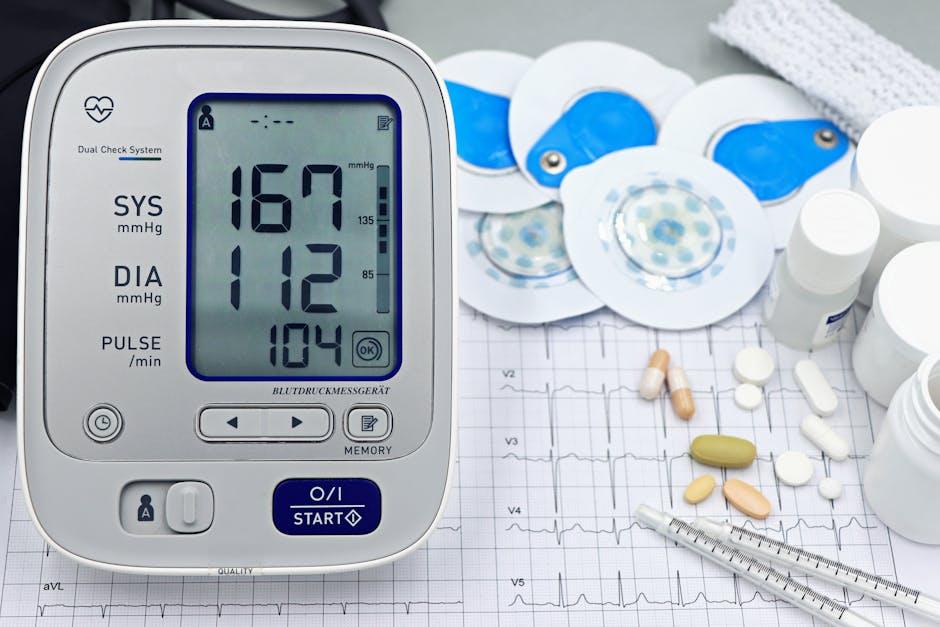
How to Manage high Blood Pressure Naturally at Home
Introduction
Hypertension, commonly known as high blood pressure, represents a significant global public health challenge, affecting more than 1.28 billion adults worldwide according to the World Health Organization (WHO). Characterized by a sustained increase in arterial blood pressure, hypertension is a major risk factor for cardiovascular diseases, including stroke, myocardial infarction, heart failure, and chronic kidney disease.
While antihypertensive medications play an essential role in blood pressure management, current guidelines from leading organizations such as the Centers for Disease Control and Prevention (CDC) and American heart Association (AHA) emphasize the critical importance of lifestyle modification in both the prevention and treatment of hypertension. Natural, evidence-based strategies can substantially lower blood pressure and reduce cardiovascular risk, often synergistically with pharmacological therapy. This comprehensive guide outlines scientifically validated methods to manage high blood pressure at home,empowering individuals to take proactive steps for their cardiovascular health.
Understanding High Blood Pressure: Medical Overview
Definition and Epidemiology
High blood pressure is defined as a persistent elevation of systolic blood pressure (≥130 mm Hg) or diastolic blood pressure (≥80 mm Hg), as per the 2017 ACC/AHA Guidelines. Hypertension is a silent condition; many are unaware of their diagnosis until sequelae develop. it’s prevalence increases with age, obesity, and certain lifestyle factors, serving as a leading cause of preventable morbidity and mortality worldwide. Approximately 47% of American adults have hypertension, many of whom remain uncontrolled.
Pathophysiology and Risk Factors
Hypertension arises from complex interactions among genetics, neural and hormonal regulation, salt and fluid balance, and vascular endothelial function. prominent risk factors include:
- Poor dietary patterns (high sodium, low potassium)
- Obesity and sedentary lifestyle
- Excessive alcohol intake
- Smoking
- Chronic stress
- Underlying diseases (e.g., chronic kidney disease, diabetes)
- Family history and older age
For further clinical details, refer to this comprehensive review.
Consequences of Uncontrolled Hypertension
Longstanding elevated blood pressure damages the vasculature and organs,causing complications such as coronary artery disease,stroke,heart failure,atrial fibrillation,chronic kidney disease,and retinopathy. Mortality associated with hypertension remains alarmingly high, with an estimated 10.4 million deaths per year globally (The lancet). Early diagnosis, regular monitoring, and therapeutic lifestyle changes are crucial for reducing adverse outcomes.
How Is high Blood Pressure Diagnosed?
Hypertension is diagnosed based on multiple, reproducible elevated blood pressure readings obtained in a standardized manner (AHA). Accurate, at-home blood pressure monitoring devices facilitate ongoing assessment and self-management. White-coat hypertension and masked hypertension highlight the value of home monitoring, as these phenomena can result in either over- or under-treatment if only assessed in clinical settings. For practical guidance, see Mayo Clinic’s recommendations for blood pressure measurement.
The Role of Lifestyle in Hypertension management
Lifestyle modification forms the cornerstone of hypertension prevention and control. According to the National Heart, Lung, and Blood Institute (NHLBI), even modest improvements in diet, physical activity, weight, and stress management can yield significant blood pressure reductions, delay the need for medication, and amplify pharmacological effectiveness. The following sections outline actionable, home-based strategies rooted in clinical research and endorsed by international guidelines.
Evidence-Based Strategies to Manage High Blood Pressure Naturally at Home
1.Adopt a Heart-Healthy Diet
Nutritional intervention is among the most effective non-pharmacological methods to control hypertension. dietary approaches influence both blood pressure and overall cardiometabolic health.
The DASH Diet
The Dietary Approaches to Stop Hypertension (DASH) diet is specifically designed to lower blood pressure by emphasizing fruits, vegetables, low-fat dairy, whole grains, lean protein, and limited sodium and added sugars. Multiple randomized controlled trials demonstrate that adherence to the DASH diet can reduce systolic blood pressure by up to 11 mm Hg in hypertensive individuals (NEJM). Explore detailed DASH recommendations at NHLBI DASH Resource.
- Prioritize plant-based foods: aim for 4–5 servings of vegetables and fruits daily.
- Select whole grains over refined grains.
- Consume low-fat dairy, nuts, seeds, and legumes.
- Limit red meat, saturated fats, processed foods, and simple sugars.
A meta-analysis published in JAMA internal Medicine provides further reading on the DASH diet’s efficacy.
Reduce Sodium Intake
High sodium intake is directly linked to elevated blood pressure via fluid retention and vascular changes. the CDC recommends capping sodium consumption below 2,300 mg/day,and ideally closer to 1,500 mg/day for most adults. Limiting processed foods, carefully reading nutrition labels, and swapping salt for herbs/spices can significantly decrease sodium intake.
For practical meal plans,visit Mayo Clinic’s low-sodium diet guide.
Increase Potassium, Magnesium, and Calcium Intake
Diets rich in potassium (found in bananas, oranges, potatoes, leafy greens), magnesium (nuts, whole grains), and calcium (dairy, leafy greens) are associated with lower blood pressure outcomes (Harvard Health). Potassium, in particular, counteracts sodium’s hypertensive effects by promoting natriuresis and vasodilation. consult with a healthcare provider before supplementation, especially for those with kidney disease.
2. Achieve and Maintain a Healthy Weight
obesity contributes substantially to the pathogenesis and perpetuation of hypertension through mechanisms such as increased sympathetic activity, surges in angiotensin II, and insulin resistance. Even modest weight reduction (5–10% of body weight) produces significant declines in blood pressure (NCBI).
- Aim for a BMI between 18.5–24.9 kg/m2.
- Implement enduring dietary modifications and regular physical activity.
- Monitor progress with supportive tools,such as digital scales and food tracking apps.
For expert guidance, view NHS guidance for weight loss.
3.Engage in Regular physical Activity
Habitual physical activity exerts antihypertensive effects by improving endothelial function, enhancing nitric oxide production, reducing systemic vascular resistance, and augmenting insulin sensitivity. Clinical studies, including a Cochrane Review, confirm that aerobic exercise can reduce systolic blood pressure by 5–8 mm Hg among hypertensive adults (NCBI).
- Engage in at least 150 minutes/week of moderate-intensity aerobic exercise (e.g., brisk walking, cycling, swimming).
- Include strength training exercises at least two days per week.
- Regularity is key—find enjoyable activities to promote sustained adherence.
Guided exercise plans for blood pressure management are available from the AHA.
4. Limit Alcohol Consumption
Excessive alcohol intake raises blood pressure directly by stimulating the sympathetic nervous system and impairing vasodilation. Limiting alcohol can lower systolic blood pressure by 2–4 mm Hg (PubMed). Recommendations: up to one drink per day for women and two for men, with preference for abstinence in those with poorly controlled hypertension.
Further details are provided by CDC’s page on alcohol use.

5. Quit Smoking and Avoid Tobacco Exposure
Smoking promotes hypertension through endothelial dysfunction, arterial stiffness, and systemic inflammation. Even brief exposure causes acute spikes in blood pressure and heart rate. Persistent abstinence reduces cardiovascular risks, improves vascular health, and helps normalize blood pressure (CDC).
- Engage in evidence-based cessation programs integrating behavioral support, counseling, and pharmacotherapy.
- Consider professional assistance through resources like Smokefree.gov.
Secondhand smoke should also be avoided for optimal cardiovascular protection.
6. Manage Stress and Optimize Mental Health
Chronic psychological stress, anxiety, and depression potentiate blood pressure elevation via neuroendocrine mechanisms, including heightened catecholamine and cortisol release. Effective stress management confers modest but meaningful improvements in systolic and diastolic readings (AHA), while also bolstering overall well-being.
- Practice deep breathing, progressive muscle relaxation, or meditation.
- Engage in mindfulness-based stress reduction (MBSR) or yoga, as supported by Harvard Health.
- Maintain strong social support systems and seek counseling if needed.
Explore guided resources from Medical News today on stress and hypertension.
7. Ensure Adequate Sleep and Healthy Sleep Hygiene
Suboptimal sleep (both in duration and quality) is an under-recognized but significant contributor to hypertension. Sleep deprivation, insomnia, and obstructive sleep apnea elevate sympathetic tone and impair nocturnal blood pressure dipping, resulting in higher cardiovascular risk (NCBI).
- Aim for 7–9 hours of quality sleep per night.
- Maintain consistent sleep and wake times—even on weekends.
- Limit electronic device use before bedtime and foster a dark, quiet sleep surroundings.
Sleep disorders should prompt medical evaluation for targeted intervention.
Home blood Pressure Monitoring: best Practices
Selection of Devices
Choose a validated,automated upper arm cuff device with the correct cuff size for reproducible results. Avoid wrist/finger devices unless recommended by a healthcare professional. For product listings and validation, consult Validate BP.
Self-Monitoring Protocol
- Rest for at least 5 minutes in a seated position before measurement.
- Measure in a quiet environment. Avoid caffeine, exercise, and smoking for 30 minutes prior.
- Record blood pressure at the same times daily (e.g., morning and evening), taking multiple readings for accuracy.
- Log results systematically to track trends, share with your healthcare provider, and guide treatment decisions.
Detailed home monitoring instructions are delineated by AHA.
Herbal and Complementary Therapies: What Does the Evidence Say?
A variety of dietary supplements and herbal products are marketed for blood pressure control—however, quality evidence supporting their efficacy and safety remains variable. The following have some clinical support but should be used judiciously and under medical supervision (NCCIH):
- Garlic (Allium sativum): Several studies suggest garlic supplementation may reduce systolic BP by 7–8 mm Hg (NCBI).
- Omega-3 Fatty Acids: Found in fish oil; associated with minor blood pressure reductions per JAMA cardiology.
- Coenzyme Q10, hibiscus tea, and beetroot juice: Show preliminary promise but require more robust large-scale trials.
Caution: Herbal and natural supplements may interact with prescription medication or have contraindications in individuals with certain conditions. Careful consultation with a healthcare provider is always advised before initiation.
Frequently Asked Questions (FAQs) About Natural Blood Pressure Management
- Is medication always necessary for high blood pressure?
Not always. Many individuals with elevated blood pressure can manage their condition with non-pharmacological measures, especially in early or mild stages, as per AHA guidelines. Though, medication is frequently required when target blood pressure is not achieved or for those with additional risk factors.
- How long does it take for lifestyle changes to lower blood pressure?
Lifestyle interventions may yield measurable improvements within weeks. Dietary changes (e.g., sodium restriction, increased potassium) frequently enough lower BP within 2–4 weeks, while weight loss and exercise may require sustained months for maximal effect. Consistency is essential.
- Can supplements replace medication?
No supplement should substitute prescribed medication without physician approval. Most natural products provide only modest reductions and are considered adjuncts, not replacements (Healthline).
- What are “silent” symptoms of hypertension?
Hypertension is often asymptomatic (“the silent killer”). Many experience no clinical warning signs until significant organ damage, such as stroke or heart attack, occurs. Routine monitoring remains critical even in the absence of symptoms.
When Should You Seek professional Help?
While home management is invaluable, prompt medical attention is required if:
- Blood pressure remains consistently elevated despite lifestyle changes.
- You experience symptoms such as severe headache, chest pain, shortness of breath, visual changes, or neurological deficits—signs of hypertensive crisis or organ involvement (MedlinePlus).
- There is uncertainty about diagnosis, need for medication adjustment, or treatment side effects.
- You have comorbid conditions requiring more intensive monitoring.
Timely,individualized care ensures optimal blood pressure control and reduces the risk of complications.
How to Collaborate with Your Healthcare Provider
Shared decision-making with your healthcare team enhances long-term outcomes. Discuss lifestyle progress, at-home readings, symptoms, and adherence challenges during consultations. Integrating self-monitoring data with professional guidance enables tailored adjustments for sustained blood pressure control (Harvard Health).
Conclusion
High blood pressure is a major modifiable health risk that can often be managed or prevented through comprehensive, home-based lifestyle strategies. Adhering to a heart-healthy diet, regular physical activity, weight management, stress reduction, adequate sleep, and avoidance of tobacco and excess alcohol are foundational. While natural approaches provide powerful tools for managing hypertension, ongoing collaboration with healthcare professionals ensures safety, efficacy, and personalized care. For further support and latest evidence, explore resources from the WHO, CDC,and AHA.
References
- World Health Organization: hypertension Fact Sheet
- CDC: High Blood Pressure
- American Heart Association: High blood Pressure
- JAMA: Guideline for the Prevention, Detection, Evaluation, and Management of High Blood Pressure in Adults
- NCBI: Pathophysiology of Hypertension
- National Heart, Lung, and Blood Institute: High Blood Pressure
- NEJM: DASH Diet
- NCBI: Weight Loss and Hypertension
- NCBI: Exercise and Blood Pressure
- CDC: Sodium and Hypertension
- Harvard Health: Controlling Blood Pressure with Diet
- Healthline: Natural Ways to Lower Blood Pressure
- NCCIH: Complementary Health Approaches for High Blood Pressure
- Mayo Clinic: High Blood Pressure Diagnosis and Treatment