




How to Fuel your Body During Stressful Times
Introduction
Stress, whether transient or chronic, is a physiologically taxing experience that can undermine multiple facets of health. Elevated stress levels are associated with increased risk for cardiovascular disease, impaired immune response, metabolic dysregulation, and mental health disorders (WHO). During such times, maintaining optimal nutrition becomes not just beneficial, but essential. Proper dietary strategies can help stabilize mood, reinforce the immune system, and mitigate the deleterious effects of stress hormones like cortisol. This article,grounded in the latest scientific and medical research,explores how to fuel your body during stressful times,providing practical advice and evidence-based recommendations for diverse populations.
Understanding Stress: Physiological and Psychological dimensions
the Biology of Stress Response
Stress activates the hypothalamic-pituitary-adrenal (HPA) axis, resulting in the release of glucocorticoids (chiefly cortisol) and catecholamines (including adrenaline) (NCBI).These hormones prepare the body for “fight or flight” by elevating blood glucose, increasing heart rate, and suppressing non-essential functions like digestion. while acute stress can be adaptive, chronic or unmitigated stress leads to metabolic disturbances, inflammation, and a suppressed immune system.
Stress and Its Impact on Appetite and Nutrition
Under stress, individuals may experience appetite fluctuations-some lose interest in food, while others crave calorie-dense, high-fat, or high-sugar foods. These behaviors can further exacerbate metabolic risk factors, leading to weight fluctuations, nutrient deficiencies, and systemic inflammation (Harvard Health).
The Interplay Between Stress and Nutrition: What Science Reveals
How Stress Alters Nutritional Needs
Heightened stress increases the body’s requirements for certain nutrients, including B-vitamins, magnesium, vitamin C, and omega-3 fatty acids. These substances support neurotransmitter synthesis, energy metabolism, and immune resilience (NCBI). Chronic stress may deplete these critical nutrients, creating a feedback loop that amplifies anxiety, fatigue, and illness vulnerability.
Maladaptive Eating Patterns in Stress
Research highlights maladaptive behaviors such as emotional eating, binge eating, and increased consumption of ultra-processed foods during periods of psychological strain (JAMA Psychiatry). This dietary pattern not only exacerbates stress itself but is also linked to the development of comorbid conditions like obesity, type 2 diabetes, and cardiovascular disorders.
Nutrients That Help Buffer Stress: Scientific Evidence
complex Carbohydrates
Carbohydrates-especially those with a low glycemic index-stimulate the release of serotonin, a neurotransmitter that promotes calm and emotional stability. Oats,quinoa,brown rice,and legumes are excellent sources (Medical News Today).
Omega-3 Fatty Acids
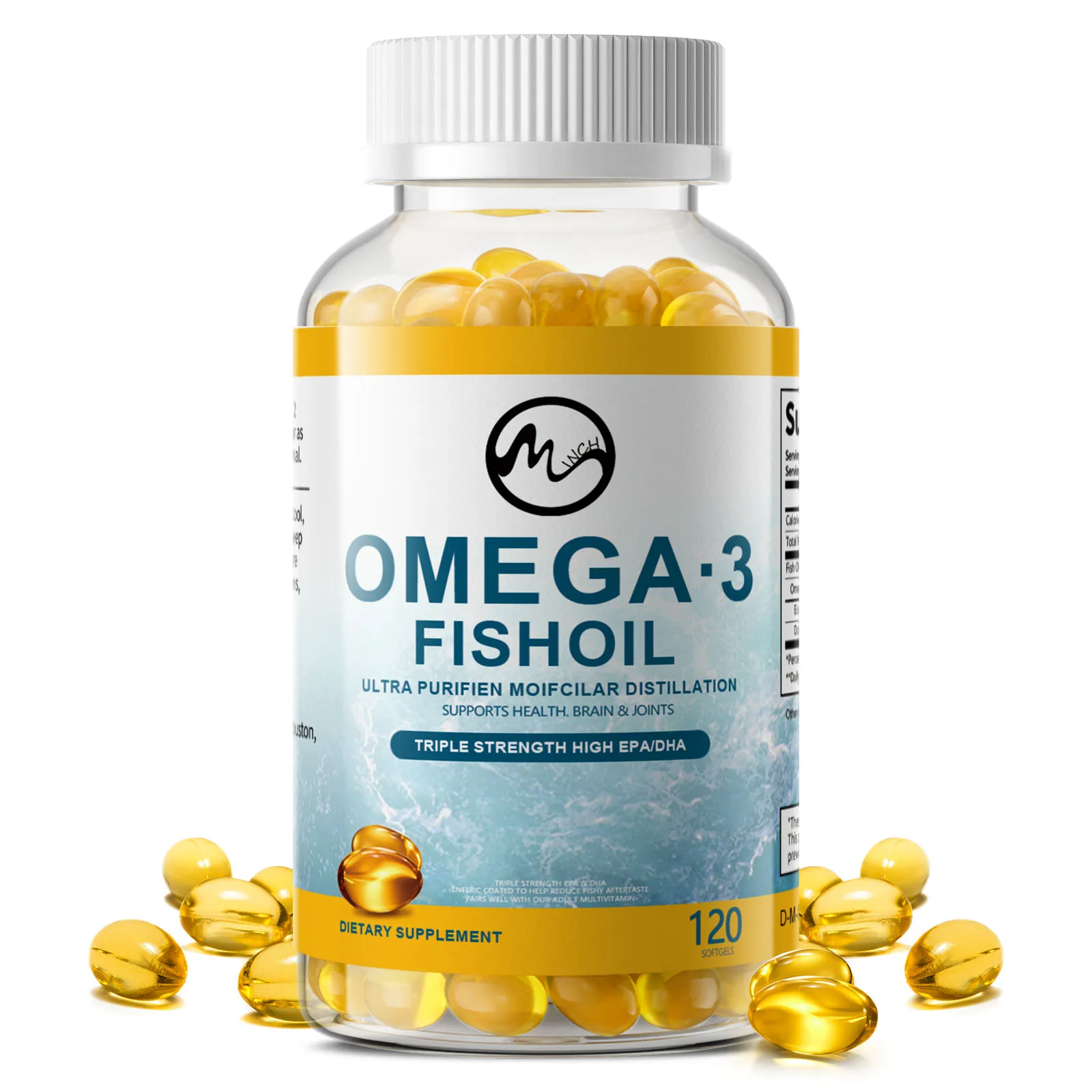
Omega-3s possess anti-inflammatory properties and moderate the brain’s response to stress. Clinical studies have demonstrated that supplementation with EPA and DHA reduces symptoms of anxiety and depression (Healthline).
B Vitamins
B-vitamins, especially B6, B12, and folic acid, play a crucial role in energy synthesis and neurotransmitter production. Deficiencies are associated with an increased risk of depressive symptoms (Mayo Clinic).
Magnesium
Magnesium helps regulate the HPA axis and neural signaling. Numerous studies have linked magnesium intake with reduced anxiety and mood stabilization (NCBI).
Vitamin C
Vitamin C supports adrenal gland function and mitigates the oxidative effects of cortisol. Individuals exposed to chronic stress often show lower plasma vitamin C levels, necessitating enhanced dietary intake (NCBI).
Protein
Proteins provide amino acids necessary for neurotransmitter production (e.g.,serotonin,dopamine). Adequate protein intake from sources like lean meats, fish, eggs, dairy, legumes, and nuts ensures optimal brain and muscle function (CDC).
Choosing the right Foods: Evidence-Based Strategies
Foundation: Whole, Minimally Processed Foods
A stress-mitigating diet prioritizes whole grains, fresh fruits and vegetables, nuts, seeds, high-quality dairy, and lean proteins. These foods deliver essential micronutrients,dietary fiber,and beneficial phytochemicals (Harvard Health).
Functional Foods With Stress-Relieving Properties
- dark Leafy Greens: Rich in magnesium and antioxidants.
- Salmon, Sardines, mackerel: Excellent omega-3 sources.
- Fermented Foods: Yogurt, kefir, kimchi, and sauerkraut promote gut health, which is tightly linked to mood regulation (NCBI).
- Citrus Fruits and Berries: High in vitamin C and other antioxidants.
- Pumpkin Seeds, Almonds: Dense in magnesium and zinc.
Foods and Substances to Limit
Limit intake of highly processed foods, sugary beverages, trans fats, and excess caffeine or alcohol. These items can exacerbate anxiety, disrupt sleep, and impair metabolic and cardiovascular health (NHS).

Fueling During Acute vs. Chronic Stress
Acute Stress (Short-Term)
Immediate stress episodes may suppress appetite. Focus on small, frequent meals or snacks rich in protein, complex carbohydrates, and hydration to prevent hypoglycemia and support immune function (Mayo Clinic).
Chronic Stress (Long-Term)
Chronic stress increases the risk for nutrient depletion and gut dysbiosis. A regular meal schedule and inclusion of micronutrient-dense foods can help. Mindful eating practices may prevent emotional overeating and support overall gut-brain axis harmony (NCBI).
meal Planning & Preparation Tips for Stressful Times
Principles of resilient Meal Planning
- Prioritize Nutrition Density: Opt for foods high in vitamins, minerals, fiber, and healthy fats.
- Simplicity: choose easy-to-prepare recipes and batch cooking.
- Balanced Macronutrients: Include lean protein,healthy fats,and carbohydrates at every meal to support stable blood sugar.
- Hydration: Hydration status affects cognition, mood, and energy. Aim for at least 8 cups (~2 liters) of water daily unless restricted per medical advice (CDC).
Sample Day: Stress-Resilient Eating Plan
| Meal | Suggested Foods & Nutritional Rationale |
|---|---|
| Breakfast | Greek yogurt parfait with berries, pumpkin seeds, and oats (Protein, probiotics, antioxidants, magnesium) |
| Snack | Banana with almond butter (B vitamins, potassium, healthy fats) |
| Lunch | Quinoa bowl with grilled salmon, spinach, cherry tomatoes, and avocado (Omega-3s, magnesium, potassium, fiber, healthy fats) |
| Snack | Roasted chickpeas and fresh orange wedges (Protein, vitamin C) |
| Dinner | Stir-fried tofu with broccoli, bell peppers, and brown rice (Plant-based protein, vitamin C, complex carbohydrates) |
Stress, Immunity, and Nutrition
Psychological stress suppresses both innate and adaptive immune responses, leaving individuals more susceptible to infections and delayed healing (NCBI). Nutritional support for immune resilience includes adequate intake of vitamins A, C, D, E, zinc, selenium, and protein (NIH Office of Dietary Supplements). Yogurt or kefir, which contain live cultures, can support gut immune function, while plant-based foods supply phytonutrients with anti-inflammatory effects. Hydration is also crucial; even mild dehydration impairs mucosal barrier function and increases infection risk (Healthline).
Special Considerations for Vulnerable Populations
Children and Adolescents
Impacts of stress might potentially be amplified in pediatric populations due to ongoing growth and development. Ensuring regular, balanced meals rich in micronutrients and avoiding excess sugar or caffeine is critical for both physical and emotional stability (CDC).
Pregnant and Lactating Women
Stress during pregnancy elevates the risk of gestational hypertension, preterm birth, and impaired fetal neurodevelopment. Pregnant women require increased folate, iron, calcium, vitamin D, and omega-3 fatty acids. Nutritional counseling and stress management should be a routine part of prenatal care (NCBI).
Older Adults
Age-related changes in digestion, absorption, and appetite make older adults particularly vulnerable to the effects of stress. maintaining sufficient protein, hydration, and micronutrients such as vitamin B12, vitamin D, and calcium is vital to support cognition, immunity, and muscle preservation (NIH).
People with Chronic Medical Conditions
Chronic illness such as diabetes, cardiovascular disease, or major depressive disorder can be exacerbated by both stress and poor nutrition. Close monitoring of blood glucose, sodium, and fluid balance, alongside anti-inflammatory or therapeutic diets, is essential (CDC).
Mindful Eating and Behavioral Strategies
Mindful eating-a practice involving awareness of hunger cues, savoring each bite, and avoiding distractions-can reduce emotional overeating and improve nutrient absorption. Cognitive-behavioral strategies and stress management practices such as meditation, yoga, or even simple breathing exercises are synergistic with dietary improvements (Mayo Clinic).
Hydration and Stress Resilience
Even mild dehydration is associated with impaired mood, decreased concentration, and fatigue-symptoms that compound stress (NCBI). Water, herbal teas, and low-sugar beverages are preferred hydration sources. Limit caffeinated or alcoholic drinks as thay can further disrupt hydration and sleep cycles.
Dietary Supplements: Benefits and Precautions
While foods are the ideal source of nutrients, supplements for magnesium, omega-3s, vitamin D, and B-vitamins may be appropriate for individuals with demonstrable deficiencies. However, unnecessary supplementation can pose health risks. Always consult a registered dietitian or healthcare professional before starting any supplement regimen (NIH Office of Dietary Supplements).

Practical Tips for Maintaining Healthy eating During Stress
- Meal prep in Advance: Batch cook and store healthy meals and snacks to avoid impulsive eating.
- Stock the Pantry Wisely: Keep shelf-stable whole grains, canned fish, legumes, and seeds for swift, nutritious meals.
- Smart Snacking: Prepare portioned-out nuts, cut vegetables, and yogurt to satisfy hunger between meals.
- Control Portions: Use smaller plates and measure servings to prevent overeating during emotional stress.
- Seek support: Consult with a registered dietitian or mental health professional if stress eating becomes habitual or problematic.
Frequently Asked Questions (FAQ)
How quickly can nutrition help mitigate the effects of stress?
Nutritional strategies begin benefiting the body within days, particularly with improved energy, mood, and cognitive function. Long-term benefits require sustained dietary change (Harvard Health).
Are there any foods that worsen stress or anxiety symptoms?
High-sugar, high-caffeine, and ultra-processed foods tend to worsen anxiety and contribute to mood swings (Healthline).
Can I rely on vitamins alone to manage stress?
Vitamins and minerals can support stress management but are most effective when coupled with overall lifestyle changes,including sleep hygiene,physical activity,and stress-reducing practices (Mayo Clinic).
Conclusion
Stressful periods demand increased vigilance regarding nutrition and overall health. Choosing whole, nutrient-dense foods, supporting hydration, and limiting processed items can help buffer the physical and psychological impacts of stress. While no single food or supplement is a panacea, a extensive, evidence-based nutritional approach can strengthen resilience and enhance long-term well-being. For tailored guidance, consult with healthcare professionals specializing in nutrition or behavioral health.
References
- WHO: Mental health strengthening
- harvard Health: Understanding the stress response
- NCBI: Nutrition and Stress
- Mayo Clinic: Vitamin B12
- CDC: added sugars
- Harvard Health: The right diet during stressful times
- CDC: Water & healthier Drinks
- NCBI: Mindful Eating
- NIH Office of Dietary Supplements
- Healthline: Hydration guidelines
- NIH: Nutritional needs of older adults
- CDC: Chronic Diseases Overview