


Introduction
The pursuit of fat loss while preserving lean muscle tissue is a common but complex goal among individuals seeking physical fitness, optimal body composition, and improved health outcomes.In both clinical and wellness contexts, the preservation of skeletal muscle during weight loss is vital-a loss of muscle mass can reduce metabolic rate, compromise immune function, and adversely affect quality of life, especially in older adults (NHLBI). Successfully burning fat without sacrificing muscle requires an evidence-based, multifaceted approach that integrates principles of nutrition, exercise physiology, endocrinology, and behavioral medicine.
This comprehensive guide reviews the scientific underpinnings of fat metabolism, the role of muscle, and practical protocols-supported by current research-to help you optimize fat loss while ensuring the retention or even augmentation of lean mass.
Understanding Body Composition: fat vs. Muscle
What Constitutes Body Fat and Lean Muscle?
Body composition refers to the proportions of fat mass and fat-free mass (muscle, bone, organs, etc.) within the body. While fat tissue serves as an energy reserve, muscle tissue is metabolically active and essential for mobility, metabolism, and physical performance (PMC: Body Composition). These components are measured via modalities such as Dual-Energy X-ray Absorptiometry (DEXA), bioelectrical impedance analysis (BIA), and skinfold calipers.
Why is Preserving Muscle vital?
Muscle preservation is crucial for several reasons:
- Metabolic Health: Muscle tissue increases basal metabolic rate (BMR),aiding in long-term weight management (Harvard Health).
- Physical Function: Loss of muscle contributes to sarcopenia, impairs mobility, and increases fall risk-especially in the elderly (PMC: Sarcopenia).
- Glucose Regulation and Chronic Disease: Skeletal muscle facilitates glucose uptake,reducing risk for insulin resistance and type 2 diabetes (CDC: Diabetes).
Effective fat loss protocols must minimize muscle catabolism to ensure metabolic resilience and healthspan.
The Science of Fat Loss: Physiology and Biochemistry
How Does the Body Burn Fat?
fat loss occurs when the body experiences an energy deficit-expending more calories than it consumes. In this state, adipocytes (fat cells) break down triglycerides into free fatty acids and glycerol, which enter the bloodstream and are utilized for energy through a process called lipolysis (NCBI Bookshelf: Lipolysis). Mitochondria in muscle cells oxidize these fatty acids, completing the fat-burning process.
however, in the absence of adequate dietary protein and resistance stimulus, calorie restriction can also trigger muscle protein breakdown through proteolysis as the body seeks option energy sources (PMC: Protein Metabolism).
Key Hormonal Regulators
Several hormones govern the delicate balance between fat burning and muscle retention:
- Insulin: Regulates glucose uptake and inhibits lipolysis when chronically elevated (NCBI Bookshelf: Insulin).
- Cortisol: Elevated under stress, can induce both fat storage and muscle catabolism (Medical News Today: Cortisol).
- Testosterone and Growth Hormone: Promote muscle protein synthesis and mobilize fat stores (PMC: Testosterone).
Optimizing these hormonal pathways is essential for the selective loss of fat mass.
Evidence-Based Nutrition Strategies to Burn Fat Without Losing Muscle
1. Establishing a Moderate caloric Deficit
The foundation of any fat loss protocol is a caloric deficit. Though, aggressive calorie restriction-more than 25% below maintenance-dramatically increases the risk of muscle loss (PMC: Protein Metabolism). Research indicates that a moderate deficit of 300-500 kcal per day is optimal to induce fat loss while sparing muscle tissue (healthline).
2. Prioritizing Protein Intake
Adequate dietary protein stimulates muscle protein synthesis (MPS) and inhibits protein degradation. The recommended Dietary Allowance (RDA) for healthy adults is 0.8 g/kg body weight, but during a caloric deficit, 1.6-2.2 g/kg is considered optimal for muscle retention (PMC: Dietary Protein). High-protein diets are linked to improved satiety, thermogenesis, and better preservation of lean mass (Mayo Clinic).
- Excellent sources: Lean meats,fish,poultry,dairy,eggs,plant-based proteins (lentils,tofu,tempeh).
- Distribution: Consistent protein intake (20-40g/meal) enhances muscle preservation (PMC: Protein Distribution).
3. Dietary Fat and Carbohydrate Balance
While fat is essential for hormone synthesis and cellular integrity, a moderate-fat, moderate-carbohydrate approach is supported for most individuals seeking to maintain performance and muscle mass (Harvard Health). Severely restricting dietary fat can impair testosterone and hormonal function; aim for 20-30% of total calories from fat, emphasizing unsaturated sources (NHS).
Carbohydrates provide crucial fuel for high-intensity training, support recovery, and limit muscle breakdown by attenuating exercise-induced cortisol response (Healthline).
4.Nutrient Timing and Meal Frequency
There is ongoing debate about the importance of meal frequency versus total daily intake. While total calories and protein are most critical,consuming protein-rich meals every 3-4 hours can maximize muscle protein synthesis throughout the day (PMC: Protein Distribution). Pre- and -workout carbohydrate/protein combinations further aid muscle preservation and recovery (Examine.com).
5. Evidence for Intermittent Fasting
Intermittent fasting (IF) is popular for fat loss, but its impact on muscle retention is nuanced. IF can enhance fat oxidation, but its effectiveness for muscle preservation depends on sufficient protein intake and resistance training (PMC: Intermittent Fasting). Extended fasts without adequate protein may increase muscle catabolism.
Resistance Training: The cornerstone of Muscle Preservation
Principles of Effective Resistance Exercise
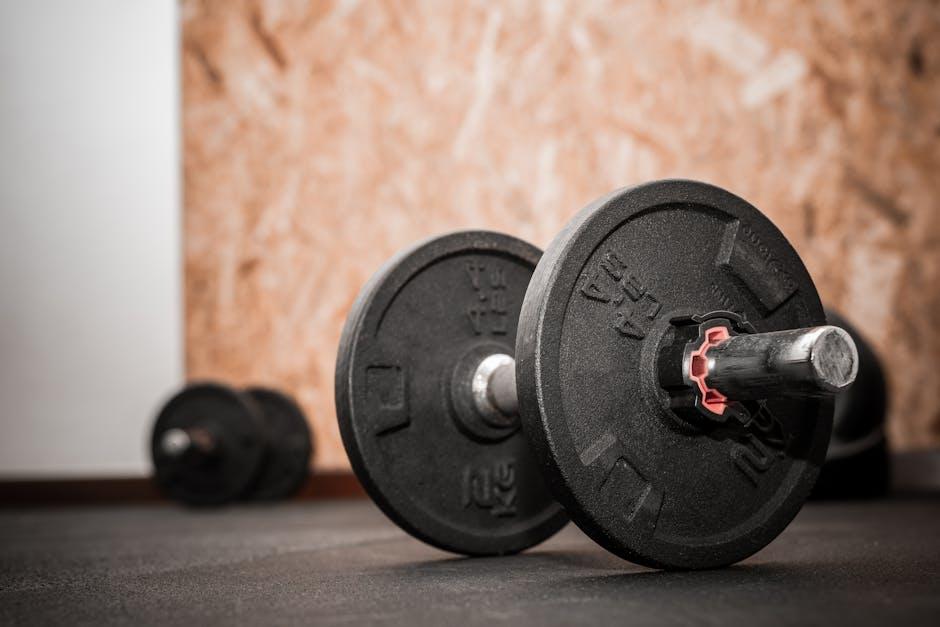
Exercise is a primary modulator of body composition. Progressive resistance training (RT) provides the potent anabolic stimulus required to promote muscle protein synthesis even during energy deficit (NHS: Resistance Exercise). RT also elevates basal metabolic rate and improves muscle insulin sensitivity.
Key tenets:
- Frequency: Minimum 2-3 sessions per week, targeting all major muscle groups (Healthline).
- Intensity: Use moderate to heavy loads (70-85% of 1-rep max) for 6-12 reps/3-5 sets per exercise (PubMed: RT Intensity).
- Progressive Overload: Gradually increase resistance, volume, or complexity.
- Recovery: Allow 48-72 hours between sessions for sufficient neuromuscular and hormonal recovery (mayo Clinic).
The Role of Compound movements
Multi-joint, compound exercises-such as squats, deadlifts, presses, rows, and pull-ups-engage large muscle groups simultaneously, maximizing anabolic signaling and energy expenditure. Compound movements are superior for retaining muscle mass and functional strength during caloric restriction (PMC: RT Movements).
Combining Resistance and Aerobic Training
Cardiorespiratory exercise (e.g., running, cycling, swimming) is beneficial for cardiovascular health and increasing caloric expenditure. however, excessive aerobic training without adequate resistance exercise and protein can precipitate muscle loss (Harvard Health). Balanced regimens that integrate both modalities are optimal. High-intensity interval training (HIIT) has emerged as an efficient strategy for fat loss with minimal negative impact on muscle mass (JAMA: HIIT).

Optimizing Recovery and Sleep
Adequate sleep and recovery are frequently overlooked determinants of body composition. Sleep deprivation elevates cortisol, impairs muscle protein synthesis, increases appetite, and favors fat deposition (CDC: Sleep). Adults should aim for 7-9 hours of high-quality sleep per night, with attention to sleep hygiene to maximize hormonal health and recovery capacity (Harvard Health).
Moreover, structured rest days and active recovery (light aerobic activity, stretching) further mitigate muscle catabolism and overtraining syndrome (Mayo Clinic).
Supplementation: Evidence-Based Adjuncts
While whole foods are foundational, some dietary supplements have demonstrated efficacy in supporting muscle retention during fat loss:
- Whey Protein: Rapidly absorbed, high in essential amino acids that stimulate MPS (PMC: Whey Protein).
- Creatine Monohydrate: Proven to enhance strength, power, and muscle preservation (PMC: Creatine Supplementation).
- Branched-Chain Amino Acids (BCAAs): May reduce exercise-induced muscle breakdown, though evidence is mixed if daily protein is adequate (PMC: BCAA).
- Vitamin D and Omega-3 Fatty Acids: Support muscle function and may attenuate inflammation (NIH: Muscle Health).
always consult a healthcare provider before initiating supplementation, especially if you have underlying health conditions.
Special Considerations: Clinical Populations and Age Groups
Obesity,Diabetes,and cardiometabolic Disease
Preserving muscle mass during intentional weight loss is even more crucial for those with obesity,metabolic syndrome,or type 2 diabetes. Loss of lean mass is linked to poorer glycemic control and worse cardiovascular outcomes (CDC: Adult Obesity). Such individuals benefit from individualized, multidisciplinary care plans that prioritize regular resistance exercise and monitored nutrition (NIH: Muscle vs.Fat).

Aging, Sarcopenia, and Frailty Prevention
Age-related muscle loss (sarcopenia) accelerates the deleterious effects of weight loss in older adults. Structured strength training, increased protein (up to 2.0 g/kg), and vitamin D supplementation are especially critical for this demographic (Harvard Health: Stop Muscle Loss). Medical supervision is advised to tailor protocols based on comorbidities and functional status.
Common Myths and Mistakes in Fat Loss
- Myth: More cardio means more fat loss. Excessive cardio without strength training can increase muscle loss risk (Healthline: Strength vs Cardio).
- Myth: Severely cutting calories is best for rapid fat loss. Extreme deficits are counterproductive-leading to muscle wasting and rebound weight gain (CDC: Losing Weight).
- Myth: You can spot-reduce fat. Localized fat loss is not supported by scientific evidence; fat loss occurs systemically (PMC: Spot Reduction).
Putting It All Together: Sample Evidence-Based Protocol
| Component | Details |
|---|---|
| Caloric Intake | Moderate 300-500 kcal/day deficit |
| protein | 1.6-2.2g/kg body weight/day (split into 3-6 meals) |
| Fat | 20-30% of total calories (focus on unsaturated fats) |
| Carbohydrates | Balance to provide energy for training (mainly whole-food sources) |
| Exercise | Resistance training 2-4x/week; aerobic/HIIT 1-3x/week as tolerated |
| Recovery | 7-9 hours sleep; regular rest days |
| Supplements | Whey protein, creatine monohydrate, vitamin D, omega-3 as appropriate (medical advice recommended) |
Conclusion: Key Takeaways for Healthy Fat loss Without Muscle Loss
Burning fat while preserving muscle is achievable for most individuals with a structured, evidence-backed strategy. Sustainable caloric deficits, high-protein diets, consistent resistance training, balanced nutrition, adequate sleep, and (if indicated) supplementation together maximize fat loss and preserve or enhance lean mass.

Patients with chronic illness, advanced age, or special nutritional requirements should always seek tailored advice from their physician, registered dietitian, or certified exercise specialist (CDC: getting Started with Weight Loss).
Ultimately, the integration of clinical science, individualization, and lifestyle consistency are foundational to successful, long-term body composition improvement.
Frequently Asked Questions (FAQs)
1. How quickly can I lose fat without losing muscle?
Most experts recommend aiming to lose 0.5-1% of total bodyweight per week. More aggressive loss often results in greater muscle loss (Harvard Health).
2. What are the signs of muscle loss while dieting?
Reduced strength, fatigue, and shrinking muscle circumference (not just weight loss) may indicate muscle wasting (Mayo Clinic).
3.Can vegetarians or vegans retain muscle while losing fat?
Absolutely. Focus on plant-based protein sources, proper amino acid combinations, and resistance training (PMC: plant Protein).
4. Is muscle loss during calorie restriction unavoidable?
With an optimal blend of nutrition and resistance training, muscle loss is not inevitable and can be minimized or prevented (Healthline).
References
For more resources, consult the following:
- NHS: Advice for Losing Weight
- Harvard Health: Weight Loss & Diet
- CDC: Healthy Weight
- British Nutrition Foundation
- MedlinePlus
Disclaimer
This article is for educational purposes only and does not substitute for personalized medical advice, diagnosis, or therapeutic intervention. Consult with a licensed healthcare provider before initiating a important diet or exercise regimen.