

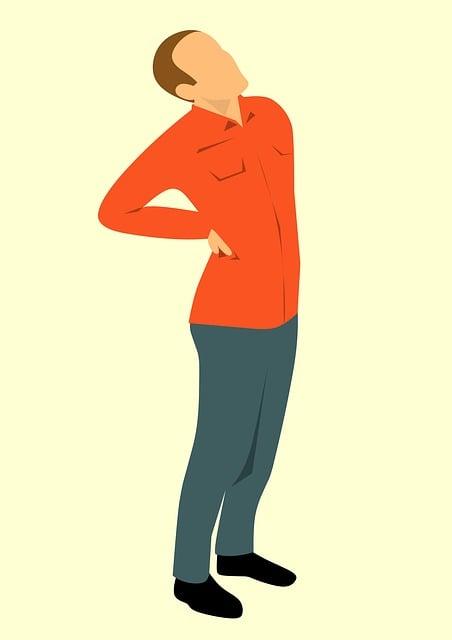
How lower back pain can slowly limit mobility
Introduction
Lower back pain is one of the most prevalent musculoskeletal complaints worldwide and stands as a leading cause of disability. According to the World Health Organization (WHO), an estimated 619 million people globally live with lower back pain, making it a important public health challenge. The growing aging population and lifestyle factors have contributed to these numbers, and lower back pain now frequently limits daily activity and quality of life. Understanding how lower back pain can slowly limit mobility is crucial for patients, caregivers, clinicians, and public health stakeholders, due to its profound implications for individual independence and healthcare systems alike.
Overview and Definition
Lower back pain, also known as lumbar pain, refers to discomfort localized between the lower rib margin and the gluteal folds, frequently enough radiating to the legs in chronic or severe cases. Clinically, it is indeed classified as:
- Acute: lasting less than 6 weeks
- Subacute: persisting for 6–12 weeks
- Chronic: lasting more than 12 weeks
The pain might potentially be non-specific (not attributable to recognizable pathology) or specific (linked to conditions such as herniated discs, spinal stenosis, or vertebral fractures). Lower back pain primarily affects the musculoskeletal and nervous systems, perhaps involving muscles, ligaments, facet joints, intervertebral discs, and nerve roots. According to the National Institutes of Health (NIH), nearly 80% of adults experience lower back pain at some point during their lifetime, with a significant percentage developing limitations in mobility and activity.
Causes and Risk Factors
Lower back pain arises from a complex interplay of structural, behavioral, and underlying medical factors. Major causes and risk factors include:
-
Mechanical or Musculoskeletal Dysfunction:
Common triggers are muscle strain, ligament sprain, and degeneration of intervertebral discs. Excessive or repetitive lifting, poor ure, or improper movement can precipitate pain.
(Mayo Clinic) -
Degenerative Disc Disease:
Age-related wear can reduce the intervertebral disks’ cushioning, causing pain and instability.
(Harvard Health) -
radiculopathy and Nerve Impingement:
Herniated discs or spinal stenosis can compress spinal nerve roots, causing both pain and motor dysfunction.
(MedlinePlus) -
Inflammatory Conditions:
Disorders such as ankylosing spondylitis can cause chronic inflammation of spinal joints, resulting in pain and stiffness.
(CDC) -
Obesity:
Excess weight imposes abnormal stress on the lumbar spine, increasing the risk of disk degeneration and injury.
(NIH) -
Physical Inactivity & Sedentary Lifestyles:
Disuse leads to muscle weakness and joint instability, creating conditions for pain and movement limitation.
(CDC) -
Poor ure & Ergonomics:
Improper sitting, standing, or sleeping habits may lead to muscle imbalance and chronic strain.
(Harvard health) -
Age & Genetics:
Familial predisposition and advanced age increase the risk of degenerative spine disorders.
(JAMA Network)

Pathophysiology: how Lower Back Pain Affects mobility
The gradual limitation of mobility due to lower back pain revolves around several interconnected anatomical and physiological changes:
-
Muscle Guarding and Spasms: Acute or chronic pain triggers protective muscle contractions and spasms. This leads to reduced lumbar adaptability, which can inhibit basic movements such as standing, bending, or walking. Constant guarding may further weaken the core and back muscles.
(Harvard health) -
joint Stiffness and Contractures: Persistent inflammation or inactivity can result in stiffened facet joints and eventual joint contracture, making flexion or extension painful and limited.
(NIH) -
Nerve Impairment: nerve root compression from herniated discs or spinal stenosis can cause weakness, altered reflexes, and sensory loss, all of which impair movement.
(Mayo Clinic) -
Reduced Range of Motion (ROM): Pain associated with back movement leads to intentional avoidance of certain activities,resulting in progressive loss of spinal flexibility and reduced range of motion.
(Medical News Today) -
Functional Deconditioning: Prolonged inactivity due to pain results in loss of muscle mass, diminished proprioception, and overall functional decline, compounding disability.
(Harvard Health)
clinical Progression: From Minor Limitation to Significant Disability
Mobility impairment typically develops insidiously in those with chronic lower back pain. The process can be divided into distinct clinical stages:
-
Early stage: Characterized by localized pain and minor movement hesitancy. individuals may notice stiffness when rising from bed or difficulty during prolonged sitting.
(mayo Clinic) -
Intermediate Stage: Continual pain prompts avoidance behaviors. Decreased physical activity accelerates muscle atrophy and joint stiffness,and daily tasks like tying shoes or picking objects from the floor become challenging.
(NIH) -
Advanced Stage/Chronicity: Persistent pain and severe deconditioning can lead to significant disability. Ambulation, self-care, and social participation might potentially be curtailed, increasing risk for falls, dependence, and depression.
(JAMA Network)
This progression highlights why even mild recurrent lower back pain should not be ignored,as delayed intervention often results in compounding mobility loss and reduced independence.
symptoms and Warning Signs of Mobility Limitation
Lower back pain manifests along a spectrum, from mild stiffness to profoundly disabling symptoms. Signs that mobility may be progressively compromised include:
- Morning stiffness lasting over 30 minutes.
- Difficulty rising from sitting or bedrest.
- Unsteadiness or altered gait.
- Impaired bending or twisting movements.
- Frequent muscle spasms, cramps, or ‘locking’ of the back.
- Numbness, tingling, or weakness in the lower extremities (indicative of nerve involvement).
- Marked decline in physical activity and avoidance of previously routine tasks.
Rapid escalation in pain, weakness, loss of bladder/bowel control, or unexplained weight loss require prompt medical evaluation as they may signal underlying emergencies such as cauda equina syndrome or malignancy
(Mayo Clinic).
Impact on Daily Living and Quality of Life
Chronic lower back pain imposes wide-ranging restrictions on daily living, which tend to worsen over time without appropriate intervention. Research indicates that impaired mobility affects:
-
Basic Activities of Daily living (ADLs):
Self-care tasks such as bathing, dressing, toileting, or transferring may become increasingly difficult or impractical.
(NIH) -
Instrumental ADLs (IADLs):
More complex functions such as cooking, shopping, or managing finances are often impacted, leading to progressive dependence.
(CDC) -
Mental and social Health:
Physical limitations often contribute to anxiety, depression, social withdrawal, and reduced quality of life.
(Harvard health) -
Occupational Disability:
Mobility loss often impedes work performance, increases absenteeism, and may lead to early retirement or job loss.
(The Lancet)
Comorbidities: complications Arising from Limited Mobility
The cycle of pain and inactivity imposed by lower back pain is closely linked to a series of secondary health complications:
-
Muscle Atrophy and Sarcopenia:
Prolonged immobility leads to reduction in muscle mass and strength, further exacerbating functional decline.
(NIH) -
Weight Gain and Metabolic Syndrome:
Reduced activity contributes to weight gain, unfavorable lipid profiles, and insulin resistance.
(CDC) -
Osteoporosis and Fracture Risk:
Limited weight-bearing activity can lead to bone demineralization and heightened fracture risk.
(Mayo Clinic) -
venous Thromboembolism:
Prolonged immobility increases the risk of deep vein thrombosis and pulmonary embolism.
(CDC) -
Cardiopulmonary Decline:
inactivity lowers aerobic capacity and can worsen cardiovascular/pulmonary health in vulnerable populations.
(Harvard Health)
Diagnosis: Clinical Assessment and Mobility Evaluation
Diagnosis of mobility impairment secondary to lower back pain requires a detailed clinical evaluation, including:
Thorough history and physical examination targeting site, duration, severity, red flag symptoms, and functional impact.
Assessment of gait, ure, and range of motion.
(MedlinePlus)Neurological evaluation to detect sensory/motor deficits.
Functional tests: Timed Up and Go (TUG), 10-Meter Walk Test, and Activities-specific Balance Confidence (ABC) scale.
(NIH) Imaging (as indicated): X-rays, MRI, or CT to identify structural or neurological causes.
(Mayo Clinic)
Evidence-based guidelines recommend early identification and treatment of functional limitations to improve outcomes and reduce the risk of long-term disability.
Treatment Strategies: Preventing and Reversing Mobility Loss
Effective management of lower back pain and the preservation or restoration of mobility requires a multi-factorial,individualized approach:
1. Patient Education and Self-Management
Education concerning ure, ergonomics, and the importance of remaining active is core to disability prevention.
(CDC)
2. Pharmacologic Interventions
First-line agents include non-steroidal anti-inflammatory drugs (NSAIDs), acetaminophen, and topical analgesics.
(NIH) Neuropathic pain or radiculopathy may require adjuncts such as gabapentinoids.
3. Physical therapy and Exercise
Supervised physical therapy focusing on flexibility, core stabilization, aerobic conditioning, and graded return to activity is effective in minimizing disability and recurrence.
(Harvard Health) Manual therapy, aquatic therapy, and functional training may be additional options.
4. Interventional and Surgical Procedures
For persistent cases: epidural injections,facet joint blocks,or radiofrequency ablation may be considered.
(Mayo Clinic) Surgery (e.g., decompression, fusion) is reserved for refractory pain with progressive neurologic deficit.
(Medical News today)
5.Adjunctive Therapies
Cognitive behavioral therapy, mindfulness, and stress reduction are beneficial for chronic pain syndromes.
(JAMA Network)Complementary approaches (acupuncture, yoga) may offer additional benefit in select cases.
(NHS)
Prevention: Strategies to Preserve Mobility
The most effective way to prevent chronic lower back pain from limiting mobility is thru proactive measures, including:
- Regular exercise incorporating flexibility, strength, and aerobic components.
- Proper workplace ergonomics and avoidance of repetitive spinal loading.
- Maintenance of healthy weight and balanced nutrition.
- Early intervention when back discomfort develops.
- Education about body mechanics, ure, and lifestyle choices.
Community and workplace policies supporting musculoskeletal health can play a pivotal role in reducing the societal burden of lower back pain.
(WHO)
Prognosis and Long-Term Outlook
Most cases of lower back pain improve within weeks with appropriate management, but the risk for chronicity and progressive disability rises when mobility loss is left unaddressed. Early recognition and intervention can restore function and prevent long-term sequelae.
(NEJM)
Factors associated with poorer prognosis include advanced age, severe baseline disability, comorbid depression, and low social support. Collaborative, patient-centered care is key to optimizing outcomes.
Conclusion
Lower back pain remains a formidable public health problem with a ample impact on global disability, independence, and well-being. Its gradual, insidious ability to limit mobility underscores the need for preventive strategies, early intervention, and evidence-based management. By understanding the biological mechanisms, recognizing early warning signs, and implementing multi-disciplinary care, patients and healthcare teams can work together to preserve mobility, improve quality of life, and avert long-term complications.
For those experiencing persistent or worsening back pain and limited movement, consultation with a qualified healthcare professional is strongly advised.
References
- WHO: Musculoskeletal conditions
- NIH: Low Back Pain—A Major Global Challenge
- Mayo Clinic: Back pain — Symptoms & causes
- Harvard Health: Lower back pain
- CDC: Back Pain Facts
- JAMA: Back Pain and Activity Limitation
- MedlinePlus: Lumbar radiculopathy
- Harvard Health: Exercise for back pain
- the Lancet: Global burden of low back pain
- NHS: Back pain treatment