

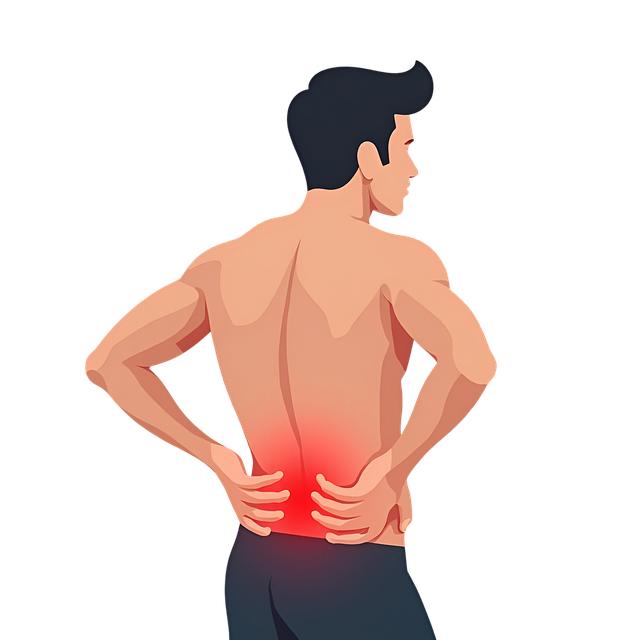
 lower back pain“>
Why Lower Back Pain Feels Worse at Certain Times of the Day
Introduction
Lower back pain is a leading cause of disability, affecting an estimated 619 million people globally as of 2020, and is projected to increase with aging populations worldwide (WHO). Not only is it one of the most common musculoskeletal complaints seen in primary care, but it also accounts for important personal, societal, and economic impact. For many sufferers, lower back pain follows a fluctuating pattern-worsening at specific times, such as upon waking, during the workday, or in the evening.Understanding why lower back pain feels worse at certain times of the day is essential for effective management, targeted interventions, and patient reassurance.
This article examines the clinical mechanisms,epidemiological data,and evidence-based explanations behind the diurnal variation in lower back pain. It emphasizes actionable insights for healthcare providers and individuals seeking understanding and relief.
Overview and Definition
Lower back pain, clinically referred to as lumbago, is discomfort localized between the lower costal margins and the infragluteal folds, frequently enough with or without pain radiating to the legs (PubMed). It is indeed broadly classified into:
- Acute: lasting less than 6 weeks;
- Subacute: 6-12 weeks;
- Chronic: lasting beyond 12 weeks.
The lumbar spine is a complex anatomic region comprising vertebrae,intervertebral discs,facet joints,ligaments,muscles,and neural structures-all susceptible to injury or degeneration. According to the National Institute of neurological disorders and Stroke (NINDS), nearly 80% of adults experiance lower back pain at some point, making it ubiquitous across genders, ethnicities, and age brackets. Prevalence studies reveal notable increases in frequency and severity with advancing age,sedentary lifestyles,obesity,and certain occupational exposures (NIH).
Pain may present as dull, sharp, or burning, and its intensity can fluctuate based on various intrinsic and extrinsic factors-chief among them the time of day.
Causes and Risk Factors
The etiology of lower back pain is multifactorial; it stems from an interplay of biomechanical, degenerative, inflammatory, and sometiems psychological factors. The time-dependent exacerbation or relief of pain is linked to underlying mechanisms such as:
- Muscular overuse or fatigue: Prolonged activities strain the lumbar musculature or ligaments, leading to increased pain after exertion (Mayo Clinic).
- Intervertebral disc hydration dynamics: Discs rehydrate during sleep; upon waking, higher disc pressure may contribute to morning stiffness and pain. Dehydration with activity can worsen discomfort later (Harvard Health).
- Inflammatory processes: Conditions like ankylosing spondylitis display circadian variation in pain intensity (NCBI).
- Poor sleep quality: Sleep deprivation amplifies pain sensitivity and impairs healing (CDC).
- Psycho-emotional stress and depression: These affect pain perception and are associated with a diurnal worsening in some populations (PubMed).
In addition to these primary factors, genetics, obesity, sedentary behavior, smoking, and occupational ure also increase the risk of developing both acute and chronic lower back pain (Medical News Today).

The Role of Circadian Rhythms and Chronobiology
Our bodies abide by intrinsic 24-hour cycles (circadian rhythms) that influence numerous physiological functions- from hormone release to immune response and pain perception.Emerging chronobiology research demonstrates that these circadian rhythms profoundly impact the intensity, timing, and experience of lower back pain.
- Cortisol secretion: Peaks in the early morning, contributing to anti-inflammatory effects but also causing morning muscle stiffness due to its influence on metabolism (NCBI).
- Inflammatory mediators: Cytokines such as IL-6 and TNF-alpha exhibit diurnal fluctuations, sometimes leading to heightened sensitivity to pain at night or early morning (JAMA).
- Sleep-pain interaction: Poor or fragmented sleep exacerbates inflammatory responses and alters central pain processing (Harvard Health).
Conditions such as sciatica or degenerative disc disease highlight the impact of chronobiology, as patients often report symptom worsening after periods of inactivity, sleep, or prolonged static ures (Mayo Clinic).
Why Does Lower Back Pain Fluctuate During the Day?
Several mechanisms explain why lower back pain feels worse at certain times of the day:
1. Morning Stiffness and Pain
- Disc Rehydration: Overnight, intervertebral discs absorb fluid, increasing their volume and pressure by morning, which can transiently accentuate pain-especially with conditions such as herniation (Healthline).
- Immobility: Reduced overnight movement allows stiffness to set in, especially in inflammatory conditions (e.g., ankylosing spondylitis).
- Circadian Hormonal Influences: As above, variations in cortisol and pro-inflammatory cytokines can modulate morning discomfort (PubMed).
2. Activity-Related Pain Throughout the Day
- mechanical Loading: Prolonged sitting, repeated bending, lifting, or whole-body vibration (e.g., driving) increases compressive forces on vertebral discs and muscles, culminating in pain later in the day (CDC).
- Muscular Fatigue: Microtrauma accumulates over activity, and trigger points in paraspinal musculature can intensify discomfort as the day progresses (NHS).
3. Evening and Nocturnal Pain fluctuations
- Delayed Onset Muscle Soreness (DOMS): After unfamiliar exertion or poor ure, inflammatory processes take hours to develop, causing pain to peak at night or the following day.
- Psychological Fatigue: Stress, anxiety, and emotional exhaustion lower pain thresholds and contribute to subjective worsening at the end of the day (Harvard Health).
Clinical Features and Symptom Patterns
the varying temporal profile of lower back pain is diagnostically informative:
- mechanical pain (e.g., muscle strain, degenerative disc disease): typically worsens with prolonged use and peaks in late day.
- Inflammatory pain (e.g., ankylosing spondylitis): maximal in the morning or after periods of rest.
- Radiculopathic pain (e.g., sciatica): may follow activity or ure-dependent triggers.
Recognizing these patterns allows clinicians to distinguish between underlying diagnoses and tailor therapy accordingly (Mayo Clinic).
Population Subgroups and Special Considerations
Certain populations are particularly susceptible to diurnal variation in back pain:
- Older adults: Age-related disc degeneration and spinal osteoarthritis amplify morning stiffness and late-day fatigue (NCBI).
- Pregnancy: Hormonal effects on ligaments and altered center of gravity cause fluctuating symptoms during the day (PubMed).
- occupational risk groups: Manual labor, prolonged sitting, or repetitive tasks increase cumulative stress on lumbar structures (CDC).
Diagnosis: Evaluation of Temporal Patterns
A directed clinical assessment includes:
- Detailed history: Onset, duration, diurnal variation, exacerbating and alleviating factors (PubMed).
- Physical examination: neurological, musculoskeletal, and functional evaluation.
- Imaging and laboratory tests: MRI or bloodwork as indicated to rule out specific causes (e.g., infection, neoplasm, severe disc herniation).
- Pain diaries: Tracking daily symptom patterns can reveal correlations with activity,ure,sleep,or emotional state.
Early exclusion of “red flag” symptoms (e.g., fever, unexplained weight loss, neurological deficits) is crucial for identifying rare but serious etiologies such as spinal malignancy or infection (CDC).
Therapeutic Strategies: Timing Matters
Understanding why lower back pain feels worse at certain times of the day enables precise, patient-centered management:
- Morning stiffness: Gradual stretching, warm compresses, and carefully-timed use of non-steroidal anti-inflammatory drugs (NSAIDs) can definitely help (Healthline).
- Workday pain: Ergonomic interventions, sit-stand desks, and micro-breaks minimize cumulative strain (CDC).
- Evening/night pain: Mindfulness, cognitive-behavioral therapy, and relaxation techniques can address pain amplification from fatigue and stress (JAMA).
- Physical therapy: Core strengthening, manual therapy, and ural retraining address biomechanical contributors (NCBI).
- Sleep optimization: Regular sleep-wake schedules and appropriate mattress support reduce nocturnal and morning pain (Medical News Today).
Personalized pain management plans should be dynamic-adapting to the evolution of symptoms throughout the day and over time.
evidence-Based Self-Care and Prevention
Preventive strategies grounded in medical evidence can reduce frequency, duration, and intensity of diurnal pain fluctuations:
- Regular physical activity: Aerobic exercise and resistance training preserve spinal mobility and muscle strength (CDC).
- Healthy weight: Reduces mechanical load on the lumbar spine (Harvard Health).
- Smoking cessation: Promotes disc and musculoskeletal health (NIH).
- Sleep hygiene: Enhances recovery,pain inhibition,and general wellbeing (CDC).
Education about optimal activity pacing,safe lifting techniques,and ural awareness further empowers individuals to prevent daily pain exacerbations.
When to seek Medical Attention
Most lower back pain resolves with conservative measures, but medical evaluation is needed for:
- Sudden severe pain with trauma
- persistent pain beyond 6 weeks
- Neurological symptoms (e.g., numbness, weakness, bladder or bowel dysfunction)
- Constitutional symptoms (e.g., unexplained fever, weight loss)
Persistent or progressive pain at specific times-especially if unexplained by mechanical or ural factors-may signal underlying pathology and should prompt timely medical assessment (NHS).
Latest Research and Future Directions
Innovative research is expanding our understanding of diurnal pain patterns in lower back pain. Current studies are exploring:
- Chronotherapy: Time-of-day dosing for analgesics and anti-inflammatories to optimize efficacy and reduce side effects (NIH).
- Wearable sensors and digital health: Objective monitoring of activity, ure, and pain timing to personalize interventions.
- Genetic and biomarker profiling: To identify individuals more susceptible to time-dependent pain exacerbations (JAMA).
Ongoing epidemiological surveillance by entities such as the CDC and WHO will further inform targeted public health strategies and resource allocation.
Conclusion
Lower back pain is a dynamic, multifactorial condition that frequently enough exacerbates according to circadian rhythms, mechanical loading, and behavioral patterns. By understanding why lower back pain feels worse at certain times of the day, patients and clinicians alike can better predict, prevent, and manage its impact. Emphasis on lifestyle modifications, ergonomic adjustments, and evidence-based therapeutic interventions remains at the forefront of effective care.
For persistent, recurrent, or severe lower back pain-particularly with unusual symptom timing-consultation with a qualified healthcare professional is paramount. Ongoing advances in chronobiology and pain management promise to further refine personalized,time-sensitive interventions for lower back pain in the years to come.
References
- World Health Institution – Lower Back Pain Global Epidemiology and Impact
- NCBI PubMed – Back Pain Clinical Reviews
- Harvard Health – how to Treat Lower Back Pain
- Mayo Clinic – Back Pain Symptoms and Causes
- CDC – Chronic Disease and Sleep
- JAMA – Mind-Body therapies and Chronic Low Back Pain
- Medical News Today – Back Pain: Causes, Symptoms and Treatments
- Healthline – Waking Up with Back pain
- NCBI – Inflammatory Back Pain
- NHS – Back Pain: Symptoms, Causes and Treatment