


How to Make Balanced Meals Without Tracking Macros
Introduction
nutrition is a cornerstone of optimal health, impacting everything from metabolic function and cardiovascular risk to cognitive performance and immune resilience. While the rise of digital health apps and macro-tracking tools has empowered many to approach meal planning with precision, this method isn’t practical or necessary for everyone. The question of how to create balanced meals without meticulously tracking macronutrients (macros) is increasingly critically important in a world where sustainable,joyful eating habits and health outcomes are prioritized over perfection. A simplified and evidence-based approach to meal composition can foster nutritional adequacy, metabolic harmony, and long-term well-being without fostering anxiety or disordered eating behaviors. This article explores clinically sound strategies to construct balanced meals by focusing on food choices, proportions, and eating patterns-empowering readers to nourish themselves effectively and intuitively, all firmly grounded in current nutritional science.
The Scientific Foundations of a Balanced Meal
Clinicians and nutrition researchers converge on the concept that ”balanced meals” refer to the proportional inclusion of various food groups, ensuring the provision of essential macronutrients (proteins, fats, carbohydrates) and micronutrients (vitamins and minerals). According to the Dietary Guidelines for Americans and the World Health Organization (WHO), a balanced approach to eating protects against undernutrition and noncommunicable diseases such as heart disease, diabetes, and cancer. The conventional model for a balanced meal, notably embodied by frameworks like the harvard Healthy Eating Plate, eliminates the need for counting grams or tracking every calorie. Instead,it emphasizes key food categories:
- Vegetables & Fruits: vital for fiber,phytonutrients,vitamins,and minerals.
- Whole Grains: Primary source of energy, fiber, and B-vitamins.
- Proteins: Essential for tissue building, immune function, and metabolic regulation.
- Healthy Fats: Required for absorption of fat-soluble vitamins and cellular integrity.
By focusing on the proportions and quality of these food groups, one can support metabolic health without the need for granular tracking, as confirmed by extensive epidemiological research (JAMA, 2018).
Why Many Peopel Find Tracking Macros challenging
Macro tracking-involving the daily quantification of protein,carbohydrate,and fat intake-can be an educational short-term strategy,but for most people,its practicality wanes over time.Barriers include time burdens, social disruption, overemphasis on numbers at the expense of food quality, and an increased risk of orthorexic or obsessive tendencies (BMC Nutrition, 2022). For populations with eating disorders, rigid tracking methods may exacerbate pathology rather then foster recovery (NIH). thus, the clinical consensus supports flexible meal structuring for the general population, reserving precise macro-tracking for athletic or metabolic management contexts under professional supervision.
Principles of Building Balanced Meals Without Tracking Macros
Effective meal balancing strategies rely on visual cues, portion guides, and food variety. Here are evidence-based principles that have been validated by nutrition science:
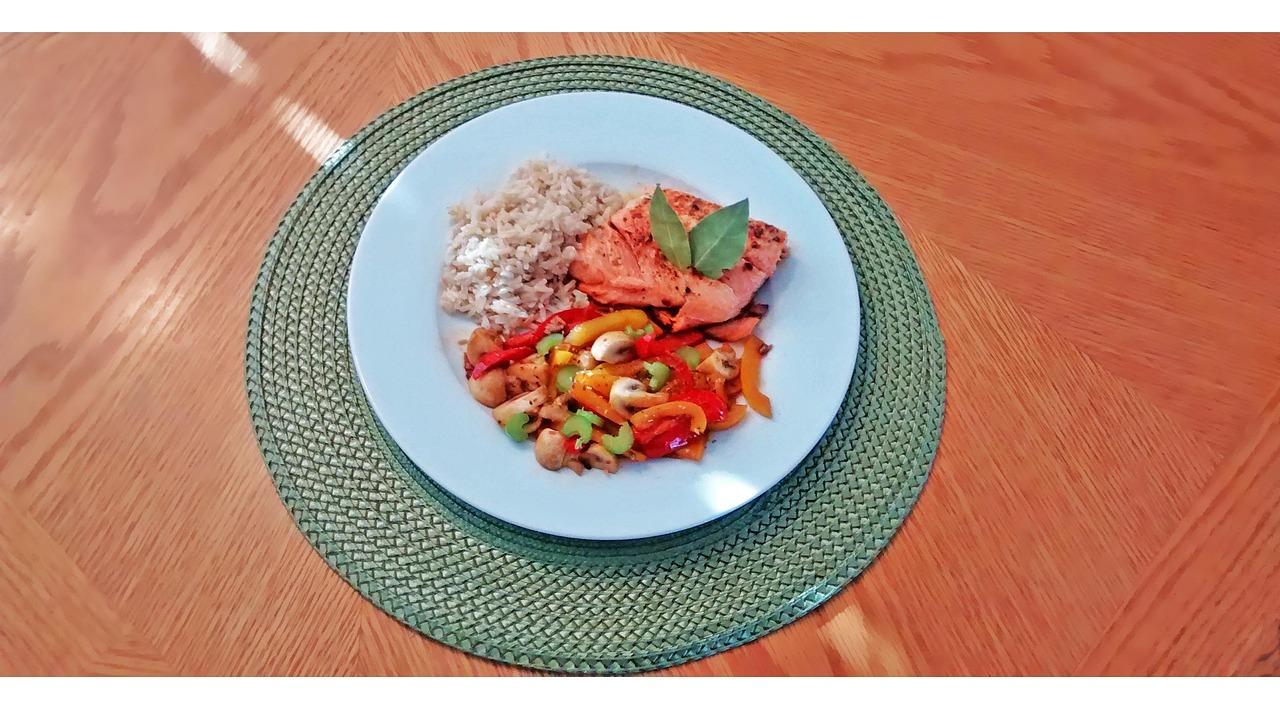
- The Plate Method: Fill approximately half your plate with non-starchy vegetables and fruits, one-quarter with lean protein sources, and one-quarter with whole grains or starchy vegetables. This method is endorsed by major health institutions such as CDC and NHS UK.
- Focus on Food Quality: Prioritize minimally processed foods over hyper-processed options. Nutrient density trumps simple macro calculations when it comes to fostering longevity and reducing chronic disease risk (The Lancet, 2019).
- Include Healthy Fats: Add sources of unsaturated fats-such as olive oil, avocados, seeds, and nuts-in moderation, which are associated with reduced cardiovascular morbidity (NIH: PMC6204628).
- Emphasize Plant Variety: Diversifying plant intake ensures a broader spectrum of phytonutrients and supports a healthy gut microbiome (NIH: PMC7071223).
- Mindfulness and Satiety Cues: Listening to hunger and fullness signals helps prevent overeating and supports natural energy balance, as supported by recent meta-analyses (NIH: PMC7071235).
visual Tools and Portion Guides for Effortless Meal Building
The Harvard Healthy Eating Plate
The Harvard Healthy Eating Plate provides a robust visual template for meal assembly. Rather than requiring metric measurements, it suggests:
- ½ plate: Colorful vegetables and fruits (favoring vegetables)
- ¼ plate: Whole grains (e.g., brown rice, quinoa, oats)
- ¼ plate: Healthy proteins (e.g.,fish,beans,poultry,tofu,eggs)
- Choose healthy plant oils (in moderation),and drink water,tea,or coffee (with little or no sugar).
This approach is endorsed by research demonstrating improved metabolic and glycemic health among those adhering to such visual guidelines (JAMA).
The Plate Method for Diverse Populations
The CDC recommends a simple “plate method” for people managing diabetes, but it is indeed equally applicable to the general population. By emphasizing vegetables, lean proteins, and fiber-rich carbohydrates, blood glucose control and satiety are supported without intricate tracking protocols.
Hand-Based Portion Estimation
For those eating outside the home, a hand-based portion guide offers practical adaptability:
- palm = protein portion
- Fist = vegetable portion
- Cupped hand = whole grain/starch portion
- thumb = healthy fat portion
This method leverages individual hand-size as a proxy for body size, supporting intuitive meal scaling (Healthline).

Anatomy of a Balanced Meal: Critical Components and Functions
Vegetables and Fruits
Consuming a diverse array of vegetables and fruits is foundational to chronic disease prevention. According to the WHO, high intake is linked to reduced risks of coronary heart disease, stroke, and certain cancers. Cruciferous, leafy green, and deeply colored produce provide fiber, vitamins A, C, and K, potassium, folate, and anti-inflammatory phytochemicals, all of which modulate pathophysiological processes such as oxidative stress and inflammation (NIH: PMC3665014).
Whole Grains and Starchy Vegetables
Whole grains (brown rice, quinoa, farro, oats, whole wheat pasta) retain bran and germ, yielding greater nutritional and glycemic benefits than refined grains. They provide complex carbohydrates, fiber, B vitamins, magnesium, and a lower glycemic index, mitigating rapid prandial glucose surges and supporting metabolic health (Harvard Health).
Quality Protein Sources
Protein intake is necessary for muscle preservation, immune competence, wound healing, and regulation of body composition. The CDC and NIH advocate for plant-based proteins (legumes, lentils, beans, tofu, tempeh, nuts, seeds), while also recommending lean animal sources such as fish, poultry, eggs, and dairy for their bioavailability and micronutrient contribution (iron, zinc, B12).
Healthy Fats
Unsaturated fats, notably monounsaturated and polyunsaturated fatty acids found in olive oil, avocados, nuts, and fatty fish, are linked to reduced all-cause mortality and cardiovascular events. Saturated fat, on the other hand, is best limited in favor of these cardioprotective options (Mayo Clinic).
Hydration
water is essential for physiological processes, including nutrient transport, thermoregulation, and cellular homeostasis. Sugary drinks confer excess caloric load and cardiometabolic risk. Unsweetened coffee and tea,in moderation,can be included for their polyphenolic antioxidants (Harvard Health).
Balanced Meal Planning Across Dietary Patterns
Many dietary traditions-from Mediterranean to plant-based to flexitarian-exemplify balanced meal principles without requiring numeric macro management.
The mediterranean Diet
Recognized for its cardiometabolic and neuroprotective effects, the Mediterranean diet is structured around vegetables, fruits, whole grains, olive oil, fish, legumes, nuts, and moderate dairy and poultry consumption (NIH: PMC7799599).The Mediterranean style naturally balances macronutrients through ingredient diversity and plant-forward portions.
Plant-Based Diets
Vegetarian and vegan diets can achieve nutrient adequacy and reduce chronic disease risks by centering meals on legumes, soy products, whole grains, vegetables, fruits, nuts, and seeds. Strategic variety and nutrition education-without rigorous tracking-ensure optimal intake of protein, iron, calcium, and vitamin B12 (Healthline: Vegan diet Benefits).
Culturally Tailored Approaches
Traditional Asian, African, middle Eastern, and Latin American dietary patterns provide templates for meal balancing through the inclusion of diverse vegetables, legumes, grains, and regional proteins. Recognizing and honoring cultural foodways can enhance meal satisfaction and adherence (CDC: Cultural Eating).
Sample balanced Meal Templates for Practical Submission
| meal | Vegetable/Fruit | Whole Grain/Starch | Protein | Healthy Fat |
|---|---|---|---|---|
| Breakfast | Mixed berries, spinach | Steel-cut oats | Greek yogurt or tofu | Chia seeds, walnuts |
| Lunch | Mixed greens, tomatoes, cucumbers, carrots | Quinoa or brown rice | Grilled chicken, chickpeas, or tempeh | Olive oil vinaigrette |
| Dinner | Steamed broccoli, roasted sweet potatoes | Whole grain farro | Baked salmon or black beans | Sliced avocado |
| Snack | Apple slices | – | Nut butter | – |
Special Considerations for Clinical and Demographic Variations
Children and Adolescents
Youth require more frequent energy intake and higher micronutrient density due to rapid growth and neurodevelopment. Meals should be structured to include dairy,whole grains,fruits,vegetables,and varied protein sources,but rigid tracking should be avoided to foster healthy,lifelong eating behaviors (HealthyChildren.org).

Older Adults
Older individuals should emphasize protein and micronutrient-dense meals to offset sarcopenia, osteoporosis, and altered digestive capacity. Hydration, fiber, and calcium-rich foods are especially critically important (MedlinePlus: Nutrition for Older Adults).

Dietary Management of Chronic Disease
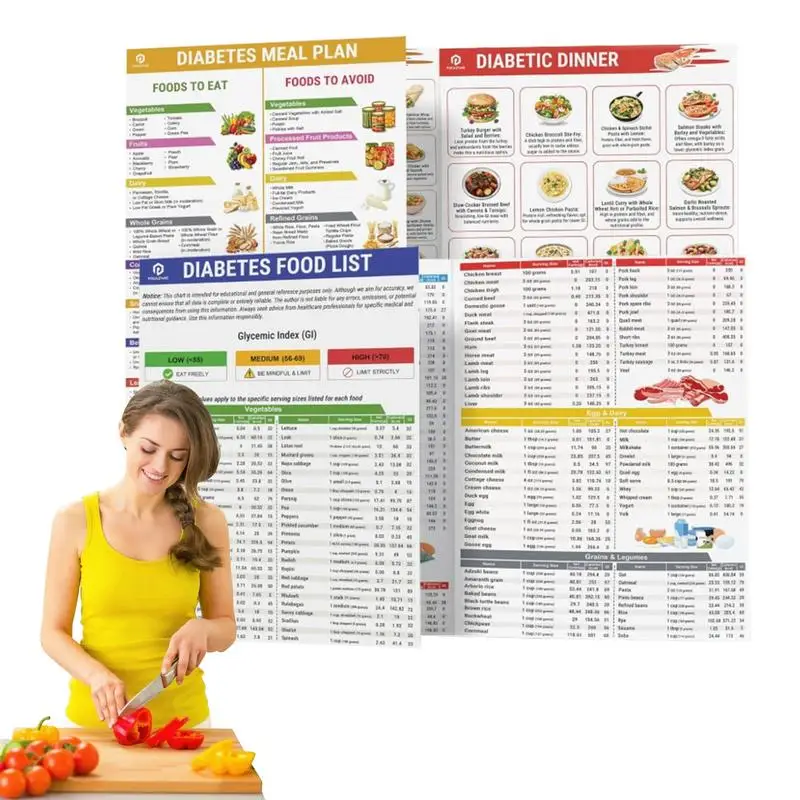
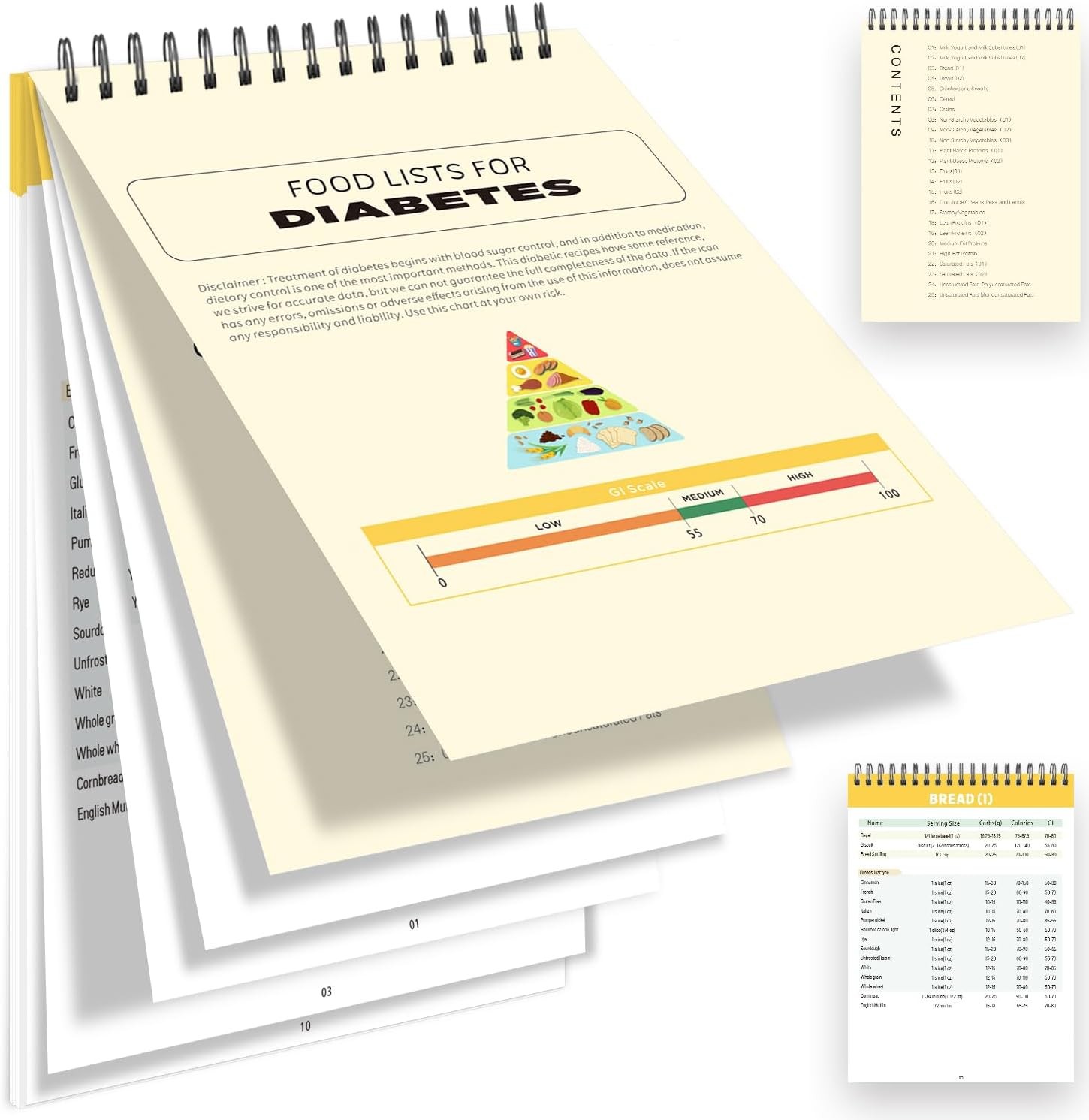
Individuals with diabetes or cardiovascular disease benefit from balanced, fiber-rich, and low-glycemic meals, as these nutritional strategies improve glycemic control, lipid profiles, and inflammatory status (American Diabetes Association). Professional guidance might potentially be warranted for those requiring more individualized therapeutic protocols.
Common Pitfalls and How to Navigate Them
- Overestimating Portion Size: Convenience foods and restaurant servings often exceed standard recommendations. Use the plate or hand portion method to recalibrate your visual estimations (CDC: Understanding Portion Sizes).
- Neglecting Fiber and Micronutrients: Overly focusing on protein or carbs can lead to insufficient fiber and key vitamins. Ensure a variety of vegetables and whole grains at each meal.
- Mismeasuring Healthy Fats: While essential, fats can be calorie-dense. A thumb-sized portion or a drizzle per meal is typically sufficient for most adults.
- Excessive Processed foods: Prioritize whole and minimally processed foods to boost satiety and nutrient density.
Psychological and behavioral Benefits of Flexible, Balanced Eating
Adopting a flexible, visually guided meal planning system reduces anxiety and perfectionism associated with diet culture. Research highlights improved mental well-being, higher adherence, and increased satisfaction among those using non-restrictive meal balancing approaches (NIH: PMC7645445).
FAQs: Balanced Meals Without Macro Counting
Can I lose or maintain weight without tracking macros?
Yes. Numerous clinical studies confirm that adherence to balanced meal patterns and appropriate portion sizes leads to sustained weight management and metabolic health (Healthline).
How can I tell if my meal is “balanced”?
Visually inspect your plate: If you see half vegetables/fruits, a quarter grains/starches, and a quarter protein plus a small amount of healthy fat, your meal meets evidence-based standards.
Are snacks necessary if my main meals are balanced?
Snacks are optional and should be incorporated to manage hunger, support energy, or fill nutritional gaps, especially in children, athletes, and the elderly. Focus on whole fruits, protein, and healthy fats (CDC: Healthy Snacking).
How can I adapt portion guides for higher energy needs (e.g., athletes, pregnancy)?
Increase the quantity of whole grains/starches and protein using larger portion cues (e.g., two palms or fists rather than one). Consult a registered dietitian for individualized adjustments (NIH: Sports Nutrition).
Conclusion: Eat Well, Stress Less
Building balanced meals need not involve tedious calculations or unsustainable tracking routines. By applying science-based visual cues, prioritizing food quality, and listening to physiological hunger cues, one can optimize nutritional intake and metabolic health across the lifespan. Empowerment arises from knowledge-use flexible frameworks such as the Harvard Healthy Eating Plate or plate/hand portion methods to confidently nourish yourself and your family. For medically complex circumstances, professional consultation ensures safe, individualized guidance. Embrace eating as a vehicle for both enjoyment and wellness, unencumbered by the drudgery of macro counting.
Further Reading and Resources
- Harvard Healthy Eating Plate
- CDC Diabetes Plate Method
- NHS Eatwell Guide
- NIH: balanced Eating and Mental Health
- Medical News Today: Portion Size Guide
For personalized nutrition support, consult a registered dietitian nutritionist or speak to your healthcare provider.