




Introduction
Maintaining adequate physical activity is a cornerstone of optimal health, yet modern work culture often imposes important barriers to regular movement. Prolonged sedentary behavior,especially among office-based professionals,is intricately linked to adverse cardiometabolic outcomes,musculoskeletal dysfunction,and diminished mental health. According to the World Health Association (WHO), insufficient physical activity is one of the leading risk factors for global mortality, contributing to approximately 3.2 million deaths annually. For busy professionals, balancing occupational demands with personal health aspirations presents a unique challenge. This article, grounded in current evidence, offers pragmatic strategies to seamlessly incorporate movement into even the moast demanding workweeks.
Why Physical Activity Matters: The Medical Perspective
Regular physical activity exerts widespread physiological benefits, extending beyond weight modulation to influence the prevention, management, and prognosis of many chronic diseases. Scientific consensus, as emphasized by the Centers for Disease Control and Prevention (CDC), highlights that adults engaging in at least 150 minutes of moderate-intensity aerobic activity weekly demonstrate a lower incidence of cardiovascular disease, type 2 diabetes, certain cancers, depression, and anxiety. Physical activity also enhances musculoskeletal health, promoting bone density and joint mobility, and has direct positive effects on neuroplasticity, cognitive function, and sleep quality (Harvard Health).
The Risks of Sedentarism
The epidemiology of sedentary lifestyles reveals a stark association with rising rates of metabolic syndrome, obesity, and premature mortality. A meta-analysis in JAMA Internal Medicine found that individuals spending over eight hours daily sitting experienced a 14% increased risk of all-cause mortality, even after adjusting for physical activity levels. Importantly,sedentary behavior operates independently of exercise,implying that even regular gym sessions may not wholly counteract the harms of chronic sitting.
Evidence-Based Guidelines for Physical Activity
medical organizations worldwide issue detailed recommendations for physical activity to mitigate disease risks and enhance function.According to the WHO 2020 Guidelines, adults aged 18-64 years are advised to accumulate:
- At least 150-300 minutes of moderate-intensity aerobic activity weekly (e.g., brisk walking, cycling).
- or, 75-150 minutes of vigorous-intensity aerobic activity per week.
- Muscle-strengthening activities targeting major muscle groups on two or more days per week.
- Reducing sedentary time and replacing it with any intensity of physical activity is beneficial for health.
However, a 2019 CDC report found that nearly 80% of American adults fail to meet these minimum guidelines (CDC Newsroom). The primary reported obstacle: lack of time due to work and family commitments.
Barriers to Staying Active During a Busy Workweek
Understanding the barriers that busy professionals face is crucial to developing practical interventions. Research published in BMC Public Health and corroborated by the UK national Health Service (NHS) identifies common challenges:
- Time Constraints: Extended work hours, commuting, and familial duties.
- Workplace Surroundings: Predominantly sedentary roles, lack of facilities, or a non-supportive organizational culture.
- Mental Fatigue: Stress and psychological exhaustion diminishing motivation for movement.
- ergonomic limitations: Lack of access to standing desks or break areas.
- Perceived lack of fitness or injury history: anxiety about injury or inability to participate in traditional exercise forms.
Systematic approaches that address these multidimensional barriers yield the most lasting results.
Tailored Strategies for Staying Active: Practical Solutions for Every Schedule
A robust, evidence-informed approach to increasing activity involves micro-habits, environmental modifications, and leveraging technology. Below, we outline actionable steps based on current medical literature.
1. embrace Micro-Workouts and Movement Snacks
Emerging research supports the efficacy of “exercise snacking”-short bouts of physical activity interspersed throughout the day. A 2020 study published in British Journal of Sports Medicine showed that 2-5 minute intervals of moderate-intensity movement (e.g.,brisk stair climbing,dynamic stretching) mitigate glucose and insulin spikes and promote cardiorespiratory fitness. These sessions can be completed during phone calls, coffee breaks, or between meetings, making them ideal for work settings.
2.Active Commuting
Incorporating walking or cycling into daily commutes considerably enhances physical activity levels. Data from The Lancet links active commuting to reduced body mass index (BMI), lower cholesterol, and improved mood. If feasible, try parking farther from your workplace, disembarking public transit one stop early, or utilizing a bicycle for short distances.
3. Optimize Your Workstation
Switching to an adjustable-height desk promotes standing and movement, reducing musculoskeletal strain and promoting calorie expenditure. Clinical trials indicate that standing desks may decrease lower back pain and enhance ural muscle engagement. Ergonomic consultation services can also tailor solutions to individual needs.
4. Schedule Non-Negotiable Activity Appointments
Behavioral science highlights the value of scheduling movement as firmly as professional appointments. Setting calendar reminders for micro-breaks or brief walking meetings increases accountability and, according to the Harvard Medical School, can reduce the cumulative health risks of sitting.
5. Leverage Digital Tools and Wearable Tech
Smartphone apps, wearable trackers, and automated reminders are effective in promoting activity adherence.Randomized controlled trials, as summarized by the National Institutes of Health (NIH),show that self-monitoring tools double the odds of meeting recommended goals.
Physiology of Physical Activity and Its Impact on Work Performance
Movement benefits not onyl long-term health but also short-term productivity, mood, and cognitive functioning. Acute exercise stimulates neurotrophin release, including brain-derived neurotrophic factor (BDNF), which supports memory, attention, and problem-solving capacity (NIH – BDNF review). Employers embracing active environments often observe reductions in absenteeism,greater creativity,and enhanced job satisfaction among employees.
Special Considerations: Adaptations for Different Populations
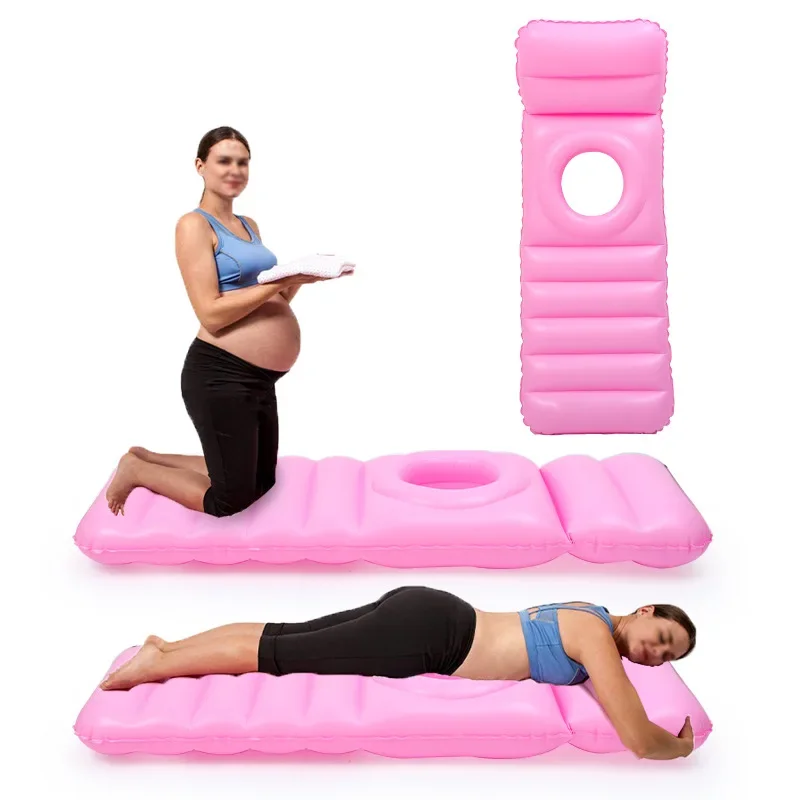
Certain individuals may face unique challenges or contraindications when increasing activity, including those with chronic conditions, disabilities, or pregnancy.Professional consultation with a physician, physiotherapist, or certified exercise specialist is recommended prior to beginning a new regimen.
For Individuals with Chronic Diseases
Customized activity protocols are essential for those with comorbidities such as diabetes, cardiovascular disease, or arthritis. Low-impact aerobic exercise (walking, swimming), resistance bands, and chair-based routines can confer considerable benefits with minimal joint loading (Arthritis Foundation).
Pregnancy and partum Activity
Obstetric guidelines support moderate-intensity physical activity throughout uncomplicated pregnancies, with adaptations according to gestational age and symptomatology. Regular movement reduces the risk of preeclampsia, gestational diabetes, and natal depression (American College of Obstetricians and Gynecologists).
Sample Weekly Planner: integrating Activity Into a Demanding Schedule
Below is an example planner to illustrate how small and cumulative activity bouts can collectively meet (or exceed) medical recommendations:
| Time of Day | Activity | Duration |
|---|---|---|
| Morning (Pre-work) | Brisk walk, yoga, or bodyweight exercises | 10-20 min |
| Mid-morning | Standing desk, stretch routine | 5 min |
| Lunch break | Outdoor walk, low-impact exercise circuit | 15-30 min |
| Afternoon | Stair climbing, dynamic mobility work | 3-5 min |
| Evening (-work) | Recreational sport, dance, or active household chores | 20-40 min |
Accumulating these intervals across five days can comfortably fulfill guideline targets for moderate aerobic activity.

Role of organizational Culture and Management Support
Employers and institutions play a pivotal role in shaping the culture of movement.Worksite wellness programs, subsidized fitness memberships, and onsite exercise facilities have demonstrated efficacy in improving employee health outcomes and productivity metrics (CDC Workplace Health Model). Encouraging flexible work schedules, “walk-and-talk” meetings, and incentivized activity breaks fosters an environment conducive to movement.
The Mental Health Connection: physical Activity as Stress Buffer
Chronic occupational stress is a well-recognized determinant of burnout and lost productivity. Numerous randomized controlled trials-summarized in systematic reviews by sources like The Lancet-demonstrate that short-duration, moderate-intensity aerobic exercise can acutely reduce cortisol levels, enhance mood, and serve as a non-pharmacologic adjunct for anxiety and depression prevention. Even brief active breaks measurably improve subjective well-being and resilience to stressors.
Technology and Innovation: Future Directions
Emerging digital health solutions, including AI-driven coaching apps, occupation-tailored fitness portals, and virtual reality exercise modules, are poised to further personalize movement strategies. FDA guidance highlights the critical importance of evidence-based design and end-user engagement for these technologies to deliver sustained behavioral change.
Common Myths and Misconceptions
- “Only lengthy workouts matter.”
Medical research consistently shows that all movement counts,and even short bouts cumulatively confer health benefits (Healthline – Fitness Snacking).
- “I need a gym membership for results.”
Home-based routines,workplace movement,and outdoor activities are equally effective for most guideline targets.
- “If I have a disability or chronic condition, I shouldn’t exercise.”
Evidence supports the safety and benefit of tailored physical activity in almost all populations, barring specific contraindications (NHS – Exercise Health Benefits).
Frequently Asked Questions (FAQs)
- What is the minimum effective dose of exercise for health?
Even 10-minute intervals of moderate-intensity activity, performed throughout the day, can markedly reduce cardiometabolic risk. (NIH Study)
- how can remote or home-based workers increase movement?
Set reminders for stretch breaks, use standing conference calls, and consider virtual group fitness classes for accountability.
- what if I have physical limitations or chronic pain?
Consult with a physical therapist or medical professional for individualized activity prescriptions-many low-impact or aquatic options are available. (Arthritis Foundation)
- Are there validated tools to monitor workplace physical activity?
Yes-numerous FDA-approved wearables and apps are suitable for tracking steps, heart rate, and reminders to move. (FDA Digital Health Center)
conclusion
In an era defined by relentless occupational demands and widespread sedentarism, prioritizing physical activity is both a personal obligation and a public health imperative. Accumulating evidence verifies that even modest increases in movement during the workweek yield disproportionate returns, safeguarding against chronic disease, fortifying mental well-being, and optimizing day-to-day functionality. by embracing micro-workouts, leveraging technology, adapting workspaces, and cultivating supportive environments, professionals can fundamentally reframe movement as a non-negotiable component of daily life-even in the busiest schedules. For those uncertain of where to begin or living with comorbidities, consult with a qualified healthcare provider for personalized strategies.
For further reading and resources, explore:
- Harvard Health – Exercise and Fitness
- CDC – Physical Activity Resources
- NHS - Live Well Exercise
- WHO – Physical Activity
References
- World Health Organization: Physical Activity
- CDC: Benefits of Physical Activity
- Harvard Health: take a Stand
- JAMA: Sedentary time and Mortality
- BMC Public Health: barriers to Physical Activity
- British Journal of Sports Medicine: Exercise Snacking
- The Lancet: Active Commuting
- NHS: Exercise Health Benefits
- Healthline: Fitness Snacking
- FDA: Digital Health Center of Excellence