


<img class="vimage_class" src="https://healthblog.s3.eu-north-1.amazonaws.com/wp-content/uploads/2025/11/17231800/65410.jpeg" alt="social media mental health“>
Can Social Media Be Damaging too Your Mental health?
Introduction
In the past two decades, social media has transformed from a niche online activity into a central component of daily life globally. Platforms like Facebook, Instagram, Twitter, TikTok, adn Snapchat have revolutionized communication, social interaction, news dissemination, and even healthcare information sharing. However,this unprecedented connectivity comes with a growing body of evidence linking social media use to various mental health consequences. Concerns surrounding anxiety, depression, stress, and behavioral addictions tied to digital engagement are increasingly recognized by healthcare professionals and researchers worldwide. As the prevalence of mental health disorders continues to rise, critically examining the relationship between social media and psychological well-being is both timely and essential. In this article, we investigate the evidence on whether social media can be damaging to your mental health, explore underlying mechanisms, epidemiological trends, risk factors, and discuss mitigation strategies backed by medical authorities.

Understanding Social Media: Scope and Usage Patterns
social media refers to digital platforms that facilitate the creation,sharing,and exchange of information,ideas,and content thru virtual communities. As of 2024, over 4.7 billion people worldwide use some form of social media, with daily engagement times surpassing 2.5 hours for many users, especially adolescents and young adults (Statista). These platforms serve various functions: networking, self-expression, entertainment, activism, education, and news sourcing. The diversity in platform design, content algorithms, and user experience can influence their psychological impact.
Demographics and Vulnerable Populations
While social media use is ubiquitous across age groups, certain populations are more active. Adolescents and young adults (ages 13-24) are the most prolific users, followed closely by adults ages 25-44 (Pew Research Center).Research from organizations such as the CDC and WHO highlights increased vulnerability among adolescents, particularly regarding self-esteem, cyberbullying, and risk for psychiatric symptoms.
The Science of Social Media’s Impact on Mental Health
Overview of Mental Health disorders Linked to Social Media
- Anxiety Disorders: Heightened feelings of anxiety, worry, and panic have been associated with excessive social media engagement.
- Depressive Disorders: Multiple studies identify a relationship between higher social media use and increased depressive symptoms or clinical depression.
- Sleep Disturbances: Disrupted sleep patterns and insomnia are linked to evening device use and psychological arousal.
- Body Image Issues and Eating Disorders: Exposure to idealized images correlates with body dissatisfaction and subsequent disordered eating behaviors.
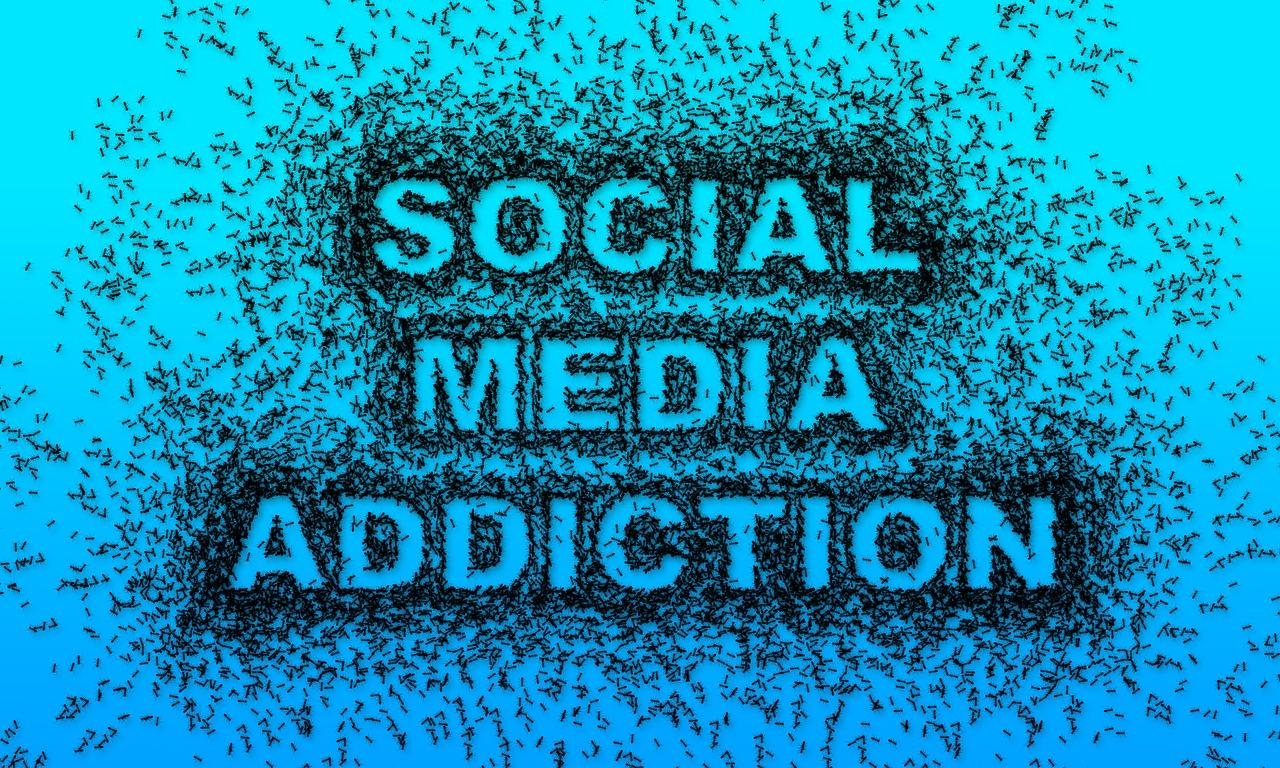
- Behavioral Addictions: Compulsive, problematic social media use has been conceptualized as a form of behavioral addiction.
Pathophysiological Mechanisms: How Social Media Affects the Brain
Scientific understanding of the brain’s response to social media hinges on reward circuitry and neuroplasticity. Platforms are designed to maximize user engagement, triggering release of dopamine in the brain’s reward pathways, analogous to mechanisms observed in substance use and gambling disorders (NIH). The intermittent, unpredictable rewards (likes, comments, notifications) reinforce repetitive checking and scrolling behavior, fostering compulsivity. Additionally, online social comparison and emotional contagion via negative content can activate neural circuits involved in anxiety and affect regulation (JAMA Pediatrics).
Epidemiology and Prevalence of Mental Health Problems Associated With Social Media
Population-level data over the last decade reveal a surge in mental health problems coinciding with escalating social media adoption-particularly among youth. Studies demonstrate that adolescents who spend more than 3 hours per day on social networking sites are at heightened risk for symptoms of anxiety and depression (CDC). A systematic review found that those engaging in frequent or “problematic” social media use had more than twice the odds of depressive symptoms compared to low or non-users.
The gender difference is also notable: teenage girls tend to experience a stronger association between social media use and depressive symptoms or self-esteem issues compared to boys (Harvard Health). Discrepancies may be attributed to patterns of interpersonal communication, cyberbullying, and body image concerns.
Specific Risks: What makes Social Media Potentially Harmful?
Cyberbullying and Digital Harassment
Unlike traditional bullying, cyberbullying follows victims beyond schoolyards or workplaces, occurring persistently via text, comments, or private messaging. Research from the national Institutes of health demonstrates that cyberbullying is closely related to anxiety, depression, substance abuse, and suicidality. Adolescents report higher rates of psychological distress, social withdrawal, and poor academic performance as a result of online harassment.
Social Comparison, Envy, and Low Self-esteem
Many social platforms curate content that highlights idealized success, lifestyles, and appearances. Regular exposure fosters upward social comparison,wherein individuals perceive others as being more attractive,successful,or happy,reinforcing feelings of inadequacy or inferiority. Experimental research has demonstrated that scrolling through idealized images can causally increase body dissatisfaction among teenagers and adults alike (NIH).
Fear of Missing Out (FOMO) and Pathological Attachment
The term “FOMO” describes pervasive feelings of anxiety that others are experiencing rewarding events without the individual, driving compulsive engagement to avoid exclusion. FOMO is now recognized as a psychological phenomenon linked to both depressive symptoms and digital addiction (Frontiers in Psychology).
Sleep Disruption
Exposure to blue light from screens can interfere with circadian rhythms and melatonin secretion-delaying sleep onset and diminishing sleep quality. In addition, psychological stimulation from emotionally charged content or online interactions can impair sleep maintenance. Clinical studies have established an association between excessive night-time social media use and insomnia (NIH).
Body Image Disturbances and eating Disorders
Platforms saturated with edited photos, fitness influencers, or ”thinspiration” content may aggravate body image dissatisfaction and increase the risk of developing eating disorders. Individuals engaging with photo-centric platforms (e.g., Instagram) report higher rates of disordered eating behaviors, particularly adolescent girls (NIH).
The Benefits of social Media: A Complex, Nuanced Perspective
While much research focuses on potential harms, social media is not inherently damaging for all users. Networks can deliver critical support, facilitate social connection, and provide platforms for mental health advocacy or education. For isolated individuals-such as those living with chronic illness, disability, or minority status-social platforms may offer community and solidarity, improving psychological resilience (NIH).
Successful public health initiatives, peer support groups, crisis helplines (such as the 988 Suicide & Crisis Lifeline), and mental health awareness campaigns leverage social media to reach at-risk populations, engage youth, and reduce stigma.Educational content can empower users to recognize symptoms of mental health disorders and seek professional help promptly.

Key Insights from Major Epidemiological Studies
A growing number of high-quality, large-scale studies and systematic reviews have meticulously explored the relationship between social media use and mental health outcomes.
| Study | Population | Key Finding | Reference |
|---|---|---|---|
| The Lancet Child & Adolescent Health, 2019 | 10,000 UK adolescents | High frequency social media use was linked to poorer sleep, cyberbullying exposure, and low self-esteem, predicting increased depression and anxiety in girls | Lancet |
| JAMA Psychiatry, 2019 | 6,595 U.S. adolescents | Every additional hour spent on social media increased the risk of depressive symptoms and suicide-related outcomes | JAMA |
| NIH Systematic review, 2020 | Global, mixed-age populations | Problematic use of social platforms associated with increased risks of depression, anxiety, psychological distress, and poor self-esteem | NIH |
| Harvard University,2018 | U.S. college students | Limiting social media use to 30 minutes/day considerably reduced loneliness and depressive symptoms within three weeks | NIH |
Clinical Symptomatology and Diagnostic Criteria
Mental health professionals have observed several clinical presentations related to problematic social media use. While not recognized as a formal disorder in the DSM-5, terms like “social media addiction” or “problematic internet use” share features with behavioral addictions, such as:
- Compulsive/checking behaviors
- Withdrawal symptoms when access is restricted
- Neglect of responsibilities or social relationships
- Preoccupation with online interactions
- Escalation in usage despite negative consequences
Anxiety and depression related to social media often align with established psychiatric diagnostic criteria, manifesting as persistent sadness, anhedonia, fatigue, social withdrawal, agitation, or sleep disturbances (Mayo Clinic).
Risk Factors and Susceptibility to Harm
Not everyone who uses social media experiences adverse psychological consequences. Several risk factors heighten vulnerability:
- Early-onset use: Starting social media before age 13
- Excessive daily engagement: More than 3-4 hours per day
- Pre-existing mental health disorders: Users with anxiety, depression, or low self-esteem
- experience of online harassment: Victims of cyberbullying
- Personality traits: High neuroticism, low self-control, or trait FOMO
- Lack of parental/guardian oversight: Limited media literacy education
(NIH)
Protective Factors and Healthy Social Media Use
Promoting digital resilience and safe online behaviors is critical, especially among youth. Protective factors that mitigate risk include:
- Parental involvement and media literacy education (CDC)
- Time limits and scheduled “digital detox” periods
- Curated, diverse content: Following educational, positive, and supportive accounts
- Offline social activities: Fostering face-to-face connections and hobbies
- Mindful use: Setting personal goals and intentions for online engagement
Management and Therapeutic Strategies
Screen Time Guidance
Professional bodies such as the American Academy of Pediatrics and CDC recommend that adolescents limit recreational screen time, prioritize sleep, exercise, and offline socialization, and advocate parental guidance and open dialog about online experiences.
Digital Interventions
Emerging evidence suggests that digital well-being tools-such as screen time tracking, content filters, or scheduled “do not disturb” periods-can help users self-regulate usage patterns and reduce psychological distress (NIH).
Psychotherapy and Professional Support
Cognitive behavioral therapy (CBT), especially when tailored toward digital behaviors and social comparison, is effective in addressing depressive and anxiety symptoms linked to social media. In more severe or persistent cases, referral to a mental health professional is recommended. Symptoms such as persistent sadness, suicidality, social withdrawal, or academic decline warrant urgent evaluation (Mayo Clinic).
Public Policy, Advocacy, and Social Media Platform Duty
Governments and educational institutions are increasingly recognizing the impact of social media on young people’s well-being. Policies focusing on media literacy education, safe online environments, and clear data/privacy practices support user health. Some platforms have implemented AI-based monitoring to identify self-harm risk and provide crisis resources, though extensive, evidence-based solutions are still developing.
Frequently Asked Questions
How Much social Media Is Too Much?
There is no global “safe” threshold, but most experts recommend limiting recreational social media use to under 1-2 hours per day, particularly for adolescents. Signs of excessive use include difficulty controlling screen time, neglect of offline responsibilities, or worsening mental health (NHS).
Are Any Groups More at Risk?
Adolescents, individuals with pre-existing mental health disorders, victims of cyberbullying, and those experiencing high FOMO or low self-esteem are more susceptible to harm (CDC).
What Should I Do if I Notice Negative Effects?
Reduce use,engage in open discussions with trusted individuals,curate your feed for positivity,and seek professional help if symptoms persist or worsen. Immediate help for suicidality can be accessed via the 988 Lifeline.
Conclusion: A Balanced Perspective
The accumulating scientific and clinical evidence is clear: social media can negatively impact mental health,especially for youth and vulnerable populations,but is not inherently harmful for everyone.Risk is mediated by usage patterns, individual susceptibility, and the psychosocial context in which platforms are accessed. Importantly, social media also offers unique opportunities for support, education, and connection. the key lies in informed, mindful use-guided by parental involvement, media literacy, responsible platform design, and supportive policy. As research continues to elucidate the evolving digital landscape,healthcare professionals,families,educators,and tech companies share responsibility to safeguard mental wellbeing in the age of social media.
References
- WHO – Mental health at work
- CDC – social Media and Teen Mental Health
- NIH – Social Media Use and Perceived Social Isolation Among Young Adults in the U.S.
- JAMA Psychiatry – Association Between Social Media Use and Depression in Adolescents
- harvard Health - Social Media and Teen Girls’ Brain Development
- Mayo Clinic – Depression
- AAP – Media and Children
- NHS – Social Media and Mental Health