
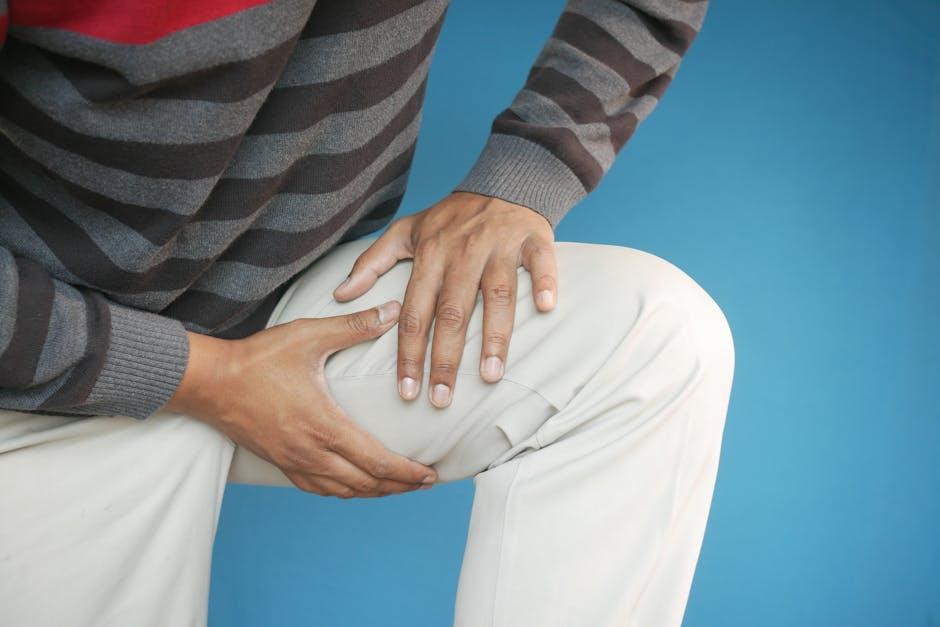

How to deal With Joint Pain That Comes and Goes
Introduction
Joint pain is a prevalent condition affecting millions globally, with significant implications for quality of life, mobility, and long-term health. according to recent epidemiological data, musculoskeletal disorders, which encompass various forms of joint pain, are among the leading causes of disability worldwide [WHO]. One uniquely challenging manifestation is joint pain that comes and goes—known clinically as intermittent joint pain. this fluctuating symptomatology can complicate diagnosis, affect day-to-day functioning unpredictably, and provoke concern over underlying causes. Understanding, diagnosing, and managing this type of pain requires both in-depth medical insight and evidence-based strategies.
Understanding Intermittent joint Pain: Definitions and Epidemiology
Joint pain, or arthralgia, can present as a persistent (chronic), acute, or intermittent complaint. Intermittent joint pain is characterized by episodes of discomfort or stiffness in one or more joints, separated by periods of minimal or no symptoms. epidemiological studies suggest that up to one-third of adults may experience occasional or recurring joint pain, with prevalence increasing with age, coexistent medical conditions, or lifestyle factors [CDC].
Intermittent pain may manifest in any synovial joint, including the knees, shoulders, wrists, hips, and small joints of the hands and feet. Recognizing the fluctuating nature of symptoms is crucial for clinicians, as it often provides diagnostic clues and can suggest different underlying etiologies than chronic, unremitting pain [NHS].
Common Causes of joint Pain That Comes and Goes
Understanding the etiology of intermittent joint pain is essential for effective clinical management. Several physiological, inflammatory, degenerative, infectious, and biomechanical factors can contribute.
-
Osteoarthritis (OA):
OA is a leading cause of intermittent joint pain, especially in weight-bearing joints. early OA often presents with fluctuating symptoms exacerbated by activity and relieved by rest [Mayo Clinic].
-
Rheumatoid Arthritis (RA):
RA is characterized by autoimmune-mediated joint inflammation with episodic flares and remissions.Symptoms often wax and wane, sometimes triggered by environmental or internal factors [NHS].
-
Gout:
Gout produces sudden, severe pain episodes due to monosodium urate crystal deposition, with pain-free intervals in between flares. Dietary, metabolic, and genetic factors play a role in recurrence [CDC].
-
Lupus and Other Connective tissue Diseases:
Systemic lupus erythematosus and similar disorders can cause migratory or intermittent joint pain as part of broader multisystemic disease processes [NIAMS/NIH].
-
Infectious Arthritis:
Certain viral or bacterial infections,such as Lyme disease,can trigger joint pain that comes and goes,often accompanied by systemic symptoms [CDC].
-
Repetitive Strain and Overuse:
Regular sports or occupational activities may cause recurrent episodes of joint discomfort due to microtrauma or strain [Harvard Health].
-
Chondromalacia and Tendinopathies:
Degenerative or inflammatory changes in cartilage or tendons may produce intermittent joint pain, notably in younger, active populations [Healthline].
-
Vitamin Deficiencies and Metabolic Disorders:
Fluctuating pain can sometimes be linked to nutrient deficiencies (e.g., vitamin D) or endocrine diseases, such as thyroid dysfunction [Medical News Today].
-
Other Causes:
Fibromyalgia,psychosomatic factors,or medication-induced side effects are additional considerations [CDC].
Pathophysiology: why Does Joint Pain Fluctuate?
Intermittent joint pain arises through complex pathophysiological mechanisms. These may involve cycles of local inflammation, immune system dysregulation, microstructural changes in joint tissues, or transient alterations in synovial fluid composition. In autoimmune conditions like RA or lupus, inflammatory mediators are produced episodically, leading to flares. In OA or overuse injuries, joint lubrication and cartilage integrity may fluctuate with physical activity, temperature, and metabolic state.
Pain thresholds and neurotransmitter levels also vary due to circadian rhythms, stress, and psychological factors, further contributing to the waxing and waning of symptoms [PubMed].
Clinical Evaluation: When to Seek Medical Advice
Distinguishing benign, self-limited causes from those requiring targeted intervention is critically vital. Seek prompt medical evaluation if your joint pain:
- Is associated with fever, unexplained weight loss, rash, or night sweats
- Results in persistent swelling, redness, or warmth in the joint
- Leads to joint deformity, instability, or functional impairment
- Occurs after significant trauma (possible fracture or severe sprain)
- Is accompanied by neurological symptoms (numbness, weakness)
Persistent or severe pain, especially if unexplained or worsening, should be evaluated by a physician to rule out serious etiologies such as infection, inflammatory arthritis, or malignancy [Mayo Clinic].
Diagnosis: How Doctors Evaluate Intermittent Joint Pain
Thorough history-taking and clinical examination are the cornerstones of diagnosis.Your healthcare provider will inquire about:
- Pattern, duration, and triggers of pain episodes
- Associated symptoms: stiffness, swelling, redness, warmth
- Medical history: autoimmune disease, recent infections, injuries
- Family history of arthritis or rheumatologic disease
- Lifestyle: occupational and physical activity, diet, medication use
Physical examination may include joint inspection, range of motion assessment, and palpation for effusions or tenderness.
Investigations are tailored to clinical suspicion and may include:
- Blood tests: CBC, ESR, CRP, rheumatoid factor, anti-CCP, uric acid, ANA
- Joint fluid analysis (arthrocentesis) for infectious or crystal-induced arthritis
- Imaging: X-ray, ultrasound, or MRI to assess joint integrity and detect early pathological changes
evidence-based guidelines endorse early examination for inflammatory, infectious, or crystal arthropathies [NCBI].
self-Assessment: Monitoring and Recording Symptoms
Patients play a crucial role in documenting their symptoms for accurate diagnosis. Maintain a joint pain diary noting:
- Timing and duration of pain episodes
- Precipitating and alleviating factors
- Severity, location, and quality (sharp, dull, throbbing)
- Impact on daily activities and function
- Associated systemic symptoms (fatigue, fever, malaise)
Digital or printable symptom trackers can be valuable for both patient engagement and dialog with healthcare providers [Arthritis Foundation].
Evidence-Based Management Strategies for Intermittent Joint Pain
Management must be individualized based on underlying etiology, pain severity, patient comorbidities, and risk factors. Here, we outline a comprehensive, science-driven approach.
A. Lifestyle and Behavioral Modifications
- Weight Management: Reducing excess weight significantly decreases joint load and progression of osteoarthritis.Even moderate weight reduction yields clinical benefit [CDC].
- Regular Physical Activity: Evidence supports low-impact exercises (walking, swimming, cycling, yoga, tai chi) for reducing pain frequency, improving adaptability, and preserving function. Physical inactivity can worsen joint stiffness and increase flare frequency [Harvard Health].
- Joint Protection Techniques: Occupational therapists may teach adaptive strategies to reduce repetitive stress during activities of daily living (e.g., using larger joints, assistive devices).
- Dietary Optimization: A Mediterranean-style diet rich in anti-inflammatory nutrients (fruits,vegetables,whole grains,omega-3) has demonstrated benefit in reducing the severity and frequency of joint pain [PubMed].
B. Pharmacological Therapies
- Nonsteroidal Anti-Inflammatory Drugs (NSAIDs): Both prescription and over-the-counter NSAIDs (ibuprofen,naproxen) remain foundational for symptomatic relief. Risks include gastrointestinal, renal, and cardiovascular side effects—appropriate medical supervision is advised [FDA].
- acetaminophen (Paracetamol): Recommended in patients intolerant to NSAIDs, especially for mild to moderate pain [NCBI].
- Topical Analgesics: Topical diclofenac or capsaicin is effective, notably for localized osteoarthritis, minimizing systemic side effects [Cochrane Review].
- Disease-Modifying Antirheumatic Drugs (DMARDs): Essential for immune-mediated joint disease. Early initiation of methotrexate, hydroxychloroquine, or biologics can reduce flares and structural joint damage [American College of Rheumatology].
- Colchicine and Uric Acid-Lowering Agents: Indicated for acute or recurrent gout [CDC].
All pharmacotherapies require individualized assessment of benefits and risks—regular follow-up is essential for monitoring side effects and treatment efficacy. Never initiate or discontinue prescription medications without healthcare supervision.
C. Physical and occupational Therapy
Structured physical therapy programs are shown to reduce pain episodes and preserve function across diverse arthritic conditions. Modalities include:
- Manual therapy and joint mobilization
- Muscle strengthening and endurance exercises
- stretching and flexibility routines
- Balance and proprioceptive training
Occupational therapists focus on adaptive strategies and ergonomic modifications—particularly important for workplace-related intermittent joint pain [Medical News Today].
D. Interventional Procedures
- Corticosteroid Injections: Intra-articular corticosteroids may be employed for recurrent, localized flares unresponsive to oral agents, but should be limited in frequency due to potential cartilage damage [Mayo Clinic].
- Viscosupplementation: hyaluronic acid injections for knee OA may modestly relieve intermittent pain in selected cases,though data on long-term benefit are mixed [Harvard Health].
- Joint Aspiration: Especially for crystal-induced or infectious arthritis flares to relieve symptoms and guide diagnosis.
E.Complementary and Emerging Therapies
Complementary treatments have been researched for adjunctive use in managing intermittent joint pain. Notably:
- Acupuncture: Some high-quality studies suggest acupuncture may reduce pain and improve function, though evidence remains mixed and practitioner expertise is essential [NCCIH/NIH].
- Supplements: Glucosamine and chondroitin show modest benefits in some with knee osteoarthritis but are not universally recommended as first-line therapy [Healthline].
- Cognitive behavioral Therapy (CBT): Psychological therapies, including CBT, reduce pain perception and improve coping in chronic musculoskeletal disorders [NHS].
Always discuss new or choice therapies with your healthcare provider for safety and appropriateness.
F. Home and Self-Care Strategies
Simple, evidence-supported techniques for home care include:
- Thermal therapy: Using heat (warm packs, paraffin baths) to ease stiffness and cold packs to reduce acute inflammation [Healthline].
- Pacing activities: Balance rest with gentle movement to prevent deconditioning and specific pain triggers.
- Assistive devices: Canes, braces, or orthotics may reduce biomechanical stress in recurrently affected joints [Arthritis Foundation].

Prognosis and Long-Term Outcomes
The outlook for recurrent or intermittent joint pain varies according to underlying cause, patient age, comorbidities, and engagement in evidence-based management. For many, early intervention, consistent self-care, and multidisciplinary approaches substantially reduce pain frequency, preserve joint function, and improve quality of life [NIAMS/NIH]. Though, unaddressed or improperly managed intermittent pain can lead to progressive joint damage, disability, and reduced independence.
Long-term outcomes are best when patients maintain regular follow-up, adhere to prescribed therapies, and proactively address modifiable risk factors such as obesity, inactivity, and poor nutrition.
When Is Surgery Considered?
Surgical intervention is rare in cases of intermittent joint pain and usually reserved for:
- Advanced osteoarthritis or rheumatoid arthritis with structural damage unresponsive to conservative treatment
- Recurrent joint locking,instability,or severe deformity affecting function
- Persistent,disabling pain with radiographic evidence of joint degeneration (candidates for joint replacement)
- Septic (infected) joints requiring urgent drainage
Up-to-date shared decision-making,involving a multidisciplinary team—including rheumatology,orthopedics,and physical therapy—is recommended [Mayo Clinic].
Special Considerations: Pediatric and Geriatric Patients
Children and older adults present unique diagnostic challenges. In the pediatric population, intermittent joint pain could signal benign growing pains, juvenile idiopathic arthritis, or, rarely, malignancy [PubMed].In elderly persons, comorbidities and atypical presentations require careful evaluation to exclude underlying inflammatory, osteoporotic, or metabolic conditions. Early geriatric assessment and fall-prevention strategies are integral parts of comprehensive care.
FAQs: Addressing Common Patient Concerns
What type of joint pain is a medical emergency?
Joint pain associated with fever, systemic illness, inability to move the joint, or signs of infection (redness, heat, swelling) may indicate septic arthritis and should be evaluated immediatly [CDC].
Can food or weather changes trigger intermittent joint pain?
Emerging research supports a link between high-purine diets and gout flares. While reports connecting weather changes to pain are common, scientific evidence remains inconclusive, though temperature and barometric fluctuations may affect individual symptoms [Harvard Health].
What if my pain doesn’t improve despite therapy?
Persistent or worsening pain requires re-evaluation. Further investigation may reveal overlooked diagnoses, comorbid conditions, or the need for specialist referral.
Conclusion
Joint pain that comes and goes is an frequently enough frustrating, yet common, experience shaped by an array of biomedical and lifestyle factors. Optimal management requires accurate diagnosis, a customized treatment plan, and a multidisciplinary approach that includes patient education, lifestyle intervention, and, when indicated, pharmacological or procedural therapies.Ongoing collaboration between patients and healthcare professionals ensures the best possible outcomes. If you experience new, unexplained, or severe intermittent joint pain, seek timely medical advice to guide safe and effective care.
Patient Resources and Further Reading
References
- Musculoskeletal Conditions – WHO
- Arthritis Prevalence – CDC
- Joint Pain – NHS
- Osteoarthritis – Mayo Clinic
- Gout – CDC
- Lupus – NIAMS/NIH
- Infectious Arthritis – CDC
- Overuse Injuries – Harvard Health
- Chondromalacia Patellae – Healthline
- Vitamin D Deficiency & Joint Pain – Medical News Today
- Fibromyalgia – CDC
- Circadian Rhythm and Pain – PubMed
- When to See a Doctor for Joint Pain – Mayo Clinic
- Approach to the Patient with Joint Pain – NCBI Bookshelf
- symptom Tracker – Arthritis Foundation
- Physical Activity for Arthritis – CDC
- Exercise and Arthritis – Harvard Health
- Diet and Osteoarthritis – PubMed
- NSAID Safety – FDA
- Acetaminophen – NCBI Bookshelf
- Topical Analgesics for Osteoarthritis – Cochrane Review
- DMARDs – American College of rheumatology
- Physical Therapy for Arthritis – Medical News Today
- Cortisone Injections – Mayo Clinic
- Hyaluronic Acid Injections – Harvard Health
- Acupuncture – NCCIH/NIH
- Supplements for Joint Pain – Healthline
- CBT for Chronic Pain – NHS
- Heat or Ice for Pain – Healthline
- OA Self-Management – Arthritis Foundation
- Arthritis – NIAMS/NIH
- Joint Replacement – Mayo Clinic
- Musculoskeletal Symptoms in Children – PubMed
- Weather and Joint Pain – Harvard Health