

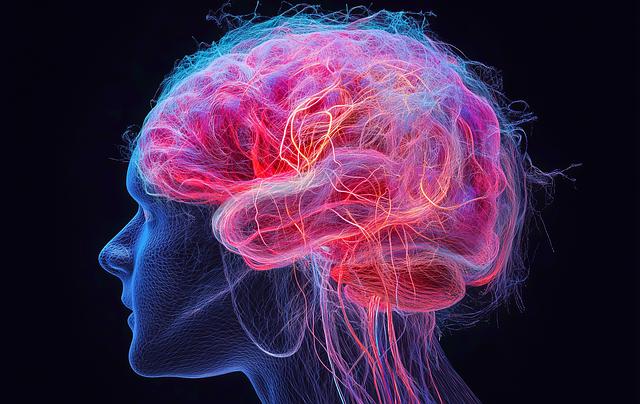
 autonomic nervous system“>
Introduction
A burning sensation in the neck can be an alarming and uncomfortable symptom with multifactorial etiologies ranging from musculoskeletal disorders to neuropathic conditions. Among lesser-discussed but clinically significant causes is a disruption of the autonomic nervous system (ANS), an intricate network that regulates involuntary physiological functions such as blood pressure, heart rate, digestion, and temperature control. Understanding whether a burning sensation in your neck might be attributed to ANS dysfunction is vital for timely diagnosis, targeted therapy, and favorable outcomes.
According to the World Health Institution (WHO), neurological disorders—including those affecting the autonomic nervous system—impact millions globally, often leading to reduced quality of life and increased comorbidity risk. Distinguishing ANS-related symptoms from other more common causes of neck discomfort is crucial for both patients and healthcare practitioners in initiating appropriate diagnostic and therapeutic measures.
Understanding the Autonomic Nervous System
Anatomy and Physiology
The autonomic nervous system is a subdivision of the peripheral nervous system. It controls involuntary bodily functions and is composed of two primary branches:
- Sympathetic Nervous System (SNS): Frequently enough referred to as the “fight or flight” system, it accelerates heart rate, elevates blood pressure, dilates pupils, and prepares the body for action in stressful situations.
- Parasympathetic Nervous System (PNS): Known as the “rest and digest” system, it conserves energy by slowing the heart rate, increasing intestinal and gland activity, and relaxing sphincter muscles.
Disruption of the ANS, or autonomic neuropathy,can thus manifest with a wide array of symptoms affecting multiple organ systems.
Physiological Functions Regulated by the ANS
- Heart rate and contractility
- Vascular tone and blood pressure
- Gastrointestinal motility and secretion
- Thermoregulation
- Pupil size
- Urinary bladder contraction
- Glandular secretion (sweat, saliva)
For more in-depth knowledge on the ANS’s architecture and complex physiological roles, refer to the National Centre for Biotechnology Facts.
What Does “Burning Sensation in the Neck” Mean?
Symptomatology
A burning sensation in the cervical region is classically described as a form of paresthesia—a sensory abnormality which may present as burning, tingling, numbness, or prickling. Persistent or recurrent burning localized to the neck might be indicative of underlying nerve involvement,including potential autonomic pathways.
Differential Diagnosis
The causes of neck burning can be broadly categorized as follows:
- Musculoskeletal: Cervical spondylosis, muscle strain
- Neuropathic: Peripheral neuropathy, radiculopathy, herpetic neuralgia
- Dermatological: Contact dermatitis, infections (e.g., shingles)
- Systemic: Diabetes, vitamin deficiencies, thyroid dysfunction
- Dysautonomias: Small fiber neuropathy, autoimmune autonomic ganglionopathy
Identifying autonomic dysfunction as the root cause often necessitates a systematic assessment including detailed clinical history, neurological examination, and targeted diagnostic testing (Medical news Today).
Pathophysiology: How the Autonomic Nervous System Can Cause Neck Burning
Autonomic nervous system disruption precipitates a cascade of neurovascular and metabolic alterations in affected tissues. Irregular sympathetic or parasympathetic outflow in the cervical region may result in abnormal blood flow, impaired sweat gland function, and nerve fiber hypersensitivity, all of which can contribute to a burning sensation.
Mechanisms
- Small Fiber Neuropathy: Damage to small myelinated and unmyelinated fibers, frequently responsible for pain or burning sensations, especially in regions served by autonomic fibers (PMC).
- Neurogenic Inflammation: Dysfunctional nerve terminals may release pro-inflammatory neuropeptides, sensitizing local nociceptors and resulting in burning pain.
- Vasomotor Instability: ANS disruption may hinder normal vasoconstriction/vasodilation, leading to changes in skin temperature, color, and sensation.
Common Causes of ANS Disruption Affecting the Cervical Region
- Diabetes Mellitus: Widely known for causing peripheral and autonomic neuropathies, which may led to burning sensations in various parts of the body, including the neck (CDC).
- Autoimmune diseases: Conditions like Guillain-Barré syndrome,Sjögren’s syndrome,and systemic lupus erythematosus can lead to autonomic nerve involvement.
- Infectious Etiologies: Viral infections such as herpes zoster can inflame both somatic and autonomic nerve fibers.
- Physical Trauma: Whiplash or cervical spine injuries can compromise nerve integrity.
- Hereditary Disorders: Familial dysautonomia and other genetic syndromes can disrupt ANS function.
- Idiopathic Dysautonomia: In many cases, no clear etiology is identified (harvard Health).
Clinical Features Suggesting ANS Disruption-Related Burning (vs. Other causes)
While burning neck pain may originate from multiple sources, certain features are more typical for ANS involvement:
- Accompanying symptoms of dysautonomia, such as orthostatic hypotension, palpitations, excessive sweating, temperature intolerance, or gastrointestinal dysmotility
- Burning or abnormal sensations presenting in “patchy” or “non-dermatomal” distributions
- association with triggers such as stress, heat, or exertion—exacerbating sympathetic overactivity
- Symptoms worsened by ure or relieved by rest
- lack of clear musculoskeletal or dermatological findings on physical examination
For a comprehensive symptoms list and prevalence data on ANS disorders, please visit NHS: Autonomic Disorder.

Detailed Symptomatology of Autonomic Dysfunction in the Neck
Local Symptoms
- Burning or tingling sensations
- Patchy temperature changes or discoloration
- Abnormal sweating or dry skin in affected area
- Pilosity changes (hair standing on end, thinning)
Systemic Symptoms
- frequent dizziness or fainting
- Heart rate fluctuations (tachycardia or bradycardia)
- Gastrointestinal disturbances (nausea, diarrhea, constipation)
- Difficulty controlling blood pressure
Red Flag Symptoms
- Rapid onset of symptoms after trauma
- Severe weakness in arms or legs
- Sudden problems with bladder or bowel control
- Unexplained weight loss or fever
If these red flag symptoms are present, urgent medical evaluation is warranted (Mayo Clinic: When to See a Doctor).
How Clinicians diagnose ANS-Related Neck Burning
Medical History and examination
A detailed medical history is the foundation for diagnosis. Key aspects include:
- Onset, duration, and character of burning sensation
- Associated symptoms—dysautonomia, constitutional, neurological
- Exposure to new medications, toxins, or recent infections
- Comorbidities such as diabetes, autoimmune disease, or cancer
Physical examination focuses on:
- Vital sign monitoring—including orthostatic blood pressure and pulse measurement
- Sensory, motor, and reflex testing in limbs and neck
- Inspection for skin changes, sweating abnormalities, or trophic changes
Diagnostic Tests
| Test | Purpose | Reference |
|---|---|---|
| Autonomic Function Testing (AFT) | Quantifies sweat output, heart rate variability, and blood pressure responses to standardized stimuli | NCBI: Autonomic Function Testing |
| Quantitative Sudomotor Axon Reflex Test (QSART) | Assesses small nerve fiber and sweat gland function in skin | PMC: QSART |
| Skin Biopsy | Evaluates intraepidermal nerve fiber density for small fiber neuropathy | JAMA: Skin Biopsy in Small Fiber Neuropathy |
| Nerve Conduction studies/EMG | Rules out large fiber nerve or muscle pathology | Healthline: Nerve Conduction Study |
| Laboratory Investigations | Screens for underlying causes: glucose, thyroid, vitamin B12, autoantibodies, infections | Mayo Clinic: autonomic Testing Overview |
When to Suspect ANS Disruption as the Cause of Neck Burning
To differentiate ANS-related burning from other etiologies, consider the following clinical pointers:
- Burning pain is out of proportion to physical findings or does not follow an anatomical nerve root distribution
- Presence of unexplained autonomic symptoms (sweating, HR variability, GI disturbances)
- History of systemic disease known to affect the ANS
- Ineffectiveness of standard musculoskeletal or dermatological treatments
- Positive findings on autonomic function testing
Consult a neurologist or autonomic specialist if these features are present or if diagnosis remains unclear (NHS).
Comorbidities and Risk Factors Associated with Autonomic Dysfunction
- Diabetes mellitus: Both type 1 and type 2 diabetes are major risk factors (CDC).
- Autoimmune disorders: Sjögren’s, lupus, rheumatoid arthritis, celiac disease, autoimmune autonomic ganglionopathy
- Chronic infections: HIV, hepatitis, Lyme disease, herpes zoster
- Neurodegenerative diseases: Parkinson’s disease, multiple system atrophy
- Cancer-associated neuropathy
- Genetic/familial dysautonomias
- Alcoholism or toxin exposure
For a complete list of diseases which frequently involve the autonomic system, see the National Institute of Neurological Disorders and Stroke (NINDS).
Therapeutic Approaches for ANS-Related Neck Burning
General Principles
Management focuses on both symptom control and addressing the underlying etiology. Early and multidisciplinary intervention generally leads to better long-term outcomes.
Pharmacological Interventions
- Pain modulators: Gabapentin, pregabalin, tricyclic antidepressants, and serotonin-norepinephrine reuptake inhibitors (e.g., duloxetine) are effective in neuropathic pain (Mayo Clinic: Autonomic Neuropathy Treatment).
- Topical Agents: Capsaicin and lidocaine patches may provide targeted relief.
- Autonomic symptom-specific therapy: Volume expanders (fludrocortisone), beta-blockers, midodrine for orthostatic hypotension, anticholinergics for hyperhidrosis, and prokinetics for GI symptoms.
Non-Pharmacological Therapies
- Physical therapy and gentle exercise: Helpful for maintaining mobility and reducing pain flare-ups
- Transcutaneous electrical nerve stimulation (TENS): Provides neuromodulation and symptom relief in some patients
- Stress management and psychological support: cognitive-behavioral therapy (CBT), mindfulness, and coping strategies reduce overall symptom burden
- Hydration, dietary modification, and avoidance of triggers
For integrative treatment options, see Healthline: Neuropathy Treatments.
procedural Interventions
Advanced or refractory cases may require interventions such as:
- Sympathetic nerve blocks
- Spinal cord stimulation
- Autologous stem cell therapy or immune modulation in autoimmune autonomic ganglionopathy
Monitoring and Prognosis
The prognosis for ANS-related burning neck pain depends on the underlying cause and timeliness of intervention. Many causes are manageable with current therapeutic protocols, although some chronic forms may require long-term multidisciplinary support. Ongoing monitoring by neurology or pain management specialists ensures optimal management (MedlinePlus).
Practical Steps: What to Do If You Suspect Autonomic Involvement
- Document Your Symptoms: Keep a detailed symptom diary noting frequency, intensity, triggers, and associated autonomic symptoms (sweating, heart rate changes, GI disturbances).
- Consult Your Healthcare Professional: Present your history and findings, and specifically mention concerns about possible neuropathic or autonomic mechanisms.
- Undergo Recommended Testing: Adhere to the diagnostic pathway outlined by your clinician,which may involve referral to a specialist.
- Consider a Multidisciplinary Approach: Collaboration among neurology, pain medicine, endocrinology, and physiotherapy can provide comprehensive support.
- Implement Lifestyle Adjustments: Adequate hydration, avoidance of temperature extremes, stress management, and regular but gentle physical activity may attenuate symptoms.
Additional self-help recommendations for neuropathic pain syndromes are available from NHS: Neuropathic Pain.
FAQs
Is burning neck pain always a sign of a neurological problem?
No. While neurological causes are possible, most cases are related to musculoskeletal or dermatologic causes. Only persistent, unexplained, or multisystemic symptoms require evaluation for autonomic nervous system involvement (CDC).
Can anxiety or stress contribute to burning in the neck?
Yes. Chronic stress and anxiety can trigger or exacerbate symptoms via hyperactivity of the sympathetic nervous system; however, structural or persistent symptoms necessitate further evaluation (Harvard Health).
How is ANS dysfunction treated long-term?
Long-term management involves a holistic approach: identifying and treating the underlying condition, symptom-specific pharmacological therapy, ongoing patient education, and regular follow-up with specialist care (Mayo Clinic).
Is ANS-related neuropathy curable?
Many forms are controllable or reversible, especially if an underlying cause is treated early. Some degenerative or idiopathic forms may require ongoing management to maintain quality of life (NIH).
Key Takeaways
- Burning neck sensations can stem from various causes,but autonomic nervous system disruption should be suspected if multisystem dysautonomic symptoms are also present.
- Risk factors include diabetes, autoimmune disease, infections, genetics, and trauma.
- Diagnosis is clinical and supported by specialized autonomic function tests.
- Management is multidisciplinary—targeting both underlying etiology and symptom relief.
- Early recognition and intervention are crucial for optimal outcomes and quality of life.
Conclusion
Burning sensations in the neck, when accompanied by signs of autonomic dysfunction, warrant thorough evaluation to identify and address the underlying cause. Early diagnosis and tailored treatment can considerably improve symptom burden and slow disease progression. For ongoing or suspicious neck sensations, consult your healthcare provider, and do not hesitate to request a focused evaluation for autonomic nervous system disorders.
For further information and professional support, visit resources such as the National Institute of Neurological Disorders and Stroke, Mayo Clinic, and NHS.