
How to prevent Asthma Attacks During Allergy Season
introduction
Asthma,a chronic inflammatory disorder of the airways,affects more than 339 million people globally,presenting a significant burden on both individuals and healthcare systems [WHO]. Among the most daunting challenges for asthma patients is managing the heightened risk of attacks during allergy season, when environmental allergens proliferate. Allergic triggers such as pollen,mold,and dust mites can precipitate bronchospasm,airway inflammation,and symptomatic flare-ups.In the United States alone, asthma contributes to nearly 1.7 million emergency department visits and 3,500 deaths annually [CDC]. Proactive strategies to prevent asthma exacerbations during allergy season are essential to improve patient outcomes and quality of life. this article explores evidence-based, scientifically validated methods for reducing the risk of asthma attacks when allergens are at their peak.
Understanding Asthma: Pathophysiology and Triggers
Asthma is characterized by chronic airway inflammation, reversible airflow obstruction, and bronchial hyperresponsiveness. The underlying pathophysiology involves immune-mediated processes, primarily driven by T helper 2 (Th2) lymphocyte activation, with resultant cytokine release, eosinophil recruitment, and increased IgE production [NHLBI].This cascade leads to airway mucosal edema, increased mucus production, and contraction of the bronchial smooth muscle.
There are multiple triggers for asthma, broadly categorized as allergic (extrinsic) and non-allergic (intrinsic) triggers. Allergic asthma—the most common phenotype—results from sensitization to environmental allergens such as pollen, animal dander, molds, and dust mites. During allergy season, airborne pollen counts often spike, accentuating the risk for those with sensitized immune systems [CDC: Asthma and Allergens].
Why Allergy Season Increases Asthma Risk
The overlap between peak allergen exposure and asthma exacerbations is well established in clinical research [NCBI]. Allergen particles such as tree, grass, or weed pollen, prevalent in spring and fall, can infiltrate the respiratory tract, inducing an IgE-mediated hypersensitivity response.This sets off the production of inflammatory mediators, including histamine and leukotrienes, which directly cause bronchoconstriction and worsened airway inflammation [NCBI: Pathogenesis]. For those with atopic tendencies, even a brief period of high pollen count can trigger flares requiring urgent intervention.
In addition,climate change and urban air pollution are exacerbating the intensity and duration of allergy seasons worldwide,leading to a higher prevalence and severity of asthma exacerbations [the Lancet Respiratory Medicine]. Those with comorbid allergic rhinitis, eczema, or food allergies are at even greater risk.
Recognizing the Signs of Asthma Exacerbation
Early recognition and prompt management of asthma flares are critical for preventing severe exacerbations.Common warning signs include:
- Increased shortness of breath and chest tightness
- Frequent coughing, particularly at night or early morning
- Wheezing or audible breath sounds
- Reduced peak expiratory flow (PEF) rates
- Use of rescue inhaler more than twice a week
Severe attacks may present with cyanosis, inability to speak in full sentences, or confusion. Immediate medical attention is warranted in such cases [Mayo Clinic].
Diagnosing and Monitoring Allergic Asthma
Accurate diagnosis is foundational for individualized asthma management. Diagnosis begins with a detailed clinical history and physical examination, supplemented with objective tests:
- Spirometry: Measures forced expiratory volume (FEV1) and peak expiratory flow; demonstrates reversible airflow obstruction.
- Allergy testing: Skin prick testing and serum IgE assays help to identify specific allergenic triggers (e.g., pollens, dust mites) [NCBI: Allergic Asthma].
Regular monitoring with peak flow meters or digital symptom diaries is strongly recommended to gauge asthma control and adjust therapy as needed [NHLBI Asthma Guidelines].
Allergen Avoidance: Core Strategies During Allergy Season
Evidence consistently demonstrates that reducing allergen exposure lowers the frequency and severity of asthma exacerbations, especially during peak seasonal periods [NCBI]. Practical steps include:
- Monitor pollen counts: Use reliable websites and local forecasts (e.g., Pollen.com), and stay indoors on days with high pollen counts.
- Keep windows closed: Use air conditioning with HEPA filters to reduce indoor pollen intrusion.
- Change clothes and shower after outdoor activities: Pollen can cling to clothing, hair, and skin.
- Dry laundry indoors: Outdoor drying allows pollen to settle on clothes and bedding.
- Clean home regularly: Use a vacuum with a HEPA filter, damp-dust surfaces, and wash bedding in hot water weekly to remove dust mites and pollen.
- Consider allergen-proof covers: For mattresses and pillows, these barriers minimize exposure to dust mites [NHS].
Remember, a multi-modal approach is most effective, as single interventions rarely remove all relevant allergens.
Pharmacological Prevention of Asthma Attacks
Controller Medications
Long-term control therapies form the cornerstone of asthma management and should be optimized before and during allergy season:
- Inhaled corticosteroids (ICS): The most effective anti-inflammatory agents for persistent asthma, reducing airway hyperresponsiveness and frequency of attacks [CDC: Asthma Medications].
- Leukotriene receptor antagonists (LTRAs): Especially useful for allergy-induced asthma,as they block leukotrienes released during allergic reactions [Mayo Clinic: Montelukast].
- Long-acting beta-agonists (LABAs): Often used in combination with ICS for moderate to severe cases.
- Biologic therapies: For severe allergic asthma unresponsive to conventional therapy, monoclonal antibodies such as omalizumab (anti-IgE), mepolizumab, and dupilumab target key inflammatory pathways [NCBI: Biologics].
Rescue Medications
Short-acting beta-agonists (SABAs), such as albuterol, provide rapid relief of acute bronchospasm but should not be used as sole therapy for persistent asthma [NHLBI: Asthma]. Overreliance on rescue inhalers often signals inadequate asthma control, necessitating a therapy reassessment.
Allergen Immunotherapy
Allergen immunotherapy (“allergy shots” or sublingual tablets) has proven efficacy in reducing both allergic symptoms and asthma exacerbations over time by gradually desensitizing the immune response to specific allergens [AAAAI]. this approach is most beneficial for individuals with clear allergen sensitizations, persistent symptoms, and suboptimal response to pharmacologic strategies.
Environmental Control: making Your Home Allergen-Safe
Creating a low-allergen environment is a cornerstone for asthma prevention, especially during periods of high pollen or mold spore counts. Consider the following evidence-based measures [NCBI]:
- Install high-efficiency particulate air (HEPA) filters in bedrooms and living areas.
- Keep humidity levels below 50% to deter dust mites and mold growth.
- Remove carpets, heavy drapes, and upholstered furniture where possible.
- Use dehumidifiers in basements or damp spaces.
- Avoid indoor smoking and minimize exposure to strong odors or cleaning chemicals.
Regular maintenance of ventilation systems and annual professional cleaning may further reduce allergen load. In high-risk homes, consider consulting an environmental specialist for a thorough allergen assessment.
Personal Prevention: Self-Care and Behavioral Strategies
Asthma Action Plans and Self-Monitoring
Every asthma patient should work with their healthcare provider to develop a personalized asthma action plan. This document includes daily medication regimens, instructions for recognizing worsening symptoms, peak flow thresholds, and step-by-step actions during an exacerbation. Self-monitoring enhances control by enabling timely interventions before symptoms escalate [NCBI].
Proper Inhaler Technique
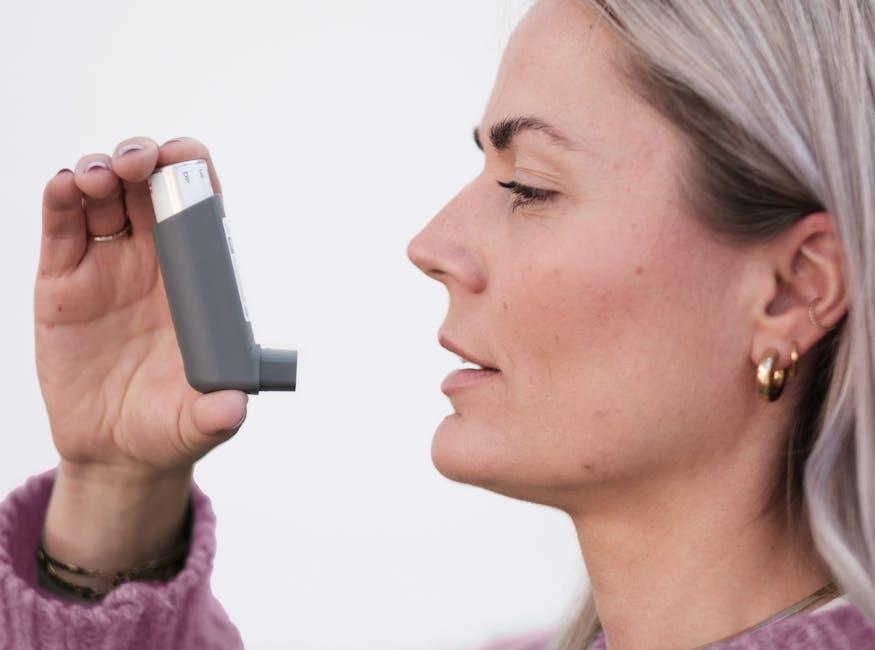
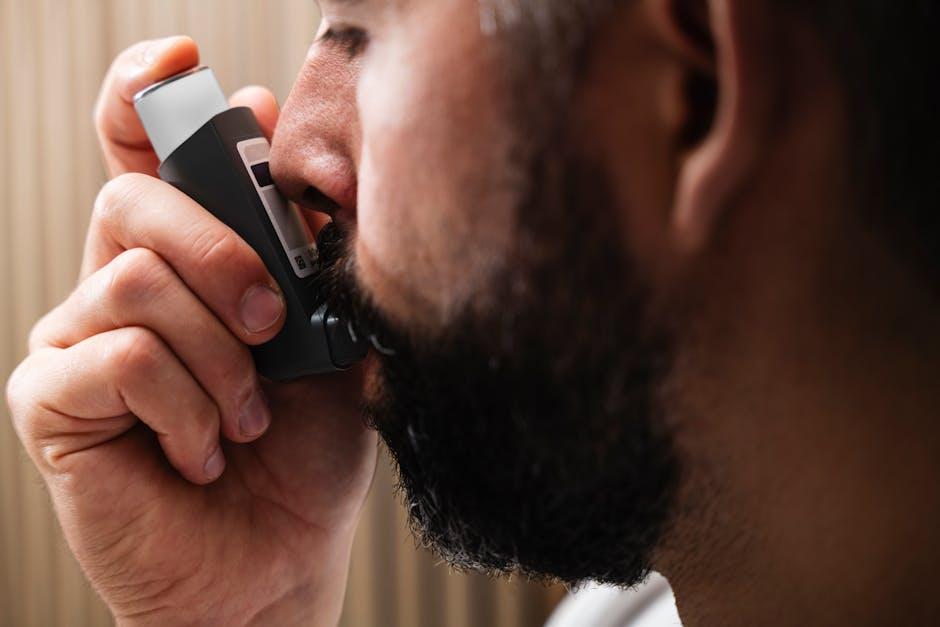
Incorrect use of inhalers is a common cause of poor asthma control, especially during allergy season. Training with a healthcare professional or pharmacist is vital. Techniques vary by device (metered-dose inhaler vs. dry powder inhaler), but the key steps include:
- Shake the inhaler (if required) and exhale fully before use.
- Inhale slowly and deeply while activating the canister.
- Hold breath for 10 seconds after inhalation.
- Use a spacer with metered-dose inhalers for children or those with coordination challenges.
Educational resources and presentation videos are available via NHS and CDC.
Vaccination and Infection Prevention
Respiratory viral infections such as influenza and SARS-CoV-2 markedly increase the risk of asthma exacerbations. Annual flu vaccination and staying current with recommended vaccines (including pneumococcal and COVID-19) are strongly advised [CDC]. Good hand hygiene and avoiding contact with sick individuals further reduce infection risk during allergy season.

Dietary and Lifestyle Modifications
Emerging research underscores the impact of diet and lifestyle on asthma control, especially in the context of allergic inflammation [Harvard Health]. Consider the following recommendations:
- Adopt an anti-inflammatory diet: Rich in fruits, vegetables, omega-3 fatty acids (from fish or flaxseed), and whole grains.
- Maintain a healthy weight: Obesity is a recognized risk factor for poor asthma control and increased exacerbation frequency [CDC: Obesity].
- Stay hydrated: Adequate fluid intake helps keep airway secretions thin and more easily cleared.
- Avoid known food allergens: For those with sensitivities, trigger foods can cross-react and intensify allergic/asthmatic episodes.
Physical Activity and Exercise-Induced Symptoms
While regular exercise boosts overall respiratory health, allergy season may increase the risk of exercise-induced bronchoconstriction. Strategies for safe activity include:
- Exercising indoors on high-pollen or high-pollution days
- Pre-treatment with short-acting bronchodilators if prescribed (as per NHLBI)
- Warming up and cooling down to reduce risk of acute bronchospasm
Individual exercise plans should be tailored in consultation with a respiratory specialist.
Special Considerations: Pediatric and Elderly Patients
Pediatric asthma During Allergy Season
Childhood asthma, often associated with atopy, is exacerbated during seasonal allergen surges. School attendance may intensify exposure, necessitating close collaboration between parents, healthcare providers, and educators. Action plans, appropriate medication at school, and prompt communication of symptoms are essential for minimizing morbidity [CDC: Asthma in Children].
Asthma in Older Adults
Asthma in the geriatric population is underrecognized and frequently complicated by comorbidities such as chronic obstructive pulmonary disease (COPD), cardiovascular disease, and polypharmacy [NCBI: Asthma in the Elderly]. Extra vigilance is necessary during allergy season; medication regimens must be adjusted to minimize side effects and potential drug interactions.
Travel and outdoor Activities: Safety Precautions
Allergy season should not preclude travel or enjoy the outdoors, but cautious planning is key:
- Pack all asthma medications and keep rescue inhalers accessible at all times.
- Research pollen counts and air quality at your destination.
- Choose accommodations with air conditioning and non-smoking policies.
- Avoid outdoor activities at dawn and dusk, when pollen levels peak.
- Consider the use of face masks in areas with high pollen or pollution concentrations.
Mobile health apps and portable peak flow meters can assist with monitoring and early intervention during travel [Medical News Today].
Psychosocial Aspects and Patient Support
Anxiety, depression, and stress are frequently reported among asthma sufferers, especially when facing unpredictable flare-ups during allergy season. These psychosocial factors can not only diminish quality of life but worsen asthma control by impacting medication adherence and immune response [JAMA]. Access to support groups, counseling, mindfulness practices, and patient education can significantly improve coping and overall outcomes [Mayo Clinic: Stress].
current Research and Innovations
Advancements in asthma prevention and management are rapidly evolving. Biomarker-driven therapies, digital inhalers with adherence monitoring, and telemedicine consultations are expanding the toolbox for clinicians and patients alike [JAMA]. Ongoing research into personalized medicine and environmental modification continues to improve our ability to predict, prevent, and manage allergic asthma attacks [The Lancet Respiratory Medicine].
Summary Table: Key Strategies to Prevent Asthma Attacks in Allergy Season
| strategy | Description | Reference |
|---|---|---|
| Allergen Avoidance | Reduce indoor/outdoor allergen exposure (e.g., pollen, dust, mold) | NHS |
| Medication Optimization | Regular use of ICS and/or LTRA as per asthma action plan | CDC |
| Environmental Control | Air filters, dehumidifiers, allergen-proof bedding | MedlinePlus |
| Immunotherapy | Allergy shots or sublingual tablets for selected patients | AAAAI |
| Self-Monitoring | Use of peak flow meter; asthma symptom diary | CDC |
| Vaccination | Annual influenza, pneumococcal, and COVID-19 vaccination | CDC |
Frequently Asked Questions (FAQs)
Can I exercise outdoors during allergy season if I have asthma?
With proper asthma control and pre-exercise planning, most individuals can remain physically active.Use your asthma action plan,avoid peak pollen times,and always carry your rescue inhaler for safety.Consult your healthcare provider for individualized advice [NHLBI].
What are the most effective ways to limit allergen exposure at home?
Key measures include keeping windows closed, using HEPA filters, cleaning surfaces regularly, washing bedding weekly, controlling humidity, and avoiding carpets and upholstered furniture [NHS].
Is allergy immunotherapy safe for children with asthma?
When administered under medical supervision, allergy shots or sublingual tablets are generally safe and can significantly reduce asthma symptoms in children with proven allergen sensitivities [AAAAI].
What is the role of diet in preventing asthma exacerbations?
While no diet can cure asthma, nutrition rich in anti-inflammatory foods may help reduce baseline airway inflammation. Maintaining a healthy weight also supports better asthma control [Harvard Health].
Conclusion
Asthma exacerbations during allergy season are preventable through a comprehensive, evidence-based approach that combines allergen avoidance, pharmacologic optimization, environmental control, self-monitoring, and healthy lifestyle habits. Close collaboration with healthcare professionals ensures that management plans are tailored and responsive to individual risks and preferences, maximizing both safety and quality of life. Ongoing surveillance of symptoms, regular re-evaluation of therapy, and active participation in self-care empower patients to navigate even the most challenging aspects of seasonal allergen exposure without fear.
For further data or tailored advice,consult a certified allergy or asthma specialist. Additional resources and the latest guidelines are available from the National Heart, Lung, and Blood Institute, Centers for Disease Control and Prevention, and American Academy of Allergy, Asthma & Immunology.