

What to Eat to Naturally Lower Inflammation Markers
Introduction
Chronic inflammation is intricately linked to the etiology and progression of numerous non-communicable diseases,including cardiovascular pathology,type 2 diabetes,autoimmune conditions,and neurodegenerative disorders. Elevated inflammation markers—such as C-reactive protein (CRP), interleukin-6 (IL-6), and tumor necrosis factor-alpha (TNF-α)—are established clinical indicators of systemic inflammation and predictors of adverse health outcomes (CDC). Thus, modulating inflammation through lifestyle interventions, especially dietary modification, is recognized as a cornerstone of preventive medicine and integrative therapeutic protocols (NIH). This complete resource,grounded in the latest medical research and public health consensus,explores what to eat to naturally lower inflammation markers,enhancing prognosis and overall well-being.
Understanding Inflammation: Pathophysiology and Health Implications
Inflammation is a physiologic immune response to tissue damage, infection, or dysregulation of homeostasis. While acute inflammation is an essential mechanism for wound healing and pathogen defense, chronic low-grade inflammation is implicated in the pathogenesis of atherosclerosis, metabolic syndrome, and malignancies (WHO). Chronic inflammation features persistent elevation of cytokines and acute-phase reactants; these biochemical markers serve as both diagnostics and therapeutic targets in clinical protocols (PubMed).
- C-reactive protein (CRP): Synthesized by the liver, CRP is a direct marker of systemic inflammation (Mayo Clinic).
- Interleukin-6 (IL-6): A cytokine promoting pro-inflammatory responses, associated with increased cardiovascular risk (NIH).
- Tumor necrosis factor-alpha (TNF-α): Central in the growth of autoimmune and inflammatory diseases (PubMed).
Optimizing diet is fundamental for modifying the underlying pathophysiology of chronic inflammation and reducing pro-inflammatory biomarkers.
The Inflammatory Impact of Diet: Clinical Evidence
Robust scientific literature demonstrates that dietary patterns directly influence inflammatory homeostasis. Processed foods, saturated fats, and high-glycemic carbohydrates exacerbate inflammation, while nutrients from whole, plant-based sources exert anti-inflammatory effects (Harvard Health). Diets that naturally lower inflammation markers, such as the Mediterranean or DASH dietary protocols, are associated with reduced morbidity and mortality from chronic inflammatory diseases (JAMA).
Below is an evidence-based synthesis on which foods help lower inflammation markers and the optimal nutrition strategy to support systemic health.
Anti-inflammatory Diet Principles
Effective dietary interventions target major determinants of inflammation at the cellular level.An anti-inflammatory diet typically includes:
- High phytonutrient and antioxidant density: Fruits, vegetables, and herbs supply vitamins, flavonoids, carotenoids, and polyphenols, which modulate inflammatory cascades and oxidative stress (NIH).
- Balanced omega-3/omega-6 fatty acid ratio: Omega-3 fats (EPA, DHA, ALA) found in fish and seeds counteract the pro-inflammatory effects of excessive omega-6 intake (PubMed).
- Low glycemic index/load: Avoiding rapid blood sugar spikes limits systemic inflammation by reducing insulin demand (Medical News Today).
- Minimizing ultra-processed ingredients: Processed meats, refined sugars, and trans fats increase CRP and pro-inflammatory cytokines (NIH).
- Dietary fiber: Whole grains and legumes modulate gut microbiota and improve immune regulation (PubMed).
Evidence-Based Foods That Lower inflammation Markers
A wide variety of foods have demonstrated significant anti-inflammatory properties by attenuating key biomarkers and cytokines in randomized controlled trials and epidemiological research.
1. Fatty Fish and Omega-3-Rich Foods
Marine-based omega-3 fatty acids (eicosapentaenoic acid [EPA] and docosahexaenoic acid [DHA]) reduce production of inflammatory eicosanoids and cytokines. Clinical studies report that individuals consuming salmon, mackerel, sardines, and anchovies exhibit lower CRP and IL-6 levels (Medical News Today). Plant-based sources, such as flaxseed, chia seed, hemp seed, and walnuts, provide alpha-linolenic acid (ALA), which may also contribute to systemic anti-inflammatory effects, albeit less potently than marine sources (NIH).
- Recommended intake: At least 2–3 servings of oily fish per week or appropriate plant-based alternatives (American Heart Association).
2. Colorful Fruits and Berries
Fruits, particularly deeply colored berries (blueberries, raspberries, blackberries, strawberries), are rich in anthocyanins, vitamin C, and other polyphenols. These nutrients neutralize reactive oxygen species and suppress expression of inflammatory genes. A meta-analysis found berry consumption led to significant reductions in both CRP and inflammatory adipokines among adults with metabolic syndrome (PubMed).
- Recommended intake: 2 or more cups of mixed fruits and berries daily.
3. Leafy Green and cruciferous Vegetables
Dark leafy greens (spinach, kale, Swiss chard, arugula) and cruciferous vegetables (broccoli, Brussels sprouts, cabbage) provide carotenoids, vitamin K, and sulfur compounds, which inhibit the NF-κB pathway—a mediator of chronic inflammation. Epidemiological research reveals inverse associations between vegetable consumption and inflammatory markers (American Heart Association).
- Recommended intake: 2–3 cups of leafy or cruciferous vegetables per day.
4. Whole Grains and High-fiber Foods
Intact whole grains (oats, barley, quinoa, brown rice, bulgur) modulate inflammation by elevating butyrate-producing gut microbiota, increasing short-chain fatty acids, and lowering glycemic load. Clinical trials indicate whole-grain diets substantially reduce CRP, TNF-α, and IL-6 compared with refined grains (PubMed).
- Recommended intake: At least half of grain servings as whole grains; daily fiber goal 25–38 grams.
5. Extra-Virgin Olive Oil
A staple of the Mediterranean diet, extra-virgin olive oil (EVOO) contains oleocanthal, oleuropein, and unsaturated fatty acids, which antagonize pro-inflammatory pathways and block cyclooxygenase enzymes (similar to the mechanism of NSAIDs). Intervention studies demonstrate that EVOO intake is associated with reductions in CRP and other inflammatory mediators (mayo Clinic).
- Recommended intake: 2–4 tablespoons per day, replacing saturated fats and processed oils.
6. Legumes and Pulses
Beans, lentils, chickpeas, and split peas offer high fiber, plant protein, and antioxidants. Data show regular legume intake lowers CRP and fosters a favorable gut microbiome environment for anti-inflammatory metabolite production (PubMed).
7. Nuts and Seeds
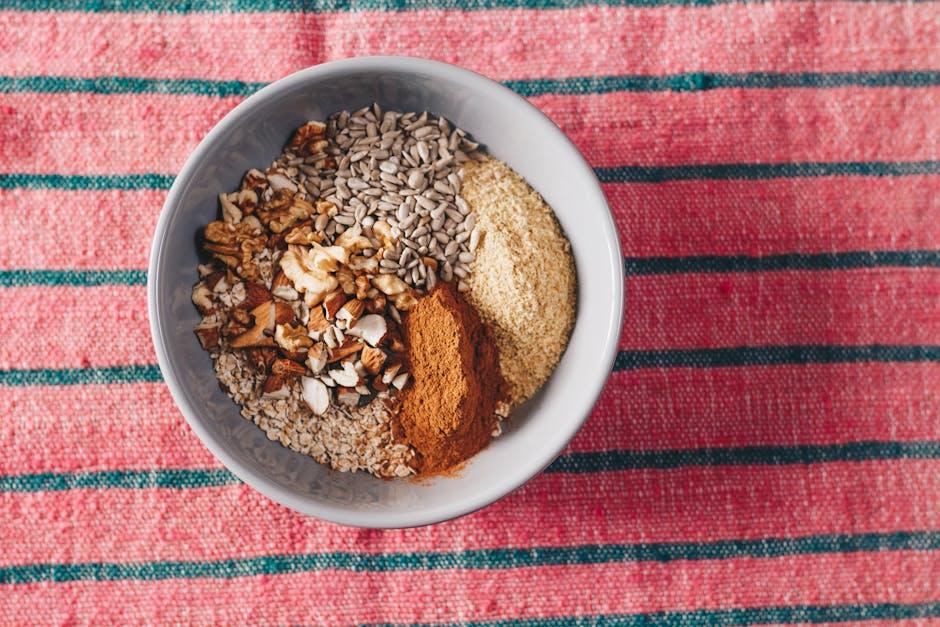
Nuts (almonds, walnuts, pistachios) and seeds (chia, flaxseed, pumpkin) deliver anti-inflammatory unsaturated fats, polyphenols, magnesium, and other micronutrients. Nuts are inversely associated with both inflammatory markers and all-cause mortality in large cohort studies (NEJM).
- Recommended intake: 1–1.5 ounces (28–45 grams) per day of mixed nuts and seeds.
8. Herbs, Spices, and Phytochemicals
Ginger (gingerols), turmeric (curcumin), garlic (allicin), cinnamon, and other spices are potent inhibitors of NF-κB and reduce CRP, IL-6, and TNF-α in clinical studies (PubMed).
- Incorporate a variety of fresh and dried herbs and spices daily.
9. fermented Foods and Probiotics
Fermented products such as yogurt with live cultures,kefir,kimchi,sauerkraut,tempeh,and miso improve gut barrier function,modulate immune cell signaling,and lower inflammation markers by supporting healthy gut microbiota (PubMed).
10. Green Tea and Other Polyphenol-Rich Beverages
Green tea, rich in epigallocatechin gallate (EGCG), downregulates pro-inflammatory gene expression and reduces levels of IL-6 and CRP (PubMed). Other polyphenol-rich beverages, such as tart cherry juice and pure pomegranate juice, exhibit similar benefits (Healthline).
Sample Anti-Inflammatory Daily Menu
| meal | Anti-Inflammatory Foods Included |
|---|---|
| Breakfast | Oatmeal with blueberries, walnuts, chia seeds; green tea |
| Lunch | Lentil & spinach salad with red bell peppers, EVOO dressing; fermented sauerkraut |
| Snack | Mixed nuts and sliced apple |
| Dinner | Grilled salmon, roasted Brussels sprouts, brown rice; glass of water with fresh lemon |
| Dessert | Greek yogurt with raspberries and cinnamon |

Scientific Rationale: Mechanisms of Anti-Inflammatory Foods
Dietary components mediate inflammation via several biological mechanisms:
- Modulation of gut microbiota: Prebiotics and probiotics promote short-chain fatty acid production, which enhances epithelial barrier integrity and reduces systemic inflammation (PubMed).
- Antioxidant activity: neutralization of free radicals by polyphenols and vitamins limits oxidative stress-induced inflammatory signaling cascades (PubMed).
- Regulation of cytokine expression: Compounds like curcumin, catechins, and omega-3 fatty acids down-regulate nuclear factor kappa-B (NF-κB) and other transcription factors that drive cytokine production (PubMed).
- Inhibition of arachidonic acid pathway: Omega-3 fatty acids reduce synthesis of pro-inflammatory prostaglandins and leukotrienes by competing with omega-6 fatty acids (PubMed).
What to Avoid: Pro-Inflammatory foods
Certain foods and ingredients promote inflammation through glycation, oxidative stress, and cytokine upregulation.
- Refined carbohydrates: White bread, pastries, sweetened beverages, and processed snack foods spike blood sugar and increase CRP levels (PubMed).
- Trans fats/partially hydrogenated oils: Elevate LDL, promote endothelial dysfunction, and are associated with higher systemic inflammatory markers (FDA).
- Processed and red meats: Nitrates, advanced glycation end-products, and saturated fat content correlate with increased CRP and IL-6 (JAMA).
- Sugar-sweetened products: Fructose-rich foods and beverages exacerbate inflammatory pathways (PubMed).
Limiting intake of processed, fried, and sugary foods is crucial for lowering baseline inflammation markers.
Clinical Evidence: Dietary Patterns for Inflammation Reduction
Meta-analyses and randomized controlled trials consistently show holistic dietary patterns are more effective than focusing on isolated nutrients. Two paradigms receive the moast empirical support:
The Mediterranean Diet
Characterized by high intakes of extra-virgin olive oil, vegetables, fruits, nuts, legumes, whole grains, moderate fish and poultry, and minimal red meat, the Mediterranean diet correlates with robust reductions in CRP and IL-6 and decreased risk of inflammatory disease (PubMed | Mayo Clinic).
DASH (Dietary Approaches to Stop Hypertension) Diet
Emphasizing fruits, vegetables, whole grains, low-fat dairy, and lean proteins while limiting saturated fat and sodium, the DASH protocol decreases inflammation and cardiovascular compositional metrics (PubMed).
Plant-Based Diets
Vegan and vegetarian diets, when planned appropriately to ensure adequate omega-3 and micronutrient intake, are linked to reductions in CRP, TNF-α, and indicators of endothelial inflammation (PubMed).
Lifestyle Synergy: Beyond Diet Alone
While diet is crucial, other lifestyle determinants also modulate inflammation:
- Physical activity: Regular aerobic and resistance exercise attenuates inflammatory cytokine production (PubMed).
- Quality sleep: Chronic sleep deprivation elevates CRP and IL-6 (NIH).
- Stress management: mindfulness, meditation, and adequate social support help regulate the hypothalamic-pituitary-adrenal axis and inflammatory processes (PubMed).
Combining optimal nutrition with these supportive practices offers maximal benefits for reducing inflammation markers and enhancing long-term health.
FAQs: Eating to Lower Inflammation Markers
Q: How long does it take for an anti-inflammatory diet to lower inflammation markers?
Positive changes in biomarkers such as CRP may be observed within 3–6 weeks of consistent dietary intervention; however, individual variability depends on baseline health status, comorbidities, and dietary adherence (PubMed).
Q: Are supplements necessary, or can food alone suffice?
Food-first approaches are generally superior; supplements might potentially be considered for documented deficiencies or specific clinical goals but should be used under medical supervision (NHS).
Q: Can certain foods exacerbate inflammation even if they are considered “healthy”?
Yes, food intolerances (e.g., gluten or lactose intolerance) or allergies can provoke individual inflammatory responses—personalized dietary planning is best conducted with a registered dietitian or healthcare provider (Mayo Clinic).
Q: How can one monitor their inflammation markers?
Regular blood tests for CRP, ESR, and relevant cytokines are common; clinical interpretation should always be performed by a qualified physician (medlineplus).
Conclusion
Systemic inflammation is a significant modifiable risk factor for chronic diseases with global health implications. High-quality evidence establishes that a diet rich in fruits, vegetables, whole grains, nuts, seeds, lean protein (particularly fatty fish), healthy oils, and fermented foods, while minimizing processed, sugary, and fatty foods, is effective in naturally lowering inflammation markers. Adopting an anti-inflammatory dietary pattern, synergized with regular physical activity, adequate sleep, and stress management, augments both prevention and management of inflammation-driven conditions. For personalized guidance, clinicians and patients should collaborate to tailor nutrition interventions to specific health histories and goals, ensuring that dietary strategies align with comprehensive therapeutic protocols.
For further details and clinical tools, consult your healthcare provider or access leading inflammatory research through reputable institutions such as the National Institutes of Health (NIH), Centers for Disease Control and Prevention (CDC), and World Health Organization (WHO).