
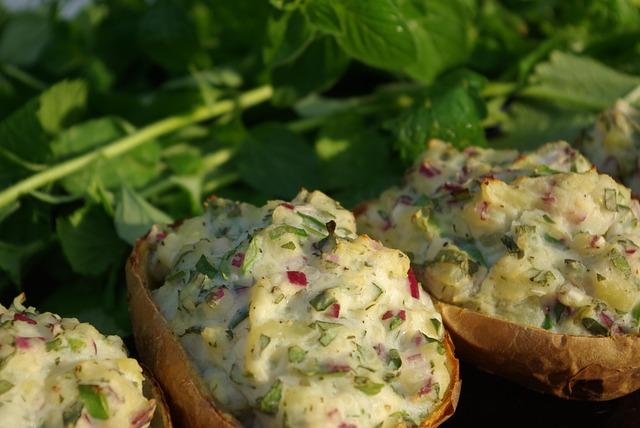
 foods for controlling high cholesterol“>
What Are the Best Foods for Controlling High Cholesterol Levels?
Introduction
High cholesterol is a notable modifiable risk factor for atherosclerotic cardiovascular diseases, including coronary artery disease, stroke, and peripheral vascular disease. According to the World Health Institution (WHO), cardiovascular diseases remain the leading cause of death worldwide, with dyslipidemia—particularly elevated low-density lipoprotein cholesterol (LDL-C)—as a primary culprit. In the United States alone, nearly 94 million adults (aged 20 or older) have total cholesterol levels at or above 200 mg/dL.
understanding how dietary choices affect serum cholesterol can empower patients, families, and healthcare providers to prevent and manage hypercholesterolemia effectively. This evidence-based review provides a thorough guide, grounded in current research, on the best foods to control high cholesterol and support heart health.
What Is High Cholesterol?
Cholesterol is a lipid molecule essential for cellular structure, hormone synthesis, and vitamin D metabolism. though, excess circulating cholesterol—especially when present as LDL-C—can accumulate within arterial walls, initiating atherogenesis and vascular inflammation. According to Mayo Clinic, “high cholesterol” generally refers to:
- Total cholesterol: >200 mg/dL
- LDL (“bad” cholesterol): >100-130 mg/dL
- HDL (“good” cholesterol): <40 mg/dL in men or <50 mg/dL in women
- Triglycerides: >150 mg/dL
Left untreated, elevated cholesterol accelerates the risk of ischemic heart disease, myocardial infarction, and other vascular complications. Prevalence increases with age, coexisting conditions (such as type 2 diabetes or hypertension), genetic factors (familial hypercholesterolemia), and lifestyle choices, notably diet and physical inactivity.
The Pathophysiology of cholesterol and Cardiovascular Risk
cholesterol is transported in the bloodstream in the form of lipoproteins. LDL particles deposit cholesterol in arterial walls, fueling the formation of atherosclerotic plaques. In contrast, HDL particles scavenge and transport cholesterol to the liver for excretion in bile, serving a protective function (NCBI: StatPearls).
Diets high in saturated fats, industrial trans fats, and excess calories contribute to dyslipidemia, while certain foods and nutrients can help mitigate these effects and promote favorable serum lipid profiles.
The Role of Diet in Cholesterol Management
Lifestyle modification—including dietary interventions—remains the cornerstone for managing both primary and secondary hypercholesterolemia. According to the American Heart Association (AHA), a heart-healthy eating plan can lower LDL cholesterol by up to 15–25%, potentially offering a magnitude of benefit comparable to first-line statin therapy in certain populations with mild to moderate dyslipidemia.
Let’s examine, in depth, the best foods and dietary strategies for controlling and improving cholesterol profiles.
1. Soluble Fiber: Nature’s Cholesterol Regulator
Dietary fibers are plant-based carbohydrates that evade digestion in the small intestine. The most clinically relevant for cholesterol management is soluble fiber, which forms a viscous gel in the gut, binding to bile acids and increasing their elimination. Since bile acids are synthesized from cholesterol, the liver draws on circulating cholesterol to replace those lost in feces (NIH/PubMed: Effects of Dietary Fiber).
Key Sources of Soluble Fiber
- Oats and oat bran
- Barley
- Legumes (beans, lentils, chickpeas, peas)
- Fruits (apples, citrus fruits, pears, berries)
- Vegetables (carrots, brussels sprouts, sweet potatoes)
- Psyllium husk (fiber supplement)
Clinical trials consistently demonstrate that increasing soluble fiber by just 5–10 grams daily can lower LDL cholesterol by up to 5–11% (Mayo Clinic: Dietary Fiber).
2. Foods Rich in Omega-3 Fatty Acids
Omega-3 polyunsaturated fatty acids (PUFAs) support cardiovascular health by decreasing serum triglycerides,reducing arrhythmogenic risk,dampening vascular inflammation,and exerting mild LDL-lowering effects.The best dietary source is fatty fish such as salmon, mackerel, sardines, and albacore tuna. The NIH recommends at least two servings of fatty fish per week for primary prevention.
Beneficial Plant-Based Omega-3 Sources
- Flaxseeds and chia seeds
- Walnuts
- Canola oil and soybean oil
These foods contain alpha-linolenic acid (ALA), a plant-based omega-3 precursor, which can be partially converted to the biologically active forms eicosapentaenoic acid (EPA) and docosahexaenoic acid (DHA). Evidence suggests that regular intake of marine or plant-based omega-3s reduces cardiovascular disease incidence and mortality (JAMA Cardiology: Omega-3 PUFAs).
3. Plant Sterols and Stanols: Nature’s Cholesterol Blockers
Plant sterols and stanols are natural compounds structurally similar to cholesterol. When consumed in adequate amounts, they compete with dietary cholesterol for absorption in the intestinal lumen, effectively lowering blood cholesterol levels (Mayo Clinic: Plant Sterols and Stanols).
How to get Enough Plant sterols and Stanols
- Fortified foods and spreads (such as certain margarines and orange juices)
- Nuts and seeds
- Legumes
- Whole grains
- Vegetables
Studies show that 2 grams per day can reduce LDL cholesterol by 5–15%. For maximum effect, sterol- or stanol-enriched foods should complement, not replace, other dietary and pharmacological interventions (Harvard Health).
4. Nuts: Heart-Healthy Fats and Phytochemicals
Frequent consumption of nuts is associated with improved lipid profiles—lowering total cholesterol, reducing LDL, and increasing HDL in some populations. Nuts contain unsaturated fatty acids,fiber,plant sterols,L-arginine (a precursor for nitric oxide synthesis),and antioxidants (NCBI: Nuts and Serum lipids).
The Healthiest Nuts for Cholesterol
- Almonds
- Walnuts
- Pistachios
- Pecans
- Macadamia nuts
Nuts are energy-dense, so a typical serving is about a handful (28 grams). A large randomized trial (PREDIMED) found that regular nut intake reduced major adverse cardiovascular events by 30% compared to a control diet.
5. Fruits and Vegetables: Antioxidant and Phytonutrient Powerhouses
A diet abundant in diverse fruits and vegetables provides vitamins, minerals, polyphenols, and fiber—all shown to lower LDL cholesterol and reduce oxidative stress, which contributes to plaque instability. Certain fruits,such as apples,citrus,strawberries,and avocados,have the most pronounced evidence for cholesterol-lowering (Healthline: Science-Based Nutrition Tips).
Top Choices for Cholesterol Management
- Citrus fruits (oranges, grapefruits)
- Berries (strawberries, blueberries, blackberries)
- Apples and pears
- Avocados
- Leafy greens (spinach, kale, collard greens)
- cruciferous vegetables (broccoli, Brussels sprouts)
Antioxidant compounds like vitamin C, beta-carotene, and flavonoids also reduce cardiovascular risk by inhibiting LDL oxidation and decreasing vascular inflammation (The Lancet: Fruits, Vegetables and Heart Disease).

6.Whole Grains: Oatmeal, Barley, and Beyond
Unlike refined grains, whole grains retain the bran and germ, providing higher levels of fiber, micronutrients, and phytochemicals. In particular, beta-glucan—a soluble fiber concentrated in oats and barley—binds cholesterol-rich bile acids and supports healthy lipid metabolism (NIH/PubMed: Beta-Glucan and Cholesterol).
Examples of Heart-Healthy Whole Grains
- Oats/oatmeal
- barley
- Brown rice
- Quinoa
- Whole wheat
- Millet
Regular consumption (at least three servings daily) is linked to a 20% lower risk of coronary heart disease (NIH/PubMed: Whole Grains and Cardiovascular Disease).
7. Healthy Oils: Embracing unsaturated Fats
Replacing saturated and trans fats with unsaturated fats (mainly monounsaturated and polyunsaturated fatty acids) improves cholesterol ratios and reduces cardiovascular risk. Mediterranean-style diets, emphasizing olive oil, are renowned for their lipid-lowering and anti-inflammatory effects (NEJM: Mediterranean Diet).
Best Oils for Cholesterol Control
- Extra-virgin olive oil
- Canola oil
- Avocado oil
- Sunflower oil (high-oleic)
Use these oils in place of butter,lard,or tropical oils (such as palm or coconut oil),which are high in saturated fats. Controlled trials confirm that substituting unsaturated for saturated fats can reduce LDL cholesterol by 10–15% (Harvard Health: The Truth About Fats).
8. Soy Foods: Plant Protein With Cholesterol-Lowering Effects
Soy-based foods deliver high-quality plant protein, fiber, and isoflavones. Multiple meta-analyses show that soy protein intake (at least 25 grams daily) can reduce LDL by 3–5% and improve overall lipid profiles (NIH/PubMed: Soy Protein and Cholesterol).
Popular Sources of Soy Protein
- Tofu
- Tempeh
- Edamame (immature soybeans)
- Soy milk
- Soy nuts
Dietary guidelines from the AHA and FDA support soy as part of a cholesterol-lowering plan.
9. legumes and Pulses: Versatile, Low glycemic, LDL-Lowering
Beans, lentils, chickpeas, peas, and split peas are rich in soluble fiber, plant protein, and polyphenols. Meta-analyses show that one daily serving of legumes (about 1/2 cup cooked) reduces LDL cholesterol by 5–8% (Medical News Today: legumes for Heart Health). Legumes possess a low glycemic index and are associated with both lipid and glycemic control,making them ideal for patients with metabolic syndrome and type 2 diabetes.
10.Dietary Patterns: Practical Approaches for Sustainable Results
Rather than focusing solely on individual foods, clinicians often advise adopting whole dietary patterns associated with improved lipid metabolism and reduced cardiovascular morbidity.
DASH Diet
The Dietary Approaches to Stop Hypertension (DASH) diet recommends phase-out of saturated fats, processed sugars, and sodium in favor of fruits, vegetables, whole grains, and lean proteins. DASH not only lowers blood pressure but also improves cholesterol ratios (NIH/PubMed: DASH and LDL-C).
Mediterranean Diet
Emphasizing extra-virgin olive oil, nuts, legumes, fish, fruits, and vegetables, the Mediterranean diet has proven CVD prevention benefits and is endorsed by the AHA and European Society of Cardiology (ESC: Mediterranean Diet).Multiple randomized controlled trials, including PREDIMED, have demonstrated marked LDL and cardiovascular risk reduction.
Portfolio Diet
The Portfolio diet combines four key cholesterol-lowering foods: soy protein, viscous fiber, plant sterols, and almonds, achieving additive effects similar to low-dose statin therapy in some studies.
11. Foods to Limit or Avoid for Lowering cholesterol
Effective cholesterol control also relies on reducing intake of foods known to raise LDL:
- Saturated fats: high-fat meats, full-fat dairy, butter, cream, coconut oil, palm oil
- Trans fats: found in hydrogenated vegetable oils, margarine, packaged baked goods, and fried foods (FDA: Trans Fat)
- Refined carbohydrates: white bread, sugary cereals, pastries
- Processed and fast foods: frequently enough high in both saturated fats and sodium
For optimal heart health, the AHA recommends limiting saturated fat to less than 6% of total energy intake and minimizing intake of industrial trans fats to as close to zero as possible.
12. Special Considerations: Genetics, Comorbidities, and Medications
While diet is highly effective for many, certain individuals—such as those with familial hypercholesterolemia—will require pharmacological intervention, often in combination with dietary change. Patients with comorbidities such as diabetes, chronic kidney disease, or gastrointestinal disorders may require tailored dietary advice (NHS: Cholesterol Treatment).
13.Practical Tips for Implementing a Cholesterol-Pleasant Diet
- Prepare meals at home with fresh ingredients to control fat, salt, and sugar content.
- Read food labels to check for hidden saturated and trans fats (look for “partially hydrogenated oils”).
- Swap red and processed meats for fish, legumes, or tofu.
- Use healthy oils for cooking and salad dressings.
- add beans or lentils to soups, salads, and stews for extra fiber and plant protein.
- Snack on a small handful of unsalted nuts or seeds.
- Increase intake of fruits and vegetables by filling half your plate with them at each meal.
For evidence-based recipes and meal plans, consult resources from AHA and NHLBI.
14. Frequently Asked Questions
Can dietary changes alone lower cholesterol enough to avoid medication?
For many adults with mild to moderate hypercholesterolemia and without strong genetic risk,dietary change can lower LDL by 10–25%.However, those with cardiovascular disease, diabetes, or familial hypercholesterolemia will frequently require additional pharmacological intervention (NEJM).
Are eggs and shellfish safe for people with high cholesterol?
Most recent evidence, including NHLBI guidelines, suggests that for most healthy people, moderate egg and shellfish consumption is not strongly linked to higher blood cholesterol. Though, individuals with specific lipid disorders should consult their healthcare provider.
How quickly can diet lower cholesterol levels?
Improvements are typically observed within 3 to 6 weeks of adopting a heart-healthy diet, though maximal benefits frequently enough take 3–6 months (Harvard Health). Regular monitoring of lipid panels is recommended during any lifestyle intervention.
Conclusion
Managing high cholesterol is achievable for most individuals with thoughtful, science-driven dietary adjustments.Emphasizing soluble fiber, plant sterols, omega-3 fatty acids, nuts, fruits, vegetables, legumes, and healthy oils forms the cornerstone of lipid management and significantly lowers the risk of cardiovascular disease. Limiting foods high in saturated and trans fats, along with refined sugars and processed products, is equally critical. Consult a healthcare professional or registered dietitian for individualized advice, especially if you have underlying comorbidities or require medication.
By aligning daily eating habits with robust clinical evidence, people can take meaningful steps toward lifelong heart health and vascular protection.
References
- WHO: Cardiovascular diseases (CVDs)
- CDC: Facts about Cholesterol
- Mayo Clinic: High blood cholesterol
- StatPearls: Physiology, Cholesterol
- AHA: Dietary Fats
- NIH/PubMed: Dietary Fiber and Serum Lipids
- Mayo Clinic: High-Fiber Foods
- JAMA Cardiology: Omega-3 Fatty Acids and Cardiovascular Disease
- Mayo Clinic: Plant Sterols and Stanols
- Harvard Health: Stanols and Sterols
- NCBI: Nuts and Serum Lipids
- NEJM: Mediterranean diet and Cardiovascular Risk
- Healthline: 27 Health and Nutrition Tips
- NIH/PubMed: Beta-Glucan
- NIH/pubmed: Whole Grains and CVD
- NEJM: Mediterranean Diet
- Harvard Health: The Truth About Fats
- NIH/PubMed: soy Protein and Cholesterol
- Medical News Today: Benefits of Legumes for Heart Health
- NHLBI: DASH Eating Plan
- NIH/PubMed: DASH Diet and LDL
- Mayo Clinic: Mediterranean Diet
- NIH/PubMed: Portfolio Diet
- FDA: Trans Fat
- NHS: High Cholesterol Treatment
- NEJM: Cholesterol Management Guidelines
- NHLBI: Statement on Dietary Cholesterol
- The Lancet: Nutrition and Heart Health
- Harvard Health: How long to lower cholesterol?