

What to Expect From Preventive Healthcare Visits
Introduction
Preventive healthcare is the cornerstone of maintaining long-term wellness, reducing the incidence of disease, and improving overall population health. Unlike reactive care,which addresses health problems after they arise,preventive healthcare focuses on early intervention to detect,stall,or manage diseases before symptoms manifest or escalate. According to the Centers for Disease Control and Prevention (CDC), engaging in regular preventive care can substantially reduce both mortality and morbidity associated with major chronic diseases, such as cardiovascular disease, diabetes, and cancer. In today’s rapidly evolving healthcare habitat, understanding what to expect from a preventive healthcare visit empowers individuals to make informed choices and optimize their well-being.
This article provides an in-depth, evidence-based exploration of preventive healthcare visits—their rationale, benefits, components, and how tailored protocols are implemented across diverse patient populations. Whether you’re planning your annual physical, interested in improving family health, or simply seeking reliable information, this guide delivers extensive insight into how proactive care can shape your lifelong health trajectory.
What Is Preventive Healthcare?
Preventive healthcare, also known as prophylactic medicine, refers to medical practices that prevent disease and promote health prior to the onset of symptoms. The core ideology centers around the early detection and mitigation of risk factors for chronic illnesses,infectious diseases,and even mental health disorders. Preventive healthcare is typically stratified into three levels:
- Primary Prevention: Aims to avert disease before it occurs (e.g., immunizations, lifestyle counseling).
- Secondary Prevention: Focuses on early detection and intervention (e.g., cancer screenings, blood pressure monitoring).
- Tertiary Prevention: Minimizes the impact of established disease (e.g., care for patients with chronic conditions to prevent complications).
The World Health Organization (WHO) underscores the significant impact of preventive medicine, citing that up to 80% of heart disease, stroke, and type 2 diabetes, and over a third of cancers could be prevented through timely interventions.
In clinical practice, preventive healthcare encompasses both worldwide guidelines (such as routine immunizations) and individualized protocols based on patient age, sex, genetics, comorbidities, and social determinants of health.
The Rationale Behind Preventive Healthcare Visits
Preventive healthcare visits, commonly referred to as “wellness visits” or “annual physical exams,” are integral to comprehensive medical care. These visits go far beyond addressing acute symptoms; they focus on risk assessment, early disease detection, and personalized health education. The rationale for these visits includes:
- Early Detection: Many non-communicable diseases, such as hypertension and certain cancers, present asymptomatically in their early stages. Timely detection can considerably alter prognosis and long-term outcomes (JAMA).
- Risk Factor Modification: By identifying modifiable risk factors—such as obesity, tobacco use, elevated cholesterol, or sedentary lifestyle—clinicians can intervene before pathologic changes develop (NCBI).
- Cost-effectiveness: Proactive care reduces healthcare expenditures associated with advanced disease management, hospitalizations, and emergency care (CDC).
- Patient empowerment: Preventive visits foster patient engagement, improving adherence to treatment and enhancing health literacy (Harvard Health).
Preparing for Your preventive Healthcare Visit
Preparation enhances the effectiveness of your preventive healthcare visit. Patients are encouraged to:
- Gather personal and family medical history, including information about chronic diseases, cancers, or genetic conditions.
- List all current medications, supplements, and any allergies.
- Prepare a record of recent vaccinations or previously abnormal test results.
- Write down any ongoing symptoms,lifestyle concerns,or questions for discussion.
The CDC provides a checklist for preparing for healthcare appointments to maximize each visit’s value. Bringing supporting documentation and being open about health behaviors can significantly inform clinical decision-making.
What Happens During a Preventive Healthcare Visit?
A preventive healthcare visit is comprehensive and individualized. While protocols may differ by age, gender, and risk profile, the following are universal core components:
1. Detailed Medical History and Risk Assessment
The visit begins with a thorough review of your personal and family medical history. The healthcare provider will inquire about past illnesses, surgeries, allergies, recent symptoms, current medications, and any relevant social or occupational exposures. Comprehensive risk stratification also includes reviewing behavioral risk factors such as physical activity, diet, tobacco and alcohol use, and mental health status (Mayo Clinic).
2. Comprehensive Physical examination
After history-taking,a physical examination is conducted. The extent of the exam is tailored to age and sex, but often includes:
- Vital signs: blood pressure, heart rate, temperature, respiratory rate.
- Height, weight, and calculation of body mass index (BMI).
- Assessment of vision and hearing as indicated.
- General examination: head,neck,heart,lungs,abdomen,skin,neurological function.
Clinical observations during this exam can identify subtle signs of disease before laboratory abnormalities emerge (Healthline).
3. Preventative Screenings and diagnostic Tests
evidence-based screenings and laboratory tests are the cornerstone of preventive visits. The choice of tests follows clinical guidelines periodically updated by organizations such as the U.S.Preventive services Task Force (USPSTF). Common screenings include:
- Cancer screenings: For example, mammograms for breast cancer (women aged 40+), colonoscopy for colorectal cancer (adults aged 45+), Pap smears for cervical cancer, low-dose computed tomography (CT) scans for lung cancer (high-risk groups).
- Blood pressure measurement: Regular checks to detect hypertension early (CDC).
- Cholesterol and lipid profile: To assess for cardiovascular risk factors (American Heart Association).
- Diabetes screening: Using fasting plasma glucose or HbA1c for adults with risk factors (CDC).
- Bone density testing: For osteoporosis in menopausal women and other risk groups.
- infectious disease screening: Including HIV, hepatitis, and sexually transmitted infections as indicated (CDC).
Laboratory and imaging results are interpreted in the context of your individual risk and are used to guide further management.
4. Immunizations
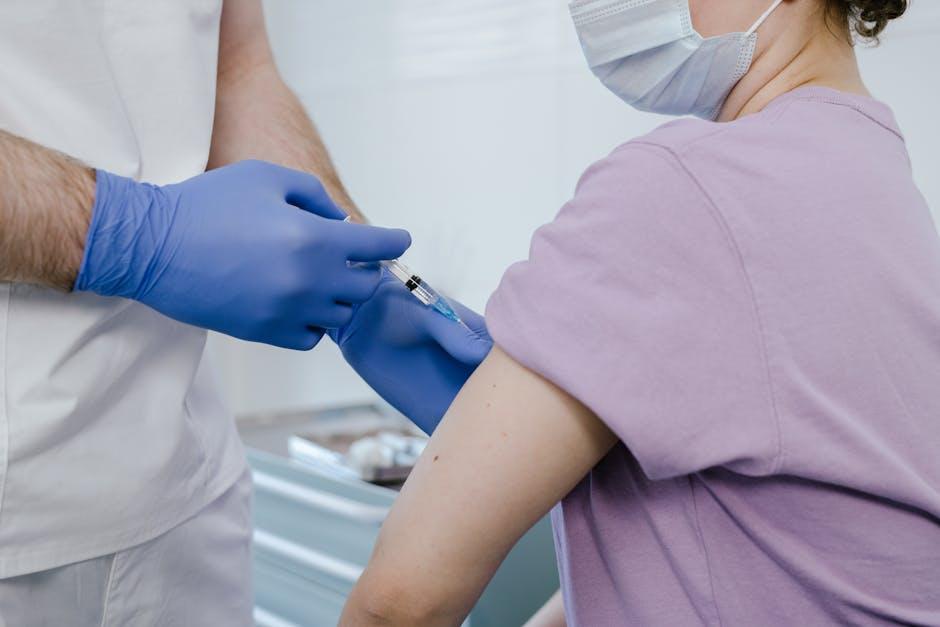
Vaccinations play a critical role in disease prevention,especially against communicable diseases such as influenza,pneumonia,hepatitis,and HPV. The CDC’s immunization schedules guide timing and frequency by age and risk factors.The doctor will review your immunization history and recommend updates as needed.
5. Counseling and Health Promotion
A major component of preventive visits is counseling aimed at promoting healthy behaviors, minimizing risk factors, and addressing psychosocial concerns. Evidence-based advice is provided on:
- Nutrition and physical activity.
- Tobacco and alcohol cessation.
- Mental health: Screening for depression, anxiety, and stress management.
- Sexual and reproductive health.
- Sleep hygiene.
- Medication adherence: For those with chronic conditions.
According to Harvard Health, this counseling is associated with better long-term health outcomes, especially when tailored to the patient’s readiness to change.

6. Personalized Follow-up and Referral
Based on the findings of the visit, your clinician may recommend follow-up testing, want to monitor changes over time, or provide referral to specialists for specific therapies or interventions (such as endocrinology, cardiology, or nutrition). The visit concludes with clear, writen instructions on next steps and when to return for reassessment (Mayo Clinic).
preventive Healthcare Visits Across the Lifespan
Preventive care guidelines vary significantly depending on age, sex, medical, and familial risk factors. Here is an overview of what to expect for different life stages:
infants and Children
Pediatric visits focus on monitoring growth and development,immunizations,screening for congenital and metabolic disorders,and providing anticipatory guidance to caregivers. The CDC emphasizes developmental screenings at key intervals and regular vaccine updates (CDC Vaccine Schedule for children).
Adolescents
Preventive visits for adolescents address puberty, mental health, behavioral risks (such as substance use and sexual activity), academic stress, vaccinations (such as HPV), and counseling regarding nutrition and media use (WHO).
Adults
For healthy adults, preventive healthcare includes regular screening for blood pressure, cholesterol, diabetes, cancers (breast, cervical, prostate, colorectal), and infectious diseases based on risk profile. Counseling on lifestyle modification, reproductive health, and mental wellness are integral. The USPSTF provides detailed, evidence-based recommendations.
Older Adults and Geriatric Care
Older adults require tailored screening for cognitive impairment, osteoporosis, fall risk, functional status, and polypharmacy management. Immunizations against influenza, shingles, and pneumococcal disease are strongly advised. The focus also shifts toward preventing disability and maximizing quality of life.See CDC: Preventive Care for Older Adults.
Benefits and Outcomes of Preventive Healthcare Visits
Extensive research demonstrates that routine preventive care is associated with reduced incidence and mortality from various diseases, improved quality of life, and lower overall healthcare expenditures. Specific benefits include:
- Lower likelihood of advanced disease presentation: Early diagnosis correlates with higher survival rates for diseases such as breast, cervical, and colon cancer (NIH).
- reduced complications and hospital admissions: Proactive management of hypertension and diabetes decreases the risk of strokes, heart attacks, and kidney failure (JAMA).
- Enhanced life expectancy and functionality: Especially among older adults who engage in regular check-ups (NCBI).
- Improved mental health and patient satisfaction: Through early identification and intervention for depression and anxiety (NCBI).
Common Myths and Misconceptions About Preventive Health Visits
Despite overwhelming evidence, several misconceptions persist regarding preventive care:
- “I feel fine, so I don’t need a check-up.” Many chronic conditions lack early symptoms (CDC).
- “All tests are expensive and unnecessary.” Moast screenings are targeted for cost-effectiveness and medical necessity (CDC).
- “Cancer screenings always expose you to harmful radiation.” Most screening protocols use minimal or no radiation (e.g.,Pap smears,fecal occult blood test),and benefits far outweigh risks (American Cancer Society).
Patient education and open communication with healthcare providers is the best way to address concerns and ensure that screening recommendations align with individual values and circumstances.
Maximizing the Value of Your Preventive Visit
To derive the greatest benefit, consider the following proactive strategies:
- Be honest and thorough in sharing your health behaviors and challenges.
- Keep a personal health record to track test results, diagnoses, immunizations, and medications.
- Prioritize follow-up appointments and adhere to care plans.
- Ask questions: Ensure you understand screening intervals,test results,and recommended preventive measures.
The UK NHS also offers a detailed overview on maximizing the value of preventive healthcare for all age groups.
Barriers to Preventive Healthcare—and How to Overcome Them
Despite the clear benefits, multiple barriers can hinder access to preventive care:
- Limited access and affordability (including underinsurance).
- Geographical disparities and transportation challenges.
- Lack of health literacy regarding preventive guidelines.
- Cultural beliefs and stigmas about specific screenings or vaccines.
Programs to expand insurance coverage, telemedicine services, community outreach, and public health education continue to address and mitigate these obstacles (NCBI).
How Often Should You Schedule Preventive Visits?
The recommended frequency for preventive visits depends on age, sex, risk profile, and preexisting conditions. The general recommendations:
- Children: Multiple times during infancy, then annually from school age onwards (CDC).
- Adults: Every 1–2 years for healthy, low-risk individuals, annually for those with chronic illnesses or increased risks (AHRQ).
- Women: Additional gynecological or reproductive screenings as specified by age and risk (ACOG).
your healthcare provider will tailor the frequency based on evolving evidence and individual circumstance.
Preventive Healthcare in the Digital Era
Technology plays an increasingly critically importent role in preventive medicine. The rise of telemedicine, wearable devices, and digital health records facilitates ongoing monitoring and engagement:
- Telehealth visits can supplement in-person care, offering convenient follow-up and remote risk evaluation (CDC: Telehealth).
- Wearable devices enable self-monitoring of vital signs and activity levels, providing real-time data for clinicians (NEJM).
- Digital health platforms enhance patient education, automate reminders, and streamline scheduling.
As healthcare becomes more integrated with technology, patients and clinicians can expect greater personalization and precision in preventive care.
Key Takeaways
- Preventive healthcare visits are critical for early detection, risk reduction, and maintaining optimal health throughout the lifespan.
- Visits are highly individualized, involving history-taking, tailored examinations, evidence-based screening, immunizations, and health counseling.
- Patients are encouraged to be proactive, informed, and engaged in their preventive care protocols.
- Regular preventive visits are scientifically linked to lower disease burden, decreased healthcare costs, and improved wellness outcomes.
- Digital tools and expanded access are transforming the future of preventive medicine.
Conclusion
Regular preventive healthcare visits form the foundation of a healthy life. Whether you are bringing your child for a wellness check, managing risk as a healthy adult, or addressing the complexities of aging, a proactive approach—guided by evidence-based medical standards—can prevent devastating disease sequelae and empower you to take charge of your wellbeing. For more information,speak to your healthcare provider or consult reputable medical resources such as the CDC, WHO, or Mayo clinic.
Committing to preventive visits is not simply about “checking the box”—it’s an ongoing, collaborative journey supporting a healthier, longer, and more vibrant life.
References & Further Reading
- Preventive Healthcare: CDC Brief
- U.S. preventive Services Task Force Guidelines
- WHO: Preventive Health Care
- Mayo Clinic: health Screening tests
- Harvard Health: Why Get a Regular Checkup?