
 blood sugar fluctuations”>
introduction
Prediabetes, a precursor state to type 2 diabetes mellitus (T2DM), is characterized by blood glucose levels that are higher than normal but not yet within the diabetic range. According to the Centers for Disease Control and Prevention (CDC), over one-third of adults in the United States—approximately 98 million peopel—are estimated to have prediabetes, yet more than 80% are unaware of their condition. This silent epidemic presents meaningful risks: without timely intervention, prediabetes can progress into full-blown diabetes, contributing to systemic complications such as cardiovascular disease, renal dysfunction, neuropathy, and increased morbidity and mortality. thus, understanding the signs and clinical manifestations of pre-diabetic blood sugar fluctuations is vital for early detection, preventive interventions, and the reduction of long-term healthcare burdens worldwide.
Understanding Blood Sugar Regulation
Blood glucose, also known as blood sugar, is the body’s primary source of energy.It is tightly regulated by a balance between insulin secretion, hepatic glucose output, and insulin sensitivity in peripheral tissues. After carbohydrate ingestion, blood glucose rises, stimulating the pancreas to secrete insulin, a hormone that facilitates cellular glucose uptake. impaired glucose regulation occurs when insulin sensitivity decreases (insulin resistance) or pancreatic beta-cells cannot secrete sufficient insulin. This imbalance leads to abnormal glycemic patterns, notably in the prandial and fasting states, laying the groundwork for prediabetes and, ultimately, diabetes (source).
Defining Prediabetes: Diagnostic Criteria and Epidemiology
Prediabetes is not a disease but a clinically recognized state of increased risk for developing T2DM. Diagnostic thresholds, as outlined by the World Health Organization (WHO) and American Diabetes Association (ADA), include:
- fasting Plasma Glucose (FPG): 100–125 mg/dL (5.6–6.9 mmol/L)
- Oral Glucose Tolerance Test (OGTT), 2-hour: 140–199 mg/dL (7.8–11.0 mmol/L)
- Hemoglobin A1C: 5.7–6.4%
Globally, the prevalence of prediabetes is climbing, mirroring urbanization, sedentary lifestyles, and nutritional transitions. According to the International Diabetes Federation (IDF Diabetes Atlas, 10th edition), prediabetes affects hundreds of millions worldwide, making early recognition of signs and symptoms a global public health imperative.
Pathophysiology: How Blood Sugar Fluctuates in Prediabetes
Prediabetic blood sugar fluctuations stem from pathological changes at both the cellular and molecular levels. Core mechanisms include:
- Insulin Resistance: Peripheral tissues (primarily skeletal muscle,adipose,and hepatic cells) become less responsive to insulin,requiring greater amounts to facilitate glucose uptake (Nature Reviews Molecular Cell Biology).
- Impaired Insulin Secretion: Beta-cell dysfunction within the pancreatic islets leads to inadequate insulin response after meals.
- Abnormal Hepatic Glucose output: Inappropriate glucose release from the liver, especially during fasting states, further exacerbates hyperglycemia.
these mechanisms result in periods of transient hyperglycemia (prandial spikes) and sometimes reactive hypoglycemia, constituting the typical blood sugar fluctuations seen in prediabetes (PubMed).
why Recognizing Early Signs Matters
Identifying signs of pre-diabetic blood sugar fluctuations allows for strategic lifestyle and pharmacologic interventions that can normalize glycemia, slow disease progression, and prevent multisystem complications.The ADA notes that intensive lifestyle changes—such as dietary modification, physical activity, and weight management—can reduce the conversion rate to diabetes by up to 58% (PubMed).
Common Signs and Symptoms of Pre-Diabetic Blood Sugar Fluctuations
While many individuals with prediabetes remain asymptomatic,subtle clinical signs frequently enough precede overt disease. Recognizing these can facilitate prompt evaluation and early management.
1. Increased Thirst and Polyuria (Excessive Urination)
Hyperglycemia exceeds the renal threshold for glucose reabsorption, leading to osmotic diuresis and increased urinary frequency. This, in turn, results in dehydration and compensatory polydipsia (increased thirst). Episodes are typically milder than in overt diabetes but are significant markers of poor glycemic control. (Mayo Clinic).
2. Fatigue and Lethargy
When blood sugar levels are dysregulated, cells become inefficient at glucose uptake. This cellular “energy starvation” manifests as unexplained fatigue, mental sluggishness, or reduced exercise tolerance, often fluctuating with changes in diet or activity (Harvard Health).
3.Visual Disturbances
Rapid shifts or sustained elevations in blood glucose cause changes in lens hydration, leading to blurred vision. Occasional visual fluctuations, particularly after carbohydrate-rich meals, may signal prediabetic glycemic variability (American Academy of Ophthalmology).
4. Increased Hunger (polyphagia)
Despite normal or excessive caloric intake, cells struggling to utilize glucose may trigger recurrent hunger. This paradoxical appetite elevation may be subtle but is often associated with erratic blood sugar swings, especially in overweight individuals (Medical News Today).
5. Poor Wound Healing and Minor Infections
even in prediabetic states, impaired leukocyte function and subclinical inflammation slow wound healing and predispose individuals to minor skin infections, such as fungal or bacterial episodes—frequently enough noted on the feet, hands, or groin (StatPearls, NCBI Bookshelf).
6. Numbness or Tingling (Prediabetic Neuropathy)
Prolonged glycemic excursions damage peripheral nerves,producing paresthesia (numbness,tingling) mainly in extremities. while more common in diabetes, subclinical neuropathy can be detected in prediabetic individuals, highlighting the need for early screening (Healthline).
7. Skin Changes (Acanthosis Nigricans and Skin Tags)
Acanthosis nigricans presents as hyperpigmented, velvety plaques—frequently enough on the neck, armpits, or groin—and is strongly associated with insulin resistance. The sudden appearance of multiple skin tags may also correlate with abnormal glycemic profiles (NHS).
8. Mood Swings and Irritability
Glycemic instability can influence cerebral glucose availability, resulting in mood changes, irritability, and, in some cases, depressive symptoms.Emerging research highlights the bidirectional relationship between dysglycemia and mental health (JAMA Psychiatry).
9. Morning Headaches and Poor Sleep
Nighttime or early morning hyperglycemia may precipitate headaches or disturb sleep, especially in those with undiagnosed prediabetes or poor metabolic control. Sleep fragmentation, in turn, worsens insulin resistance (NIH).
Less Obvious and Atypical Presentations
Prediabetic blood sugar swings can also present in less obvious ways:
- Reactive Hypoglycemia: Some individuals experience prandial hypoglycemia—low blood sugar episodes that follow high-carbohydrate meals. Symptoms may include shakiness, sweating, dizziness, or palpitations, confusing the clinical picture (Cleveland Clinic).
- Weight Fluctuations: Although weight gain is common, some individuals with increased insulin resistance may paradoxically experience unexplained weight loss due to metabolic inefficiency.
- Frequent Yeast Infections: Elevated blood glucose creates an ideal habitat for Candida species, leading to recurrent genital or oral thrush (CDC).
Risk Factors Associated with Pre-diabetic Glycemic Instability
Certain population subsets face a higher likelihood of prediabetes and are more susceptible to glycemic fluctuations:
- Obesity, especially central (abdominal) adiposity (PMC)
- Family history of diabetes
- Sedentary lifestyle
- Gestational diabetes history
- Polycystic ovary syndrome (PCOS) (NIH)
- Nonalcoholic fatty liver disease (NAFLD)
- Certain medications (e.g.,corticosteroids,antipsychotics)
- Ethnic predisposition (such as African,Hispanic,Asian,Native American descent) (CDC)
Clinicians should maintain a high index of suspicion in these at-risk groups, even in the absence of overt symptoms.
How to monitor Pre-diabetic Blood Sugar Fluctuations
Self-monitoring and structured medical testing are crucial for characterizing glycemic variability in prediabetes:
- Fasting Blood Glucose and A1C Testing: Annual screening for at-risk individuals is recommended by ADA and WHO.
- Continuous Glucose Monitoring (CGM): Though classically reserved for diabetics, CGM can detect otherwise unrecognized fluctuations in high-risk prediabetic patients (PMC).
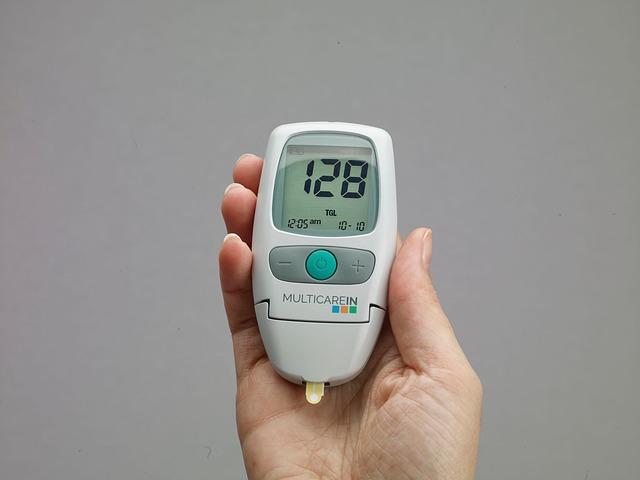
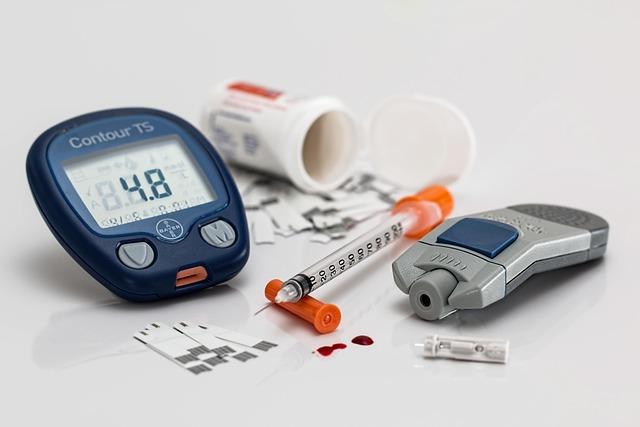
- Home Glucose meters: Spot-checking before and after meals can provide practical insight into daily glycemic responses.
Tracking trends—rather than isolated values—is paramount to understanding glycemic variability and implementing targeted interventions.

Clinical Implications of Undetected pre-Diabetic Blood Sugar Swings
Unrecognized and untreated blood sugar fluctuations in prediabetes can precipitate a cascade of complications, including:
- Cardiovascular Disease: Even at the prediabetic stage, the risk of myocardial infarction, stroke, and peripheral vascular disease is substantially elevated (The Lancet Diabetes & Endocrinology).
- Microvascular Damage: Early retinopathy, nephropathy, and neuropathy may develop before frank diabetes is diagnosed.
- Progression to Type 2 Diabetes: Without intervention, annual conversion rates from prediabetes to diabetes range from 5% to 10% per year (PMC).
- Psycho-social Impact: Chronic fatigue, anxiety from unexplained symptoms, and reduced quality of life can affect work, relationships, and mental health.
Best Practices for Prevention and Management
Timely intervention can stabilize glycemic patterns and halt or reverse the progression of prediabetes.Evidence-based strategies include:
Lifestyle Modification
- Diet: Emphasize whole grains, high-fiber vegetables, lean proteins, and healthy fats. Limit refined sugars and highly processed foods. The Mediterranean and DASH diets have shown efficacy in glycemic control (Harvard Health).
- Physical Activity: Engage in at least 150 minutes per week of moderate-intensity aerobic activity plus strength training, as per CDC guidelines.
- Weight Loss: Modest reductions of 5–10% of body weight improve insulin sensitivity and normalize blood sugar (NIDDK).
Medication
Pharmacologic agents, such as metformin, might potentially be considered for high-risk individuals or those unable to achieve glycemic control with lifestyle modification alone. Pharmacotherapy recommendations can be found in updated ADA guidelines.
Regular Screening and Follow-Up
Routine lab monitoring and follow-ups with healthcare providers enable early detection of glycemic deterioration, facilitating timely escalation of therapy and complication screening (CDC).
When to Seek Professional Help
Individuals exhibiting persistent or unexplained signs—such as marked fatigue, polydipsia, unexplained weight changes, or neurological symptoms—should consult a healthcare professional for evaluation. Early assessment may include lab testing, risk stratification, and multidisciplinary intervention. Delayed diagnosis prolongs exposure to potential complications that may otherwise be preventable (Mayo Clinic).
Patient Education and Empowerment
Empowering patients through accurate education about prediabetic glycemic swings is central to successful prevention strategies. Key educational points include:
- Understanding risk factors and early symptoms
- Recognizing the impact of diet, activity, and weight
- Encouraging engagement with regular glucose monitoring
- Promoting open interaction with medical teams
Validated patient education resources are available via the American Diabetes Association and National Health Service (NHS).
Current Research and Emerging Trends
Ongoing research continues to advance the understanding of early biomarkers and pathophysiological pathways leading to prediabetes.Areas of focus include:
- Genetic and Epigenetic Markers: Advances in genomics and proteomics may help predict risk and inform personalized prevention approaches (PMC).
- Novel Therapies: Investigational drugs and interventions targeting insulin resistance and inflammation are under evaluation in clinical trials (ClinicalTrials.gov).
- digital Health Tools: Smartphone apps and wearable biosensors offer real-time feedback and behavior modification support (JAMA).
Frequently Asked Questions (FAQs)
- Q: Can prediabetes be reversed?
- A: Yes, prediabetes is a reversible condition in many cases through sustained lifestyle changes, medical management, and regular monitoring (Healthline).
- Q: How frequently enough should blood sugar levels be tested?
- A: Frequency varies by individual risk and physician recommendations but usually ranges from annually to quarterly for at-risk or diagnosed prediabetic patients (MedicineNet).
- Q: Are children at risk for prediabetic blood sugar swings?
- A: Yes; the prevalence is increasing in pediatric populations,especially among those with obesity and family history (NIH).
- Q: Does stress impact pre-diabetic blood sugar variability?
- A: Chronic psychological or physiological stress exacerbates insulin resistance and blood sugar fluctuations (Harvard Health).
Conclusion
Prediabetes represents a crucial juncture for intervention—an possibility to avert the irreversible complications of diabetes and preserve long-term health. Recognizing the subtle signs and symptoms of pre-diabetic blood sugar fluctuations is a foundational step for clinicians, patients, and public health stakeholders alike. Through vigilant monitoring, targeted lifestyle intervention, and evidence-based education, it is possible to restore glycemic stability, halt progression to T2DM, and reduce the global burden of metabolic disease. For further guidance or if you have concerns about your own risk, consult a qualified healthcare provider for personalized evaluation and advice.
References
- World Health Organization: diabetes Fact Sheet
- CDC: Prediabetes – Your Chance to Prevent Type 2 Diabetes
- NIH: One in Every Five Adolescents Has prediabetes
- Mayo Clinic: Prediabetes – Symptoms & Causes
- PMC: Pathophysiology of Prediabetes and Early Detection
- Harvard Health: Why Blood Sugar Matters
- JAMA Network
- ClinicalTrials.gov
- PMC: Genetics and Prevention of Prediabetes