
 mental health“>
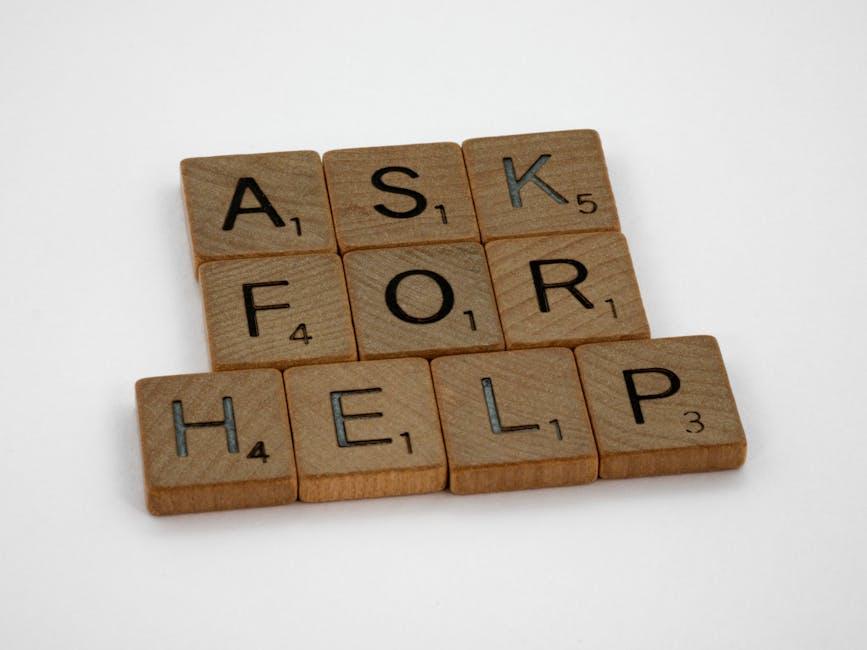
Why It’s Okay to Ask for help Even if You Seem “Fine”
Introduction
In modern society, there is a pervasive expectation that individuals should demonstrate resilience and independence, ofen at the expense of their own well-being. While self-reliance is a valued trait, emerging evidence and current medical consensus strongly support the notion that seeking help—whether for mental health, physical health, or emotional support—is not a sign of weakness but rather an essential component of holistic health.According to the World Health Organization (WHO), mental health is integral to overall health, and proactive help-seeking is a vital strategy for disease prevention, improved prognosis, and enhanced quality of life. Yet, many people who outwardly appear “fine” internally grapple with stress, subclinical symptoms, or invisible conditions that remain unaddressed due to social stigma, fear, or misconceptions. This article explores the science and clinical realities behind why it is not only acceptable, but advisable and lifesaving, to ask for help—even if, on the surface, you seem “fine.”
The Hidden Burden: Understanding Subclinical and Invisible Conditions
Not all health challenges manifest through overt or visible symptoms. Many individuals experience subclinical symptoms—those that do not meet the full diagnostic criteria for a disorder but still impact daily functioning. For example, people with “high-functioning” depression or anxiety may maintain jobs and social lives while battling meaningful internal distress. The DSM-5 and other diagnostic protocols recognize that mental health conditions exist on a spectrum, often remaining invisible to others and even to the individuals themselves.
In addition, chronic illnesses such as diabetes, hypertension, or autoimmune disorders can have fluctuating and subtle presentations; patients may appear outwardly well even as their bodies endure ongoing physiological stress. The mismatch between external appearance and internal experience underscores the importance of proactive support, regular screening, and open interaction with healthcare providers.
The Science of Resilience: why External Composure Can Be Misleading
Resilience refers to the capacity to recover from adversity and maintain functioning under stress. However,the concept of resilience is nuanced. Research conducted at institutions such as NIH highlights that while some individuals “bounce back” quickly from challenges, others mask distress, leading to underreported or unacknowledged health issues that can escalate over time.
This phenomenon, sometimes known as “smiling depression” or “the hidden population,” is supported by studies in JAMA Psychiatry, which document the elevated risk of untreated or under-treated subclinical psychological distress among individuals who appear functional. Without intervention, these hidden burdens may predispose people to adverse outcomes such as chronic disease exacerbation, suicide, or decreased quality of life.
The Role of Social stigma and Self-Stigma
A significant barrier to help-seeking is stigma, both external (from society) and internal (self-stigma). According to the Centers for Disease Control and Prevention (CDC), stigma remains a powerful deterrent, contributing to underutilization of mental and physical health services. Self-stigma occurs when individuals internalize negative societal attitudes, leading to embarrassment or fear of judgment.
People who perceive themselves as “fine” may believe their concerns are not valid or severe enough to warrant attention. This cognitive bias, reinforced by cultural norms, fosters a culture of silence and discourages early intervention—a key factor in favorable outcomes, as stated in Mayo Clinic articles on mental illness.
The Detrimental Effects of Delayed Help-Seeking
delaying help-seeking is associated with numerous negative health outcomes. Early detection and management considerably improve prognosis for both mental and physical illnesses. According to a review in Current Opinion in Psychiatry, delays in seeking treatment are linked to longer illness duration, greater symptom severity, increased healthcare costs, and elevated risk of comorbidities.
- Psychological conditions: For anxiety and depression, early engagement with healthcare services is associated with improved remission rates and decreased relapse, whereas delayed intervention increases risk of chronicity (NCBI).
- Chronic physical illnesses: In conditions like diabetes or hypertension, prompt management reduces risk of complications such as nephropathy or cardiovascular disease (NIH).
The Biopsychosocial Benefits of Asking for Help
The clinical and psychosocial benefits of seeking help—even in the absence of obvious symptoms—are profound. Extensive health is multifactorial, involving biological, psychological, and social determinants. According to the Harvard medical School, social support not only mitigates stress but also improves immune function, cardiovascular outcomes, and overall mortality risk.
Mental Health
Seeking professional or peer support is associated with reduced risk of depression,anxiety,and suicide. A meta-analysis in The Lancet Psychiatry demonstrated a strong correlation between perceived social support and improved mental health outcomes across diverse populations.
Physical health
Individuals who engage in regular health checkups and seek guidance for subtle symptoms have better prevention and management of chronic conditions. According to CDC, early intervention reduces long-term disability and healthcare burden.
Social and Occupational functioning
Help-seeking reduces workplace absenteeism and presenteeism (being physically present but functionally impaired), as supported by research in JAMA.Open communication fosters healthier relationships and improved social integration.
Debunking Myths: When “Fine” Does Not Mean Healthy
| Myth | Medical Reality | Evidence |
|---|---|---|
| “if I look and function fine, I don’t need help.” | Subclinical symptoms can be significant; high-functioning people can still have serious health needs. | NCBI |
| “Only people with severe problems should seek help.” | preventive and early care improves outcomes for everyone,not just those with advanced disorders. | WHO |
| “Seeking help is a sign of weakness.” | Help-seeking is associated with higher resilience, better prognosis, and personal growth. | Healthline |
The Neurobiology of Help-Seeking and Social Support
Modern neuroscience provides further rationale for seeking help, irrespective of perceived wellness. Social connection and help-seeking behaviors activate neural circuitry associated with stress reduction and emotional regulation. Studies outlined in NIH research Matters note that social support increases oxytocin release, which mediates anxiety and modulates cortisol—thereby reducing systemic inflammation and chronic disease risk.
Functional MRI studies reveal that individuals who reach out for support experience heightened activity in regions implicated in emotional processing and resilience. This neuroscience-based understanding reinforces that asking for help is biologically adaptive and confers direct health benefits.
Practical Examples: Recognizing When to Ask for help
Whether “fine” is a self-assessment or an external perception, the following scenarios illustrate when help-seeking is medically justified:
persistent fatigue, headaches, or digestive changes without a known cause (Mayo Clinic)
Emotional numbness, detachment, or loss of interest in favorite activities (NCBI)
Difficulty concentrating, forgetfulness, or work/school performance changes (NHS)
Isolating from friends or family despite no dramatic external stressors (NCBI)
Recurring worries, panic, irritability, or mood swings (Mayo Clinic)

The Stepwise Approach: How to Ask for Help Effectively
Seeking help is a skill that can be developed and refined,regardless of current health status. The Medical News today and Harvard Health provide the following best practices for effective help-seeking:
- Recognize symptoms or concerns early: Track any changes in mood, behavior, physical health, or cognition.
- Identify trusted resources: These may include primary care providers, mental health specialists, support groups, or helplines. The CDC maintains a directory of mental health resources.
- Communicate clearly and directly: Be honest about yoru experiences, even if they seem minor or difficult to articulate.
- Set realistic expectations: Understand that help-seeking is a process and may involve follow-up visits, lifestyle modifications, or referrals to specialists.
- Follow up and advocate for yourself: If initial attempts do not yield desired results, persist and seek second opinions as needed (NHS).
Addressing Barriers: From Awareness to Action
Acknowledging one’s right to seek help, even when “fine,” involves overcoming both systemic and personal barriers.Systemic barriers include limited access to care,especially in underserved communities (NIH Almanac). Personal barriers stem from emotional beliefs, fear of burdening others, or uncertainty about what constitutes a legitimate health concern.
Evidence-based solutions to these barriers include expanding telemedicine,increasing workplace and educational awareness,and promoting public health campaigns targeting stigma reduction. Initiatives by the WHO Mental Health Action Plan and Mayo Clinic focus on empowering populations to access care regardless of symptom severity.
Therapeutic and Preventive Support: What Help Can Look Like
Help is multifaceted and may encompass a range of interventions:
- Medical support: Routine checkups, laboratory screening, and medication management (MedlinePlus)
- Mental health care: Psychotherapy, counseling, cognitive behavioral therapy (CBT), or psychiatric evaluation (Mayo Clinic)
- Social and peer support: Group therapy, peer-led support groups, or informal community networks (Healthline)
- Workplace accommodation: Reasonable adjustments, employee assistance programs, and stress management resources (NCBI)
Accessing these resources before symptoms become severe is a proven strategy for prevention and long-term health maintenance.
Stories from Clinical Practice: The Power of Early Help-Seeking
As healthcare professionals, we frequently observe that individuals who engage with medical or psychological support early, even when they seem outwardly well, achieve better long-term outcomes.Case reports in JAMA Psychiatry and observational studies from The Lancet Psychiatry demonstrate improved resilience, symptom reduction, and faster recovery in patients who do not delay seeking help.
These real-world experiences validate the medical imperative to view help-seeking not as a last resort, but as an integral part of ongoing self-care.
Creating a Culture of Openness in healthcare and Society
Public health efforts must prioritize the normalization of help-seeking behaviors. Health systems, employers, educators, and families all have roles in fostering environments where people can openly discuss vulnerabilities and access services without fear of reprisal. International campaigns led by the WHO World Mental Health Day and national advocacy organizations aim to dismantle barriers and celebrate stories of recovery and support.
Cultural competence in care—tailoring interventions and communication to diverse backgrounds—also plays an vital role in reducing disparities in help-seeking and ensuring equity in health outcomes (CDC Health Equity).
Conclusion
Asking for help, even if you seem “fine,” is not just acceptable—it is recommended, evidence-based, and often lifesaving. Medicine and public health move increasingly toward preventive, patient-centered care, where communication, early detection, and supportive interventions improve both physical and mental health outcomes. By embracing a culture where seeking help is normalized and encouraged, society supports better health, resilience, productivity, and well-being for all.
If you or someone you know is struggling—regardless of how things appear on the outside—reach out to a healthcare provider, counselor, or trusted individual. Remember: no concern is too small,and you deserve support on your journey to optimal health.
References
- World Health Organization: Mental Health strengthening Our Response
- Centers for Disease Control and Prevention: Mental Illness
- NIH Research Matters: Genetic Basis for Resilience to Stress
- Mayo Clinic: Mental Health
- JAMA: Presenteeism—Public Health Hazard
- Harvard Medical School: The Importance of Asking for Help
- NCBI: The Duration of Untreated Illness and the Path to Recovery
- Healthline: Why Asking for Help Is a Strength, Not a weakness
- Medical News Today: How to Ask for Help