
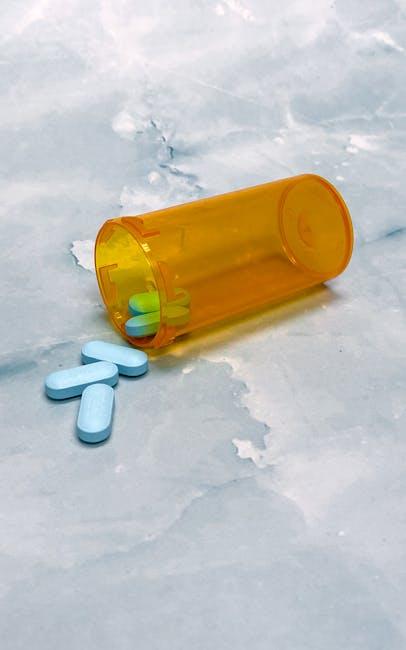

Introduction
In recent years, medication shortages and delays in obtaining essential prescriptions have become increasingly prevalent, impacting patients across the globe. according to the World Health Institution (WHO), drug shortages can compromise clinical outcomes, increase risks of errors, and heighten the burden on healthcare systems. In the United States, the U.S. Food and Drug Administration (FDA) maintains an updated database, wich currently lists ongoing shortages for a wide spectrum of therapeutic classes, from antibiotics to oncology medications.
This situation can provoke anxiety and uncertainty, especially for individuals reliant on chronic therapy or those managing acute illnesses. Understanding the actionable steps to take when your pharmacy cannot fill your prescription is critical for safeguarding your health. This article provides an evidence-based, medically detailed guide to navigating this complex scenario.
Understanding Prescription Fulfillment: Process & Challenges
Most patients assume that presenting a valid prescription at a pharmacy guarantees prompt access to their medication. However, the medication supply chain is multifaceted, involving manufacturers, wholesalers, insurers, regulatory agencies, and the pharmacy itself. Disruptions at any point—such as manufacturing delays, raw material shortages, recalls, or insurance issues—can prevent pharmacies from fulfilling prescriptions in a timely manner (JAMA).
- Manufacturing Issues: Production quality problems or raw material shortages can halt medication availability (FDA Drug Shortage Report).
- Distribution Delays: Logistic disruptions due to weather, geopolitical events, or pandemics may hinder timely transport (CDC).
- Insurance or Formularies: Insurers may not approve or cover certain medications, leading to prescription rejections (Harvard Health).
- Regulatory Actions: Recalls and updated safety guidance may remove products from the market (FDA Recalls).
Common Reasons Your Pharmacy May Not Fill a Prescription
Pinpointing the root cause behind your unfilled prescription is essential for determining actionable next steps. Common scenarios include:
- Medication Shortage: Nationwide or regional unavailability due to increased demand, supply chain disruptions, or manufacturer backorders (NCBI).
- Insurance barriers: Coverage denials, prior authorization requirements, or non-formulary medication requests (Medical News Today).
- Regulatory Restrictions: Schedule or controlled substances might potentially be regulated with quantity limits or dispensing hurdles (DEA Drug Scheduling).
- Prescription Errors: Illegible handwriting, incorrect dosing, or incomplete information may prompt a pharmacy to withhold dispensing (WHO Patient Safety).
- Out-of-Stock/Inventory Issues: Pharmacies may exhaust their supply or not routinely stock certain medications (Healthline).
Immediate Steps When Your Prescription Cannot Be filled
If you learn that your pharmacy cannot fill your prescription, taking systematic steps maximizes your chance of timely, safe access to therapy:
-
Request a Specific Reason
Ask the pharmacist for detailed clarification—whether the issue is insurance denial, stockout, or regulatory restriction. Documentation of the barrier is useful for future communication with your healthcare provider or insurer (Mayo Clinic).
-
Verify with Multiple pharmacies
Nearby chain or self-reliant pharmacies may have different inventories or relationships with distributors. Use online tools or call ahead to check availability (Harvard Health).
-
Contact Your Prescribing clinician
Notify your doctor about the unavailability. They may suggest therapeutic alternatives, write a new prescription for a similar medication, or provide samples if possible (CDC Patient Safety).
-
Appeal Insurance Denials
If the issue is insurance-related, ask your prescriber to submit a prior authorization or appeal on your behalf. Some societies and advocacy groups provide templates and guidance (American medical Association).
-
Explore Mail-Order Pharmacies
Especially for chronic medication, mail-order pharmacies may have broader access to supply. Many insurance plans support this option as well (Healthline).
-
Request Partial Fills or Substitutions
If your medication is partially in stock,ask your pharmacist to provide a partial fill and advise when more will be available.Alternatively, discuss generic or therapeutic substitutes (FDA: generic Drugs).
Image: Navigating Prescription Barriers

case Examples: What Patients Experience
The reality of a delayed or denied prescription extends beyond inconvenience and can result in worsening disease control or acute complications. For example,studies have found that interruption in antihypertensive or insulin supply can lead to uncontrolled blood pressure or hyperglycemia,respectively. Patients experiencing mental health disorders may also deteriorate if antidepressants or antipsychotics are suddenly withheld (JAMA Psychiatry).
Real-world scenarios include:
- Travelers unable to refill prescriptions out of state due to regulatory differences.
- Cancer patients facing chemotherapy delays from drug shortages, affecting prognosis (The Lancet Oncology).
- Children with epilepsy missing critical doses during a supply disruption, precipitating seizures.
Chronic disease Management During Medication Interruptions
Patients with chronic illnesses such as diabetes, hypertension, asthma, heart failure, or autoimmune disorders are particularly vulnerable to adverse outcomes from missed medications. the National Institutes of Health (NIH) emphasizes the importance of early intervention and choice planning in these scenarios.
- Diabetes: Missing insulin or oral hypoglycemic agents can cause rapid glycemic deterioration, increasing the risk for diabetic ketoacidosis or long-term microvascular complications (CDC: Diabetes).
- Hypertension & Heart Disease: Lapses in antihypertensive or antiplatelet therapy may result in myocardial infarction, stroke, or heart failure exacerbation (Mayo Clinic: Hypertension).
- Epilepsy: Missed antiepileptic medication increases the risk for breakthrough seizures and status epilepticus (NCBI: epilepsy).
- Asthma & COPD: interruptions in inhaled or oral medications can precipitate acute exacerbations requiring hospitalization (WHO: Asthma).
If you suffer from a chronic condition, inform your healthcare provider immediately of any delay so alternative short- or long-term strategies can be developed. These may include titrating dosages,switching to a comparable agent,or seeking medication samples.
Communicating Effectively With Your Care Team
effective communication with your healthcare providers and pharmacy staff is essential. When reporting a prescription barrier:
- Bring a written list of all medications, dosages, allergies, and insurance details.
- Document the pharmacy’s feedback on why the prescription was denied or delayed.
- Be specific about your symptoms or any worsening condition due to missed drugs.
- Ask about generic or therapeutic alternatives,and potential interactions if a change is made.
Tip: Request a written action plan for medication management when facing recurring shortages, as recommended by NHS guidelines.
Safe Substitutions: Therapeutic Equivalence & considerations
If your prescribed drug is unavailable, your provider may recommend an equivalent alternative, which could be:
- generic Formulations: These offer the same active ingredient, strength, safety, and efficacy as branded original products (FDA: Generic Drugs).
- Different Brand Names: Some drugs are sold under multiple brands, possibly with varying distribution patterns.
- Therapeutic Substitutes: A drug with a different chemical structure but similar clinical effect can sometimes be used (e.g., using telmisartan rather of losartan for blood pressure control).
Though, substitutions are not always risk-free; slight pharmacokinetic differences or allergies to inactive ingredients may affect tolerability. An in-depth review by your healthcare provider is critical before accepting a substitute (medlineplus).
Legal and Regulatory Protections for Patients
Patients are entitled to certain protections should their access to medications be disrupted. In many jurisdictions, emergency dispensation laws permit pharmacists to provide a limited supply (usually up to 72 hours) of a medication in situations deemed urgent or life-threatening (FDA: Emergency Prescriptions).
- Partial Fills: Particularly with controlled substances, the DEA outlines scenarios where pharmacists may legally dispense partial quantities.
- Out-of-Network & Emergency Coverage: Insurance companies may cover emergency medication at out-of-network pharmacies under certain conditions (CMS).
- Patient Assistance Programs: Pharmaceutical manufacturers, foundations, and government programs provide emergency drug access for eligible patients in crisis (NeedyMeds).
Technological Tools and Resources to Find Medications
Several innovative tools and resources now assist patients in locating and accessing medications:
- Online Medication Finders: Tools such as GoodRx and SingleCare help identify pharmacies with available inventory and the best prices.
- State Health Department Hotlines: Many states maintain public databases for current drug shortage updates and pharmacy inventories (NY State Drug Info).
- Medication tracking Apps: Innovative apps can monitor refill schedules, alert to shortages, and provide up-to-date FDA recall data (Medical news Today).
Special Populations: Pediatric, Geriatric & Rare disease Patients
- Pediatrics: Liquid formulations, chewable tablets, or certain antibiotics may present unique challenges in availability. Compounding pharmacies may be utilized if standard preparations are in shortage (NIH: Pediatric Drug Shortages).
- Geriatric Patients: Older adults may need extended-release or reduced-dose formulations that are not easily substituted; adverse effects from abrupt medication stoppage are more common (Harvard Health).
- Rare or orphan diseases: Access to niche therapies often depends on single-source suppliers and may be further complex by insurance authorization (FDA: orphan Drugs and Shortages).
Planning Ahead: reducing Your Risk of Medication Disruption
Preventive strategies can mitigate the impact of future prescription fulfillment hurdles:
- Maintain Advance Supplies: When possible,keep a buffer stock of critical medications and renew prescriptions slightly ahead of need (CDC: Emergency Prep).
- Monitor National Drug Shortage Lists: Stay aware of any anticipated shortages affecting your medication category (FDA Drug shortages database).
- Establish a Relationship With Your Pharmacist: Pharmacists can provide timely alerts and proactive refilling strategies,especially when alternative options are needed (Healthline).
- Annual Medication Review: Have your medical provider review all drugs yearly for ongoing necessity and available alternatives (NHS).
Frequently Asked questions (FAQs)
| Q: Can pharmacies substitute my medication without asking? | Generally, a pharmacist may only substitute with an equivalent generic unless the prescriber specified otherwise. Therapeutic substitutions require provider consent (Mayo Clinic FAQ). |
| Q: How quickly should I act if a medication cannot be filled? | Immediate action is especially important for chronic, life-sustaining, or critical-need medications to prevent health deterioration (CDC). |
| Q: Is it safe to buy medications online? | Purchase only from accredited, licensed online pharmacies; counterfeit and substandard medications remain a meaningful risk (FDA: Buying Medicine Online). |
| Q: What records should I keep during a medication shortage or denial? | Maintain detailed notes of pharmacy communications, written notifications, insurance correspondences, and any substitute prescriptions (MedlinePlus). |
| Q: What if I experience withdrawal symptoms due to missed medication? | Contact your medical provider or seek urgent care if you experience withdrawal—certain medications (e.g., opioids, antidepressants, antiepileptics) may cause severe complications (NIH: Drug Withdrawal). |
Conclusion
Facing a barrier to prescription fulfillment is not just an inconvenience—it is a public health concern with the potential for serious clinical consequences. Following the steps outlined in this article, staying proactive, and maintaining open communication with healthcare professionals are essential for minimizing risks. For many patients, proper advocacy and timely intervention can mean the difference between optimal disease control and avoidable complications.
For further updates on medication shortages and safe strategies to ensure continual access to therapy, consult regularly with your healthcare team and reputable resources such as the FDA drug Shortages Database or the CDC medication Safety programs.
References
- World Health Organization: Drug Shortages
- FDA: Drug Shortages
- pubmed
- CDC: Keeping Yourself and Others Safe
- Mayo Clinic: Prescription FAQs
- Harvard Health: The Silent Epidemic of Medication Shortages
- Healthline: Drug Shortages
- Medical News Today: Medication Insurance Guide
- JAMA: US Drug Shortages
- NHS: Medicine Shortages