

Introduction
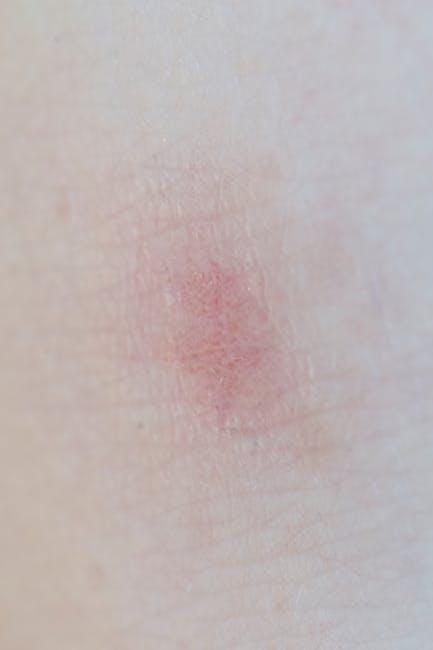
Mild skin rashes are among the most common symptoms prompting individuals to seek medical advice. While many associate rashes with allergic reactions, clinical experience and research show that not all rashes stem from allergies or external irritants. In fact, autoimmune diseases—conditions in which the immune system mistakenly attacks the body’s own tissues—can present with various skin manifestations, often without obvious allergic triggers.
Skin changes such as mild, persistent, or intermittent rashes without identifiable allergens introduce diagnostic challenges, especially when patients lack a history of hypersensitivity reactions.Understanding the underlying causes—including the potential autoimmune etiology of rashes—improves diagnostic accuracy and guides appropriate therapy. This article explores the pathophysiology,epidemiology,and clinical features of non-allergic mild rashes,emphasizing their association with autoimmune disorders,supported by robust scientific evidence.
For clinicians and patients alike, distinguishing between allergic and autoimmune skin rashes is critical for optimal care, as early recognition of underlying systemic diseases can prevent complications and enhance prognosis [mayo Clinic].
Understanding Mild Rash: Medical Definitions and Types
A rash is a visible change in the color, appearance, or texture of the skin. Rashes may present as:
- Erythematous patches (redness with or without scaling)
- Macules (flat, discolored areas)
- Papules (small raised bumps)
- Vesicles or pustules (fluid-filled or pus-filled lesions)
A mild rash is generally defined as non-severe, non-blistering, and not accompanied by intense symptoms such as high fevers, severe pain, or systemic illness [NCBI – Rash Overview].
Rashes are typically classified based on their etiology:
- Allergic/contact: Resulting from exposure to allergens (e.g.,poison ivy,soaps,metals).
- Infectious: Due to bacteria, viruses, fungi, or parasites (e.g., impetigo, chickenpox).
- Autoimmune/inflammatory: Due to immune system dysfunction (e.g., lupus, psoriasis, dermatomyositis).
- Physical/environmental: Caused by heat, sweat, friction, or environmental irritants.
Allergy-Self-reliant rashes: Mechanisms and Triggers
While allergic rashes are mediated by immunologic hypersensitivity (primarily involving IgE antibodies), non-allergic rashes may have myriad mechanisms:
- Autoimmune responses: Immune system targets skin or connective tissue antigens.
- Genetic mutations: Affecting skin barrier or immune surveillance (e.g., atopic dermatitis gene mutations).
- Systemic inflammation: Spill-over of chronic internal inflammation to the skin.
- Vascular dysfunction: Impaired blood flow, vasculitis, or microvascular injury affecting skin perfusion.
- Drug reactions: Non-allergic mechanisms,such as direct toxicity or immune complex deposition.
Notably, many autoimmune and autoinflammatory diseases initially manifest cutaneously—often before full systemic features are evident. Dermatological signs may thus provide crucial early clues to underlying pathology [Harvard Health].
The Immune System and the Skin: An Overview
The skin is not only a physical barrier but also a major immunological organ, containing specialized cells:
- Keratinocytes: Release cytokines and antimicrobial peptides.
- Langerhans cells: Dendritic cells that process and present antigens.
- Dermal dendritic cells and resident T lymphocytes.
This robust cutaneous immune network defends against pathogens but may also participate in autoimmune and inflammatory responses, resulting in skin lesions even in the absence of infectious agents or allergens [NCBI: Skin and the Immune System].
Common Causes of Mild Rash Without Allergy
Several disease categories can produce mild skin rashes without any connection to allergies or external exposures:
- Autoimmune and Autoinflammatory Diseases
- Infections (Non-allergic)
- Drug-induced and Photodermatoses
- Vascular and Connective Tissue Disorders
- Genetic and Metabolic Conditions
In this article, the emphasis is on autoimmune etiologies, while briefly noting other causes for comprehensive differential diagnosis.
Autoimmune Diseases: How They Cause Rash Without Allergy
Autoimmune skin rashes result from the immune system’s attack on self-antigens within the skin or blood vessels. Unlike allergic dermatitis—which is triggered by external agents—autoimmune rashes can occur spontaneously, persist chronically, or fluctuate with disease activity. Mechanisms include:
- Autoantibody formation: Targeting skin components (e.g., epidermal proteins, nuclear antigens).
- Immune complex deposition: Clumping of antibodies and antigens depositing in skin vasculature.
- T-cell mediated cytotoxicity: Direct attack by immune cells.
- Release of inflammatory cytokines: Causing skin cell apoptosis, vascular inflammation, and edema.
These immune processes lead to characteristic, frequently enough diagnostically specific skin eruptions, even when classical allergic triggers are absent [NCBI: Cutaneous Autoimmunity].
Key Autoimmune disorders Presenting With Mild Rash
Systemic Lupus Erythematosus (SLE)
SLE is a prototypical multisystem autoimmune disease with diverse skin manifestations. classic rashes include:
- Malar rash (“butterfly rash”): Erythema over cheeks/nose, often mild, without itching or vesiculation.
- Photosensitive rash: Red, flat/raised areas on sun-exposed skin.
- Discoid lesions: Coin-shaped, scaly patches, sometimes hyperpigmented.
These rashes typically arise independent of allergen contact and are associated with autoantibody positivity (e.g., ANA, anti-dsDNA). Early recognition is critical, as cutaneous lupus may precede systemic involvement [CDC], [Mayo Clinic].
Dermatomyositis
An idiopathic inflammatory myopathy,dermatomyositis combines muscle weakness with distinct skin findings:
- Heliotrope rash: Violet-colored discoloration around the eyes.
- Gottron’s papules: Flat-topped, violaceous papules over knuckles.
- Photosensitive erythema: Rash over sun-exposed areas,frequently enough non-pruritic.
Cutaneous symptoms may occur without muscle symptoms in clinically amyopathic dermatomyositis. The disease involves complement-mediated microangiopathy of skin and muscle [NCBI].
Psoriasis
Psoriasis is a chronic, immune-mediated skin disease marked by:
- Well-demarcated, erythematous plaques with silvery scale (often mild at onset).
- Inverse psoriasis: Smooth, red lesions in skin folds.
- Guttate psoriasis: Small,drop-like spots following infection.
pathogenesis involves T-cell activation, cytokine (IL-17, TNF-alpha) release, and keratinocyte proliferation. Family history and comorbidities (e.g., psoriatic arthritis) are common. No external allergy is required for lesion progress [CDC], [NCBI].
Lichen Planus
This T-cell mediated disease displays:
- Flat-topped, violaceous papules on wrists, ankles, or oral mucosa.
- May itch but commonly appears as a mild rash initially.
Lichen planus is associated with hepatitis C, certain medications, and other autoimmune processes, but not with classical allergens [Mayo Clinic].
Vitiligo
vitiligo is characterized by:
- Localized or widespread depigmented macules or patches due to autoimmune destruction of melanocytes.
While not typically erythematous, vitiligo’s subtle rash-like depigmentation often appears without concurrent allergy symptoms [NHS].
Scleroderma (Systemic Sclerosis)
Features thickened, shiny skin—often initially as mild swelling or faint indurated patches. Systemic variants present with digital or widespread skin involvement, Raynaud phenomenon, and internal organ fibrosis. Caused by autoantibody production and collagen overproduction [NCBI].
Autoimmune Vasculitis
Small-vessel vasculitides (e.g., cutaneous leukocytoclastic vasculitis, Henoch–Schönlein purpura) present as petechiae, palpable purpura, or mild, red maculopapular rashes. These reflect immune complex–mediated vessel injury and inflammation—not allergy [Healthline].
Alopecia Areata and Other Interface Dermatoses
primarily known for patchy hair loss, alopecia areata occasionally features faint erythematous scalp rashes, attributed to immune attack at the follicular interface. Other interface dermatoses include subacute cutaneous lupus and lichen sclerosus [NIAMS].
Epidemiology: How Common Are Autoimmune Rashes?
Autoimmune skin diseases,even though less prevalent than allergic dermatitis,affect millions globally. For example:
- Systemic lupus erythematosus: Prevalence ~1/1000 in women; 70–80% develop skin signs [CDC – Lupus].
- Psoriasis: affects ~2% of populations in Europe and North America [CDC – Psoriasis].
- Dermatomyositis: Incidence 1–10 per million, more common in females and adults [NCBI].
- Lichen planus: Lifetime prevalence 0.5–2% [Mayo Clinic].
- Vitiligo: Prevalence 0.5–2% globally [NHS].
These conditions frequently present with subtle, non-pruritic, or mild rashes—frequently enough overlooked or misdiagnosed as benign or allergic in origin.
Clinical Features Distinguishing Autoimmune and Allergic Rashes
| Clinical Feature | Allergic Rash (e.g., Contact Dermatitis) | Autoimmune Rash |
|---|---|---|
| Onset | Minutes to hours after exposure | Spontaneous or chronic; not linked to exposures |
| Distribution | Limited to site of contact | Characteristic locations (e.g., cheeks, scalp, joints), often bilateral/symmetric |
| Symptoms | Itch (pruritus), burning, sometimes pain | May be painless, mild, or not associated with itch |
| Appearance | Erythema, vesicles/blisters, swelling | Livedo, scaling, depigmentation, papules/plaques, purpura |
| Systemic Features | Rare unless severe | Common (joint pain, fatigue, fever, muscle ache) |
| Allergy Tests | May be positive | Usually negative |
References: NCBI,Medical News Today
Other Non-Allergic Causes of Mild Rash
- Infectious: Viral exanthems (e.g., parvovirus B19, rubella), bacterial (secondary syphilis), or fungal rashes may be mild and nonallergic in origin [CDC].
- Drug reactions: Morbilliform rashes, photosensitivity, and fixed drug eruptions occur without allergy but via toxic/metabolic effects or immune complex deposition [FDA].
- Metabolic/genetic: Conditions such as porphyria cutanea tarda (blistering,mild rash),inborn errors of metabolism,and vitamin deficiencies (pellagra) [NCBI].
- Physical/environmental: Heat rash (miliaria), friction rash (intertrigo), or irritant contact dermatitis [MedlinePlus].

The Diagnostic Approach: When Should You Suspect Autoimmune Disease?
Suspicion for an underlying autoimmune process should rise if:
- Rash is persistent, relapsing, or progressive
- No clear exposure history (no new products, plants, or drugs)
- Associated with systemic symptoms: fatigue, joint pain/swelling, muscle weakness, fevers
- Family history of autoimmune or connective tissue disease
- Laboratory abnormalities: anemia, elevated ESR/CRP, abnormal autoantibody screen
- Unusual distribution or classic morphology (e.g., malar rash, Gottron’s papules, depigmented macules)
A stepwise diagnostic protocol is essential [Mayo Clinic]:
- Detailed clinical history and physical exam
- Comprehensive review of medications and exposures
- Laboratory workup: CBC, ESR/CRP, autoantibodies (ANA, dsDNA, ENA), muscle enzymes, complement levels
- Skin biopsy (histopathology and immunofluorescence)
- Referral to dermatology/rheumatology if systemic features or diagnosis uncertain
Why Early Recognition and Diagnosis Matter
Early identification of autoimmune skin disease:
- Allows timely intervention—disease-modifying therapy can prevent progression to serious systemic or irreversible complications.
- Improves quality of life by controlling cutaneous and extracutaneous symptoms.
- Decreases risk of comorbidities such as cardiovascular disease (especially in psoriasis and SLE) [JAMA Dermatology].
Undiagnosed cutaneous manifestations may delay or misdirect therapy, underlining the importance of considering autoimmune conditions in unexplained mild rashes.
Therapeutic Overview: How Are Autoimmune Rashes Treated?
Treatment varies by disease and severity, but general principles include:
- Topical therapies: corticosteroids, calcineurin inhibitors (tacrolimus), vitamin D analogs, emollients for symptom relief and inflammation [NHS].
- Systemic immunosuppression: Prednisone, methotrexate, azathioprine, mycophenolate, hydroxychloroquine for moderate to severe or multisystem disease [American College of Rheumatology].
- Biologic agents: TNF-alpha inhibitors (infliximab, etanercept), IL-17/IL-23 inhibitors for resistant psoriasis or SLE [FDA].
- trigger avoidance: Sun protection in lupus, minimizing friction or trauma in scleroderma.
supportive measures, psychosocial care, and comorbidity management are also essential components.
when to See a Healthcare Provider
See a doctor promptly if a rash:
- Persists for more than 2 weeks with no advancement
- Is associated with joint pain, muscle ache, fatigue, weight loss, or fever
- Demonstrates spreading, ulceration, or purpura
- Occurs in the setting of known autoimmune disease
- Begins after starting new medications (to rule out drug-induced rash)
- Appears in children or immunosuppressed individuals
Delayed evaluation may increase the risk of complications or irreversible skin damage [medlineplus].
Patient FAQs: Mild Rash Without Allergy
Can stress or hormones cause mild autoimmune-like rashes?
Yes. Both psychological stress and hormonal changes (e.g., puberty, pregnancy, menopause) may unmask or exacerbate autoimmune skin disorders due to immune system modulation [Harvard Health].
Does sun exposure make autoimmune rashes worse?
Photosensitivity is common in certain autoimmune diseases, especially lupus and dermatomyositis. Ultraviolet light can trigger or aggravate rashes in predisposed patients [Lupus foundation].
Can diet influence autoimmune rashes?
Diet alone does not cause or cure autoimmune rashes, but a balanced anti-inflammatory diet may reduce systemic inflammation and support skin health. Gluten sensitivity might potentially be relevant in celiac disease–associated rashes (dermatitis herpetiformis) [medical News Today].
Are autoimmune rashes contagious?
No,autoimmune skin rashes are not contagious. They result from an internal immune process, not infection [NHS].
Summary Table: Key Autoimmune Rashes and Features
| Disorder | Typical Rash | Other features | Allergy Link? |
|---|---|---|---|
| SLE | Malar/Photosensitive rash | Arthralgia,nephritis | No |
| Dermatomyositis | Heliotrope,Gottron’s papules | Muscle weakness | No |
| Psoriasis | Erythematous plaques | Nail changes,arthritis | No |
| Lichen Planus | Violaceous papules | Mucosal involvement | No |
| Vitiligo | Depigmented macules | None | No |
| Scleroderma | Indurated,shiny patches | Raynaud’s,organ fibrosis | No |
Conclusion
Not all mild rashes indicate allergic reactions—autoimmune diseases represent a notable and occasionally overlooked cause.While often subtle and lacking pruritus or clear triggers, autoimmune rashes provide a window into underlying systemic illness. Awareness of their signs, the need for early evaluation, and an individualized diagnostic approach ensure timely intervention.If you experience a persistent rash unexplained by allergies or common irritants—especially with joint pain, fatigue, or systemic symptoms—consult your healthcare provider promptly.
For more information, explore resources from reputable organizations such as the CDC, NHS,NIH, and disease-specific foundations.
References
- Mayo Clinic—Skin Rash
- NCBI—Rash Overview
- Harvard health—Skin and Overall Health
- NCBI—Skin and the Immune System
- NCBI—cutaneous Autoimmunity
- CDC—Lupus Facts
- Mayo Clinic—Lupus
- NCBI—Dermatomyositis
- CDC—Psoriasis
- NCBI—Psoriasis
- Mayo Clinic—Lichen Planus
- NHS—Vitiligo
- NCBI—Scleroderma
- Healthline—Vasculitis Skin Symptoms
- NIAMS—Alopecia Areata
- MedlinePlus—Rashes
- FDA—Drug-Induced Skin Reactions
- JAMA Dermatology—Psoriasis and cardiovascular Disease
- Medical News Today
- Harvard Health—Stress and Skin
- Lupus Foundation—Lupus and Skin