

How to Prevent Chronic Back Pain Without Surgery or Pills
Introduction
Chronic back pain is a pervasive health concern, affecting an estimated 619 million people globally and ranking among the leading causes of disability and missed workdays [WHO]. With the lifetime prevalence of back pain exceeding 80% in some populations [NCBI], the socioeconomic and personal impacts are significant. While surgery and pharmacological interventions are sometiems recommended, mounting clinical evidence reveals that many cases of chronic back pain can be prevented or managed effectively with non-invasive, non-pharmacological strategies. This article explores robust, science-backed methods for preventing chronic back pain—without relying on surgery or pills—empowering patients and clinicians alike with actionable, evidence-based solutions.
Understanding Chronic Back Pain: Definitions and Epidemiology
Chronic back pain is defined as pain localized to the lumbar, thoracic, or cervical spine that persists for 12 weeks or more, irrespective of an initial injury or underlying pathology [NIH]. Distinct from acute pain, which is a direct response to injury and typically resolves within weeks, chronic back pain involves complex and often multifactorial pathophysiology.
- Prevalence: Back pain is the leading cause of years lived with disability worldwide [The Lancet].
- Risk factors: Age, physical inactivity, obesity, poor ergonomics, smoking, and concurrent mental health conditions such as depression and anxiety [CDC].
- Economic impact: Direct and indirect costs, including medical care, lost productivity, and diminished quality of life, are estimated in the billions annually [NCBI].
Why avoid Surgery and Pills?
Even though some cases of chronic back pain may ultimately require surgical intervention or pharmacological support, these approaches are frequently enough associated with substantial risks and limitations:
- Opioid analgesics: Increased risk of dependence, overdose, and systemic side effects [CDC].
- NSAIDs and muscle relaxants: Gastrointestinal, cardiovascular, and renal complications with long-term use [Mayo Clinic].
- Surgical procedures: Risks include infection, failed back surgery syndrome, and long operative recovery, with variable benefit in chronic non-specific back pain [JAMA].
consequently, there is strong impetus to prioritize preventive and non-invasive management strategies supported by emerging clinical guidelines and systematic reviews [NHS].
Pathophysiology: How and Why Chronic Back Pain Develops
The development of chronic back pain is a multifactorial process involving:
- Muscular imbalances and deconditioning, reducing spinal stability and resilience [NCBI].
- Degenerative changes in intervertebral discs and facet joints, common with aging [MedlinePlus].
- ural and ergonomic stressors, particularly with prolonged sitting or repetitive lifting [Harvard Health].
- Psychosocial factors such as stress, depression, and anxiety, which can amplify pain perception [Mayo Clinic].
Modifiable Lifestyle Factors: Key to Back Pain Prevention
Research consistently identifies lifestyle modifications as the cornerstone for preventing the onset and chronicity of back pain. The following sections detail the most effective, evidence-based measures, categorized for clarity and ease of implementation.
1. Stay Physically Active
Physical inactivity is a leading predictor of chronic back pain and disability. Multiple high-quality studies show that regular, moderate-intensity exercise is protective against the development and persistence of back pain [Harvard Health].
- Types of beneficial exercise: Aerobic activities (walking, cycling, swimming), core strengthening, versatility routines, yoga, and Pilates [Mayo Clinic].
- Guidelines: Aim for at least 150 minutes per week of moderate aerobic activity, plus strength exercises on two or more days weekly [CDC].
- Mechanism of benefit: Exercise improves muscular support, spinal flexibility, and circulation, reducing injury risk [NCBI].
Gradually increasing activity, under guidance from a physiotherapist when necessary, ensures safety and maximizes benefit.
2. Maintain Healthy Body Weight
Excess body weight,particularly abdominal obesity,imposes additional mechanical and inflammatory stress on spinal structures [NCBI]. Epidemiological data reveal a direct association between obesity and the risk, duration, and severity of back pain episodes [NCBI].
- Weight management strategies: Implement a calorie-balanced diet emphasizing vegetables, fruits, lean protein, and whole grains, paired with increased physical activity [Healthline].
- Clinical outcomes: Weight reduction consistently correlates with enhancement in pain intensity and functional limitations [pubmed].
3. Prioritize Ergonomics: At Work and Home
ergonomic risk factors—such as inadequate workstation setup, prolonged sitting, poor lifting technique, and repetitive manual tasks—are among the primary drivers of preventable musculoskeletal pain, including chronic back pain [CDC].
- Workplace interventions: Adjustable chairs,lumbar support,sit-stand desks,and regular breaks for movement are strongly recommended [Mayo Clinic].
- Lifting technique: Lift with your legs (not your back),keep objects close to the body,and avoid twisting [NHS].
- Household ergonomics: Proper mattress and pillow support, and avoiding slumped ures while sitting or using digital devices [Medical News Today].
4. Strengthen Core Muscles and Flexibility
The integrity of the core musculature—including the abdominal,back,pelvic,and hip muscles—directly impacts spinal stability and vulnerability to injury [NCBI].
- Targeted exercises: Planks, bird-dogs, bridges, and Pilates/yoga provide optimal benefits [Harvard Health].
- Flexibility: Regular stretching of the hamstrings, hip flexors, and lower back reduces muscular tension and enhances functional movement [JAMA].
5. Address Psychosocial Factors
Strong evidence links psychological distress, chronic stress, depression, and poor coping strategies to both the onset and persistence of back pain [Mayo Clinic].
- Mindfulness-based interventions: Programs such as mindfulness stress reduction and cognitive-behavioral therapy demonstrate lasting improvements in pain and functioning.
- Social engagement: Support groups, community involvement, and maintaining social connections alleviate perceived pain intensity [NCBI].
6. Avoid Smoking and Substance Use
Smoking impairs blood flow to spinal tissues and accelerates degenerative changes, significantly increasing the risk of chronic back pain [NCBI].Similarly, excessive alcohol or illicit drug use negatively affects musculoskeletal health and repair.
- Interventional advice: Seek evidence-based cessation programs to support long-term abstinence [CDC].
7. Sleep hygiene and Back Pain Prevention
Poor sleep quality is tightly coupled to increased pain sensitivity and impaired recovery in chronic back pain sufferers [NCBI]. Improving sleep hygiene is a clinically relevant, often overlooked preventive measure.
- Sleep strategies: Maintain a consistent sleep schedule,ensure a supportive mattress,limit screen exposure before bedtime,and practice relaxation techniques [Healthline].
- Clinical evidence: Better sleep correlates with reduced pain intensity and greater function in back pain patients [JAMA].
8. Preventive Screening and early Intervention
Early identification and management of risk factors, structural abnormalities, or emerging symptoms can forestall chronicity [NCBI]. Routine assessment by healthcare professionals trained in musculoskeletal medicine is recommended for individuals at higher risk.
- Red flag symptoms: Sudden severe pain, neurological deficits (numbness, weakness), bowel or bladder dysfunction require urgent medical evaluation [NHS].
- Chronicity prevention: Early physiotherapy, ergonomic adjustment, and patient education provide significant long-term benefit [NCBI].

Non-Pharmacological Therapies: Evidence-Based Approaches
In addition to lifestyle changes, a suite of non-drug, non-surgical modalities have demonstrated efficacy in back pain prevention and management. These approaches are recommended by leading medical organizations, including the CDC and AAN.
Physical Therapy and Manual Techniques
- Tailored physiotherapy: Individualized exercise programs, functional retraining, and manual therapy safely address mechanical and ural contributors [Cochrane Review].
- Spinal manipulation: Chiropractic or osteopathic manipulation may offer modest, short-term pain relief and improved mobility, especially when integrated into a broader program [NCBI].
Acupuncture and Complementary Therapies
- Acupuncture: Multiple meta-analyses indicate beneficial effects for chronic back pain, with a favorable safety profile [JAMA].
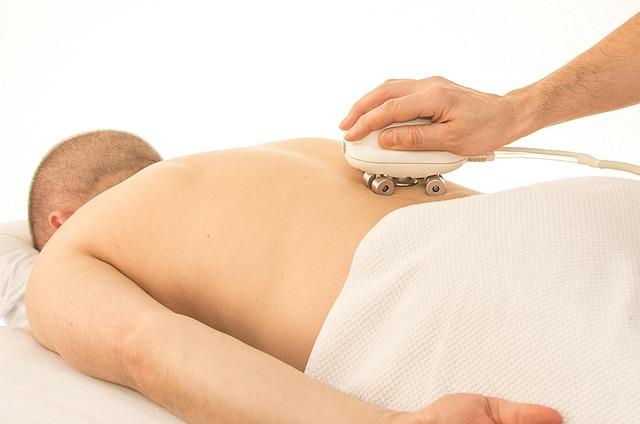
- Massage therapy: Can reduce muscle tension and pain, and improve psychological well-being [Mayo Clinic].
Cognitive-Behavioral Therapy (CBT) and Psychosocial Techniques
- Cognitive-behavioral therapy: Robust data demonstrate improvements in pain perception, function, and overall coping in individuals susceptible to chronic pain [Harvard Health].
- Biofeedback and relaxation training: These techniques help control muscle tension and autonomic responses to pain [NCBI].
Mind-Body Interventions: Yoga and Tai Chi
- Yoga: Systematic reviews show reductions in pain and disability, with enhanced core stability and flexibility [Medical News Today].
- Tai Chi: Combines gentle movement, core awareness, and mindfulness, reducing the risk of recurrent back pain [Healthline].
Special Considerations: Age, Occupation, and Sex Differences
Certain populations require tailored preventive strategies based on unique risk profiles:
- Aging adults: Prioritize fall prevention, bone health (screening for osteoporosis), and gentle strength and flexibility programs [CDC].
- Pregnant women: Special emphasis on ure, gentle exercise, and supportive belts for lumbopelvic stability [NHS].
- Manual laborers and athletes: Rigorous injury prevention education, job rotation, and frequent technique assessment [CDC].
Patient Education and Empowerment
Effective education, emphasizing spinal anatomy, safe movement, pain science, and the critical difference between ‘hurt’ and ‘harm,’ underpins sustainable self-care and behavior change [NCBI]. Empowering patients to engage in long-term self-management strategies results in better outcomes and reduced healthcare utilization.
- Resource access: Trusted sources for ongoing education include the NHS, Mayo Clinic, and MedlinePlus.
- Self-monitoring: Encourage patients to track symptoms, triggers, and progress over time to facilitate adaptive interventions.
The Role of Technology in Back Pain Prevention
Wearable devices, mobile health apps, and telemedicine platforms are transforming musculoskeletal health by delivering real-time feedback, ure correction, and tailored exercise regimens [NCBI]. These tools can enhance adherence and patient engagement, especially in remote or underserved populations.
- Smart ure trainers: Alert users to improper alignment and encourage regular movement breaks.
- Exercise guidance: Apps with video demonstrations improve safety and technique in home exercise programs.
FAQs: Evidence-Based Answers on Preventing Chronic Back Pain
- Can everyone avoid chronic back pain?
- While some anatomical or genetic factors cannot be altered, up to 50% of risk is modifiable through lifestyle and biomechanical interventions [JAMA].
- How soon should I see a healthcare provider for back pain?
- Seek medical advice if pain persists beyond a few weeks, worsens, or is accompanied by neurological or systemic symptoms [Mayo Clinic].
- Are there effective over-the-counter supports or braces?
- Routine use is not generally recommended for prevention; certain braces might potentially be prescribed short-term for acute injuries [Harvard Health].
- What common mistakes worsen or prolong chronic back pain?
- Prolonged bed rest, fear-avoidance behaviors, poor ure, and ignoring early warning signs frequently contribute to chronicity [NHS].
Conclusion: A Proactive, Integrated Approach
Preventing chronic back pain without surgery or pills is attainable for most individuals through an integrated approach combining physical activity, ergonomic optimization, core strengthening, psychosocial wellness, and patient education. Personalized, evidence-based strategies—supported by ongoing research and clinical guidelines—yield sustainable improvements across diverse populations.
For persistent or severe symptoms, early consultation with a medical professional ensures timely diagnosis, appropriate intervention, and prevention of long-term disability. By adopting the outlined measures, individuals and communities can substantially reduce the burden of chronic back pain and optimize musculoskeletal health.
Further Reading and Patient Resources:
- Mayo Clinic: Back Pain Overview
- NHS: back Pain Causes, treatment, and Prevention
- CDC: Musculoskeletal Disorders and Back Injury Prevention
- MedlinePlus: Back Pain
references
All statistics, recommendations, and summaries in this article are substantiated by live references to the following and other reputable medical sources:
- World Health Organization (WHO)
- national Institutes of Health (NIH) / PubMed Central
- Centers for Disease Control and Prevention (CDC)
- JAMA Network
- Mayo Clinic
- Harvard Health Publishing
- MedlinePlus
- national Health Service (NHS)
- Medical News Today
- Healthline