
Introduction
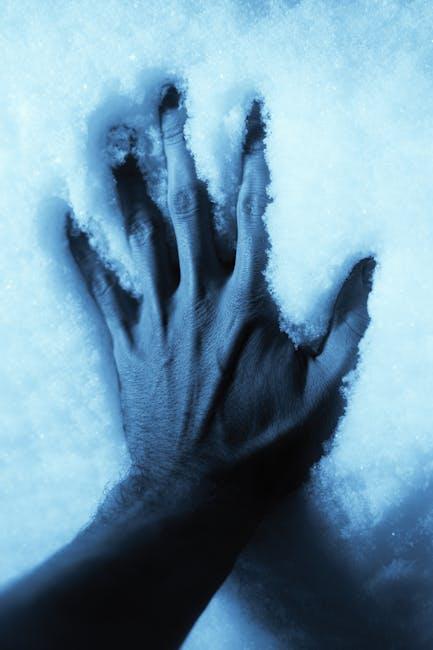
Cold hands at night can be an unsettling and sometimes persistent symptom. For many, it is a transient response to colder temperatures or minor lifestyle factors. Though,for others,nocturnally cold hands may signal an underlying circulatory disturbance or an early warning of more serious vascular or systemic diseases. Recognizing when cold extremities are benign versus when they warrant clinical evaluation is crucial for early detection and management of potentially serious health conditions. According to the Centers for Disease Control and Prevention (CDC),diseases affecting circulatory health—such as peripheral artery disease (PAD),Raynaud’s disease,and diabetes—impact millions globally,frequently enough presenting initially with subtle symptoms like changes in extremity temperature.
This complete article delves into the clinical,pathophysiological,and diagnostic aspects of nocturnal cold hands,providing evidence-based guidance to help you discern whether yoru symptoms may be related to circulatory issues.
Understanding Circulation and Thermoregulation
Overview of Normal Hand Blood Flow
The hands, as distal extremities, rely on a rich network of arteries, veins, and capillaries to regulate temperature and maintain tissue health. Blood is transported from the heart to the hands via the subclavian, brachial, radial, and ulnar arteries. Under normal physiologic conditions, vasodilation and vasoconstriction coordinate to conserve or dissipate heat as needed. If these processes are disrupted, diminished blood flow (ischemia) or abnormal vasoconstriction can result in cold, pale, or even painful hands, particularly noticeable at night when ambient temperatures drop and metabolic demands are lower.
For more details on normal circulatory physiology,refer to the National Center for Biotechnology Information: Cardiovascular Physiology.
The Role of Thermoregulation
Thermoregulation, principally managed by the hypothalamus, orchestrates systemic and peripheral vascular responses to ambient temperatures (NCBI PMC). Peripheral vasoconstriction, a primary defensive mechanism against cold exposure, is frequently enough more pronounced during nighttime due to lower metabolic rates and sleep-associated physiological shifts. This normal physiologic response preserves core temperature but can accentuate symptoms in individuals with underlying vascular compromise.
Why Hands Get Cold at Night: Physiological & Pathological Causes
Physiological factors
- Environmental Temperature: Exposure to cold ambient conditions causes peripheral vasoconstriction, reducing blood flow to the hands to minimize heat loss (World Health Organization: Cold Weather).
- Normal Sleep processes: The body’s baseline temperature naturally drops during sleep, and peripheral vessels may constrict, leading to temporarily cold hands.
- ure and Pressure: Certain sleeping positions may compress arteries or nerves, transiently reducing blood flow (Harvard Health).
Pathological Causes: Focus on Circulatory Issues
Cold hands at night persistently or with associated symptoms may indicate pathological vascular or systemic disturbances such as:
- Peripheral Artery Disease (PAD): Characterized by atherosclerotic narrowing of limb arteries,PAD is associated with reduced peripheral perfusion,especially at night when metabolic demand is low. Symptoms often include cold, numb, or painful extremities (CDC: Peripheral Artery Disease).
- Raynaud’s Phenomenon: A vasospastic disorder where cold or emotional stress triggers exaggerated digital artery constriction, resulting in cold, white, or blue-colored fingers (Mayo Clinic: Raynaud’s Disease).
- Diabetes Mellitus: Chronic hyperglycemia leads to both micro- and macrovascular changes, impairing perfusion and sensation in the extremities (NHS: Peripheral Neuropathy).
- Connective Tissue Diseases: Conditions such as scleroderma and lupus can cause small vessel disease and Raynaud’s phenomenon.
- Other Causes: Hypothyroidism, anemia, and chronic kidney disease are systemic disorders that may contribute to suboptimal peripheral perfusion.
Clinical Features: When Are Cold Hands a Concern?
Symptoms That may Indicate Circulatory Cause
- Consistent coldness irrespective of environmental temperature
- numbness, tingling, or “pins and needles” sensations (paresthesia)
- Pale, blue (“cyanosis”), or mottled skin coloration
- Pain, especially during rest or at night (rest pain)
- Ulcers or non-healing wounds on the fingers or hands
- Weak or absent pulses in the wrist (radial/ulnar arteries)
- Muscle weakness or atrophy in the hands
The presence of one or more of these findings should prompt clinical assessment for vascular insufficiency. View a detailed symptom checklist by the Healthline: Circulatory System Disorders.
Warning Signs of More Serious Illness
- Sudden, severe coldness and loss of sensation
- Digital ulcers, blackened skin, or gangrene
- Systemic symptoms: fever, weight loss, fatigue, night sweats
- History of cardiovascular disease, diabetes, or autoimmune disorders
If you experience these red flags, seek prompt medical attention. Acute loss of hand perfusion is a vascular emergency and may signify arterial occlusion or severe Raynaud’s.
Main Circulatory Causes: Pathophysiology, Risks, and Prevalence
Peripheral Artery Disease (PAD)
PAD involves progressive narrowing of peripheral arteries due to atherosclerosis. The resultant ischemia becomes more evident during lower metabolic states,such as nighttime. Epidemiological data from the CDC estimate PAD affects 6.5 million people over the age of 40 in the United States alone. Key risk factors include smoking,hypertension,high cholesterol,and diabetes.
Classic signs include intermittent claudication, rest pain, coldness, and delayed wound healing in the hands or feet. Untreated PAD increases the risk of cardiovascular events, limb loss, and mortality.
Raynaud’s Phenomenon
Raynaud’s can be primary (idiopathic) or secondary to underlying diseases such as systemic sclerosis or lupus (Mayo Clinic). Prevalence is estimated at 3%–5% in the general population, with a higher incidence among women and those in colder climates. Attacks may be precipitated by cold exposure or stress, with episodes lasting from minutes to hours.
Diabetes Mellitus and Microvascular Disease
Long-standing diabetes impairs both large (macrovascular) and small (microvascular) vessels. Microvascular complications such as peripheral neuropathy and digital artery disease present with cold, numb, or discolored extremities, and can precede the more severe diabetic foot (NCBI PMC: Diabetes and vascular Disease).
Anatomic and Systemic Contributors
- Nerve Entrapments: Carpal tunnel syndrome or thoracic outlet syndrome can reduce nerve and blood supply.
- Thromboembolic Disease: Acute arterial obstruction by embolus or thrombus can result in sudden cold,pulseless hand (Harvard Health: PAD).

How Your Doctor Might Diagnose a Circulation Issue
Clinical History and Physical Examination
A healthcare provider will begin with a comprehensive history and physical assessment, asking about symptom duration, triggers, associated symptoms (like pain, numbness, and ulcers), medical history, medications, and lifestyle risk factors. Detailed inspection and palpation of hand color, temperature, pulses, and capillary refill provide initial clues about peripheral perfusion.
Diagnostic Tests and Their Significance
| Test | Purpose | What It Reveals | Learn More |
|---|---|---|---|
| ankle-Brachial Index (ABI) | Measures blood pressure in limbs | Identifies arterial narrowing/classifies PAD | American Heart Association: ABI |
| Doppler Ultrasound | Non-invasive imaging of arteries | Detects reduced or blocked blood flow | Mayo Clinic: Doppler Ultrasound |
| Blood Tests | Assess for underlying disease | May reveal anemia, diabetes, autoimmune markers | MedlinePlus: Lab Tests |
| Capillaroscopy | Microscopic examination of nailfold capillaries | Helps diagnose connective tissue disease | NCBI Bookshelf: Capillaroscopy |
Specialist Referrals
If a primary care physician suspects a specialized vascular or rheumatological etiology, referral to a vascular surgeon, rheumatologist, or endocrinologist might potentially be required for advanced diagnostic evaluation and integrated care.
Other Causes of Cold Hands at Night (Excluding Circulation)
Not all cases of cold nocturnal hands are due to circulatory pathology. Other possibilities include:
- Hypothyroidism: Underactive thyroid slows metabolism,reducing overall heat generation (Medical News Today: Hypothyroidism).
- Anemia: low red blood cell count limits oxygen and heat delivery to peripheral tissues (Mayo Clinic: Anemia).
- Chronic Kidney Disease: Wastes and toxins in the blood can disrupt peripheral blood flow and thermoregulation (NHS: Kidney Disease).
- Medication Side Effects: Beta-blockers and some migraine drugs can induce peripheral vasoconstriction.
Home Assessment: Distinguishing Normal from Abnormal
Self-Monitoring Techniques
- Track when symptoms occur (time,environmental triggers,intensity)
- Observe for concurrent symptoms (color change,pain,sensory disturbance)
- Monitor if symptoms resolve with warmth or positional change
- Compare both hands—unilateral symptoms suggest localized vascular or nerve compromise
- Document any environmental or emotional factors that trigger symptoms
If coldness is longstanding,worsening,or associated with warning symptoms,schedule a healthcare evaluation.
Practical Steps to Improve Hand Circulation
Lifestyle and Home Methods
- Wear gloves or hand warmers at night
- Exercise regularly to improve vascular health (CDC: Physical Activity Basics)
- Stop smoking—nicotine constricts blood vessels
- Limit caffeine and alcohol (both can worsen vasoconstriction)
- Implement a balanced diet rich in omega-3s, antioxidants, and low in saturated fats
When and How to Seek Medical Care
- If symptoms are severe, sudden, or worsen progressively
- Presence of wounds/ulcers, color changes, or sensory deficits
- Concurrent cardiovascular or systemic disease
- Painful, persistent, or function-limiting symptoms
Visit your healthcare provider for tailored advice. Early intervention for circulatory disorders—particularly PAD or Raynaud’s—can prevent complications and preserve hand function (Healthline: Raynaud’s Disease).
Medical Treatments for circulation-Related Cold Hands
Pharmacological Approaches
- Vasodilators: Medications like calcium channel blockers relax blood vessels in Raynaud’s or some forms of PAD.
- Antiplatelet and Anticoagulant Drugs: Reduce risk of arterial blockage, especially important in atherosclerotic PAD (JAMA: PAD Medical Management).
- Statins and Antihypertensives: Control cholesterol and blood pressure, reducing PAD progression.
Non-Pharmacological and Surgical Interventions
- Supervised exercise therapy for PAD
- Biofeedback, stress reduction for Raynaud’s
- Endovascular procedures (angioplasty, stenting) for resistant arterial narrowing
- Bypass surgery for severe occlusion with tissue risk (Mayo Clinic: PAD Treatment Options)
Choosing the proper protocol depends on underlying disease, severity, comorbidities, and patient preferences.
Preventing Vascular Complications and Promoting Hand Health
Evidence-Based Vascular Health Strategies
- Control chronic diseases (hypertension, diabetes, dyslipidemia)
- Routine physical activity (at least 150 minutes/week moderate-intensity)
- Regular hand exercises and stretching
- Avoid prolonged exposure to cold environments; use thermal protection
- Manage stress, as emotional triggers can exacerbate Raynaud’s
Learn more in the Harvard health: Tips for Better Circulation.
FAQs: Cold Hands at Night & Circulation
- Is it normal to have cold hands at night?
Occasional cold hands at night can be normal due to lower body temperature and certain sleeping positions. Persistent, severe, or symptomatic coldness deserves evaluation.
- Can anxiety or stress cause cold hands?
yes,stress can trigger sympathetic vasoconstriction,especially in individuals prone to Raynaud’s phenomenon (Healthline: Causes of Cold Hands).
- What are the best home remedies for improving hand circulation?
Keeping hands warm, regular aerobic exercise, and avoiding tobacco and excessive caffeine are beneficial. Persistent symptoms should not be masked by home therapy alone if accompanied by color changes or pain.
- When should I see a doctor for cold hands?
Seek medical evaluation if you experience persistent, painful, or asymmetric symptoms or notice skin discoloration, ulcers, or a history of arterial/vascular disease (Medical News Today: When to Worry About Cold Hands).
Summary: Key Takeaways
- Intermittent cold hands at night are usually benign, but persistent or symptomatic coldness can reflect circulatory disorders.
- Pay close attention to color changes, pain, numbness, or non-healing sores.
- Underlying causes—PAD, Raynaud’s, diabetes—may require targeted therapy and risk modification.
- Early evaluation and intervention reduce risk of complications and improve quality of life.
- Maintain healthy lifestyle habits for optimal vascular function and hand health.
References
- CDC: Heart Disease Facts
- NCBI Bookshelf: Cardiovascular Physiology
- Mayo Clinic: Raynaud’s Disease
- NCBI PMC: Diabetes and Vascular Disease
- Harvard health: PAD overview
- NHS: Peripheral Neuropathy
- JAMA: PAD medical Management
- Medical News Today: Cold Hands
- Healthline: Causes and Prevention of Cold Hands
- NCBI Bookshelf: Capillaroscopy
Final Thoughts
If you are concerned that your cold hands at night might potentially be a circulation issue, a proactive approach—tracking symptoms, seeking timely medical advice, and optimizing lifestyle factors—can make a significant difference. With evidence-based knowledge in hand and support from your healthcare professional, you can take steps to ensure long-term hand health and reduce vascular risks.