
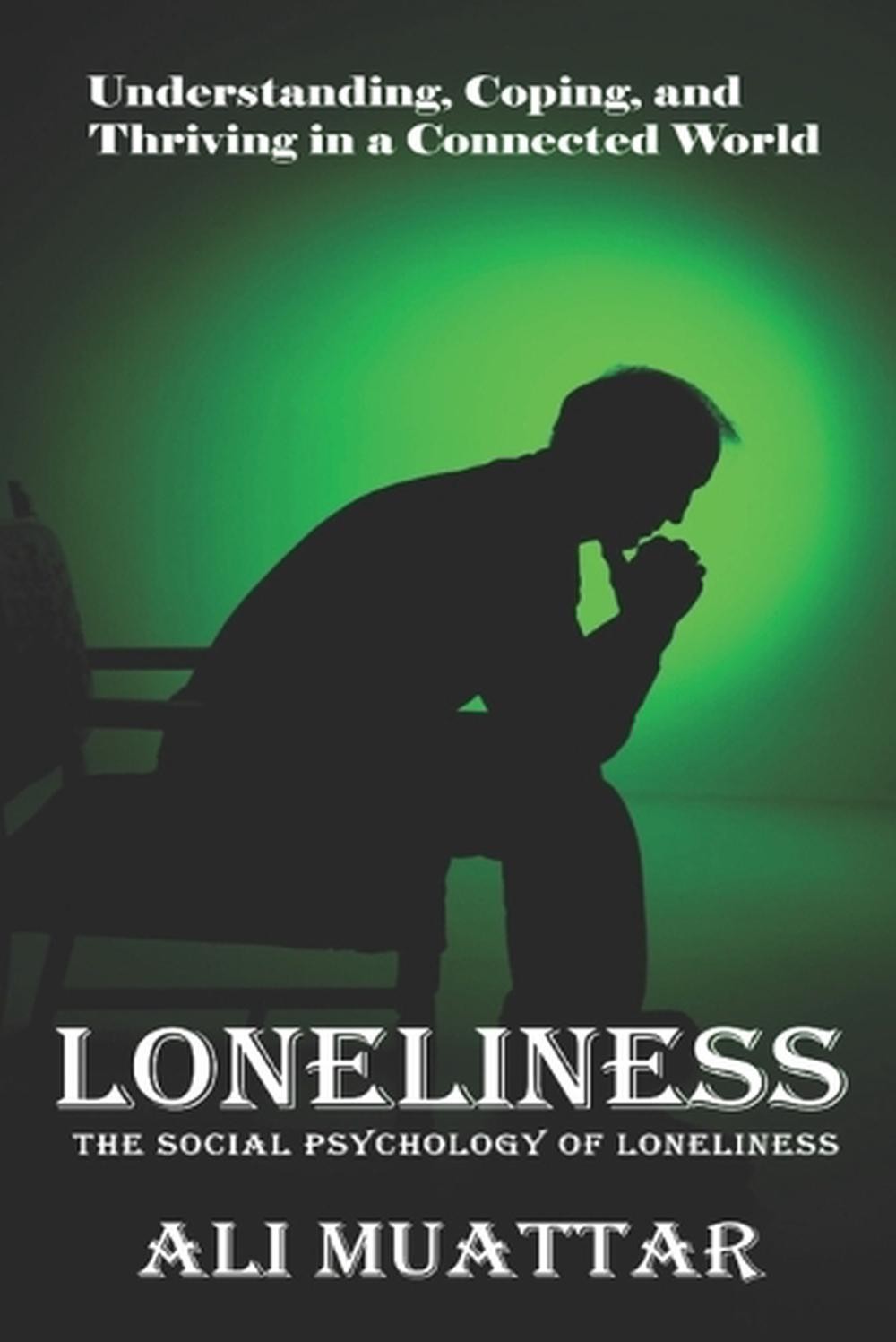

How to Cope With Loneliness in a hyper-Connected World
Introduction
In an era defined by unprecedented digital connectivity, millions of people paradoxically report feeling lonelier than ever before. The U.S. Centers for Disease Control and Prevention (CDC) and the World Health organization (WHO) both recognize loneliness and social isolation as emerging public health concerns, linked with meaningful risks to physical and mental health.Despite the proliferation of social media and networking platforms, the gap between digital interaction and genuine social connection is increasingly apparent. The effects of loneliness are not only emotional but have far-reaching implications for morbidity and mortality across the lifespan.
This comprehensive article explores the definition, causes, and clinical consequences of loneliness, examines the paradox of hyper-connectivity, and provides evidence-based strategies for coping. It synthesizes current scientific research and expert guidelines to offer actionable advice for individuals and healthcare providers alike.
Understanding Loneliness: Definitions and Dimensions
Defining Loneliness
Loneliness is not simply the state of being alone. Medical literature defines loneliness as a “subjective, distressing experience that arises when there is a discrepancy between an individual’s desired and actual social relationships” (Cacioppo & Cacioppo, 2014). It must be distinguished from social isolation, which is the objective lack of social contacts or interactions.
Types of Loneliness
- Emotional Loneliness: The absence of a close emotional attachment, such as a partner or confidant.
- Social Loneliness: The lack of a broader social network of friends, colleagues, or community.
- Existential Loneliness: A more profound, sometimes philosophical sense of feeling disconnected from the world or life’s meaning (Harvard Health).
Epidemiology: How Widespread Is Loneliness?
Loneliness is a cross-cultural phenomenon affecting all age groups. In a landmark 2020 survey, more than 60% of U.S. adults reported feeling lonely at least some of the time (Cigna U.S. Loneliness Index). Internationally, the prevalence is similarly high, especially among young adults, older adults, and individuals with chronic diseases (JAMA Internal Medicine).
Recent events such as the COVID-19 pandemic have amplified the problem, with prolonged periods of physical distancing exacerbating social isolation and its aftermath (National Institutes of Health).
The Health Impact of Loneliness
Physical consequences
Mounting evidence implicates loneliness in the pathophysiology of multiple chronic illnesses:
- Cardiovascular Disease: Lonely individuals exhibit a higher risk for hypertension, coronary heart disease, and stroke, potentially due to increased sympathetic nervous system activity and inflammatory mediators (PubMed).
- Immune Dysfunction: Loneliness correlates with elevated levels of pro-inflammatory cytokines and disrupted immune responses (NIH).
- Increased Mortality: Meta-analyses demonstrate that social isolation and loneliness raise all-cause mortality risk by 26-32% (PLOS medicine).
Mental Health and loneliness
There are marked associations between loneliness and common psychiatric disorders:
- Depression: Loneliness is a robust predictor and perpetuator of major depressive disorder and depressive symptomatology (Mayo Clinic).
- Anxiety and Stress-Related disorders: Feelings of loneliness are associated with increased anxiety,social phobia,and heightened stress reactions (NHS).
- Cognitive Decline: Persistent loneliness increases the risk of cognitive impairment and dementia in older adults (The Lancet Psychiatry).
The Paradox of the Hyper-connected World
Digital Connectivity: Boon or Bane?
Despite being surrounded by digital channels-messaging,video calls,social media-many individuals report a persistent sense of disconnection or superficiality in their interactions. Several studies illustrate that while online platforms offer convenient avenues for communication, they are not always substitutes for meaningful, face-to-face contact (Medical News Today).
Heavy social media use, especially passive consumption (scrolling rather than interacting), has been linked to higher rates of loneliness and depressive symptoms (Harvard Health Blog). Algorithms that highlight curated, idealized portrayals of others’ lives may intensify feelings of exclusion and loneliness.
Conversely, digital tools can be harnessed for social good, enabling the maintenance of family ties, support networks, and shared interest communities, especially when in-person options are not possible.
Modern Social Structures Contributing to Loneliness
Contemporary societies are increasingly urbanized, transient, and individualized. Workforce mobility, smaller households, and remote work alter conventional support systems. For many, the pace of modern life leaves little time for nurturing deep relationships (NCBI).
Risk Factors and Vulnerable populations
While loneliness can affect anyone, certain groups are disproportionately at risk:
- Older Adults: Retirement, bereavement, and declining mobility each contribute to isolation (CDC).
- Young Adults and Adolescents: Even though more digitally connected, high rates of loneliness are reported due to social comparison and unstable life transitions (Healthline).
- Individuals with Chronic Illness or Disabilities: Physical limitations and stigma heighten the risk of social withdrawal.
- Minority and Marginalized Groups: Experiences of discrimination, exclusion, or immigrant status can contribute to chronic loneliness (NCBI).
Recognizing the Signs and Symptoms of Loneliness
As loneliness is subjectively experienced, it may not always be apparent to others or easily self-identified.common signs and symptoms include:
- Persistent feelings of sadness or emptiness
- Loss of interest in social activities formerly enjoyed
- Difficulty forming or maintaining relationships
- Sleep disturbances and changes in appetite
- Difficulty concentrating
- physical symptoms such as headaches or fatigue (Healthline)
Assessment tools such as the UCLA Loneliness Scale and De Jong Gierveld Loneliness Scale are used in both research and clinical environments (NCBI).
Evidence-Based Strategies for Coping With Loneliness
1. Recognize and Accept Loneliness
Acknowledging feelings of loneliness is a crucial initial step. Suppressing or denying loneliness may exacerbate distress and hinder attempts to resolve it. Therapeutic approaches such as cognitive behavioral therapy (CBT) are effective in helping individuals reframe negative thought patterns associated with social withdrawal (JAMA Network Open).
2. Prioritize Quality Over Quantity in Relationships
Meaningful social connections provide greater protection against loneliness than the sheer number of social contacts. Deepening existing relationships,nurturing trust,and enhancing intimacy foster a sense of belonging. Scheduled, regular catch-ups or honest conversations are more protective than intermittent or superficial engagements (Harvard Health).
3. Actively Engage in Community Life
Community involvement promotes social integration and reduces isolation. Joining clubs, volunteering, faith groups, or classes aligned with personal interests offers avenues for purposeful socialization. Studies have shown that acts of altruism-such as volunteering-can lower loneliness and foster a stronger sense of purpose (NCBI).
4. use Technology Intentionally
Technology should be leveraged to complement, not replace, real-world interaction. Video calls, online group activities, and social networks can support connection, particularly for those with mobility or geographical barriers. Crucially, time spent on digital platforms should favor active, two-way communication-such as messaging, video chat, or group discussions-over passive scrolling (Health.com).
5. Foster Emotional Literacy and Social Skills
Some individuals experience loneliness due to deficits in social skills or difficulties with emotional expression. Psychoeducation, support groups, or skill-building workshops can improve empathy, communication, and relationship-building abilities (Mayo Clinic).
6. Engage in Meaningful Activities
Purposeful, enjoyable activities-such as creative arts, sports, or learning-stimulate endorphins and provide opportunities for positive social engagement. Pursuing hobbies or lifelong learning helps lessen the perception of loneliness by creating routine and fulfillment (Psychology Today).
7. Consider Professional Support
If feelings of loneliness persist or severely impact daily functioning, seeking help from a mental health professional is essential. Psychotherapy, medication for co-morbid depression or anxiety, and support groups are accessible and effective interventions (NHS).

Promoting Resilience and Social Well-Being Across the Lifespan
Children, Adolescents, and Students
Schools and universities play a significant role in promoting social connectedness. Anti-bullying campaigns, mentorship programs, peer support systems, and extracurricular activities can mitigate isolation among students (CDC: Youth Development). Educators and parents should be alert to sudden behavioral changes and foster open communication.
Midlife Adults
Changes such as career transitions, divorce, or empty nesting create new vulnerabilities for loneliness. Active participation in community or professional groups and maintaining personal interests and fitness can help protect mental health and well-being (Mayo Clinic).
Older Adults
In later life,structural and health-related barriers can limit social opportunities. Solutions include neighborhood watch schemes,telephone befriending services,senior centers,and intergenerational activities (WHO). Regular medical check-ups are also recommended to address health-related contributors to isolation.
Role of Healthcare Providers and Policymakers
Screening and Early Identification
Routine screening for loneliness, especially in primary care or geriatric clinics, allows for timely intervention. The JAMA Network advocates for integrating psychosocial assessments into standard clinical protocols.
Integrated Care Models
Multidisciplinary approaches, including primary care, behavioral health, and social services, are most effective for addressing the multifactorial nature of loneliness. Care navigators or case managers can connect at-risk individuals with appropriate medical and community resources (Harvard Health).
Public Policy and Social Infrastructure
Governments and municipalities should prioritize infrastructure that fosters social engagement: accessible public transportation, safe communal spaces, investment in digital literacy and inclusion for all ages, and support for community organizations (The Lancet). The U.K. example of appointing a “Minister for Loneliness” underscores government recognition of this public health issue (BBC News).
Summary Table: Key Strategies to Address Loneliness
| Strategy | Implementation Tips | Evidence Base |
|---|---|---|
| Quality Social Connections | Foster a few deep, meaningful relationships | JAMA Network |
| Active Community Participation | Join clubs, classes, volunteer groups | NCBI |
| Intentional Technology Use | Prioritize video calls, active chats, purposeful online communities | Harvard Health |
| Mental Health Support | Seek counseling, support groups, or psychotherapy if needed | NHS |
| Meaningful Activity Engagement | Pursue new hobbies, creative arts, physical activity | Psychology Today |
Frequently Asked Questions (FAQ)
Can digital relationships replace face-to-face interactions?
While technology can definitely help individuals stay connected, face-to-face interactions generally provide richer emotional experience and stronger wellbeing benefits (Harvard Health).
When should someone seek professional help for loneliness?
If loneliness persists for several weeks or leads to symptoms such as depression, anxiety, or difficulties in daily life, consulting a healthcare provider or mental health professional is strongly advised (Mayo Clinic).
What role does exercise play in combating loneliness?
Regular physical activity improves mood, reduces stress, and creates opportunities for social connection, all of which help mitigate loneliness (CDC).
Conclusion
Loneliness is a complex,multidimensional phenomenon with significant consequences for health and well-being. In a hyper-connected world, addressing loneliness requires mindful engagement, personal resilience, supportive policy initiatives, and accessible healthcare resources. By combining practical strategies with clinical interventions, individuals and communities can foster meaningful connections and mitigate the health risks posed by chronic loneliness.
For more guidance, speak with a healthcare professional or refer to the resources provided by national mental health organizations.