

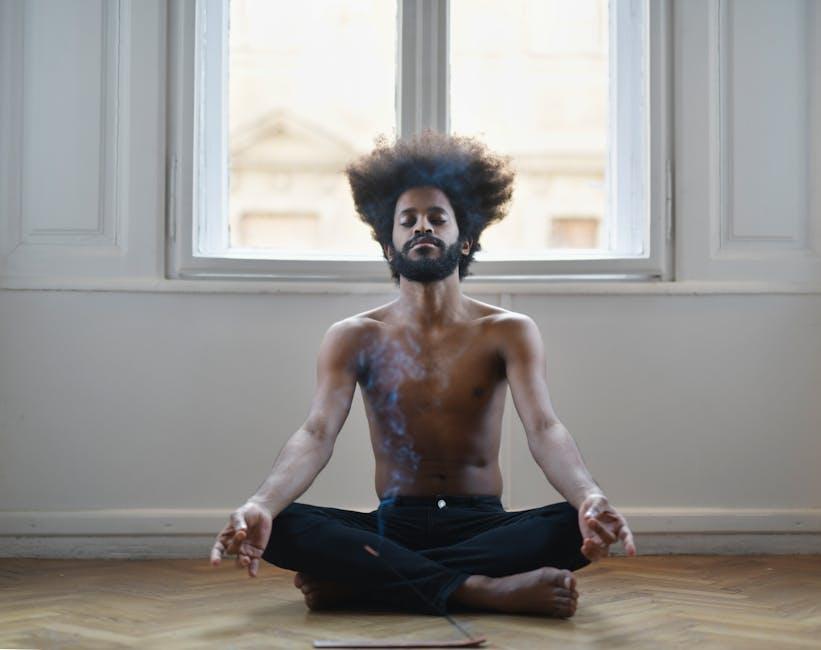
Introduction
The intersection between mental well-being, sexual health, and emotional regulation remains a critical subject in both primary care and public discourse. In men, issues such as reduced libido and impaired emotional control are not uncommon, frequently coexisting with stress-related disorders, cardiovascular disease, depression, and anxiety. According to the World Health Association (WHO), over 264 million people globally suffer from depression, with a notable proportion reporting sexual dysfunction and emotional disturbances.
Recent years have witnessed a surge in interest regarding lifestyle-based interventions for holistic health, including meditation.Meditation—a centuries-old practice encompassing mindfulness, focused breathing, and contemplative exercises—has gained mainstream medical attention for its purported benefits in improving psychological resilience, autonomic balance, and sexual satisfaction. This complete review evaluates the scientific evidence to answer the question: Can meditation improve men’s libido and emotional control?
Understanding Men’s Libido and Emotional Control: Clinical Relevance
Epidemiology and Impact of Male Sexual Dysfunction
Libido, or sexual desire, is influenced by a multifaceted interplay of neuroendocrine, psychological, and relational factors.According to the National Institutes of Health (NIH), up to 52% of men aged 40–70 report some form of sexual dysfunction, with low libido comprising about 15% of cases. This prevalence increases in populations with chronic health conditions, psychological distress, or exposure to psychosocial stressors.
Male hypoactive sexual desire disorder (HSDD) can impair intimate relationships, self-esteem, and overall quality of life. The etiopathogenesis is complex, involving dysregulation in sex hormones (notably testosterone and dopamine), chronic stress, anxiety, and social or occupational pressures.
Emotional Control in Men: Pathophysiology and Health Outcomes
Emotional control—defined as the ability to recognize, experience, and manage emotional responses—modulates interpersonal behaviors, impulse regulation, and long-term health outcomes. Poor emotional regulation is strongly associated with increased risks of depression, substance abuse, cardiovascular disease, and sexual dysfunction, as outlined in a JAMA Psychiatry study.
Poor emotional health can manifest through irritability, anxiety, or emotional numbing, further diminishing libido and overall life satisfaction.
Mechanistic Links: How Meditation May Influence Libido and Emotional Regulation
Neurobiological Basis of Meditation
Meditation activates and remodels brain regions involved with attention,emotion processing,and autonomic control. Functional MRI studies summarized by Harvard Health show increased cortical thickness in areas such as the prefrontal cortex and insula—regions associated with emotional regulation, executive function, and interoceptive awareness.
Furthermore, meditation modulates the hypothalamic-pituitary-adrenal (HPA) axis, reducing cortisol production and enhancing parasympathetic tone. This neuroendocrine shift is believed to mitigate negative stress responses and improve both mood and sexual function.
Psycho-Endocrine Interactions
Testosterone, dopamine, and serotonergic signaling are paramount in regulating libido.Chronic stress and poor emotional control are linked to dysregulated cortisol and reduced testosterone synthesis, diminishing sexual desire. Mindfulness and meditation have been shown in randomized controlled trials to lower stress biomarkers, promote neuroplasticity, and possibly balance hormonal milieus conducive to sexual and emotional well-being.
By improving self-awareness and emotional resilience, meditation may attenuate maladaptive thought patterns and affective disorders that frequently enough underlie impaired libido.
Meditation and Men’s Sexual Health: Scientific Evidence
Clinical Studies on Meditation and Libido
The link between meditation and improved libido in men has garnered increasing scholarly attention. Several randomized clinical trials and observational studies substantiate the positive impact of mindfulness-based interventions (MBIs) on sexual desire and satisfaction.
A systematic review published in the journal Frontiers in Psychology found that MBIs significantly improved sexual desire, arousal, and satisfaction among participants with pre-existing sexual dysfunction, including men. Improvements are theorized to stem from mindfulness-enhanced attentional control, reduced performance anxiety, and better emotional presence during sexual activity.
Another study in The Lancet reported that participants practicing mindfulness meditation exhibited improved partner intimacy and greater confidence, both of which are critical predictors of increased libido.
Meditation and Erectile Function
Erectile difficulties frequently accompany diminished libido,often exacerbated by psychological stressors.Data from a NIH randomized trial demonstrate improvements in erectile function linked to reduced distress, increased emotional well-being, and decreased intrusive thoughts following mindfulness training.
While meditation is not a replacement for pharmacological interventions in organic erectile dysfunction, it may serve as a valuable adjunct, particularly where psychological or situational factors predominate.
Summary of Evidence Table: Meditation and Sexual Health
| Study/Source | Sample | Intervention | Key Outcomes |
|---|---|---|---|
| Frontiers in Psychology (2019) | 194 (mixed gender, incl. men) | 8-week MBI | Improved desire, arousal, satisfaction |
| JAMA Psychiatry (2018) | 112 men | 6-week meditation | Reduced depressive symptoms, improved sexual function |
| NIH Study (2020) | 63 men with ED | Mindfulness-based stress reduction (MBSR) | Improved erectile function, decreased distress |
Meditation as a Tool for Emotional Control: Evidence and Request
Emotional Regulation Model and Mindfulness
Emotion regulation encompasses processes by which individuals influence their emotional experiences, expressions, and responses to environmental demands. Deficits in emotional regulation are hallmarks of several psychiatric conditions, including depression, anxiety disorders, and -traumatic stress disorder (PTSD), all of which are more prevalent in men who avoid help-seeking due to societal stigma (as discussed by the CDC).
Mindfulness-based therapies, such as Mindfulness-Based Cognitive therapy (MBCT) and mindfulness-Based Stress Reduction (MBSR), have demonstrated efficacy in restructuring cognitive reactivity and improving emotional awareness and acceptance, per a meta-analysis published in Medical News Today.
mechanisms in Emotional Regulation
Mechanistically, meditation enhances prefrontal cortex activity and connectivity with the amygdala, modulating emotional reactivity and improving inhibitory control. This neurocognitive adaptation allows for more adaptive coping strategies and reduced impulsivity in the face of emotional challenges. Moreover, meditation practices downregulate limbic system hyperactivity, directly impacting mood and affective stability (NIH PMC).
Evidence for Long-Term Emotional Benefits
A longitudinal study by Harvard Medical School observed that regular meditation was associated with sustained improvements in self-reported emotional control, reduced rumination, and greater resilience to acute stressors in individuals aged 30–65, including a ample male subset.
In populations at risk for high emotional volatility—such as men experiencing workplace stress, trauma, or relational conflicts—meditation was shown to buffer against emotional lability, improve interpersonal relationships, and reduce the risk of developing stress-related disorders.

Intersection: Sexual and Emotional Health in Men
How Emotional Control Impacts Libido
The bidirectional relationship between emotional dysregulation and poor libido is well documented. Chronic anxiety,depressive symptoms,and maladaptive coping strategies can impair sexual initiation,arousal,and satisfaction,leading to a cycle of avoidance and reduced sexual motivation (Mayo Clinic).
Men with greater emotional awareness—cultivated through meditation—are better equipped to communicate needs, manage relational stress, and remain emotionally present during intimacy, all of which positively reinforce sexual desire and performance.
Stress, Lifestyle, and Sexual Well-being
Modern lifestyles, characterized by occupational pressures, financial stress, and digital fatigue, contribute to rising rates of male sexual dysfunction and emotional disorders. Meditation, as a lifestyle intervention, offers a non-pharmacological means to restore autonomic balance, enhance mood, and support sexual well-being, as demonstrated by the NIH.
- Reduced Allostatic Load: Meditation counteracts the physiological burden of chronic stress, restoring hormonal and cardiovascular homeostasis.
- Enhanced Self-Concept: By fostering self-acceptance and mental clarity,meditation mitigates shame,guilt,or fear surrounding sexual intimacy.
- Improved Relational Dynamics: Emotional regulation supports empathic communication, resolving conflicts that might otherwise dampen libido.
Popular Meditation Techniques for Men’s Health
Mindfulness Meditation
Emphasizes non-judgmental attention to present experience. Evidence points to reductions in anxiety,improvement in mood,and enhanced processing of sexual and emotional cues (Mayo Clinic).
Focused Attention and Breath Awareness
Trains attention on chosen stimuli (e.g., breath, mantras).Associated with improvements in autonomic regulation and reduction of performance anxiety in both sexual and social interactions (Healthline).
Body Scan and Progressive Relaxation
Increases interoceptive awareness, encouraging deeper connection between physical sensations and emotional states. Useful for men with psychosomatic symptoms of emotional or sexual dysfunction (NHS UK).
Loving-Kindness and Compassion Meditation
Fosters empathy and emotional warmth, improving relational intimacy and decreasing interpersonal conflict, indirectly supporting libido and emotional stability (PubMed).
Clinical Considerations: Contraindications, Limitations, and Integrating Meditation into Men’s Health Care
Contraindications and Precautions
While generally safe, meditation may provoke distressing experiences in individuals with severe trauma histories or untreated psychiatric conditions (e.g.,psychosis). A systematic review in BMC Complementary and Choice Medicine advises careful screening of high-risk subsets prior to beginning intensive meditation regimens.
- Men with active suicidality or psychotic symptoms should consult mental health professionals before undertaking self-guided practice.
- Meditation is not a substitute for evidence-based medical or psychotherapeutic interventions in pathological sexual dysfunction or mood disorders.
Limitations of Current Research
The majority of published studies are limited by small sample sizes, short follow-up periods, and heterogeneous populations. Longitudinal, large-scale randomized controlled trials are necessary for robust, generalizable conclusions.
Additionally, meditation’s efficacy varies based on the modality used, participant engagement, and co-existing health conditions (NCCIH).
Integrating Meditation into Holistic Men’s Health Protocols
Healthcare professionals are increasingly recommending meditation as a complementary approach in comprehensive men’s health care. best practices include:
- Coordinating meditation with other lifestyle modifications (physical activity, balanced nutrition, adequate sleep).
- Incorporating mindfulness or meditation education into primary care or sexual health consultations.
- Screening for contraindications and monitoring progress in partnership with medical and psychological care teams.
Frequently Asked Questions (FAQs)
Can meditation replace pharmacological treatments for low libido?
No. Meditation is a supportive therapy. In cases of medical hypogonadism, significant depression, or organic erectile dysfunction, standard medical interventions remain essential (Mayo Clinic).
How long before meditation improves libido or emotional stability?
Benefits are typically observed after 4 to 8 weeks of consistent daily practice, but individual response varies based on baseline health, meditation style, and engagement (Healthline).
Are ther risks associated with meditation?
For most men, meditation is safe. Those with severe or unstable mental health symptoms should seek guidance from qualified providers before beginning intensive practice (NHS UK).
Conclusion
Meditation represents a promising, evidence-based technique to improve emotional regulation and potentially enhance libido in men facing psychological or stress-related sexual dysfunction. neural, hormonal, and behavioral pathways mediating these effects are increasingly well-characterized, though more research is needed to define optimal protocols and long-term outcomes.
For men and healthcare practitioners, incorporating meditation into a broader health strategy may confer significant benefits for emotional health, relationship satisfaction, and sexual function—key domains of men’s holistic well-being.
It remains imperative for individuals experiencing persistent or severe symptoms to consult healthcare professionals for a full assessment and tailored management plan.
References
- World Health Organization: Mental Health
- Mindfulness and sexual outcomes in men
- JAMA Psychiatry: Emotional Regulation
- Harvard Health Publications: Emotion Regulation
- Mindfulness and Erectile Function (NIH Study)
- lifestyle Change and Sexual Health
- NHS UK: Mindfulness Guidance
- NCCIH: Meditation in Depth
- Mayo Clinic: Meditation