
5 reasons lower back pain keeps coming back even after rest
Introduction
Lower back pain is among the most common musculoskeletal symptoms affecting adults worldwide.According to the World Health Organization (WHO), low back pain is the leading cause of disability globally, affecting approximately 619 million people as of 2020. In the United States, nearly 39% of adults reported experiencing lower back pain in the past three months, as per the Centers for Disease Control and prevention (CDC). Despite the prevalence of this condition and frequent recommendations to rest as a form of relief, many people find that their lower back pain continues to recur, often with increasing frequency or severity. Understanding the underlying causes behind this persistent pain is crucial-both for patients seeking lasting relief and for medical professionals developing effective management strategies.
Overview and Definition
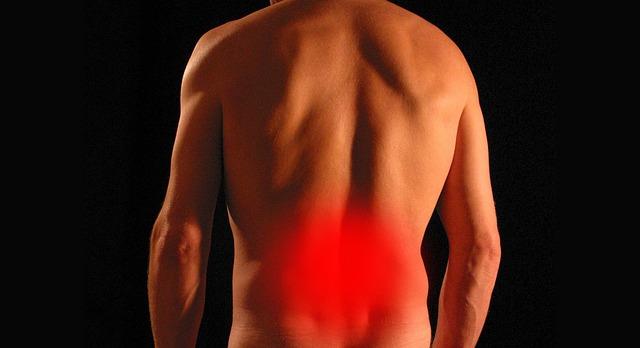
Lower back pain, clinically termed lumbago, describes discomfort or pain localized to the lumbar region of the spine, typically between the lower rib cage and the gluteal folds. It is indeed a symptom rather than a diagnosis, and can arise from a range of conditions affecting the musculoskeletal, neurological, or even visceral systems. The National Institutes of Health (NIH) classifies lower back pain as either acute (lasting less than 4 weeks), subacute (4-12 weeks), or chronic (lasting more than 12 weeks).
The lumbar spine is responsible for bearing much of the body’s weight and supporting various movements-rotation, flexion, and extension. This biomechanical load, combined with its anatomical structure, makes it vulnerable to multiple pathologies. Epidemiological research from PubMed indicates that up to 80% of adults experience lower back pain at some point, and a significant subset-nearly 20%-develop chronic or recurrent pain that persists beyond standard rest periods.
Causes and Risk Factors
Lower back pain can originate from mechanical, degenerative, inflammatory, neoplastic, infectious, or referred visceral causes. Mayo Clinic notes common causes such as muscle or ligament strain, herniated intervertebral discs, osteoarthritis, and spinal stenosis.Behavioral risk factors include sedentary lifestyle, poor ure, improper lifting mechanics, obesity, and psychological stress.Genetic predispositions and age-related degeneration also play significant roles. Notably,recurrent or persistent lower back pain may indicate that rest alone has failed to address one or more of the underlying etiological mechanisms.
- Mechanical dysfunction: Improper muscle use, imbalances, and structural abnormalities can perpetuate pain episodes (Harvard Health).
- Inflammatory processes: Chronic inflammation, either from autoimmune conditions or repeated microtrauma, hinders recovery.
- Metabolic and systemic diseases: Conditions such as osteoporosis or diabetes may weaken bony and soft tissue support.
- Psychosocial factors: Depression, anxiety, and work-related stress can amplify pain perception and delay healing.
- Lifestyle choices: Lack of exercise, smoking, poor ergonomics, and inadequate sleep can prevent full recovery.
Why Does Lower Back Pain Keep Coming Back After Rest? 5 Key Reasons
Temporary rest often soothes acute exacerbations of lower back pain, but enduring relief may be elusive. Here are five core reasons-supported by current scientific evidence-explaining why lower back pain returns despite intermittent rest.
1. Underlying Structural or Degenerative Changes
A significant proportion of recurrent lower back pain is rooted in anatomical or degenerative changes within the lumbar spine and associated structures. Conditions such as degenerative disc disease, lumbar spondylosis, and facet joint osteoarthritis progressively impair spinal stability and flexibility (Harvard Health).such degeneration is compounded by normal aging and can be accelerated by repetitive microtrauma or heavy physical labor.
Following rest, the inflammatory processes and microtears in these structures may transiently subside but are quickly re-aggravated upon resumption of normal activities. MedlinePlus and NIH resources confirm that rest alone cannot reverse these anatomical changes, highlighting the need for rehabilitative interventions like physical therapy and targeted exercise.
2. Incomplete Recovery of Muscles and Ligaments
research shows that muscle strains and ligament sprains constitute over 70% of acute lower back pain presentations (PMC, NIH). Though, a few days or even weeks of rest might potentially be insufficient for complete tissue healing and full restoration of strength and flexibility. Mayo Clinic emphasizes that premature return to physical activity or lack of guided rehabilitation can leave residual weaknesses or scar tissue, substantially elevating the risk of reinjury.
Moreover, extended bed rest leads to muscle deconditioning-where supportive core and paraspinal muscles lose mass and tone, destabilizing the spine and increasing susceptibility to chronic or recurrent pain (JAMA Network).
3. Poor ure and Movement Mechanics
Suboptimal ure, both during sedentariness and dynamic movement, remains a major risk factor for persistent lower back pain. Prolonged sitting, slumping, or improper ergonomic setups (such as unsupportive office chairs or beds) create chronic, low-grade strain on the lumbar spine, paraspinal muscles, and soft tissue.
A National Health Service (NHS) review highlights that ergonomic corrections and ure awareness are essential components of effective back pain management. rest by itself does little to address these harmful habits,so pain typically recurs upon resumption of daily routines unless ure is actively corrected.
| Factor | Description | Potential Impact |
|---|---|---|
| Prolonged Sitting | Hours spent in static, unsupported positions | Increased lumbar disc pressure; muscle imbalance |
| Improper Lifting | Bending from waist instead of knees | High risk of muscle sprains, disc injury |
| Sleep ure | Unsupportive mattresses or pillows | Exacerbation of underlying spinal issues |
4. Inadequate or Improper Treatment Strategies
Many individuals rely solely on rest, neglecting a multimodal approach necessary for sustainable improvement. As per the guidelines by the National Institute for Health and Care Excellence (NICE) and confirmed by Mayo Clinic, rest may alleviate acute pain but fails to address underlying causes such as muscle weaknesses, joint stiffness, or psychosocial stressors.
Effective management is multimodal, emphasizing graded physical activity, structured physiotherapy, cognitive-behavioral therapy (CBT) for pain perception, pharmacological agents (as appropriate), and patient education. sole reliance on rest or inadequate self-management perpetuates incomplete healing and higher recurrence rates (PubMed).
- Passive Rest: Leads to disuse atrophy and psychological deconditioning
- Absence of Core Stabilization Exercise: Failure to strengthen key muscle groups
- Discontinuation of Medications Early: Prematurely tapering anti-inflammatories or analgesics
5. Unaddressed Psychosocial and Lifestyle Factors
Chronic or recurrent pain is frequently linked to emotional stress, depression, anxiety, and social or occupational dissatisfaction. The biopsychosocial model is now universally recognized in chronic pain management. Factors such as job insecurity, high-stress environments, lack of social support, and negative pain beliefs amplify pain perception and reduce physical function.
Lifestyle-related issues-such as smoking, obesity, lack of physical activity, and poor sleep hygiene-further exacerbate pain and hinder recovery (Harvard Health). Rest alone cannot mitigate these influences; instead, comprehensive strategies integrating mind-body therapies, nutritional counseling, and stress reduction programs are needed to break the cycle of recurrent pain.
Diagnosis and Evaluation of Recurrent Lower Back pain
Accurate diagnosis is critical to developing an effective management strategy. A thorough history and physical examination should be complemented by targeted imaging studies (e.g., X-ray, MRI) and laboratory investigations when red flags or atypical features are present. According to NIH clinical guidelines, clinicians should differentiate between mechanical, neurologic, and visceral sources of pain, and screen for underlying serious conditions (e.g., malignancy, infection, cauda equina syndrome).
Functional assessment tools, such as the Oswestry Disability Index and visual analog scales, can aid in quantifying the impact and tracking treatment progress.Early referral to specialized pain clinics or musculoskeletal experts is advised for patients with persistent, severe, or complex presentations.
Therapeutic Approaches: Beyond Rest
The recurrence of lower back pain despite rest highlights the importance of comprehensive, evidence-based treatment protocols. As emphasized by Medical News Today, these may include:
- guided physical therapy emphasising core stabilisation, flexibility, and functional training
- Graded return to activity, avoiding prolonged inactivity
- Manual therapy (chiropractic, osteopathic, massage)
- Nonsteroidal anti-inflammatory drugs (NSAIDs) and other pharmacological agents, as indicated
- Minimally invasive interventions (epidural injections, nerve blocks) for select cases
- Addressing psychosocial components through CBT, mindfulness, and education
- Lifestyle optimisation: weight management, smoking cessation, sleep improvement
Surgical intervention is reserved for refractory cases with structural abnormalities or neurologic compromise, as outlined by the NIH.
Long-term Prevention: Evidence-Based Strategies
Relapses of lower back pain can be minimized by adhering to primary prevention strategies, as supported by the CDC’s NIOSH and NHS exercise recommendations. These include:
- Regular Physical Activity: Engaging in aerobic, strength-training, and stretching exercises tailored to individual capacity.
- Ergonomics: Optimising workstations, lifting techniques, and sleep environment to support lumbar spine health.
- Weight Management: Maintaining a healthy BMI to reduce mechanical burden on the spine.
- Mental Health Support: seeking psychological support and developing coping strategies for stress and pain.
- Education: Understanding the chronicity and multifactorial nature of lower back pain to foster realistic expectations and adherence to therapeutic protocols.
Longitudinal cohort studies confirm that individuals who proactively address these domains experience fewer relapses and milder disability related to lower back pain (The Lancet).
Frequently Asked Questions (FAQ)
How long should I rest for lower back pain before seeing a doctor?
Most guidelines recommend resuming gentle activity after 1-2 days of rest, unless pain is severe, radiates down the legs, or is accompanied by symptoms such as numbness, fever, or loss of bladder control-which warrant immediate medical evaluation (Mayo Clinic).
When does lower back pain become a chronic condition?
Pain lasting over 12 weeks, or recurring multiple times within a year, is considered chronic. Chronicity increases the necessity for comprehensive rehabilitation and psychosocial support (NIH).
Are imaging tests always needed for recurrent lower back pain?
No. most cases resolve with conservative treatment and require imaging only when serious underlying pathology is suspected or when considering surgical intervention (NHS).
Can lifestyle changes alone prevent lower back pain from returning?
Lifestyle modification is foundational, but success rates increase significantly when paired with targeted physical therapy and behavioral interventions. Multifactorial approaches consistently yield the best outcomes (Healthline).
Conclusion
Lower back pain is a multifaceted health issue with high global prevalence and recurrence rates.While rest may offer temporary respite, it rarely addresses the diverse and interconnected factors that drive repeated episodes of pain-ranging from degenerative changes and muscle imbalances to psychosocial stressors and suboptimal lifestyle habits. Addressing these challenges requires a holistic, evidence-based approach encompassing physical therapy, ergonomics, medical management, lifestyle improvements, and psychological support. Consulting a healthcare professional for individualized evaluation and treatment is key for sustainable recovery and prevention of chronic disability.
For more information, consult reputable sources such as the World Health Organization, Centers for Disease Control and Prevention, or speak directly with a qualified healthcare provider.