
Introduction
Diabetes mellitus, a multifaceted metabolic disorder marked by chronic hyperglycemia, is one of the most pressing public health challenges of our era. With more than 537 million adults affected globally, diabetes is a leading cause of morbidity and mortality, driving notable increases in both healthcare expenditure and losses in quality of life. The management of diabetes—encompassing type 1, type 2, and othre less common variants—demands a complete, evidence-based approach that includes nutrition, physical activity, behavioral changes, and, crucially, pharmacotherapy. The judicious use of medication not only achieves glycemic control but also mitigates the risk of microvascular and macrovascular complications, thereby directly shaping patient outcomes and long-term prognosis.
Contemporary advances have revolutionized the pharmacological landscape, offering personalized regimens tailored to pathophysiology, comorbidities, and patient preferences. Understanding the role and impact of medication in diabetes management is essential for patients, caregivers, and providers alike, and is central to combating the ongoing diabetes epidemic. This article delivers a detailed, clinically accurate, and evidence-based exploration of how medication underpins effective diabetes care today.
Understanding diabetes: Types, Pathophysiology, and Treatment Goals
Classification and Epidemiology
Diabetes encompasses a spectrum of diseases, primarily type 1 diabetes (T1DM), type 2 diabetes (T2DM), and gestational diabetes mellitus (GDM). T1DM, frequently diagnosed in childhood, results from autoimmune destruction of pancreatic β-cells leading to absolute insulin deficiency. In contrast, T2DM—comprising roughly 90-95% of cases—arises from a combination of insulin resistance and relative insulin deficiency, predominantly affecting adults but increasingly prevalent among youth due to rising obesity rates (CDC).
Global diabetes prevalence continues to climb, with the World health Association reporting a threefold increase since 1980.The disease’s economic and societal burden underscores the critical need for effective preventive and therapeutic interventions.
Pathophysiology and Natural History
The pathogenesis of diabetes involves dysregulated glucose metabolism due to insulin deficiency (absolute or relative) and/or insulin resistance. Chronic hyperglycemia imposes direct toxicity on tissues and hastens vascular complications. T1DM is principally immunological, while T2DM involves intricate genetic and environmental interactions fueling insulin resistance, pancreatic β-cell dysfunction, and subsequent metabolic derangements (NCBI).
Treatment Objectives
- Achieve and maintain target glycemic levels (commonly assessed by fasting plasma glucose and HbA1c)
- Prevent both acute (ketoacidosis, hyperosmolar states) and chronic (retinopathy, nephropathy, neuropathy, cardiovascular) complications
- Improve quality of life and life expectancy
- Minimize adverse effects of therapy
While medical nutrition therapy and lifestyle modification are foundational, medication is often indispensable for durable glycemic control—especially in T1DM and advanced T2DM.
The Pharmacologic Arsenal: Classes of Medications for Diabetes
Insulin Therapy
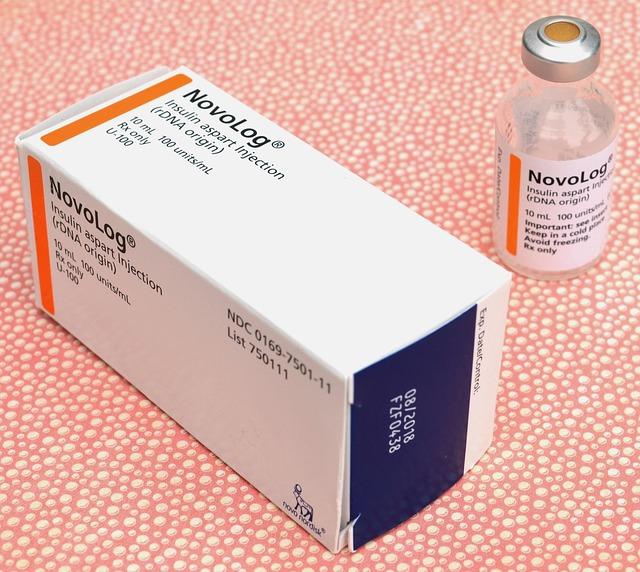
For patients with T1DM, exogenous insulin is life-sustaining. Insulin is also indicated for T2DM patients when oral agents lose efficacy or during periods of acute decompensation. Modern insulin analogs—classified as rapid-, short-, intermediate-, and long-acting—enable individualized, physiologic replacement regimens (Mayo Clinic).
- Rapid-acting: aspart, lispro, glulisine
- Short-acting: regular human insulin
- Intermediate-acting: NPH (neutral protamine Hagedorn)
- Long-acting: glargine, detemir, degludec
Intensive insulin therapy, through multiple daily injections or continuous subcutaneous insulin infusion (CSII, using an insulin pump), is the gold standard for T1DM. Newer formulations provide greater dosing flexibility and reduced hypoglycemia risk (NCBI).
Oral Hypoglycemic Agents
- Metformin: A biguanide that suppresses hepatic gluconeogenesis and improves peripheral insulin sensitivity—regarded as frist-line therapy for T2DM.
- Sulfonylureas: Stimulate pancreatic insulin secretion (e.g., glibenclamide, glipizide), but pose a risk of hypoglycemia, especially in elderly individuals (NCBI).
- Thiazolidinediones (TZDs): Improve insulin sensitivity via PPAR-γ activation (e.g., pioglitazone). Their use is tempered by concerns regarding weight gain, edema, and possible cardiovascular risks.
- DPP-4 Inhibitors: Oral, weight-neutral agents (e.g., sitagliptin, saxagliptin) enhance endogenous incretin action without significant risk of hypoglycemia (Healthline).
- SGLT2 Inhibitors: promote glucose excretion via the kidneys and demonstrate benefits in heart and kidney disease (e.g.,empagliflozin,dapagliflozin; see NEJM).
- Meglitinides: Repaglinide, nateglinide—stimulate short-acting insulin secretion, primarily targeting prandial hyperglycemia (Harvard Health).
- Alpha-Glucosidase Inhibitors: Slow intestinal carbohydrate absorption, blunting -meal glucose spikes (e.g., acarbose).
Non-Insulin Injectable Medications
- GLP-1 Receptor Agonists: Exenatide, liraglutide, dulaglutide—mimic endogenous incretins, stimulating insulin and suppressing glucagon. Their use is associated with weight loss and cardioprotection (CDC).
- Amylin analogs: Pramlintide modulates prandial glucose but is used less commonly due to GI side effects and the need for injection.
Class selection, dosage, combinations, and titration are governed by clinical guidelines (ADA Standards of care), patient individualization, risk assessment, and therapeutic goals.
How Medications Control blood Glucose: Mechanisms and Efficacy
Insulin: Restoring Physiologic Regulation
insulin therapy replaces or supplements endogenous hormone action. It directly stimulates cellular glucose uptake (predominantly muscle and adipose tissue), inhibits hepatic gluconeogenesis, and suppresses lipolysis and proteolysis. Proper insulin titration can normalize basal and prandial glucose levels, preventing both hyper- and hypoglycemia (NCBI).
Metformin: targeting Hepatic Glucose Output and Insulin Sensitivity
Metformin, by activating AMP-activated protein kinase (AMPK), inhibits hepatic gluconeogenesis and improves peripheral glucose uptake. It lowers HbA1c by 1–1.5% on average and does not cause weight gain or hypoglycemia.Substantial evidence supports its role in reducing cardiovascular events in overweight T2DM patients (NCBI).
Incretin-Based therapy (DPP-4 Inhibitors,GLP-1 Agonists)
Both medication classes amplify the effects of incretin hormones,which increase insulin synthesis/release and suppress glucagon. GLP-1 agonists also slow gastric emptying and promote satiety, yielding improved prandial glucose control and weight reduction (Medical News Today).
SGLT2 Inhibitors: Renal Excretion of Glucose
SGLT2 inhibitors reduce renal glucose reabsorption, leading to increased glycosuria and mild osmotic diuresis. This action lowers both fasting and prandial blood glucose, with the added benefit of reducing heart failure hospitalizations and slowing chronic kidney disease progression (NEJM).
Sulfonylureas and Meglitinides: Insulin Secretagogues
Both groups stimulate pancreatic β-cells to release insulin. Their rapid onset and short duration (especially meglitinides) make them valuable for treating prandial excursions. however, the risk of hypoglycemia and weight gain needs to be balanced against benefit (Mayo Clinic).
Thiazolidinediones (TZDs): Sensitizing Insulin Action
By activating PPAR-gamma nuclear receptors,TZDs substantially enhance insulin sensitivity in muscle and adipose tissue. However, their use is now limited by concerns regarding heart failure, weight gain, and possible fracture risk (FDA).
Personalized Medication approaches: Matching therapy to Patient characteristics
Age, Comorbidity, and Functional status
Therapy should be individualized. Older adults, those with multiple comorbidities (e.g., cardiovascular disease, renal impairment), and frail patients require careful medication selection and glycemic targets to balance benefit and minimize risk (NCBI).
Special Populations
- Pregnancy: Insulin is preferred for gestational and preexisting diabetes during pregnancy, as most oral agents lack sufficient safety data (NHS).
- Youth: T2DM in adolescents is increasing, often requiring earlier pharmacologic intervention, but long-term safety and efficacy data are limited.
- Renal/Liver dysfunction: Many agents require dose adjustment or avoidance (Harvard Health).
Decision tools and diabetes risk calculators are available to help customize drug regimens for complex cases.
pharmacogenomics and Future Directions
emerging research in pharmacogenomics promises to further personalize diabetes care by linking genetic variants with individual responses to medications, thereby optimizing efficacy and minimizing adverse effects (NCBI).
Combined Modalities: polypharmacy and Combination Therapy
Monotherapy may suffice in early T2DM, but progressive β-cell dysfunction usually necessitates combination therapy. Rational drug combinations (e.g., metformin plus SGLT2 inhibitor or GLP-1 agonist) can enhance glycemic control via complementary mechanisms, limit dose-related toxicity, and provide non-glycemic benefits (weight loss, cardiovascular risk reduction) (healthline).
| Combination | Benefits | Cautions |
|---|---|---|
| Metformin + Sulfonylurea | Powerful HbA1c lowering; cost-effective | Increased hypoglycemia risk |
| Metformin + SGLT2 inhibitor | Cardio-renal protection; weight loss | Genital/urinary tract infections |
| Metformin + GLP-1 agonist | Weight loss, low hypo risk, CV protection | GI side effects |
| Insulin + Other agents | Flexible, effective at all stages | Requires monitoring, risk of weight gain |
Minimizing Adverse Effects: Safe Use of Medication
Hypoglycemia
One of the greatest dangers of intensive diabetes therapy, notably with insulin or insulin secretagogues, is hypoglycemia—a potentially life-threatening complication. Patient education, regular self-monitoring of blood glucose (SMBG), and individualized titration strategies are essential for prevention (CDC).
Weight Changes
Some medications, such as insulin, sulfonylureas, and TZDs, can cause weight gain, while others (notably GLP-1 agonists, SGLT2 inhibitors, and metformin) tend to promote weight neutrality or loss. This factor is critical when selecting or intensifying therapy—particularly in obese or overweight patients (Healthline).
Renal and Hepatic Safety
Renal impairment may necessitate dose reduction or avoidant prescribing for drugs like metformin and SGLT2 inhibitors to prevent adverse events such as lactic acidosis or acute kidney injury (national Kidney Foundation). Similarly, thiazolidinediones and certain DPP-4 inhibitors require careful hepatic monitoring.
Other Drug-Specific Adverse Effects
- genitourinary infections with SGLT2 inhibitors (FDA).
- Gastrointestinal symptoms with metformin and GLP-1 agonists.
- Edema and heart failure risk for TZDs.
Comprehensive medication review and vigilant follow-up under physician supervision are cornerstones of safe diabetes pharmacotherapy (NHS).

The impact of Medication on Diabetes Complications and Long-Term Outcomes
Reducing Microvascular Complications
Landmark studies demonstrate that tight glycemic control via medication significantly reduces the risk of microvascular complications including retinopathy, nephropathy, and neuropathy. The Diabetes Control and Complications Trial (DCCT) and the UKPDS provided incontrovertible evidence—intensive therapy cut microvascular complications by >50% over a decade.
Macrovascular Protection: Cardiovascular and Renal Outcomes
More recently,certain newer agents—most notably SGLT2 inhibitors and GLP-1 agonists—have shown direct cardiovascular and renal benefits independent of glycemic control, including reduction of heart failure events, progression of chronic kidney disease, and even all-cause mortality in selected populations. Thes findings markedly influence current therapeutic algorithms.
mortality Benefits and Quality of Life
Holistic diabetes management featuring the right medication can enhance both life expectancy and life quality,reducing hospitalizations,disability,and symptomatic burden. This benefit is maximized by combining pharmacotherapy with lifestyle, psychosocial, and self-management interventions (CDC).
barriers and Facilitators to Optimal Medication Use
Barriers in Clinical Practice
- Medication cost and access limitations, especially with branded and injectable therapies (Healthline).
- Polypharmacy and complex dosing schedules, particularly in polymorbid or elderly patients.
- Fear or experience of adverse effects (e.g., hypoglycemia, weight gain, GI upset).
- Poor health literacy or lack of culturally sensitive education.
- regimen adherence and persistence challenges (CDC).
Facilitating Adherence and Success
- Patient-centered and shared decision-making approaches.
- clear, accessible education combined with tools like pill organizers and reminders.
- Regular follow-up with multidisciplinary diabetes teams—including pharmacists, educators, and specialty nurses (NCBI).
- Telemedicine and digital health platforms for ongoing support, prescription refills, and monitoring.
- Addressing social determinants of health (cost, access, food security, transportation).
Integrating Medication with Lifestyle Interventions
While medication is a cornerstone of diabetes care,optimal results require synergistic integration with healthy nutrition, structured exercise, weight management, self-monitoring, and psychosocial support.For many, lifestyle modification alone can delay or prevent medication escalation (Diabetes Prevention Program (DPP)), but most patients—especially with T2DM of longer duration—will benefit from a thoughtful combination of both domains.
Adherence to lifestyle and medication regimens is maximized by motivational interviewing, behavioral support, and leveraging family and community resources.
Emerging Therapies, Research, and Future Directions
Technological Advances
the proliferation of smart insulin pumps, continuous glucose monitors (CGM), and closed-loop “artificial pancreas” systems is transforming real-time diabetes care, potentially reducing medication burden for select patients (JAMA).
Novel Drug Classes
Research into dual and triple agonists (e.g., targeting GLP-1, GIP, and glucagon receptors), oral insulin formulations, and adjunct therapies (e.g., anti-inflammatory, anti-obesity agents) continues to expand the therapeutic armamentarium (NCBI).
Precision Medicine
Integration of genomics, metabolomics, and big data is paving the way for fully individualized diabetes treatment protocols aimed at maximizing benefit while minimizing risk—heralding a new era of precision diabetes pharmacotherapy (NIH).
Conclusion
Medication is indispensable in the effective management of diabetes, dramatically improving glycemic control, preventing complications, and enhancing patient survival and well-being. Recent years have ushered in a paradigm shift toward individualized, evidence-based pharmacotherapy tailored to the unique needs of each patient. Combined with robust lifestyle intervention, comprehensive education, and supportive technology, medication forms the backbone of modern, life-changing diabetes care. Ongoing research will continue to refine and personalize these approaches, offering new hope in the fight against this global health crisis.
For those living with diabetes, collaborative partnership with healthcare professionals, adherence to prescribed regimens, and regular monitoring are crucial steps to achieving the best possible health outcomes.
References
- World Health Organization: Diabetes fact sheet
- CDC: Diabetes basics
- Mayo Clinic: Diabetes treatment
- NCBI: pathophysiology of diabetes mellitus
- NEJM: Diabetes Control and Complications Trial
- Lancet: UKPDS
- NEJM: SGLT2 inhibitors and renal outcomes
- NEJM: EMPA-REG OUTCOME
- JAMA: GLP-1 agonists and cardiovascular outcomes
- NCBI: Metformin review
- FDA: TZDs safety evaluation
- Harvard Health: Diabetes drug overview
- Healthline: Incretin therapy
- Medical News Today: GLP-1 agonists in diabetes
- NHS: Diabetes treatment
- CDC: Managing diabetes