
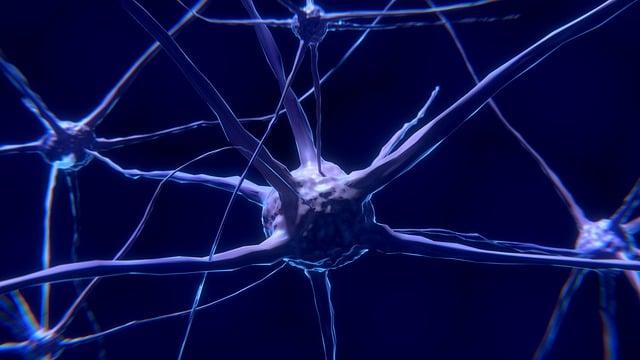

How to Deal With Nerve Pain Without Addictive Medications
Introduction
Nerve pain, also known as neuropathic pain, is a complex and often debilitating condition that affects millions worldwide. According to teh World Health Organization (WHO), chronic pain, including neuropathic pain, is among the leading causes of disability globally. The burden of nerve pain not only deteriorates the quality of life but also poses meaningful socioeconomic challenges due to decreased productivity and increased healthcare costs.
Medical management of nerve pain traditionally involves pharmacological interventions, with opioids and other addictive medications commonly prescribed for moderate to severe cases. However, these drugs carry significant risk for addiction, dependence, and numerous adverse side effects, prompting healthcare systems and patients to seek safer, evidence-based alternatives. In 2023, the Centers for Disease Control and Prevention (CDC) reported over 16,000 prescription opioid overdose deaths in the United States alone—underscoring the urgency to explore non-addictive approaches to managing nerve pain.
This article provides a extensive, evidence-based review of strategies and treatments for nerve pain that do not rely on addictive medications. It draws from primary research, expert consensus, and clinical guidelines from renowned institutions to empower patients and healthcare providers with effective, safe, and sustainable solutions.
Understanding Nerve Pain: Pathophysiology and Clinical Implications
Definition and Types of Neuropathic Pain
Neuropathic pain emerges from injury or dysfunction of the somatosensory nervous system. Unlike nociceptive pain—which results from tissue damage and inflammation—neuropathic pain may be described as burning, shooting, electric shock-like, or tingling sensations.Common forms include peripheral neuropathy, -herpetic neuralgia, diabetic neuropathy, and radiculopathies resulting from spinal disorders.
Prevalence and Impact
Epidemiological data indicate that neuropathic pain affects approximately 7-10% of the global population (JAMA Neurology). Its chronic nature frequently enough leads to insomnia, depression, anxiety, and functional impairment. Left untreated or undertreated, neuropathic pain can generate profound psychological and physical sequelae, demanding a multidisciplinary therapeutic approach.
Comorbidities and Risk Factors
Patients with diabetes, shingles (herpes zoster), trauma, multiple sclerosis, or exposure to certain chemotherapeutic agents are at an increased risk (NCBI). Comorbid mood disorders frequently worsen pain experience,highlighting the need for integrated therapeutic strategies.
Risks of Conventional Addictive Medications
The Opioid Crisis
Opioids, such as oxycodone, hydrocodone, and morphine, have been widely prescribed for various chronic pain conditions. However, studies have consistently shown limited efficacy of opioids in treating neuropathic pain, compared with their risks (CDC guidelines).Prolonged use leads to tolerance, physical dependence, hyperalgesia, and increased risk of overdose.
Benzodiazepines and Other Sedatives
Benzodiazepines are sometimes given to modulate anxiety associated with nerve pain. These agents, too, carry a high risk of physical and psychological dependence, withdrawal, and cognitive impairment.
Clinical Recommendations
Given these concerns,the latest clinical guidelines from the CDC, NICE, and other health organizations urge healthcare professionals to prioritize non-addictive alternatives as first-line treatments for neuropathic pain.
Non-Addictive Pharmacological Options
1. Antidepressants
- Tricyclic Antidepressants (TCAs): Drugs like amitriptyline and nortriptyline have demonstrated efficacy in neuropathic pain by inhibiting norepinephrine and serotonin reuptake, enhancing inhibition of pain transmission (NHS).
- Serotonin-Norepinephrine Reuptake Inhibitors (SNRIs): Duloxetine and venlafaxine are effective, particularly for diabetic neuropathy and fibromyalgia, and are generally well tolerated (Mayo Clinic).
2. Anticonvulsants
- Gabapentinoids: Gabapentin and pregabalin act by inhibiting calcium channels, reducing the excitability of nerve cells. they are considered first-line options, though side effects such as somnolence and dizziness must be monitored (Healthline).
3.Topical Agents
- Lidocaine patches: Offer localized pain relief with minimal systemic absorption and adverse effects (FDA).
- Capsaicin cream: Derived from chili peppers, capsaicin depletes substance P, a neuropeptide involved in pain transmission. High-concentration patches are available for severe cases (NCBI).
4. Other options
- N-Methyl-D-Aspartate (NMDA) Receptor Antagonists: Used in refractory cases under expert supervision (Mayo Clinic).
Non-Pharmacological Strategies for Managing Nerve Pain
Physical and Occupational Therapy
Therapeutic exercises and activity modification under the guidance of physical and occupational therapists can play a pivotal role in restoring function and reducing pain. Evidence supports strengthening, stretching, and balance training as effective components of chronic pain rehabilitation.
- Transcutaneous Electrical nerve Stimulation (TENS): TENS involves the use of low-voltage electrical currents to reduce pain signals. Several randomized clinical trials demonstrate its benefit for diabetic neuropathy and -surgical pain (Medical News Today).
Acupuncture and Complementary Therapies
Acupuncture, rooted in Traditional Chinese medicine, has gained recognition within Western medicine for its analgesic effects in neuropathic pain. Mechanistic studies suggest acupuncture modulates endogenous opioid release and inflammatory pathways (Harvard Health).
- Meditation and Mindfulness: Mindfulness-based stress reduction (MBSR) and related techniques can decrease the subjective intensity of pain and associated psychological distress (NIH).
- Yoga and Tai Chi: These practices integrate physical ures, breath control, and mental focus, contributing to improved pain tolerance and quality of life (NCBI).
Cognitive-Behavioral Therapy (CBT)
CBT is one of the most studied psychotherapeutic interventions for chronic pain, showing significant benefits for both pain and psychological well-being. By addressing maladaptive beliefs, emotional responses, and pain-related behaviors, CBT enhances coping and functional outcomes.

Lifestyle Modifications and Self-Management
Nutrition and Supplementation
- Balanced Diet: Micronutrient-rich foods can support nerve health and reduce inflammation. Diets high in fruits, vegetables, whole grains, and lean proteins are recommended (Medical News Today).
- Vitamin B12 and D: Deficiencies are linked to neuropathy; supplementation may confer benefits particularly in confirmed deficiency (Healthline).
- Alpha-Lipoic Acid and Omega-3s: Some clinical trials show modest benefit as adjunctive therapy (Harvard Health).
Sleep Hygiene
Quality sleep is crucial for the body’s ability to manage pain. Strategies such as maintaining a consistent sleep schedule, minimizing caffeine and electronics use before bedtime, and creating a cool, quiet sleep environment are supported by CDC advice on chronic pain management.
Regular Low-Impact Exercise
Activities such as walking, swimming, and cycling increase endorphin levels and enhance overall pain tolerance without placing undue strain on the nervous system (NCBI).
Smoking Cessation and Alcohol Moderation
- Smoking: Tobacco impedes blood flow to peripheral nerves and can worsen neuropathy (Mayo Clinic).
- Alcohol: Chronic heavy use is directly neurotoxic; limiting intake is essential (Healthline).
Interventional and advanced Treatments
Nerve Blocks and Injections
Injectable local anesthetics or corticosteroids, performed by pain management specialists, can provide temporary pain relief and diagnostic clarity. While generally safe, repeated use warrants caution due to potential side effects (Johns Hopkins Medicine).
Spinal Cord and Peripheral Nerve Stimulation
Implantable devices that deliver electrical impulses to the spinal cord or peripheral nerves have shown substantial benefit in refractory neuropathic pain, especially after thorough non-invasive trials (Healthline). These interventions require specialist evaluation and carry surgical and device-related risks.
Platelet-Rich Plasma (PRP) and Regenerative Therapies
Emerging evidence suggests that PRP and stem cell injectables can modulate inflammation and promote nerve repair, although more robust randomized controlled trials are needed before widespread clinical adoption (NCBI).
Innovative Approaches and Future Directions
Digital Health and Telemedicine
Telemedicine platforms have enhanced accessibility to multidisciplinary pain care, psychological interventions, and self-management education—especially for geographically remote or underserved populations (JAMA network Open).
Genomic and Personalized Medicine
Advances in genomics are paving the way for tailored pain management approaches. Pharmacogenomic profiling may soon allow clinicians to select the most effective,least risky medications for individual patients (NIH).
Investigational Non-addictive Molecules
Research into novel targets—such as sodium channel blockers, monoclonal antibodies, and cannabinoid receptor modulators—offers promise for safer, highly effective neuropathic pain relief without addiction risk (NCBI).
Patient Education and Shared Decision Making
Setting expectations
Effective pain management frequently enough aims for significant reduction and improved quality of life, rather than complete elimination of pain.Patients benefit most when supported in realistic goal-setting and provided with accurate,consistent information (CDC).
Building a Multidisciplinary Care Plan
Optimal neuropathic pain management involves collaboration among primary care providers, pain specialists, neurologists, physical therapists, and mental health professionals. Individualization of treatment ensures responsiveness to patient needs,adjustment for comorbidities,and monitoring for side effects or therapy failures (NHS).
when to Seek Medical Help
Persistent, severe, or worsening nerve pain—especially when accompanied by weakness, loss of function, or systemic symptoms—warrants prompt medical evaluation. Early intervention improves outcomes and can prevent irreversible nerve damage (Mayo Clinic).
Summary Table: Evidence-Based Non-Addictive Strategies for Nerve Pain
| Strategy | Examples | level of Evidence | Common Side Effects | Sources |
|---|---|---|---|---|
| Antidepressants | Amitriptyline, Duloxetine | Strong | Dry mouth, drowsiness | NHS |
| Anticonvulsants | Gabapentin, Pregabalin | Strong | dizziness, somnolence | Healthline |
| Topical Agents | Lidocaine, Capsaicin | Moderate | Local irritation | FDA |
| Physical Therapy | Exercise, TENS | Strong | Minimal | NCBI |
| Cognitive Behavioral Therapy | MBSR, CBT | Strong | Minimal | CDC |
| Acupuncture | Traditional/Electro | Moderate | rare local bruising | Harvard Health |
Conclusion
Managing nerve pain without resorting to addictive medications is not only possible but strongly advocated by leading medical authorities. Employing a combination of non-addictive pharmacological agents, evidence-based physical and psychological therapies, interventional procedures, and lifestyle modifications can substantially alleviate neuropathic pain while minimizing risk of harm or dependence. Partnership between informed patients and multidisciplinary healthcare teams offers the best prospects for functional recovery and restored quality of life.
To learn more or to develop a personalized pain management plan,consult your healthcare provider or a dedicated pain specialist.
Further Reading and Authoritative Resources
- CDC: An Overview of Pain management and the Opioid Crisis
- NICE: Chronic Pain in Over 16s: Assessment and Management
- Mayo Clinic: Peripheral Neuropathy – Treatment
- MedlinePlus: Nerve Pain
- Harvard Health: Nutritional Supplements and Herbs for Nerve Pain