

How to Tell If Your Dizziness Is a Neurological issue
Introduction
Dizziness is a pervasive complaint in clinical practise, affecting up to 30% of the general population at some point in their lives. For many, it is indeed a transient or benign sensation, yet for others, it may signal an underlying neurological disorder with significant health implications.Distinguishing between benign, self-limiting causes and serious neurological pathologies is vital for optimal patient outcomes. Unrecognized neurological dizziness can result in delayed diagnosis of conditions such as stroke, vestibular migraine, or neurodegenerative disease, each requiring specialized management strategies. This extensive article, written with adherence to evidence-based medicine and current clinical guidelines, explores how to determine when dizziness is a possible neurological issue, integrating guidance from leading authorities including the centers for Disease Control and Prevention (CDC),NHS, and the Mayo Clinic.
What Is Dizziness?
Dizziness is a nonspecific term that encompasses a range of sensations: feeling faint, woozy, weak, or unsteady. Medical professionals further delineate dizziness into four primary symptom categories:
- Vertigo: The illusion of movement, ofen described as spinning, usually related to disturbances in the vestibular system.
- Presyncope: A sensation of impending faint or loss of consciousness,frequently cardiovascular in origin.
- disequilibrium: A sense of imbalance or instability while walking, frequently enough related to neurological or musculoskeletal issues.
- Non-specific dizziness: Ill-defined lightheadedness without a clear trigger.
According to the CDC, dizziness is among the most common reasons for medical consultations, especially among older adults, and accounts for approximately 5% of primary care visits.
The Importance of Identifying Neurological Causes
while many causes of dizziness are benign—such as dehydration, medication side effects, or benign paroxysmal positional vertigo (BPPV)—it is imperative to recognize signs that suggest a neurological basis. Neurological dizziness can be the first symptom of serious and perhaps life-threatening conditions,including stroke,multiple sclerosis,vestibular neuritis,brain tumors,or migraine with aura. Rapid identification and intervention in acute neurological cases can greatly improve prognosis and prevent long-term disability [New England Journal of Medicine].
Dizziness: A Symptom With Many Causes
The differential diagnosis of dizziness is vast, spanning multiple systems. To highlight the context for neurological etiologies,causes can be grouped as follows:
| Category | Potential Causes |
|---|---|
| Vestibular (Ear-related) | BPPV,vestibular neuritis,Ménière’s disease,labyrinthitis |
| Neurological | Stroke,transient ischemic attack (TIA),multiple sclerosis,brain tumors,migraine,epilepsy |
| cardiovascular | Arrhythmias,orthostatic hypotension,heart failure |
| Metabolic/Other | Anemia,hypoglycemia,dehydration,drug side effects |
Determining the root cause requires careful history,examination,and frequently,targeted investigations. For a detailed overview of the broad spectrum of causes, refer to Mayo Clinic: Symptoms and Causes of Dizziness.
Neurological Dizziness: Pathophysiology and Symptomatology
Dizziness of neurological origin commonly arises from dysfunction in the brainstem, cerebellum, or the connections between the central nervous system and vestibular apparatus. Potential pathophysiological mechanisms include ischemia (as in stroke), demyelination (as seen in multiple sclerosis), infection or inflammation (vestibular neuritis), or mass effect (tumors).
Key symptoms and signs that may suggest a neurological cause include:
- Sudden onset, severe vertigo—especially when accompanied by neurological deficits (diplopia, dysarthria, dysphagia, limb weakness)
- Persistent imbalance or gait unsteadiness
- Visual disturbances or nystagmus that cannot be elicited by simple maneuvers
- Headache, especially of sudden onset (“thunderclap” headache or severe migraine)
- difficulty speaking, swallowing, or facial weakness
- Altered consciousness, confusion, or memory disturbances
- Seizures
It is crucial to note that these symptoms often overlap with other medical conditions.Though,their presence increases the likelihood of a primary neurological disorder [Harvard Health Publishing].
Warning Signs: When Dizziness May Indicate a Neurological Emergency
Immediate medical evaluation is warranted when dizziness is accompanied by any of the following features,as outlined by the American Stroke Association:
- Sudden, severe dizziness or vertigo
- Double vision, vision loss, or abnormal eye movements
- Slurred speech or problems understanding speech
- Weakness or numbness of the face, arm, or leg, especially on one side
- Sudden, severe headache with no known cause
- Difficulty walking, loss of coordination or balance
- Loss of consciousness
Suspicion for erior circulation stroke is notably high when dizziness presents with the above symptoms. erior strokes are frequently missed and can result in devastating outcomes without early intervention [JAMA Neurology].
Types of Neurological Disorders Associated With Dizziness
1. Stroke and Transient Ischemic Attack (TIA)
Acute ischemic or hemorrhagic strokes affecting the brainstem or cerebellum are classic neurological causes of dizziness. Dizziness or vertigo can be the only symptom in up to 25% of erior circulation strokes. Additional signs such as ataxia, oculomotor disturbances, hemiparesis, or altered consciousness may help differentiate stroke from benign conditions [NCBI: Vertigo and stroke].
2. Vestibular Migraine
Vestibular migraine, a variant of migraine, is a frequent but often underdiagnosed cause of recurrent episodic vertigo, lightheadedness, and balance disturbances. Associated features include headache, photophobia, phonophobia, and visual aura, even in the absence of headache [Mayo Clinic].
3. Multiple Sclerosis (MS)
In multiple sclerosis, demyelinating lesions in the brainstem or cerebellum can induce vertigo, imbalance, and gait disturbances. Dizziness may occur as an initial symptom or during disease exacerbations, sometimes accompanied by diplopia, limb weakness, or sensory changes [Healthline: Vertigo and MS].
4. Tumors and Space-Occupying Lesions
Brain tumors or cerebellopontine angle lesions such as acoustic neuromas can present with gradual or sudden dizziness, hearing loss, tinnitus, and sometimes facial numbness or weakness. These symptoms frequently progress, underscoring the necessity of neuroimaging in unexplained cases [NIH Cancer.gov].
5. Seizure Disorders
Some focal seizures, particularly those originating in the temporal lobe, may present with transient dizziness or vertigo, sometimes with associated altered awareness or automatisms [Epilepsy Foundation].
6. Neurodegenerative Diseases
Parkinson’s disease, progressive supranuclear palsy, and other neurodegenerative conditions frequently cause disequilibrium and ural instability, more so than true vertigo. These symptoms may be accompanied by tremor, rigidity, bradykinesia, and cognitive decline [NHS: Parkinson’s Symptoms].
7. Central vestibular Disorders
Lesions in the brainstem and cerebellum—including demyelination, stroke, and tumors—can disrupt the central processing of vestibular signals, frequently enough manifesting as severe vertigo that does not resolve with head positioning maneuvers (unlike BPPV). Central nystagmus and associated neurological deficits are common [NCBI: Central Causes of Vertigo].

How Neurological Dizziness Differs From Other Types
It is essential to distinguish neurological dizziness from more prevalent benign causes. The following table summarizes key differentiating features:
| Feature | Benign Vestibular (e.g., BPPV) | Neurological |
|---|---|---|
| Onset | Brief, positional triggers (seconds to minutes) | Sudden or gradual; may be continuous |
| Associated Symptoms | Nausea, vomiting, sometimes hearing changes | Double vision, weakness, numbness, dysarthria, imbalance, severe headache |
| Course | Improves with avoidance, can be positional | Often progressive or persistent, not position-dependent |
| Recovery | Usually recovers spontaneously or with maneuvers | Often requires treatment of underlying pathology |
Further details are available in position statements by the American Academy of Neurology.
History Taking: Critical questions for Neurological Assessment
A detailed clinical history is the linchpin of neurological assessment for dizziness. Structured questioning should include:
- Onset: Was the onset sudden or gradual? Did it occur at rest or with movement?
- Duration: Is the dizziness episodic, transient, or persistent?
- Triggers: Are there specific movements or positions that evoke symptoms?
- Associated symptoms: Double vision, headache, speech difficulty, limb weakness, numbness, unsteady gait, nausea, hearing loss, tinnitus.
- Progression: Are symptoms improving, static, or worsening?
- Past medical history: Prior strokes, migraines, demyelinating disease, malignancy, cardiovascular risk factors.
For further reading,see American Family Physician: Approach to Dizziness in the ED.
Physical and Neurological Examination
A focused neurological exam is essential, especially when red flags are present. Key elements include:
- Gait and balance: Observation of stance, walking, tandem gait, and Romberg test.
- cranial nerves: Check for nystagmus, facial strength, tongue deviation, pupillary responses, and visual fields.
- Coordination tests: Finger-nose and heel-shin maneuvers to detect cerebellar involvement.
- Motor and sensory assessment: Look for limb weakness, sensory deficits, or abnormal reflexes.
- HINTS examination: The Head-Impulse, Nystagmus, Test-of-Skew (HINTS) is highly sensitive for distinguishing central from peripheral vertigo [NCBI: HINTS Exam].
Abnormal findings on these tests warrant urgent neuroimaging, preferably MRI, for further diagnostic clarification.
Diagnostic Testing For Neurological Dizziness
When neurological etiology is suspected, common investigations may include:
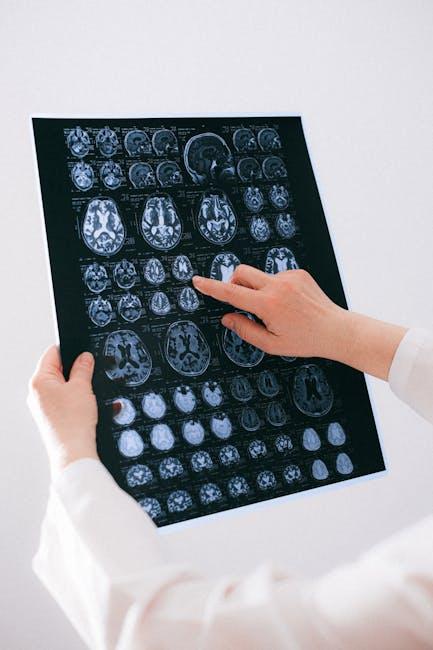
- MRI of the brain (with diffusion-weighted imaging): Gold-standard for detecting acute infarcts, demyelination, tumors.
- CT scan: Useful for acute hemorrhage or when MRI is unavailable.
- Electroencephalography (EEG): If seizures are suspected.
- Laboratory tests: Rule out metabolic derangements,infections,or anemia.
- Vestibular function tests: electronystagmography, caloric testing, video head-impulse tests.
For complex cases, referral to a neurologist or an otoneurologist may be necessary. Latest diagnostic pathways are continually updated by the National Institute of Neurological Disorders and Stroke (NINDS).
Management and Prognosis of Neurological Dizziness
The management of neurological dizziness hinges upon the underlying cause:
- Acute stroke: May necessitate thrombolysis, antiplatelet therapy, or endovascular intervention. Prognosis improves with early treatment (ASA: Stroke Treatments).
- Multiple sclerosis: Disease-modifying therapies and supportive care (NMSS: Treating MS).
- Vestibular migraine: Trigger avoidance, migraine prophylactics, vestibular rehabilitation (Healthline: Vestibular Migraine Treatment).
- Brain tumors: May require surgery, radiotherapy, or chemotherapy (NIH: Brain Tumor Treatments).
Prognosis is highly variable, depending on timely diagnosis and management of the neurological disorder. Early intervention remains the cornerstone of favorable outcomes.
Frequently Asked questions (FAQ)
Is all dizziness a sign of serious illness?
No, most individuals experience benign causes such as dehydration, mild inner ear disturbances, or anxiety. However, sudden or severe dizziness associated with neurological symptoms mandates urgent assessment [MedlinePlus: Dizziness].
Can anxiety cause neurological-like dizziness?
Yes. Panic disorders and anxiety attacks can cause symptoms that closely mimic neurological dizziness, including derealization, imbalance, and even transient visual changes. Nonetheless, underlying neurological causes should be excluded when in doubt [Harvard Health Publishing].
When should I see a doctor for dizziness?
Seek urgent care if dizziness is sudden, persistent, or associated with neurological deficits, chest pain, palpitations, or severe headache. For recurrent or unexplained dizziness, consult a healthcare provider for thorough evaluation [NHS: Dizziness].
What can I do at home if my dizziness is mild?
For mild and transient episodes, ensure adequate hydration, avoid sudden changes in position, and rest as needed. Avoid driving or operating machinery until symptoms resolve. Though, persistent or worsening dizziness warrants medical evaluation [Mayo Clinic: Dizziness Treatment].
Prevention and Patient Education
- Control vascular risk factors: Attentive management of hypertension, diabetes, and cholesterol reduces risk of stroke and TIA.
- Medication review: Some medications can exacerbate dizziness; consult your healthcare provider.
- Fall prevention: Use assistive devices, remove environmental hazards, and engage in balance exercises to reduce injury risk.
- Educate on warning symptoms: Awareness of red flags, such as sudden weakness or double vision, can expedite medical intervention.
- Vestibular rehabilitation: Supervised therapy enhances adaptation and recovery in many central and peripheral disorders.
Further guidance for patients is available through the CDC: Falls Prevention and NHS Dizziness Resources.
Conclusion
Dizziness is a complex, multifactorial symptom that may occasionally mask a critical neurological disorder. Differentiating benign from neurological causes requires a meticulous symptom history, focused exam, and judicious use of diagnostic tests. Sudden, persistent, or debilitating dizziness—particularly with neurological warning signs—demands urgent medical evaluation to prevent catastrophic outcomes.
If unsure, err on the side of caution: seek prompt professional assessment. Patient safety and timely intervention remain the cornerstones of navigating the intricate landscape of dizziness and its neurological implications.
References
- CDC: Falls and Older adults
- Mayo Clinic: Dizziness Causes
- American Stroke Association: Stroke Symptoms
- NCBI: HINTS Examination
- NHS: Dizziness
- NCBI: Vertigo and Stroke
- Harvard health Publishing: Dizziness
- American Family Physician: Dizziness