
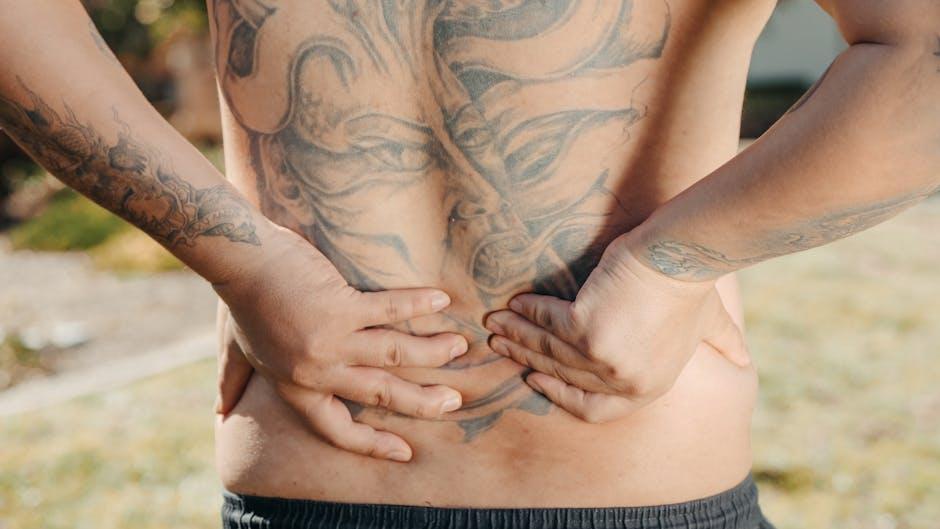
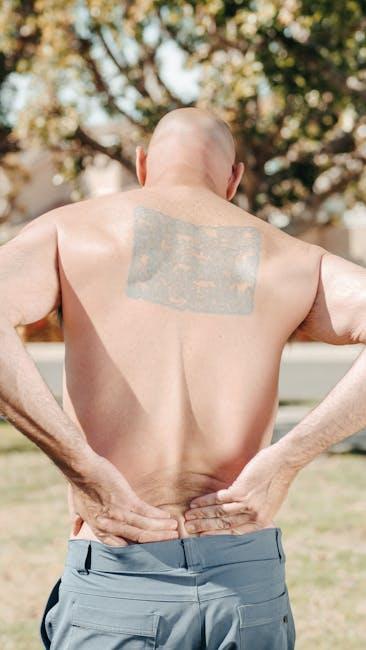
Lower back pain after standing for long periods explained
Introduction
Lower back pain is among the most common musculoskeletal complaints globally, affecting millions of individuals irrespective of age, occupation, or lifestyle. According to the World Health Institution (WHO), musculoskeletal disorders, with low back pain at the forefront, are a leading cause of disability worldwide. epidemiological data from the Centers for Disease Control and Prevention (CDC) indicate that approximately 39% of adults in the United States reported experiencing back pain in 2019–2021.Frequently enough, individuals notice or worsen lower back pain after standing for long periods, especially those in occupations such as healthcare, retail, or manufacturing. Understanding the mechanisms of “lower back pain after standing for long periods” is essential for effective prevention, management, and improving quality of life.
Overview and Definition
Lower back pain, medically termed lumbago, refers to discomfort or dysfunction localized to the lumbar region of the spine. The lumbar spine comprises five vertebrae—L1 to L5—which support much of the body’s weight and facilitate movement and flexibility in the torso. According to PubMed literature, lower back pain is commonly classified as either acute (lasting less than six weeks), subacute (six to twelve weeks), or chronic (persisting more than twelve weeks).
ural or activity-induced lower back pain, such as pain experienced after standing for prolonged periods, is usually categorized as mechanical back pain. This subtype results from the mechanical interplay between muscles, ligaments, intervertebral discs, joints, and neural tissues in the lumbar region. Data from the national Institutes of Health (NIH) reveal a global lifetime prevalence of low back pain ranging from 60% to 80%, making it a significant public health concern.
Causes and Risk Factors
Several multifactorial causes and risk factors contribute to lower back pain after prolonged standing. Understanding thes can help individuals, clinicians, and employers tailor appropriate interventions.
1. Biomechanical Strain
Standing for extended periods increases the gravitational load on the spinal column and supporting musculature. The static contraction required to maintain a standing ure induces muscular fatigue, especially in the erector spinae, gluteal, and hamstring muscle groups. Over time, this cumulative strain can result in micro-tearing, spasms, or myofascial pain, exacerbated by poor ergonomics or suboptimal footwear (Mayo Clinic).
2. Intervertebral Disc Pressure
The lumbar intervertebral discs act as shock absorbers. Prolonged upright stance increases intradiscal pressure, notably on the L4-L5 and L5-S1 levels, which are most susceptible to degenerative changes. degeneration or mild herniation can trigger pain by irritating spinal nerves (Harvard Health Publishing).
3. ural Imbalances
individuals with pre-existing ural abnormalities—such as scoliosis, pelvic tilt, or excessive lumbar lordosis—may experience uneven forces across the lumbar spine when standing. Chronic ligamentous stretching or shortened musculature can predispose individuals to recurrent pain (Medical News Today).
4.Inflammatory and Degenerative Disorders
Standing can aggravate pain in those with osteoarthritis, degenerative disc disease, or spondylolisthesis. Persistent inflammation or progressive joint degeneration reduces spinal stability and impairs movement,contributing to discomfort during or after prolonged standing (PubMed).
5. Obesity and Physical Inactivity
Obesity increases axial loading on the lumbar spine, while a sedentary lifestyle leads to weakened core stabilizers. Both conditions amplify the mechanical burden during standing, predisposing individuals to pain (CDC).
6.Occupational and Environmental Factors
Jobs requiring long hours of uninterrupted standing—such as healthcare, teaching, manufacturing, or retail—are closely linked with higher rates of lower back pain. Hard or uneven flooring, inadequate breaks, and poor ergonomic design further elevate the risk (OSHA).

Pathophysiology: What Happens to the Back During Prolonged Standing?
The interaction between spinal alignment, vertebral loading, muscle activation, and neural pathways explains the pathophysiology behind lower back pain after standing. Muscle overuse and ischemia play a major role; as muscles become fatigued, their ability to stabilize the spinal column diminishes, leading to micro-instabilities and potentially painful spasms. Additionally, venous pooling and reduced arterial circulation in the lumbar musculature can produce ischemic pain and exacerbate muscular soreness (NCBI).
The excessive and uneven pressure exerted on lumbosacral discs during standing has been shown to hasten disc degeneration. over time, breakdown of disc material can result in radial tears or herniation, with subsequent nerve root irritation. Mechanical stress to the facet joints and ligaments further drives localized swelling and nociceptor sensitization, compounding pain perception (JAMA Network).
Clinical Presentation: Symptoms and Associated Signs
The hallmark symptom is a dull, aching pain in the lower back, often described as a sense of stiffness or soreness that intensifies the longer a person stands. Other common symptoms include:
- Sense of tightness or muscle spasms in the lumbar and gluteal regions
- Pain radiating to the buttocks or thighs (but not below the knee in non-radicular cases)
- Relief with sitting, lying down, or spinal flexion
- Fatigue or burning sensation in the lower back muscles
- Reduced range of motion and flexibility
In cases involving nerve root involvement (radiculopathy), numbness, tingling, or weakness in the legs may be present, warranting urgent clinical assessment (Mayo Clinic).
Differential Diagnosis: Excluding Other Medical Conditions
An accurate diagnosis is essential to rule out potentially serious causes of lower back pain, such as:
- Herniated disc
- Spinal stenosis
- Ankylosing spondylitis
- Infection (e.g., vertebral osteomyelitis)
- Neoplasms (spinal tumors)
- Visceral referred pain (e.g., from abdominal or pelvic organs)
Diagnostic investigations—including physical examination, medical imaging (MRI, X-ray), and laboratory testing—help exclude these conditions and confirm a mechanical, ure-related etiology (NHS UK).
Epidemiology: Who is Most at Risk?
Epidemiological data suggest that lower back pain after standing is especially prevalent in:
- Adults ages 30–60
- Individuals who are overweight or obese
- People with previously sedentary lifestyles or weak core muscles
- Workers in jobs requiring prolonged standing or heavy lifting
- Women, possibly due to anatomical and hormonal differences
- Individuals with prior history of back injury or degenerative disease
A extensive review published in The Lancet confirms that both occupational and lifestyle factors significantly impact the onset and course of lower back dysfunction.
Diagnosis and Clinical Assessment
Diagnosis follows a thorough clinical protocol:
- Patient history: Duration,character,and triggers of pain; occupational exposure; associated symptoms
- Physical examination: Palpation for tender points,range of motion testing,neurological assessment
- imaging and laboratory studies: MRI and X-rays to visualize disc integrity and vertebral alignment; laboratory tests to rule out infection or systemic disease
According to Healthline, most cases can be diagnosed based on clinical history and examination, with imaging reserved for red flags or refractory symptoms.
Prevention Strategies
Clinical guidelines emphasize that prevention is key. Effective strategies include:
- Ergonomic interventions: Anti-fatigue mats,adjustable workstations,supportive footwear (OSHA)
- Regular movement and microbreaks: Changing position,brief walking,and stretching every 20–30 minutes (CDC NIOSH)
- Exercise and strengthening programs: Focus on core, hip, and back muscles; yoga and Pilates (Harvard Health)
- Weight management: Maintaining a healthy BMI to reduce lumbar load
- Education and training: Proper ure, lifting mechanics, and awareness of early warning signs
Treatment Options: Evidence-Based Approaches
Treatment for lower back pain after standing is guided by clinical severity, duration, and individual comorbidities. Evidence-based interventions include:
1. Non-pharmacological Therapies
- Physical therapy: Tailored exercise regimens, manual soft tissue mobilization, and education (NIH PMC)
- Heat or cold therapy: Short-term muscular pain relief (Healthline)
- Cognitive-behavioral therapy: Addressing maladaptive pain perceptions, especially in chronic cases (NIH PMC)
2. Pharmacological Options
- NSAIDs: First-line for pain and inflammation, as advised by medlineplus
- Topical analgesics: Creams or patches as adjunct therapy
- Muscle relaxants: For persistent muscular spasms (short-term use only)
- Avoidance of opioids: Except under specialist guidance due to risk of dependency
3. Interventional and Surgical Management
- Epidural corticosteroid injections: Considered for radiculopathy unresponsive to conservative care (Mayo Clinic)
- Surgery: Reserved for severe, refractory, or neurologically complicated cases
Rehabilitation and Long-Term Management
Long-term management combines supervised physical therapy, gradual return-to-activity, and ongoing ergonomic modifications. Multidisciplinary approaches, involving physical therapists, occupational therapists, and pain specialists, are associated with superior outcomes (JAMA Network).
Chronic pain sufferers may also benefit from mind-body therapies,such as mindfulness-based stress reduction or Tai Chi,which have demonstrated efficacy in reducing pain intensity and improving functional status (NIH PMC).
Prognosis and Quality of Life
With timely intervention and adherence to prevention strategies, most individuals with lower back pain after standing for long periods experience full or partial symptom relief within weeks. Recurrence is common, especially in those with ongoing occupational exposures or untreated risk factors, highlighting the need for consistent self-care and workplace adaptations (Mayo Clinic).
When to Seek Medical advice
Immediate healthcare evaluation is warranted for:
- sudden, severe, or disabling back pain
- Neurological deficits (leg weakness, numbness, bowel or bladder changes)
- Unexplained weight loss, fever, or history of cancer
- Pain persisting beyond six weeks or worsening despite self-management
Early assessment enables prompt identification and management of potentially serious underlying conditions (CDC).
Frequently Asked Questions (FAQs)
- Why does my lower back hurt after standing for just a few minutes?
prolonged standing can fatigue lumbar musculature and increase disc loading quickly in individuals with risk factors such as deconditioning or poor ure.
- Can changing shoes help prevent back pain?
Yes. Well-cushioned, supportive footwear helps reduce mechanical stress on the lumbar spine, especially on hard surfaces (Harvard Health).
- Is there a “correct” standing ure to prevent lower back pain?
Optimal ure involves maintaining a neutral spine, engaging core muscles, and distributing weight evenly over both feet (Healthline).
- When does standing-related back pain warrant imaging?
Imaging is recommended if pain does not improve with conservative care, or if symptoms suggest nerve involvement or serious underlying pathology.
Conclusion
Lower back pain after standing for long periods is a pervasive,multifactorial health challenge. Maintaining spinal health requires a holistic approach encompassing prevention, early recognition of symptoms, and evidence-based interventions tailored to individual needs. As research continues to elucidate the mechanisms underlying ural and activity-induced back pain, healthcare providers can better guide patients towards sustained relief and improved occupational and daily functioning.
For more information, consult trusted organizations such as the World Health Organization,CDC, or your healthcare provider.