
7 Everyday Habits That Quietly Trigger Lower Back Pain
Introduction
Lower back pain is one of the most prevalent and debilitating health complaints across the globe, affecting individuals of all ages and backgrounds. According too the World Health Institution (WHO), musculoskeletal disorders like lower back pain are the leading contributors to disability worldwide, impacting more than 1.7 billion people. In the United States alone, over 25% of adults report experiencing lower back pain within the last three months as per the CDC.These staggering numbers highlight not only the immense clinical and economic burden of lower back pain but also its profound impact on quality of life, productivity, and mental well-being.In this article, we delve into the subtle, everyday habits that quietly amplify the risk of developing lower back pain, often going unrecognized until significant discomfort or disability arises.
Overview and Definition
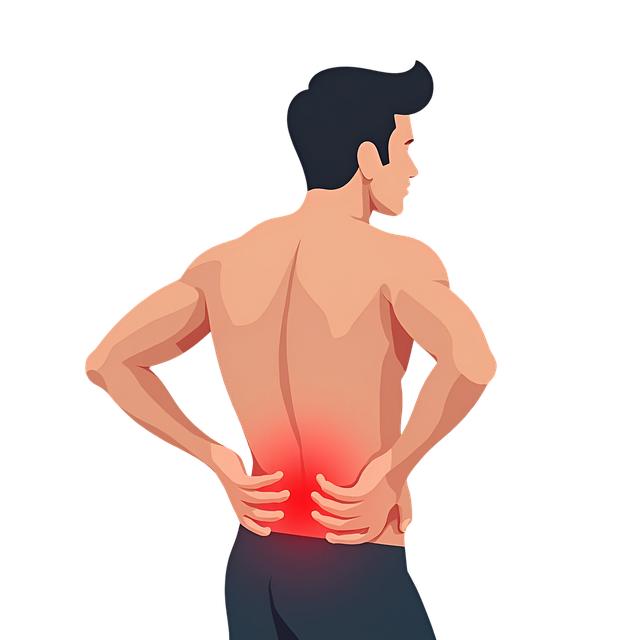
Lower back pain, clinically referred to as lumbago, is defined as pain, muscle tension, or stiffness localized below the costal margin and above the inferior gluteal folds, with or without leg pain (PubMed). It primarily affects the lumbar spine, which supports the majority of the upper body’s weight and allows for a wide range of movements, including flexion, extension, and rotation.
Lower back pain can be classified as:
- Acute: Lasting less than six weeks
- Subacute: Lasting between six and twelve weeks
- Chronic: Lasting longer than twelve weeks
It may be further sub-classified based on pathophysiology, such as:
- mechanical (non-specific) back pain: Often related to strain or degeneration of muscles, ligaments, discs, or joints
- Radicular (sciatica): Related to nerve root compression, commonly the sciatic nerve
- Secondary back pain: Due to a specific, identifiable cause (such as infection, malignancy, or fracture)
The National Institutes of Health (NIH) estimate that approximately 80% of adults experience lower back pain at some point during their lifetime, making it the most common cause of job-related disability and a leading reason for missed work days.Its prevalence highlights the need for understanding preventable and modifiable risk factors.
Causes and Risk Factors
the etiologies of lower back pain are complex and multifactorial, involving biological, genetic, environmental, and behavioral components. Recognized causes and risk factors include:
- Muscle or ligament strain from repeated heavy lifting or a sudden awkward movement (Mayo Clinic).
- Degenerative disc disease and age-related wear and tear that lead to reduced spinal cushioning and flexibility (Harvard Health).
- Structural problems such as herniated discs, spinal stenosis, or scoliosis.
- Obesity, sedentary lifestyle, and poor physical conditioning increasing spinal load and weakening musculoskeletal support.
- Poor ure and ergonomics, which can create chronic strain and maladaptive musculoskeletal adaptation.
- poor dietary habits, smoking, and psychological stress can modulate pain perception and healing.
- Genetic predisposition and family history of back pain or musculoskeletal disorders.
Inflammatory mechanisms, metabolic dysfunction (such as type 2 diabetes), and certain occupations with repetitive or prolonged sitting, standing, or vibration exposure can further increase the risk of developing lower back pain (NIH PMC).

7 Everyday Habits that Quietly Trigger Lower Back Pain
1. Prolonged Sitting and Sedentary Lifestyle
Sustained sitting-whether at a desk, in a car, or in front of a screen-places considerable stress on the lumbar spine and its supporting muscles. Epidemiological studies confirm that sedentary behavior is independently associated with a higher risk of developing chronic lower back pain (JAMA Internal Medicine). Sitting, especially with poor ure, flattens the spinal curves, increases intradiscal pressure, and leads to muscular imbalances and reduced flexibility. Over time, intervertebral discs may degenerate, and core stabilizing muscles can atrophy from disuse (Healthline).
Notably, the act of standing up and moving every 30-60 minutes has been shown to significantly reduce pain episodes and improve lumbar muscle activation. Office workers, drivers, and students are at particular risk, emphasizing the need for mindful movement and regular breaks (CDC NIOSH).
2. Poor ure During Everyday Activities
Poor ure-slumping shoulders, hunching over electronic devices (sometimes referred to as “tech neck”), or standing with a misaligned spine-can put excessive strain on spinal ligaments and paraspinal muscles. Over time, these maladaptive positions change the loading pattern on the spine and lead to pain syndromes, as confirmed by clinical and occupational studies (PubMed PMC).
Common ural pitfalls include leaning forward at a desk, sitting on overly soft couches without lumbar support, or carrying bags unevenly. Patients frequently develop myofascial pain, disc compression, and osteoarthritic changes due to persistent poor ure. Corrective ergonomic adjustments-using chairs with lumbar support, keeping screens at eye level, and maintaining joint alignment-are crucial for prevention (Mayo Clinic).
3. Improper Lifting and Carrying Techniques
Lifting objects-especially heavy items-using the back rather of the legs remains one of the primary causes of both acute and chronic lumbar pain.Technique errors, such as twisting during a lift or holding objects far from the body’s midline, amplify disc pressure and risk of muscle or ligament injury (NCBI Bookshelf).
Employing proper mechanics-bending at the knees and hips, keeping the load close, avoiding twisting, and tightening core muscles-dramatically reduces lower back strain (NHS). Employers and manual laborers should receive up-to-date training in safe lifting practices to mitigate work-related back injuries.
4. inadequate Physical Activity or Core Weakness
Regular physical activity, notably exercises that target core strength, is essential for spinal health. Weak core muscles (abdominals, pelvic floor, and deep back muscles) inadequately support the lumbar vertebrae, predisposing individuals to instability and pain (harvard health).
A lack of physical activity also contributes to poor circulation,reduced flexibility,and increased risk for obesity-all recognized contributors to chronic lower back pain. Evidence demonstrates that tailored exercise regimens, combining aerobic, strength, and flexibility training, result in significant pain reduction and improved function (PubMed PMC).
5. suboptimal Sleep Habits and Mattress Quality
The impact of sleep on musculoskeletal health is increasingly recognized by modern medical research. Poor sleep ure-such as sleeping on excessively soft or worn mattresses, or in positions that promote spinal misalignment-can trigger or exacerbate lower back pain (Medical News Today).
Both insufficient restorative sleep and sleep disorders like insomnia or sleep apnea have been linked to higher rates of chronic back pain (PubMed). Selecting a mattress that supports spinal curves,using pillows to optimize body alignment,and addressing sleep hygiene are evidence-based recommendations for prevention.
6. Footwear Choices and Walking mechanics
Seemingly minor choices like footwear can have outsized effects on lumbar biomechanics. High heels, unsupportive shoes, and poorly fitted footwear can alter gait, increase lumbar lordosis, and transfer abnormal forces to the lower back (Healthline).
Abnormal walking patterns (such as limping, excessive pronation, or flat feet) have been associated with increased risk for lower back pain (PubMed PMC). Proper footwear with arch support and attention to gait mechanics can help distribute forces evenly and mitigate risk.
7. Chronic Psychological Stress and Poor Stress Management
The bi-directional relationship between mind and body is particularly evident in back pain. prolonged psychological stress activates the hypothalamic-pituitary-adrenal (HPA) axis, increases systemic cortisol levels, and is shown to cause muscle tension, inflammation, and heightened pain perception (NIH PMC).
Chronic stress reduces pain thresholds, impairs healing, and is associated with higher rates of chronic musculoskeletal pain syndromes-including lower back pain. Mindfulness practices,cognitive-behavioral therapy,and stress reduction programs offer clinically validated strategies for both prevention and management (mayo Clinic).
Prevention and Evidence-Based Recommendations
Proactive prevention remains the most effective approach to reducing the lifetime risk of lower back pain and its associated disability. Evidence-based recommendations include:
- Integrating regular, moderate-intensity physical activity that combines aerobic, strengthening, and mobility exercises (CDC).
- Ergonomic adjustments for work and home environments, including proper desk height, chair support, and screen placement.
- Adopting proper body mechanics for all lifting, bending, and twisting activities.
- Maintaining a healthy body mass index (BMI) through balanced nutrition and physical activity.
- Choosing well-fitted, supportive footwear and being mindful of walking mechanics.
- Employing good sleep hygiene practices and investing in a high-quality mattress that maintains spinal alignment (see Sleep Foundation).
- Incorporating stress management techniques, mindfulness, and psychosocial support into daily routines.
For individuals with persistent or severe symptoms, consulting a healthcare provider is essential for diagnosis, personalized care, and prevention of long-term disability.
Diagnosis, treatment, and Clinical Management
Early diagnosis of back pain relies on a thorough assessment of history, risk factors, physical examination, and-were indicated-advanced imaging such as MRI or CT scans (NIH PMC). Most cases are “non-specific” and do not involve serious underlying pathology; however, red flag symptoms (e.g., significant trauma, unexplained weight loss, fever, neurological deficits) warrant urgent evaluation.
Therapeutic protocols for lower back pain are multidisciplinary and may include:
- First-line pharmacologic agents (nsaids, acetaminophen) and topical analgesics
- Physical therapy to restore movement, strength, and function
- Cognitive-behavioral therapy and psychosocial support
- Education about activity modification, ergonomics, and home exercises
- In severe or intractable cases, advanced interventions such as injections or surgical referral (Mayo Clinic)
Prognosis and Quality of life
The prognosis for acute lower back pain is generally favorable, with the majority of cases resolving within a few weeks when evidence-based recommendations are followed. Chronic or recurrent pain can significantly impact quality of life,psychosocial functioning,and productivity. Early intervention, rehabilitation, and ongoing preventive measures are associated with better outcomes, reduced recurrence, and enhanced well-being (Harvard Health).
Conclusion
While lower back pain remains a leading cause of disability worldwide, much of its burden is linked to modifiable, everyday habits that are often overlooked. By recognizing and addressing these subtle contributors-including sedentary behaviors, poor ure, improper lifting, lack of physical activity, suboptimal sleep, poor footwear, and unmanaged stress-individuals can take meaningful action to protect their spinal health. Empowered with scientifically grounded facts,the path to a more active,pain-free life is well within reach.
Further Reading and Resources
- WHO: Musculoskeletal conditions
- NIH: Back Pain
- CDC: Basics of Back Pain
- NIH PMC: clinical Practice Guidelines for Low Back Pain
- Mayo Clinic: Back pain – Symptoms and Causes