
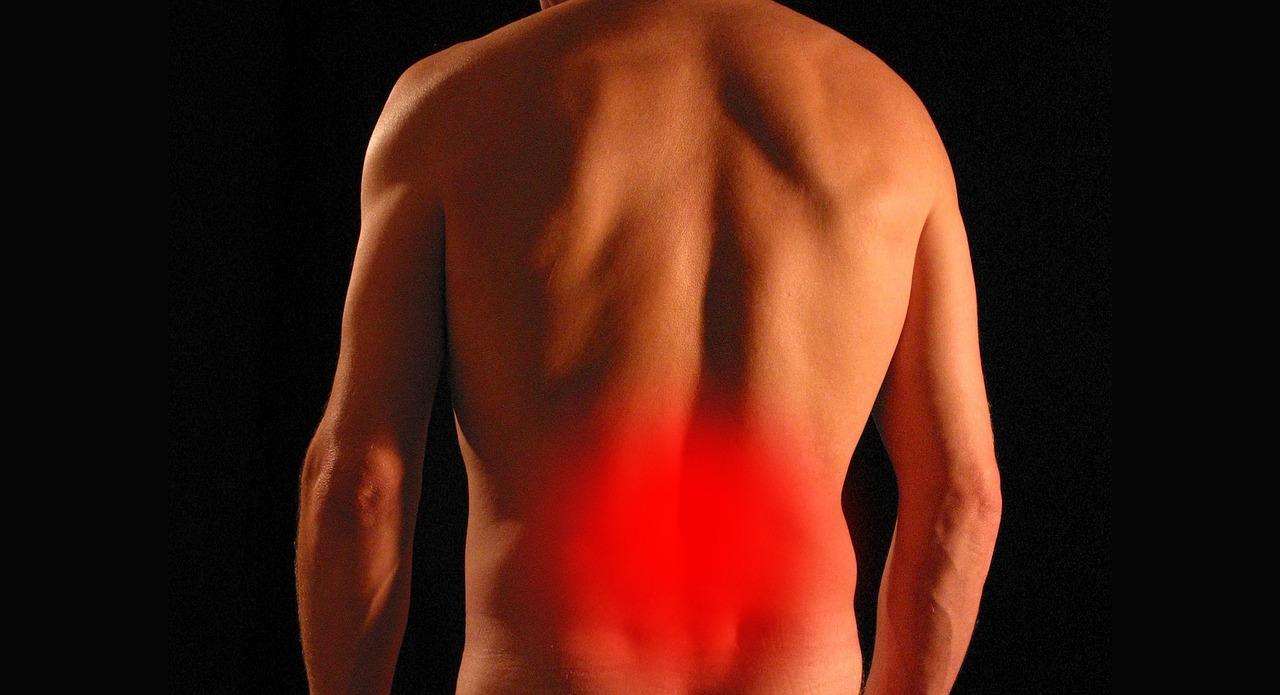
When Lower Back Pain Is More Than Just Muscle Strain
Introduction
Lower back pain is one of the most common reasons for visits to healthcare providers worldwide, affecting people of all ages and backgrounds. According to the world Health Organization (WHO), musculoskeletal conditions, including lower back pain, are the leading contributors to disability globally, affecting nearly 1.71 billion people. In the United States, the Centers for Disease Control and Prevention (CDC) reports that approximately 25% of adults experience at least one day of lower back pain during a three-month period. Yet, while muscle strain accounts for many acute cases, there are instances when lower back pain is more than just muscle strain. Recognizing the signs of serious underlying conditions is crucial for timely intervention, improved prognosis, and prevention of long-term disability.
Overview and Definition
The clinical definition of lower back pain encompasses discomfort localized between the lower costal margins (ribs) and the gluteal folds (buttocks), with or without leg pain. Lower back pain can be classified as acute (<6 weeks), subacute (6-12 weeks), or chronic (>12 weeks), as outlined by the National Institutes of Health (NIH). While most cases are due to benign musculoskeletal causes, such as muscle or ligament strain, lower back pain may also result from degenerative, inflammatory, infectious, malignant, or neurological etiologies.
Globally, low back pain is the single leading cause of years lived with disability (YLDs), especially in working-age adults (The Lancet). The lifetime prevalence in industrialized countries ranges from 60-70%, making it a considerable public health concern (PMCID: PMC3489448). Lower back pain is not a single disease but a symptom with multiple potential underlying causes that can involve the musculoskeletal, neurological, urogenital, or even vascular systems.
Causes and Risk Factors
While acute lower back pain frequently results from mechanical or musculoskeletal factors, a considerable subset stems from more complex or serious pathologies. Understanding these causes and their risk factors is essential for clinicians and patients.
Musculoskeletal Causes
- Muscle or ligament strain: Sudden movements, heavy lifting, awkward falls, or overuse commonly cause small tears or stretching (Mayo Clinic).
- Degenerative disc disease: The intervertebral discs can lose water content and degenerate with age, leading to chronic pain (Harvard Health).
- Facet joint dysfunction: Inflammation or degeneration of the joints that connect vertebrae can mimic or cause back pain.
Neurological Causes
- Herniated or ruptured disc: When the soft nucleus of a spinal disc bulges out, it can compress nearby spinal nerves, causing pain, numbness, or weakness (NHS).
- Spinal stenosis: Narrowing of the spinal canal can compress the spinal cord or nerves, presenting with pain or neurologic deficits (NIH Research Matters).
- Sciatica: Compression or irritation of the sciatic nerve, often by a herniated disc, leads to radiating pain down the leg (CDC Sciatica Data).
Inflammatory and Rheumatologic Disorders
- Ankylosing spondylitis: This chronic inflammatory disease primarily affects the axial skeleton, presenting as persistent, inflammatory back pain in younger adults (Mayo Clinic Ankylosing Spondylitis).
- Othre spondyloarthropathies: Conditions such as psoriatic arthritis and reactive arthritis may also cause lower back pain via sacroiliac joint inflammation.
- Inflammatory bowel disease (IBD): Associated with musculoskeletal manifestations, including lower back pain in Crohn’s disease and ulcerative colitis (PMCID: PMC3461672).
Infectious causes
- Spinal infections: Osteomyelitis, discitis, and epidural abscess are rare but critical diagnoses that may present as severe, non-mechanical back pain often accompanied by fever or neurologic symptoms (Mayo Clinic Spinal Infection).
- Urinary tract or kidney infections: Pyelonephritis can present with lower back pain, particularly if accompanied by urinary symptoms (PMCID: PMC6761778).
Neoplastic Causes (Tumors)
- Primary or metastatic spinal tumors: Malignancies can involve the vertebrae, spinal cord, or adjacent tissues, frequently presenting as severe, night-predominant, or progressive pain (National Cancer Institute).
- Multiple myeloma and lymphoma: Hematologic malignancies may involve the spine and present with bone pain or risk of fractures (Healthline on Cancer and Back Pain).
Visceral Causes
- Aortic aneurysm: Abdominal aortic aneurysms, particularly in older adults, can present as deep, persistent lower back pain and pose a risk of rupture (Mayo Clinic Abdominal Aortic Aneurysm).
- gynecological conditions: Endometriosis or pelvic inflammatory disease can refer pain to the lower back (Medical News Today on Endometriosis Back Pain).
Risk Factors
Risk factors encompass age, genetics, obesity, occupational demands, sedentary lifestyle, poor ure, smoking, history of trauma or surgery, and systemic illness. Several studies highlight the strong association between low socioeconomic status and high prevalence of chronic lower back pain (PMCID: PMC4848158).

When To Suspect Serious Underlying Causes
Identifying ‘red flag’ symptoms is critical to differentiating benign from potentially serious causes of lower back pain. According to the National Institute for Health and Care Excellence (NICE) and other major guidelines (PMCID: PMC4079854), the following features should prompt urgent clinical evaluation:
- Unexplained weight loss
- Persistent night pain or pain at rest
- Fever, chills, or other signs of systemic infection
- Cancer history
- Immunosuppression (e.g., HIV, chronic steroid use)
- Age <20 or >50 years with new onset of severe pain
- Neurological deficits (e.g., leg weakness, numbness, bowel/bladder incontinence)
- Intravenous drug use
- Recent trauma, especially with osteoporosis risk
These symptoms indicate potential spinal infection, malignancy, cauda equina syndrome, or referred visceral pain, among other causes, and necessitate urgent workup.
Clinical Evaluation: History and Physical Examination
A meticulous clinical assessment is the backbone of identifying patients who may require further investigation. Key steps include:
- History: Onset, duration, character, aggravating/alleviating factors, associated symptoms (neurological, constitutional, urinary or GI symptoms), occupational/recreational history.
- Physical examination: Inspection, palpation, assessment of spinal alignment, neurological examination (reflexes, strength, sensation), straight-leg raise test, and evaluation for systemic signs (fever, pallor).
Standardized assessment tools such as the Oswestry Disability index or the Roland-Morris Disability Questionnaire can also guide clinical decision-making (PMCID: PMC3560484).
Diagnostic Approach: When Imaging and Laboratory Tests Are Needed
Guidelines from the JAMA Network and American College of Physicians (ACP) emphasize that routine imaging is not recommended for uncomplicated acute lower back pain without red flag features. Though, specific situations warrant advanced diagnostics:
- Plain X-rays: Suspected fracture (trauma, osteoporosis), neoplasia, severe degenerative disease.
- MRI: Neurological signs, suspicion of infection, malignancy, cauda equina syndrome.
- CT scans: option if MRI not available/tolerated, or for bony detail.
- Blood tests: Erythrocyte sedimentation rate (ESR), C-reactive protein (CRP), complete blood count (CBC) for infection or inflammatory markers.
- Urinalysis, tumor markers, or other systemic tests based on clinical suspicion.
The judicious use of investigations, supported by evidence-based clinical governance, ensures appropriate resource utilization without needless exposure (NHS Diagnosis of Back Pain).
Specific conditions When Lower Back Pain Is Not Just Muscle Strain
For individuals presenting with lower back pain that is atypical, severe, persistent, or associated with concerning systemic or neurological symptoms, the following frequently encountered-or sometimes missed-conditions must be considered:
1. Disc Herniation and Nerve Root Compression
Disc herniations most commonly affect the lumbar region (L4-L5, L5-S1 levels).Herniated disc material can compress nerve roots, leading to radiculopathy characterized by sharp, shooting pain, sensory paresthesia, and, in severe cases, motor weakness (Mayo clinic Herniated Disk).
- Clinical features: Sciatica, positive straight-leg raise test, dermatomal numbness, weak ankle or toe movement.
- Treatment: Most resolve with conservative management, but severe neurologic deficits or cauda equina syndrome require urgent surgical intervention.
2. Spinal Stenosis
Lumbar spinal stenosis, commonly due to degenerative changes, results in narrowing of the spinal canal and compression of cord or nerve roots. It is indeed especially prevalent among older adults (Harvard Health Spinal Stenosis).
- Clinical features: Neurogenic claudication, bilateral leg numbness/weakness, pain relieved by flexion, worsened with walking or extension.
- Treatment: Physical therapy,analgesia,epidural steroid injections,surgical decompression for refractory cases.
3. Infections (Discitis,Osteomyelitis,Epidural Abscess)
Back pain due to infection is rare but serious,presenting as severe,persistent pain with fever,malaise,or neurological deficits. Risk factors include immunosuppression, IV drug use, or recent interventions (Healthline Spinal Epidural abscess).
- Clinical features: Constant pain, systemic illness, local tenderness, potential neurological decline.
- Treatment: Hospitalization, IV antibiotics, surgical drainage if required.
4. Malignancy (Primary or Metastatic)
Malignancy should be suspected in patients with a prior cancer history, persistent unremitting pain (especially nocturnal), weight loss, or age over 50. Metastatic disease more frequently affects the spine than primary tumors (NCI Spinal Tumors).
- Clinical features: constant dull pain, local tenderness, neurological symptoms in advanced cases.
- Treatment: Oncology referral, surgical or radiotherapeutic intervention based on tumor type and severity.
5. vertebral Compression Fracture
Sudden severe back pain following minor trauma, especially in older adults or those on corticosteroids, may indicate a vertebral compression fracture due to osteoporosis (NHS Osteoporosis).
- Clinical features: Acute pain, kyphotic deformity, reduced mobility.
- Treatment: Pain control, bracing, physiotherapy, and agents to strengthen bone density (bisphosphonates, calcium, vitamin D).
6. Inflammatory Back Disease (e.g.,Ankylosing spondylitis)
Unlike mechanical back pain,inflammatory back disease presents in younger adults as morning stiffness,pain at rest,gradual onset,and improvement with exercise (Mayo clinic Ankylosing Spondylitis).
- Clinical features: Nocturnal pain, alternating buttock pain, improvement with movement.
- Treatment: NSAIDs, physical therapy, biologic agents in severe cases.
7. Cauda Equina Syndrome
A neurosurgical emergency caused by compression of the lumbosacral nerve roots, cauda equina syndrome presents with bilateral leg weakness, saddle anesthesia, urinary retention or incontinence, and severe back pain (NHS Cauda Equina Syndrome).
- Clinical features: Perianal numbness, erectile dysfunction, bowel/bladder changes.
- Treatment: Immediate MRI and surgical decompression to prevent permanent neurological deficit.
8.Abdominal Aortic Aneurysm (AAA)
A ruptured or leaking AAA can present with profound, sudden lower back pain, hypotension, and pulsatile abdominal mass in older adults. Rapid diagnosis and intervention are essential to reduce mortality (Mayo Clinic AAA).
9. Visceral Referred Pain
Pain from pelvic, renal, gastrointestinal, or reproductive organs may be misinterpreted as musculoskeletal back pain.Examples include nephrolithiasis, endometriosis, and pancreatitis (Medical News Today Endometriosis).
Therapeutic Approaches and Management
Effective management of lower back pain depends on accurate diagnosis and targeted therapy. Treatments range from conservative therapies for benign causes to urgent surgical or systemic intervention for serious pathology.
- Conservative management: analgesia (acetaminophen,NSAIDs),physical therapy,core strengthening,ergonomic modifications (NIH Research Matters).
- Interventional procedures: Nerve blocks, epidural steroid injections, radiofrequency ablation for persistent symptoms due to nerve or joint pathology.
- Surgical intervention: Reserved for cases of neurological deficit, severe spinal stenosis, cauda equina syndrome, infection, malignancy, or instability.
- Multidisciplinary rehabilitation: Particularly for chronic pain,integrating physiotherapists,psychologists,occupational therapists,and pain specialists for holistic care (Phoenix Rising Multidisciplinary Clinics).
Prevention and Prognosis
The prognosis for lower back pain varies with etiology.most acute presentations resolve within days to weeks; however, conditions such as malignancy or infection require prompt treatment to avoid morbidity. Prevention strategies focus on modifiable risk factors:
- Maintaining a healthy weight and regular exercise, focusing on core muscle strength
- Proper lifting techniques and ergonomic workstations
- Smoking cessation, as tobacco use impairs spinal circulation (PMCID: PMC3428139)
- Managing comorbidities such as osteoporosis and diabetes
Early recognition of serious causes, patient education on red flag symptoms, and regular follow-up can considerably lower the risk of chronicity and complications (Harvard Health Back Pain).
Frequently Asked Questions (FAQs)
- How can I tell if my back pain is serious? – Persistent pain, especially with weight loss, night pain, fever, or leg weakness, warrants prompt medical evaluation.
- When is MRI or advanced imaging needed? – If you have neurological symptoms, trauma, suspicion of infection or cancer, or no improvement after 4-6 weeks of evidence-based management (Healthline MRI for Back Pain).
- What self-care is best for mild lower back pain? – Remain active as tolerated, use heat/ice, non-prescription analgesics, and consider physiotherapy for persistent pain.
Conclusion
Most cases of lower back pain result from benign causes and resolve with self-care or conservative management. However, it is imperative to recognize when lower back pain is more than just muscle strain. Timely identification of red flag symptoms, a thorough evaluation, and an evidence-based, multidisciplinary approach ensure that serious conditions are not missed and that patients receive the most appropriate care. Empowering patients and clinicians with accurate, up-to-date information, supported by robust scientific evidence, is central to reducing the global burden of lower back pain and improving patient outcomes.
references
- WHO – Musculoskeletal Conditions Fact Sheet
- CDC – Back Pain Statistics
- Mayo Clinic – Back Pain overview
- Harvard Health - Back Pain Diagnosis and Treatment
- PMCID: PMC3489448 – Low Back pain Overview
- NHS - Back Pain Diagnosis
- JAMA – evaluation of Back Pain