
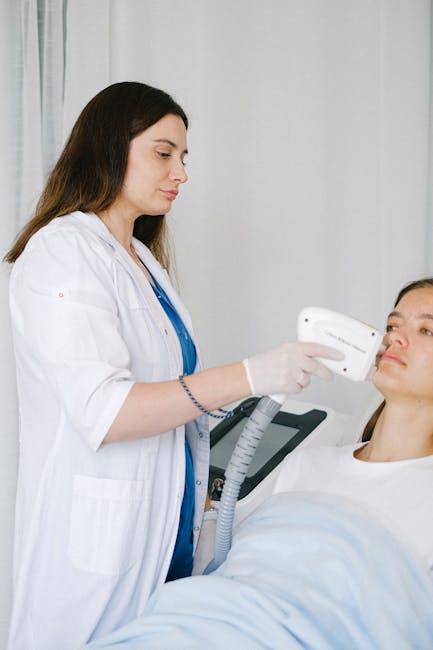



what to Expect From an Annual Wellness Visit
Introduction
Annual wellness visits are a cornerstone of preventive medicine, enabling early detection of disease, personalized risk assessment, and promotion of overall health and longevity. According to the Centers for Disease Control and Prevention (CDC), regular preventive care visits can reduce the risk and severity of chronic illnesses and improve health outcomes at every stage of life. These visits are distinct from problem-specific medical appointments, as their primary purpose is to ensure proactive, comprehensive management of your health without an acute complaint. Understanding what to expect during an annual wellness visit empowers patients to take an active role in their health care and fosters a collaborative relationship between providers and patients.
Purpose and Objectives of an Annual Wellness Visit
The annual wellness visit is a structured, preventive healthcare encounter focused on holistic health maintenance rather than acute disease management. The overarching goals include:
- Risk Assessment: Evaluating your personal and family health risks and modifiable lifestyle factors.
- Early Detection: facilitating the early identification of asymptomatic conditions via screening protocols in accordance with established guidelines.
- Chronic Disease Management: Reviewing and optimizing management of known chronic conditions to prevent complications and promote optimal function.
- Immunization and Preventive Measures: ensuring adherence to vaccination schedules, cancer screenings, and other preventive recommendations as per age and risk profile.
- Patient Education: engaging in shared decision-making,health coaching,and fostering self-efficacy for healthy behaviors.
The importance of these visits is underscored by evidence that regular well-person care improves morbidity and mortality for a variety of conditions (JAMA Internal Medicine).
How an Annual Wellness visit Differs from a Physical Exam
A critical distinction exists between the annual wellness visit and the customary physical examination. The CDC and Medicare define an annual wellness visit primarily as a focused review of your medical history, risk factors, and preventive strategies, not a head-to-toe physical assessment. While certain physical measurements (e.g., blood pressure, weight, body mass index) are routinely obtained, the annual wellness visit’s emphasis is on prevention, planning, and patient engagement.Any acute complaint or concern requiring targeted examination may necessitate a separate visit.
This differentiation ensures that preventive needs do not become secondary to acute care and that both domains receive appropriate attention.
Preparing for Your Annual Wellness Visit
Planning optimizes the value of the visit and allows your healthcare provider to deliver personalized, actionable care. Consider the following steps:
- List Your Medications: Bring an accurate and up-to-date list of all prescription and over-the-counter medications, supplements, and herbal products. The U.S.Food & Drug Governance (FDA) recommends keeping medication lists for review and reconciliation.
- Document Medical and Surgical History: Include hospitalizations, surgeries, allergies, and chronic or acute diagnoses.
- Family Health History: Update or collect information about your parents, siblings, and children, focusing on cardiovascular disease, cancer, diabetes, and genetic disorders (MedlinePlus).
- Immunization Record: provide documentation of prior and recent vaccinations.
- Lifestyle Review: Be ready to discuss your diet, physical activity, tobacco, alcohol, and other substance use.
- Questions & Concerns: Prepare a list of specific health questions or symptoms you want to address.
Components of an Annual Wellness Visit
A standard annual wellness visit is systematic, evidence-based, and tailored to individual patient factors. The following components are widely endorsed in clinical practice guidelines (U.S.Preventive Services Task Force).
Comprehensive Health History Review
Your provider will systematically review your personal, family, and social history. this includes chronic conditions, prior hospitalizations, surgeries, and immunizations. Detailed family history assists in assessing risk for hereditary conditions. Social determinants of health-such as living situation, support systems, education, housing, and occupational risks-are increasingly recognized for their impact on health outcomes (JAMA).
Vital Signs and Anthropometric Measurements
During the visit, objective data are collected, including:
- Blood Pressure: Hypertension is a strong predictor of cardiovascular, renal, and cerebrovascular disease (CDC – Blood Pressure Facts).
- Heart Rate and Respiratory Rate
- Height, Weight, and Body Mass Index (BMI): These metrics quantify obesity and guide risk assessment for cardiometabolic disorders.
Cognitive and Mood Screening
Cognitive impairment and depression frequently enough remain underdiagnosed. Evidence-based tools such as the Montreal Cognitive Assessment (MoCA),Mini-Mental State Exam,and depression screeners (PHQ-2/PHQ-9) may be administered based on age and risk factors (NIH – Cognitive Assessment).
Screening for chronic diseases
Your annual wellness visit incorporates recommended screenings based on age, sex, and medical history, including:
- Diabetes: Fasting glucose and HbA1c are indicated for at-risk individuals (CDC – Diabetes).
- Dyslipidemia: lipid panel screening for elevated cholesterol and triglycerides links to cardiovascular risk (Mayo Clinic – Cholesterol Testing).
- Hypertension: Blood pressure is routinely measured, as described above.
- Obesity: BMI and waist circumference guide risk stratification for metabolic and cardiovascular disease.
-
Cancer Screenings: Age-appropriate cancer screenings may be discussed or ordered:
- Colorectal cancer (colonoscopy, stool-based tests): Recommended for adults aged 45-75 (CDC – colorectal Cancer Screening).
- Breast cancer (mammography): Women aged 40 and older, per risk profile (CDC – Breast Cancer Screening).
- Cervical cancer (Pap smear, HPV testing): Women aged 21-65 (CDC – Cervical Cancer Screening).
- Prostate cancer (PSA test): Shared decision-making for men depending on age and family history (CDC – Prostate Cancer).
- Lung cancer (low-dose CT): For high-risk smokers/ex-smokers (CDC – Lung Cancer Screening).
Immunization Status
Assessment of your vaccination record is essential for preventing infectious diseases. Focus areas include:
- Influenza: Annually, for all adults (CDC – Flu Vaccine).
- Tetanus, Diphtheria, Pertussis (Td/Tdap): Booster every 10 years.
- Pneumococcal and Shingles Vaccines: Especially for adults over 50 (CDC – adult Vaccines).
- COVID-19 vaccination: As per current recommendations (CDC – COVID-19 Vaccines).
lifestyle and Risk Factor Assessment
A comprehensive review of lifestyle behaviors is pivotal. Evidence shows that unhealthy diet,physical inactivity,excessive alcohol use,and tobacco use account for a substantial proportion of preventable disease burden worldwide (WHO – Noncommunicable Diseases). Your provider will discuss:
- Nutrition and diet quality
- Physical activity level
- Alcohol intake
- Tobacco, e-cigarette, or substance use
- Sleep habits
- Sexual health and risk behaviors
tailored counseling is provided, and referrals for smoking cessation, nutrition counseling, or behavioral health are arranged when indicated.
medication Review and reconciliation
Polypharmacy and inappropriate prescribing are important issues, notably among older adults. The annual wellness visit offers an ideal chance to reconcile all medications, assess adherence, identify potential drug-drug or drug-disease interactions, and deprescribe when indicated (NIH – Polypharmacy and Medication Review).
Fall and Safety Risk Assessment
For older adults and those with mobility or sensory impairments,screening for fall risk,home safety,and driving ability is advisable (CDC – falls in Older Adults). This may involve functional assessment, review of balance and gait, and home safety checklists.

Advance care Planning and Health Maintenance Planning
Discussions about advance directives, living wills, and durable power of attorney are increasingly incorporated, empowering patients to articulate care preferences (NIH – Advance Care Planning). The visit concludes with a personalized health plan that outlines recommended screenings, follow-up intervals, and target health goals for the coming year.

Evidence-Based Benefits of the Annual Wellness Visit
A robust body of scientific evidence supports the impact and value of annual wellness visits in improving long-term health outcomes:
- Increased Preventive Care Utilization: Studies demonstrate a direct association between annual wellness visits and increased rates of recommended cancer screening, immunizations, and chronic disease monitoring (JAMA Internal Medicine).
- Improved Chronic Disease Outcomes: Regular follow-up increases the likelihood of detecting new diseases and optimizes disease control, reducing complications from hypertension, diabetes, and other chronic illnesses (NIH – Preventive Health Visits).
- Reduced Mortality and Morbidity: Preventive health engagement is associated with lower mortality from some cancers and reduced hospitalization rates for preventable conditions (The Lancet).
- Enhanced Health Literacy and Patient Engagement: Counseling and education provided in these visits empower patients to make informed, evidence-based choices (Harvard Health Publishing).
Addressing Common Patient Questions
Is Bloodwork Performed at Every Annual Wellness Visit?
Routine laboratory testing is individualized based on age, risk profile, and existing comorbidities (USPSTF Recommendations).Common blood tests may include lipid profile, blood glucose/A1c, liver and kidney function tests, and thyroid function testing. Not all tests are required annually for all patients; your provider will determine the most clinically appropriate panel in alignment with evidence-based guidelines.
Will my Insurance Cover the Visit?
Most insurance plans-including Medicare and Medicaid-cover the annual wellness visit as a preventive benefit, separate from problem-specific visits (Medicare.gov). It is indeed critically important to verify with your insurer regarding coverage details and whether co-pays or deductibles apply to any resulting laboratory or diagnostic tests.
What If I Have a New or Acute Symptom?
The annual wellness visit is not a substitute for visits addressing acute or new symptoms. If new health concerns arise,inform your provider,who may schedule a separate evaluation to ensure your preventive care is not overshadowed by urgent medical needs.
How Long Does an Annual Wellness Visit Last?
Annual wellness visits typically last between 30 and 60 minutes. This duration allows for a thorough preventive assessment, risk stratification, counseling, and planning.
What Should I Bring to the Appointment?
- Current medication and supplement list
- Updated family and personal health history
- Vaccination records
- Specialist or hospital discharge summaries
- Advance directive or healthcare proxy documentation, if applicable
- Written questions or concerns
Patient Empowerment: Maximizing the Value of Your Annual Wellness Visit
Active patient participation is a key determinant of preventive care effectiveness (NIH – Shared Decision Making). To maximize the benefit:
- Engage in open discussion with your provider about lifestyle risks, mental health, and preventive needs.
- Request clarification regarding all recommendations and potential side effects of any new interventions.
- Follow up on laboratory or imaging results, and adhere to any referrals made during the visit.
- Update your provider between visits if significant health events occur.
Ongoing engagement in preventive health strategies has demonstrated benefits not only for individual patients but also for public health outcomes by reducing healthcare costs and improving quality of life.
Addressing Barriers to Annual Wellness Visits
Despite clear benefits, significant barriers persist:
- Access to Care: Geographic, financial, and logistical barriers may limit access. Telemedicine, community outreach, and expanded clinic hours are strategies to address these (CDC - Prevention and Access).
- Health Literacy: Understanding of preventive care can be low among the general population (CDC – Health Literacy). Education initiatives and use of plain language are recommended.
- Time Constraints: Busy schedules may discourage annual visits.Early scheduling and efficient office workflows help mitigate this.
- Cultural and Psychosocial Factors: Patient beliefs, stigma, and trust in the healthcare system influence care seeking. Culturally sensitive care, patient navigation, and community health workers increase engagement.
The Role of Technology in Annual Wellness Visits
Technology increasingly supports the efficacy and reach of annual wellness visits:
- Electronic Health Records (EHRs): Facilitate tracking of preventive services, reminders, and population health management (HealthIT.gov).
- Patient Portals: Enable appointment scheduling, interaction, and test result review.
- Telemedicine: Expands access to preventive counseling and follow-up, particularly for rural or underserved populations (CDC – Telehealth).
- Digital Health Tools: Apps and wearable technology assist in self-monitoring of blood pressure, glucose, physical activity, and medication adherence.
While technology cannot replace in-person assessment and examination when needed, it offers important adjunctive support to preventive care delivery.
Special Considerations by Population
Pediatric and Adolescent Annual Wellness Visits
Children and adolescents receive age-appropriate screening for growth, development, behavioral health, immunizations, and risk behaviors. developmental and behavioral screening are pivotal in early identification and intervention.
Reproductive and Sexual Health
Reproductive health screening-including contraception counseling, pregnancy planning, and sexually transmitted infection (STI) prevention-is integral for appropriate populations (CDC – Reproductive Health). Preconception counseling is coordinated with annual wellness visits for women of childbearing age.
older Adults and Geriatric Assessment
Older adults benefit from focused attention to polypharmacy, fall risk, frailty, memory, and sensory issues, as well as discussion of advance care planning. Assessment of ability to perform activities of daily living (ADLs) and risk for elder abuse or neglect is included (NIH – Wellness Visits in Older Adults).
Conclusion
The annual wellness visit is a cornerstone of evidence-based, preventive medicine, offering a comprehensive framework for health promotion, disease prevention, and patient-centered care. Emphasizing risk assessment, screening, immunization, lifestyle modification, and patient empowerment, these visits have a demonstrable impact on long-term health outcomes, quality of life, and health system sustainability. By understanding what to expect and actively engaging in the process, individuals and families can optimize the benefits of annual wellness visits throughout the lifespan.
For additional information and instructions specific to your age, gender, and risk profile, visit the CDC Preventive Health page or consult your primary care provider.
References
- CDC: About Chronic Disease Prevention
- JAMA Internal Medicine: Association of Annual Wellness Visits and Preventive Care
- U.S. Preventive Services Task Force (USPSTF): Recommendations
- NIH: Annual Wellness Visit
- CDC: Adult Immunization schedules
- FDA: Medication List
- NIH: Polypharmacy and Medication Review
- MedlinePlus: Family Health History
- The Lancet: Preventive Care Impact
- CDC: Blood Pressure Facts