


<img class="vimage_class" src="https://healthblog.s3.eu-north-1.amazonaws.com/wp-content/uploads/2025/11/21033115/97251.jpeg" alt="irritable bowel syndrome diet”>
What to Eat If You Have Irritable Bowel Syndrome (IBS)
Introduction
Irritable Bowel Syndrome (IBS) is a prevalent,functional gastrointestinal disorder characterized by recurrent abdominal discomfort,bloating,and altered bowel habits.according to the Centers for Disease Control and Prevention (CDC), IBS affects approximately 10-15% of the global population, with significant impacts on quality of life, work productivity, and healthcare utilization. while IBS lacks a universally accepted pathophysiological mechanism, dietary factors are consistently recognized as crucial triggers and modulators of symptoms. An evidence-based and medically supervised dietary strategy remains the foundation of contemporary IBS management, aiming to alleviate symptoms, prevent complications, and promote gastrointestinal well-being. This comprehensive guide details the optimal dietary approach for individuals with IBS, synthesizing the latest scientific research and clinical consensus.

Understanding IBS: A Clinical Overview
IBS is classified as a functional gastrointestinal disorder marked by chronic or recurrent abdominal pain associated with defecation or a change in bowel habits-classified into subtypes including IBS-D (diarrhea predominant), IBS-C (constipation predominant), and IBS-M (mixed type) [NHS]. The etiology is multifactorial, involving altered gut-brain axis signaling, visceral hypersensitivity, dysmotility, immune activation, and alterations of the gut microbiota [Gastroenterology]. Gastrointestinal symptoms frequently enough fluctuate in response to dietary intake,making nutritional interventions critically critically important.
In clinical practice, the diagnosis of IBS is established based on Rome IV criteria after excluding red-flag symptoms and other organic gastrointestinal diseases [NIH]. As IBS has many potential triggers,personalized dietary approaches are paramount for effective symptom management.
How Diet Impacts IBS Symptoms
Over 70% of IBS patients report that their symptoms worsen after meals [NIH]. several common mechanisms underpin diet-related IBS flares:
- fermentation of carbohydrates: Certain carbohydrates (FODMAPs) are poorly absorbed and fermented by colonic bacteria, producing gas and distension.
- Changes in gut motility: Specific foods can influence intestinal transit time, affecting stool consistency and urgency.
- Intestinal hypersensitivity: Some individuals have heightened visceral sensitivity to bowel distension caused by dietary factors.
- Microbiome alterations: Food choices can shift the balance of gut microbiota, influencing inflammation and gut barrier function.
Individual responses to foods vary widely, reinforcing the need for tailored, evidence-based dietary strategies in IBS care.
General Dietary Principles for IBS Management
While “one-size-fits-all” does not apply to IBS, several overarching dietary recommendations are widely accepted by clinicians, gastroenterologists, and registered dietitians. The British Dietetic Association and international guidelines recommend:
- Adopting regular meals and eating patterns.
- Limiting high-fat and processed foods,which can exacerbate gastrointestinal symptoms.
- Ensuring adequate hydration (at least 8 cups/2 liters of fluid per day, preferably water).
- Reducing caffeine (to no more than 2-3 cups/day) and alcohol intake.
- Ensuring adequate dietary fiber, focusing on soluble fibers.
For most individuals, a combination of individualized adjustments and core dietary principles yields optimal results [NICE Guidance].
The Low FODMAP Diet: Evidence and Implementation
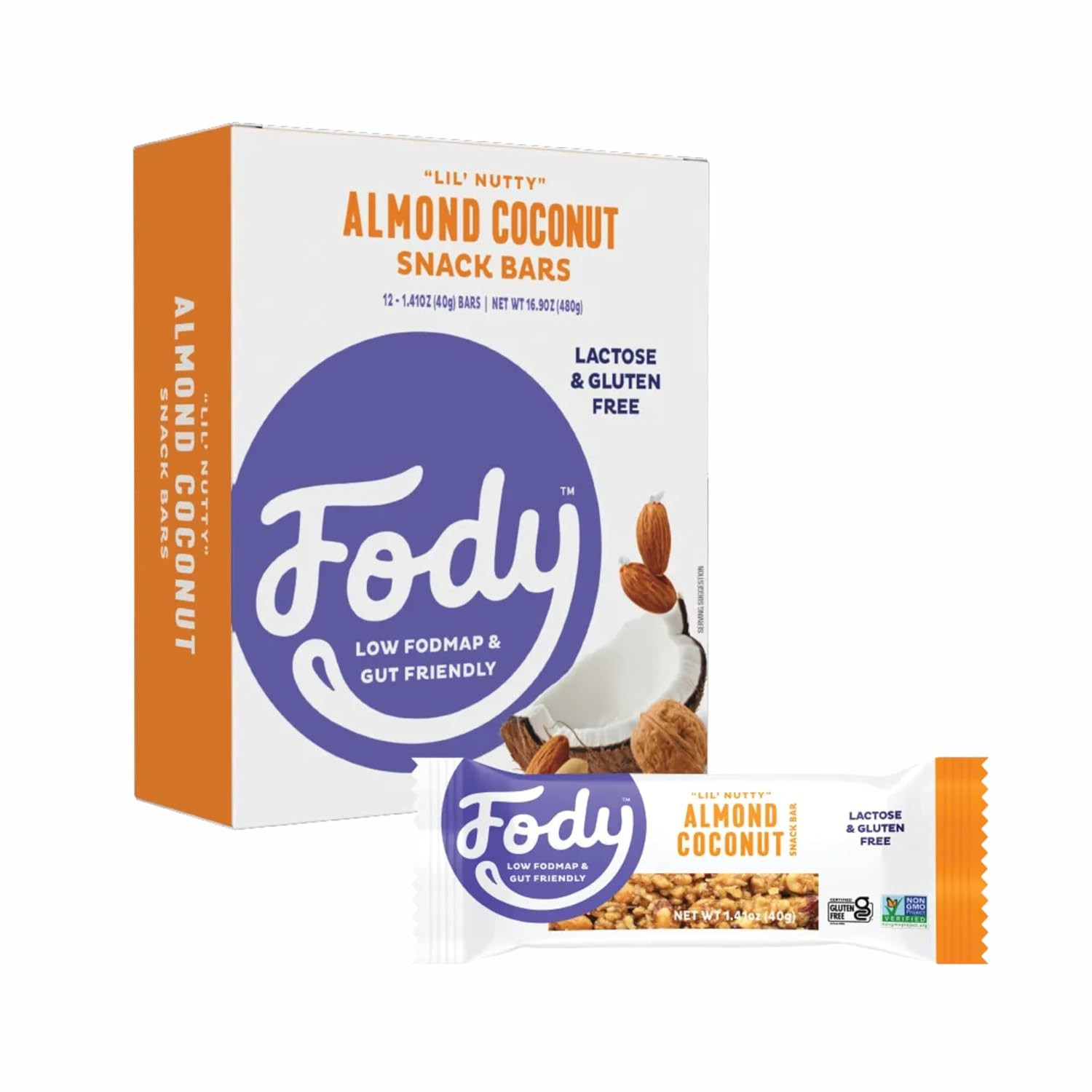
The most scientifically supported dietary intervention for IBS is the low FODMAP diet. FODMAPs-an acronym for fermentable oligo-, di-, mono-saccharides, and polyols-are specific short-chain carbohydrates that can worsen IBS symptoms by increasing luminal water content and gas production [Mayo Clinic].
Multiple randomized controlled trials and meta-analyses demonstrate that a low FODMAP diet can significantly reduce global IBS symptoms in up to 70% of patients [JAMA]. The protocol typically involves three phases:
- Elimination: Strictly avoid all high-FODMAP foods for 4-6 weeks.
- Reintroduction: Gradually reintroduce FODMAP groups (e.g., fructans, galacto-oligosaccharides) to determine individual tolerance.
- Personalization: Maintain a long-term diet tailored to each patient’s unique sensitivities and nutritional needs.
High-FODMAP Foods to Limit or Avoid
| FODMAP Group | Examples |
|---|---|
| Fructans | Wheat,onions,garlic,rye,barley,inulin |
| Galacto-oligosaccharides (GOS) | Beans,lentils,chickpeas,soybeans |
| Fructose | Apples,pears,watermelon,mango,honey,high-fructose corn syrup |
| Lactose | Milk,soft cheeses,yogurt,ice cream |
| polyols | Stone fruits (plums,cherries,avocado),sweeteners (sorbitol,mannitol,xylitol) |
For an up-to-date,evidence-based list of FODMAP foods,refer to Monash University, the leading source on this dietary protocol.
Low-FODMAP Foods That Are IBS-Friendly
- Proteins: Eggs, fish, poultry, beef, firm tofu
- Grains: Rice, oats, quinoa, polenta, cornflakes
- Fruits: Bananas, blueberries, grapes, oranges, strawberries
- vegetables: Carrots, cucumbers, tomatoes, zucchini, eggplant, leafy greens
- Dairy substitutes: Lactose-free milk, hard cheeses (cheddar, Swiss), plant-based milks (almond, rice)
It is essential to consult with a registered dietitian or specialized healthcare provider when undertaking the low FODMAP diet to prevent nutritional shortfalls [Harvard Health].

Fiber and IBS: Type, Benefits, and Risks
Dietary fiber is a double-edged sword in IBS management. While increasing fiber can help some patients (especially those with IBS-C), it can worsen bloating and discomfort in others, especially if the fiber type or intake is inappropriate [NIH].
Soluble vs. Insoluble Fiber
- Soluble fiber (found in oats, psyllium, peeled fruits, carrots, potatoes) absorbs water, forming a gel-like substance that regulates stool formation and eases bowel movements.
- Insoluble fiber (bran, seeds, whole grains, raw leafy vegetables) adds bulk to stools and can aggravate symptoms such as bloating, gas, and abdominal cramps in sensitive individuals.
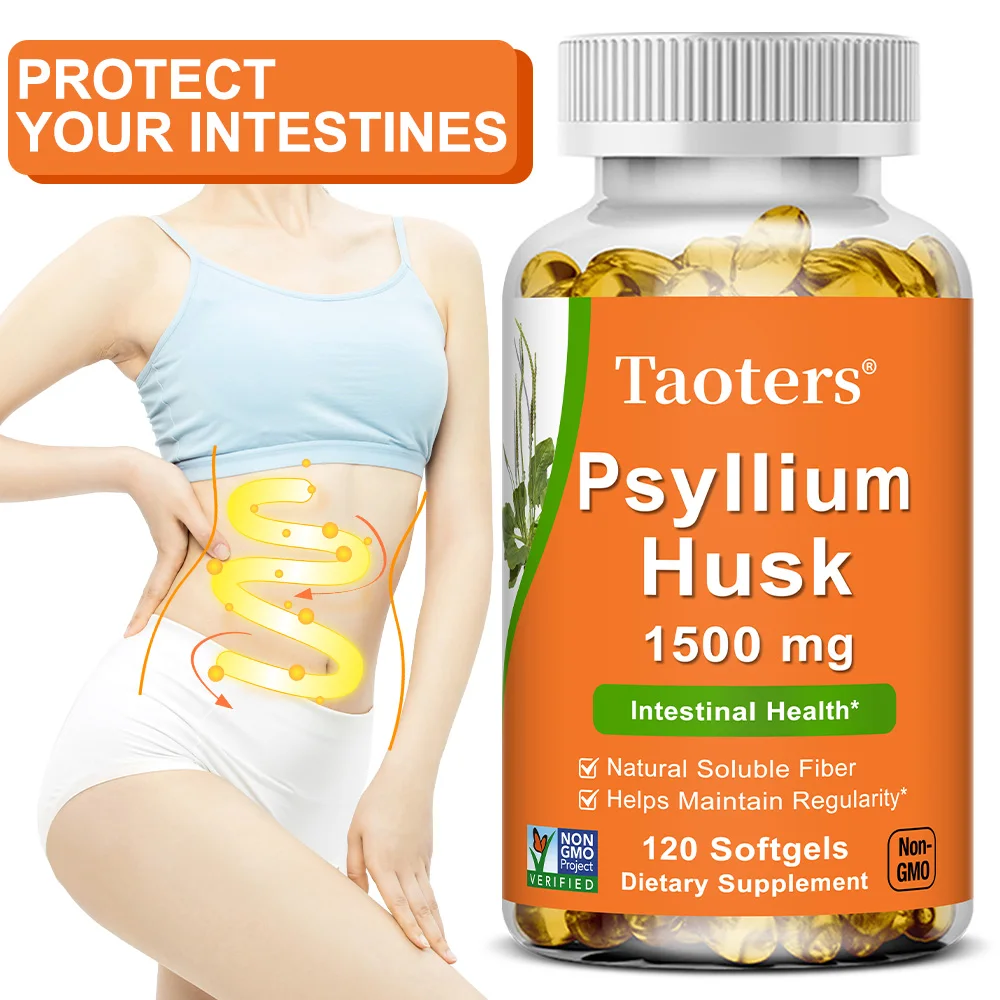
Scientific guidelines recommend prioritizing soluble fiber over insoluble fiber for most IBS patients.Products such as psyllium husk have robust evidence for improving stool regularity and reducing IBS symptoms [The Lancet].
dairy and Lactose Intolerance in IBS
Lactose intolerance-impaired digestion of the lactose sugar found in milk-often overlaps with IBS, particularly in individuals of East Asian, African, or Mediterranean descent [NIH]. Symptoms may include bloating, diarrhea, and cramping after consuming standard dairy products.
Recommendations include:
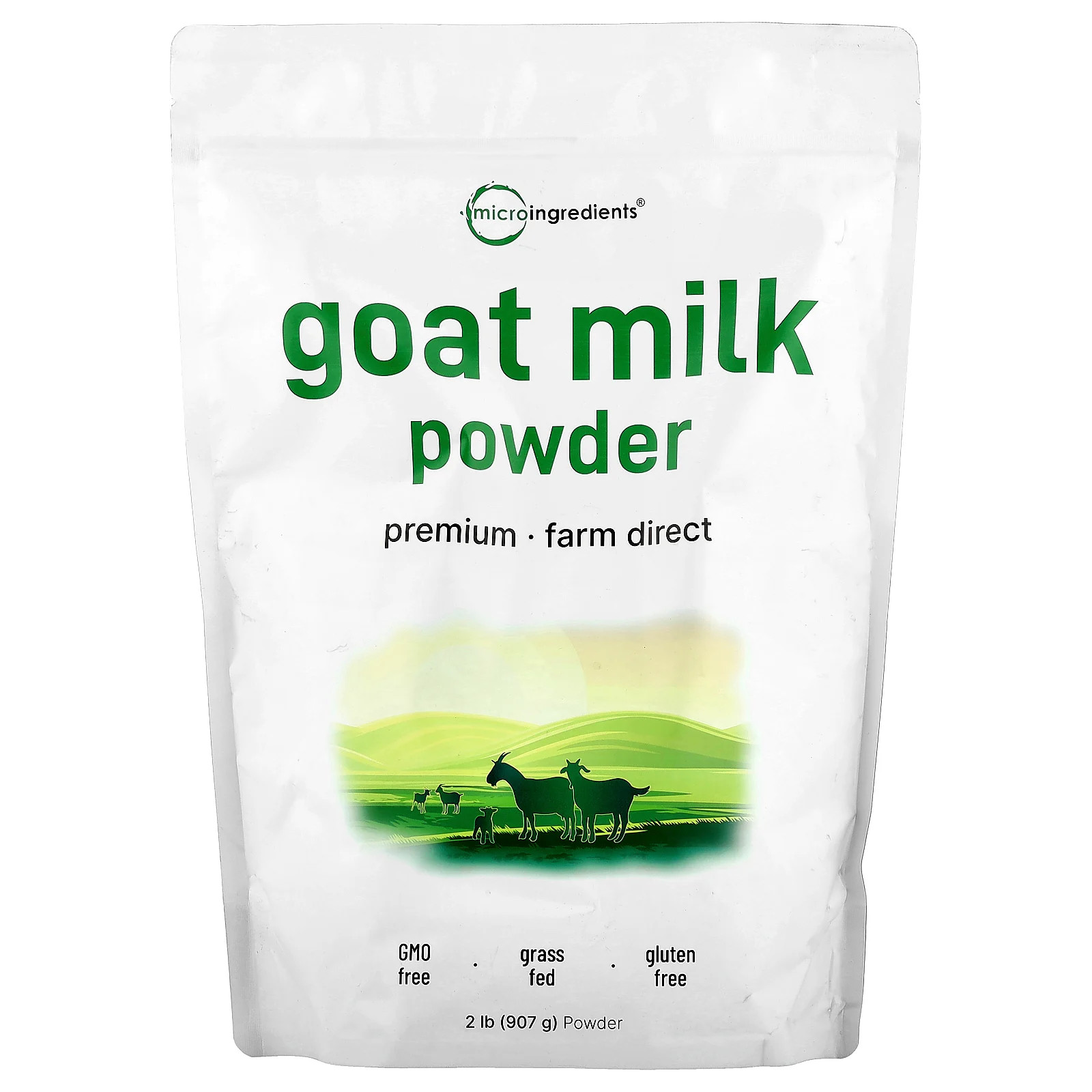
- Selecting lactose-free or low-lactose dairy alternatives (lactose-free milk, aged cheeses, yogurt with live cultures).
- Incorporating dietary calcium via non-dairy sources, such as fortified plant milks, leafy greens, canned salmon, and almonds.
If restricting dairy,ensure adequate intake of calcium and vitamin D to maintain bone health (NIH ODS).
Role of Specific Foods in IBS: Triggers and Tolerable Options
Foods Commonly Reported to Trigger IBS Flare-Ups
- High-fat foods: Fried foods, fatty meats, creamy sauces, pastries.
- Gas-producing vegetables: Cabbage, broccoli, cauliflower, Brussels sprouts, garlic (due to fodmaps).
- Artificial sweeteners: Sorbitol, mannitol, xylitol, isomalt-commonly found in sugar-free gum, candy, and some processed foods.
- Spicy foods: Chili peppers and hot seasonings can irritate the GI tract.
- Caffeinated beverages: Coffee, energy drinks, and caffeinated sodas may increase intestinal motility.
- alcohol: Particularly beer, wine, and high-proof spirits, which can disrupt gut motility and microbiota.
- Chocolate: High-fat/low-fiber chocolate can worsen symptoms in susceptible individuals.
These foods are frequently implicated in symptom exacerbation. keeping a food diary can help identify personal sensitivities and guide exclusion.
IBS-Tolerant and Gut-Friendly Foods
- Lean proteins: Skinless chicken, turkey, fish, eggs, tofu
- Low-FODMAP vegetables: Spinach, carrots, zucchinis, eggplants, bell peppers
- Fruits (in small, spaced portions): Kiwis, oranges, strawberries, cantaloupe
- Gluten-free grains: Oats, quinoa, rice, millet, polenta
- Nuts and seeds (in moderation): Almonds, chia, pumpkin seeds (monitor for FODMAP content)
- Lactose-free or well-tolerated dairy (as above)
Each individual may have unique tolerances, so gradual introduction of new foods is recommended.
Probiotics and Fermented Foods
The role of the gut microbiome in IBS is an area of intense research.Probiotic supplementation and fermented foods have shown mixed but promising results in reducing global IBS symptom severity, particularly bloating and flatulence.
Probiotics strains such as Bifidobacterium infantis, Lactobacillus plantarum, and Lactobacillus rhamnosus appear most effective according to randomized trials [Harvard Health]. However,not all patients benefit,and effects are typically strain-specific and dose-dependent.
- Fermented foods: Lactose-free yogurts, kefir, tempeh, sauerkraut, and kimchi (choose low-FODMAP types and moderate portions).
Discuss with yoru gastroenterologist or dietitian before starting probiotics, as quality and potency vary widely across brands [Gastroenterology].
Managing IBS Subtypes: Diet Strategies for IBS-D, IBS-C, and IBS-M
Since IBS manifests variably, targeted dietary interventions are often necessary:
IBS with Diarrhea (IBS-D)
- Reduce insoluble fiber (e.g., bran, seeds, and raw leafy vegetables)
- Avoid high-fat and spicy foods
- Limit caffeine and sorbitol
- Focus on soluble fiber sources to help normalize stool form
A low FODMAP strategy has strong evidence for efficacy in IBS-D.
IBS with Constipation (IBS-C)
- Increase soluble fiber (such as psyllium husk or oats), but introduce slowly to avoid gas
- Ensure adequate hydration
- Increase physical activity as adjunct therapy
Some patients may benefit from fiber supplementation, but always monitor tolerance and titrate gradually.
IBS with Mixed Bowel Habits (IBS-M)
- Monitor personal response to fiber types and FODMAPs
- Maintain regular eating times and a balanced intake
- Track symptoms alongside food consumption using a standardized food diary
Practical Tips: Building an IBS-Friendly Meal Plan
-
Plan Meals Around Low-FODMAP, Soluble-Fiber-rich Foods:
- Base each meal on a lean protein, low-FODMAP vegetable, and gluten-free whole grain
-
Eat Smaller, Regular Meals:
- This reduces gut overload and mitigates prandial discomfort or bloating
-
Chew Food thoroughly and Eat Slowly:
- Promotes digestion and minimizes excessive swallowing of air (aerophagia)
-
Read Labels diligently:
- Be mindful of “hidden” high-FODMAP ingredients in processed foods and snacks
-
consult a Registered Dietitian:
- Customized guidance ensures nutritional adequacy and sustainable symptom relief
Sample IBS-Friendly Meal Plan (One Day Example)
| Meal | IBS-Friendly Choices |
|---|---|
| Breakfast | Oatmeal with sliced ripe banana and almond milk; scrambled eggs; peppermint tea |
| Snack | Blueberries and a handful of walnuts |
| Lunch | Grilled chicken breast, quinoa salad with spinach, carrots, and a drizzle of olive oil; orange slices |
| Snack | Lactose-free yogurt with chia seeds |
| Dinner | Baked salmon, sautéed zucchini, steamed rice; kiwi for dessert |
This template can be adjusted based on individual preferences and identified food triggers.
When to Seek Professional Guidance
IBS is a highly individualized condition. What works for one person may not be suitable for another, and self-directed dietary modifications risk nutritional deficiencies or worsening symptoms.Seek guidance from a registered dietitian or board-certified gastroenterologist for:
- Persistent, severe, or rapidly changing symptoms
- Unintentional weight loss, gastrointestinal bleeding, or iron-deficiency anemia
- Need for specialist-led exclusion diets (e.g., low FODMAP or gluten-free protocols)
- Coexisting conditions (e.g., celiac disease, inflammatory bowel disease, food allergies)
Prompt specialist involvement ensures accurate diagnosis, appropriate treatment, and safe, sustainable symptom relief [NICE guidance].
Frequently Asked Questions (FAQ)
Can an IBS diet be vegetarian or vegan?
Yes, but close attention is needed to avoid high-FODMAP plant sources and ensure balanced intake of key nutrients (NIH). Beans, lentils, and some soy products are high-FODMAP, so substitutions and FODMAP-specific portion control are crucial.
Is gluten-free beneficial for IBS?
Unless there is confirmed celiac disease or gluten sensitivity, a gluten-free diet is not inherently required for IBS (Healthline). Many gluten-containing foods are high in FODMAPs, and their restriction may drive perceived benefits.
Do peppermint oil or herbal teas help IBS?
Peppermint oil capsules have demonstrated benefit for abdominal pain and cramping in IBS via smooth muscle relaxation (medical News Today). Caffeine-free herbal teas like peppermint, ginger, and chamomile may also provide mild symptomatic relief.
Conclusion: Key Takeaways for Eating with IBS
The right dietary strategy for IBS emphasizes personalization, evidence-based modification, and professional guidance. The low FODMAP diet is the best validated approach but shoudl be supervised to prevent nutritional deficits. Soluble fiber, adequate hydration, and prudent use of probiotics can also contribute to symptom control.
Above all, individuals with IBS are encouraged to keep a food and symptom diary, approach diet changes with patience, and collaborate regularly with their healthcare team. Advanced science has made IBS symptom management-through dietary modification-more effective and individualized than ever before.
For the latest advances and patient-friendly resources, consider visiting The American Gastroenterological Association IBS Center or consult your healthcare provider.