
Introduction
In today’s world, dietary supplements are ubiquitous. According to a nationally representative survey, over 50% of adults in the United States regularly use at least one dietary supplement, and this trend is mirrored globally (NIH Office of Dietary Supplements). Many individuals rely on supplements to manage deficiencies, support specific health conditions, or augment general well-being. However, questions often arise regarding the safety and physiological impact of discontinuing supplements abruptly—or “cold turkey.” While this practice may seem innocuous, the repercussions can vary widely depending on the supplement, individual health status, and reason for use. This comprehensive article explores the science, clinical implications, and best practices related to stopping supplements suddenly, guiding readers toward safe and informed strategies for managing supplementation.
Understanding Supplementation: Medical Overview
Definition and Types of Supplements
Dietary supplements encompass a wide range of products—including vitamins, minerals, amino acids, herbal extracts, probiotics, omega-3 fatty acids, and more—that are ingested to support health (US FDA). While some supplements can prevent or treat specific nutrient deficiencies, others are marketed for general wellness, anti-aging, cognitive function, immune support, or athletic performance.
Epidemiology: Who Uses Supplements and Why?
Multiple factors drive supplement use, including age, sex, medical history, and socioeconomic status. older adults, pregnant individuals, and people with certain chronic diseases are more likely to depend on one or more supplements (CDC Nutrition Data & Statistics). In some cases, supplementation is essential—such as vitamin D for osteoporosis prevention or folic acid in pregnancy to prevent neural tube defects.In other instances, thier efficacy is less established and may not be medically necessary, but the market for these products continues to grow (JAMA).
Physiological Dependence vs. Habitual Use: The Clinical Viewpoint
Discontinuing a supplement “cold turkey” may either have little to no effect,result in gradual changes,or—rarely—produce important withdrawal symptoms. The outcomes depend on two key concepts: physiological dependence and habitual use.
- physiological Dependence: Occurs when the body adapts to regular exposure, and abrupt cessation leads to withdrawal or deficiency symptoms (e.g., sudden discontinuation of corticosteroids).
- Habitual Use: Frequently enough psychological or lifestyle-based, with minimal or no withdrawal effects, though changes in perceived well-being may occur.
The distinction is crucial for understanding risk and guiding discontinuation protocols (NCBI Bookshelf).
What Happens When you Stop Common Supplements Abruptly?
Each supplement category presents unique considerations regarding abrupt cessation. Below, we detail major supplement classes and the potential effects of stopping them suddenly.
1. Vitamins
Water-Soluble Vitamins (B-complex, Vitamin C)
Water-soluble vitamins, such as vitamin C and B-group vitamins (B12, B6, thiamine, folate, etc.), are not stored extensively in the body. Abrupt discontinuation may lead to deficiency symptoms, especially in those who relied on supplements to correct a pre-existing deficit or have underlying malabsorption (Harvard Health Publishing).
- Vitamin B12: Stopping B12 in those with absorption disorders (e.g., pernicious anemia) can lead to neurological deterioration, anemia, and irreversible cognitive impairment if untreated (NCBI B12 Review).
- Folate: Essential for pregnant individuals. Abrupt cessation increases the risk for neural tube defects (CDC Folic Acid Facts).
- Vitamin C: Deficiency may result in scurvy, notably for individuals with inadequate dietary intake (NCBI Scurvy Overview).
Fat-Soluble Vitamins (A, D, E, K)
These vitamins are stored in liver and body fat, making immediate withdrawal symptoms unlikely. However, chronic discontinuation in high-need groups—such as vitamin D in those with osteoporosis—can increase long-term risk for deficiency syndromes (NCBI Vitamin D Overview).
- Vitamin D: Stopping supplementation in at-risk populations (elderly, limited sun exposure, malabsorption syndromes) may lead to bone demineralization and increase fracture risk over time. acute withdrawal syndromes are rare,but gradual depletion is a concern (Mayo Clinic).
- Vitamin K: Cessation in individuals on certain anticoagulant regimens can affect therapeutic balance (American Heart Association).
2.Minerals
- Iron: Individuals with iron-deficiency anemia who stop supplementation abruptly risk relapse of anemia, leading to symptoms such as fatigue, pallor, and impaired cognitive function (Medical News Today).
- Calcium: Especially for menopausal women or those with osteoporosis, stopping calcium supplements may increase risk of bone loss. Though, acute withdrawal effects are unlikely (NHS Calcium Information).
- Magnesium: Sudden cessation is not typically associated with acute symptoms in healthy adults,but those with chronic illnesses may develop hypomagnesemia (Healthline).
3. Herbal and Botanical Supplements
- St. John’s Wort: Used for depression, abrupt discontinuation may result in withdrawal-like symptoms: anxiety, irritability, and return of depressive symptoms (NCBI Herb Review).
- Ginseng, Echinacea, Ginkgo: Sudden discontinuation rarely leads to physiological withdrawal but can trigger recurrence of the symptoms for which they were initially used (Harvard Health, Herbal Supplements).
4. Omega-3 Fatty Acids and Fish Oil
Omega-3s are widely used for cardiovascular and cognitive health. Stopping supplementation generally does not result in acute withdrawal,but chronic discontinuation may raise cardiovascular risk in individuals with heart disease (Mayo Clinic on Omega-3s).
5. Probiotics
Probiotics support gut microbiota, with evidence showing benefits in certain gastrointestinal and immune conditions. Cessation may revert the microbiome to its pre-supplementation state and potentially exacerbate underlying GI symptoms, but withdrawal syndromes have not been documented (NCBI Probiotic Review).
6. Protein, Amino Acid, and Performance Enhancers
- Protein Powders/Amino Acids: Stopping supplementation is unlikely to cause withdrawal, though athletes or individuals with increased requirements may notice decreased muscle mass or performance over time (NCBI Sports Supplements).
- Creatine: Known to cause a loss of water weight and, in some users, short-term fatigue or performance decline after abrupt cessation (Healthline).
7. Special Case: Prescription Supplements and medical Supervision
Certain supplements (e.g., prescription vitamin D, potassium, magnesium) are medically indicated for chronic diseases and require careful monitoring. Abrupt discontinuation must never occur without clinical supervision, as consequences may be severe or life-threatening (NCBI drugs and Supplements).

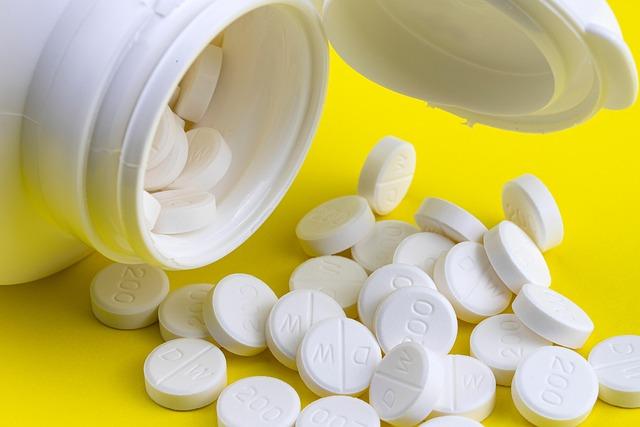
Image: A variety of dietary supplements and vitamin capsules
Source: %%article_image_url%%
The Science Behind Supplement Withdrawal and Deficiency States
Pathophysiology of supplement Withdrawal
Unlike medications with direct addictive or dependence pathways (e.g., benzodiazepines), most dietary supplements pose minimal withdrawal risk. However, abrupt cessation can unmask or precipitate underlying deficiencies, particularly in populations with limited dietary intake or absorption disorders. As an example, vitamin B12 deficiency presents with neurologic, psychiatric, and hematological symptoms when supplementation is abruptly discontinued in dependent individuals.
Some botanicals (such as St.John’s Wort) modulate neurotransmitter systems and may rarely provoke physiological dependence, evidenced by mood destabilization or rebound symptoms after abrupt cessation (Harvard Health).
Timeline for Onset of Deficiency or Symptoms
| Supplement | Typical Deficiency Onset (-cessation) | Key Symptoms |
|---|---|---|
| Vitamin B12 | Weeks to months | Anemia, neuropathy, cognitive changes |
| Vitamin D | Months to years | Bone pain, muscle weakness, osteoporosis risk |
| Iron | Few weeks (in anemic patients) | Fatigue, pallor, tachycardia |
| Vitamin C | 1–3 months | Bruising, gum disease, poor wound healing |
| St. John’s Wort | Hours to days | Rebound depression/anxiety |
Vulnerable Populations
- Elderly Individuals: At high risk for B12 and vitamin D deficiency, especially after stopping supplements (Harvard Health).
- Pregnant & Lactating Women: Increased risk for neural tube defects and anemia if folic acid or iron supplements are stopped (CDC Folic Acid).
- People with Malabsorption Syndromes: more likely to develop rapid-onset deficiencies (NCBI Malabsorption Overview).
- Vegetarians/Vegans: Higher risk if B12 and iron sources are diminished (NCBI Plant-based Diets).
Risks and Safety considerations with Sudden Supplement Discontinuation
Potential Adverse Effects
- Rebound or Relapse of Deficiency-Related Symptoms: Especially for prescribed supplements addressing medically diagnosed deficiencies.
- Exacerbation of Chronic Illnesses: E.g., cardiovascular, musculoskeletal, or psychiatric conditions.
- Drug-Supplement Interactions: Some supplements (like vitamin K) influence drug efficacy and safety, making abrupt cessation hazardous for individuals on medications such as anticoagulants (FDA Drug Interactions).
- Placebo/Nocebo Effects: Users may perceive a decline in health attributable to psychological factors (Harvard Health Placebo Effect).
When Stopping might potentially be Beneficial
In select cases, discontinuing unneeded supplements can reduce risks of toxicity, overdosing, or medication-supplement interactions(Mayo Clinic). For example, vitamin E overuse is associated with increased hemorrhagic stroke risk. Stopping superfluous supplements under medical guidance is a recommended practice.
Clinical Scenarios: case Studies and Real-World Outcomes
Case 1: Vitamin B12 in a Patient with Pernicious Anemia
A 66-year-old woman with pernicious anemia managed with parenteral vitamin B12 discontinued supplementation abruptly. Within six weeks, she developed progressive paresthesia, ataxia, and memory impairment. Laboratory results confirmed recurrent B12 deficiency and megaloblastic anemia. Timely re-initiation of therapy lead to partial, but not complete, neurological recovery. This underscores the potential for irreversible sequelae when essential supplements are stopped without supervision (NCBI B12 Review).
Case 2: College Athlete Stopping Creatine Cold Turkey
A 23-year-old college athlete abruptly discontinued creatine supplementation prior to a tournament.He reported mild muscle fatigue and noticed a modest decline in exercise performance,but no serious medical symptoms. Literature supports that creatine withdrawal is generally benign, contrasting with withdrawal syndromes seen in pharmacologic agents.
Case 3: Withdrawal-like Symptoms from St. John’s Wort
A middle-aged patient using St. John’s Wort for mild depressive symptoms experienced rebound anxiety and low mood within days of abrupt cessation. Symptoms resolved with careful medical taper and psychological support,indicating the potential for withdrawal-like presentations from select botanicals (NCBI Herb Review).
Practical Guidelines: How to Stop Taking a Supplement Safely
Consult with a Healthcare Provider
the first and most critical step is to contact a qualified healthcare professional before making any significant changes to supplementation. Providers can assess nutritional status, determine clinical need, screen for interactions, and design a personalized tapering or discontinuation schedule.
Gradual Tapering vs. Abrupt Cessation
- Essential Supplements: (e.g., iron, B12) should not be discontinued without addressing the underlying deficiency and establishing adequate dietary sources or choice therapies (NHS).
- Non-Essential/Wellness Supplements: (e.g., multivitamins, herbal blends) can frequently enough be stopped without tapering, unless used for management of specific conditions or in special populations.
- supplements with Withdrawal Potential: Certain botanicals may benefit from dose reduction before cessation to minimize rebound symptoms.
Monitor for Symptoms
Individuals discontinuing supplements should monitor for recurrent symptoms of deficiency, exacerbation of prior conditions, or unusual side effects. If adverse symptoms develop, seek prompt evaluation from a healthcare provider (Healthline).
Optimize Diet and Lifestyle
Many supplement users can maintain adequate nutrient status thru dietary sources, provided an individualized nutrition plan is in place.Engage with a registered dietitian for tailored advice, especially if you have dietary restrictions or complex health conditions (Harvard Health).
FAQs: Stopping Supplements Cold Turkey
- Is it hazardous to stop all supplements at once? — For most healthy adults, abrupt cessation poses minimal risk.Though,those with medical deficiencies,chronic illnesses,or special needs should discontinue only with medical guidance.
- which supplements should never be stopped without consulting a doctor? — B12 (for absorption disorders), iron (for anemia), vitamin D (for osteoporosis or malabsorption), prescription electrolytes, and botanicals with psychoactive effects.
- Are there withdrawal symptoms from herbal supplements? — Some botanicals, such as St. John’s Wort and valerian, can cause withdrawal-like symptoms in sensitive individuals.
Key Takeaways and Best Practices
- abrupt discontinuation of dietary supplements is, in most cases, safe for healthy individuals but can be hazardous for those reliant on supplementation for a medically diagnosed deficiency.
- Monitor closely for recurrence of illness, deficiency symptoms, or withdrawal-like effects, especially with botanicals and certain vitamins/minerals.
- Consult with a healthcare provider before making significant changes to your supplement regimen.
- Emphasize a balanced, nutrient-rich diet as the foundation for health rather than reliance on supplementation alone.
Conclusion
stopping dietary supplements cold turkey is a nuanced decision that should be individualized based on the supplement, underlying health status, and personal risk factors. While most healthy adults face little risk, vulnerable populations—including those with nutrient deficiencies, malabsorption syndromes, or chronic illnesses—are at greater risk for recurrence of deficiency, deterioration of underlying conditions, or, in rare cases, withdrawal-like symptoms.Thorough evaluation by a healthcare professional is paramount before making any significant changes.
Ultimately, a well-balanced diet remains superior for achieving and maintaining long-term health. Supplements serve as adjuncts—not substitutes—for dietary adequacy, and their initiation and cessation must always be grounded in scientific evidence and individualized care (WHO: Healthy Diet).
References
- Office of Dietary Supplements, NIH
- US FDA: dietary supplements
- CDC Nutrition Data & Statistics
- Harvard Health: Vitamins and supplements
- National Institutes of Health
- JAMA: Dietary Supplement use
- NCBI Bookshelf: Dietary Supplements
- NCBI: Vitamin B12 Deficiency
- NHS: Vitamin D
- CDC: folic Acid
- NCBI: Vitamin D Overview
- American Heart Association: Vitamin K & Anticoagulants
- Medical News today: Iron Deficiency
- NHS: Calcium
- Healthline
- NCBI: St. John’s Wort
- Harvard Health: Herbal Supplements
- NCBI: Probiotics
- NCBI: Sports Supplements
- EatRight: Find a Nutrition Expert
- WHO: Healthy diet