

What Are Ways to Stay Socially Well While Living Solo?
Introduction
Living alone, also known as solo living, is a growing trend worldwide due to rising urbanization, individualization, and shifting social norms. According to data from the U.S. Census Bureau, as of 2022, approximately 29% of American households consist of a single occupant, a figure that mirrors trends in developed countries across Europe and Asia. While solo living can foster independence and personal growth, it poses unique challenges for social well-being—a critical pillar of holistic health as defined by the World Health institution (WHO). Actually, persistent social isolation has been linked to increased risks of cardiovascular disease, depression, cognitive decline, and premature mortality (source).
This article comprehensively explores evidence-based and practical strategies to maintain and enhance social well-being while living solo. Each tip is grounded in scientific insight, and actionable steps are provided for immediate application. By understanding the risks of social isolation, embracing supportive technologies, and leveraging both local and digital communities, individuals who live alone can cultivate robust social connections, protecting their physical and mental health.
Understanding Social Well-Being: Medical and Psychological Context
What Is Social Well-Being?
Social well-being, as recognized by the WHO, encompasses the quality of an individual’s social relationships and their level of integration within a supportive community. Social well-being is not only about the frequency of interactions but also their quality, perceived support, and one’s sense of belonging and purpose (source).
The Health Impact of Social Isolation and Loneliness
Social isolation and loneliness differ but are often interlinked.Social isolation refers to having few social connections or interactions, while loneliness is the subjective feeling of being alone, irrespective of contact frequency. Research from the Centers for Disease Control and Prevention (CDC) and JAMA indicates both are significant risk factors for:
- Increased all-cause mortality.
- Higher incidence of coronary heart disease and stroke.
- Elevated risk of dementia and cognitive impairment.
- Greater prevalence of anxiety, depression, and suicide.
The health impact is comparable to well-established risks such as obesity and smoking (source), making social well-being a matter of medical and public health urgency.
Protective Factors and Social Resilience
Despite these risks, people living solo can develop “social resilience,” defined as the capacity to adapt, seek out new opportunities for connection, and maintain a positive sense of self. Protective factors include strong social skills, volunteering or community participation, and proactive help-seeking behaviors—a pattern supported by research in The Lancet Public Health examining determinants of accomplished aging-in-place.
Ways to Stay Socially Well While Living Solo
1. Prioritize Quality over Quantity in Social Connections
medical research emphasizes that the quality of social interactions is more predictive of well-being than the mere number of contacts. Meaningful, emotionally supportive relationships act as buffers against stress and disease. A large cohort study in the JAMA Psychiatry showed that individuals with at least one confidant experienced lower rates of depression and better overall mental health, independent of the size of their social network.
- Action Step: Identify family members, old friends, or colleagues with whom you share mutual trust and empathy, and make efforts to deepen these existing ties through regular, quality conversations. Even brief but genuine check-ins can be beneficial.
2. Leverage Technology for connection
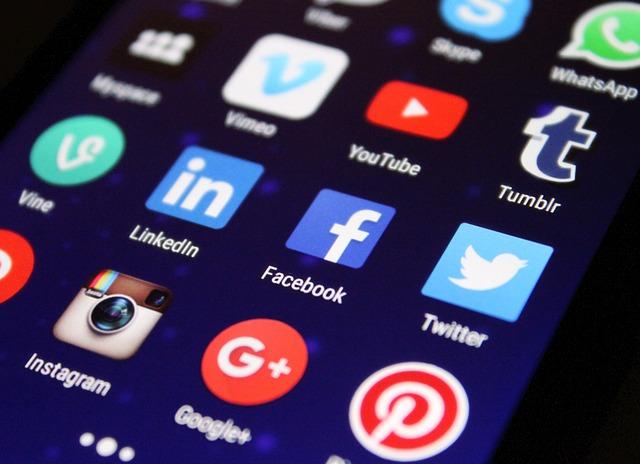
Digital platforms provide significant opportunities to maintain and expand social networks while living solo. Findings from JAMA Network Open highlight that appropriately used technology can reduce loneliness, especially among adults aged 40 and older. Video calls, social media, and group chat apps facilitate both synchronous and asynchronous communication.
- Schedule regular video calls with friends or relatives using platforms such as Zoom, FaceTime, or WhatsApp.
- Join moderated online communities that share your interests, from book clubs to fitness groups.
- Participate in digital volunteering or peer support initiatives, such as those cataloged by Idealist or Catchafire.
Importantly, set limits to screen time and curate your digital surroundings to promote positive interactions and avoid “doomscrolling” or exposure to online negativity, which can exacerbate feelings of isolation (Mayo Clinic).
3.Engage with Local Resources and Community Centers
In-person interactions remain the gold standard for social connection. Local libraries, recreation centers, and community-based organizations offer a range of programs—from exercise classes to discussion groups—that foster face-to-face relationships. Studies summarized by the Australian Government Department of Health confirm that participation in structured group activities is associated with reduced loneliness and increased life satisfaction.
- Research your city’s public health department and neighborhood councils for events and classes.
- Explore faith-based, activist, or cultural groups aligned with your background and values.
- Attend meetups or classes promoted by platforms such as Meetup to find like-minded individuals.
4.Cultivate a Routine That Includes Social Activities
Behavioral science indicates that social habits—routine ways of integrating contact with others—can mitigate the onset of loneliness. Scheduling and planning play a pivotal role in shaping social engagement, as highlighted by Harvard Health Publishing.
- Action Step: map out your week to include at least one interactive activity, whether it’s calling a friend, attending a club, or hosting a virtual gaming night. Consistency turns outreach into habit, reinforcing your social well-being.
5. Volunteer: giving Back Builds Social Capital
Volunteering not only provides prosocial engagement but also a sense of purpose and accomplishment, all vital to psychological well-being. Volunteering has been repeatedly shown to lower rates of depression and anxiety in solo dwellers, as detailed in research from the National institutes of Health (NIH).
- Seek opportunities at local food banks, animal shelters, hospitals, or virtual mentoring programs.
- Manny platforms, such as VolunteerMatch, allow filtering for remote volunteer work.
6. Maintain Physical Activity and Join Group Exercise
Physical activity is a well-established modulator of mood and mental health due to its impact on neurotransmitters such as endorphins and dopamine (Harvard Health). Group exercise further augments these effects by fostering camaraderie and social support,according to evidence from the American College of Sports Medicine.
- Join local walking, hiking, or cycling clubs.
- Enroll in dance, fitness, or yoga classes at recreation centers or online platforms.
- Even low-impact activities such as tai chi or group gardening can serve as vehicles for social connection.
7. Engage in Lifelong Learning
Continuous education, whether through in-person workshops or online courses, provides built-in opportunities for social interaction and brain health. Research from the Journal of Aging and Health suggests that adult learners active in educational environments report lower loneliness and higher life satisfaction.
- Consider community college classes, adult learning centers, or platforms such as Coursera and edX, many of which encourage collaborative projects and peer discussion.
8. Foster Intergenerational Relationships
Extensive literature, including The Lancet, indicates that intergenerational contact—meaningful engagement spanning age groups—confers mutual mental, emotional, and physical health benefits.Programs such as “adopt a grandparent” or family-style community dinners can reduce age-based segregation and broaden one’s support network.
- Participate in neighborhood events that welcome all ages, or volunteer at schools and senior centers.
- Connect with younger or older relatives through shared projects or storytelling.
9. Get a Pet—Animal Companionship and Social Health
Pets, especially dogs and cats, have been shown to decrease perceived loneliness and foster social interactions, as documented by the NIH.dog ownership, in particular, is associated with increased frequency of outdoor activity and spontaneous conversation with fellow pet owners.
- Before acquiring a pet,honestly assess your lifestyle and resources. Adoption or fostering programs run by humane societies can guide your decision.
- Consider participation in animal-assisted therapy or join local pet-owners’ meetups.
10.Seek Professional Support When Needed
When feelings of isolation or loneliness become persistent or distressing, reaching out for professional mental health support is essential. Psychologists, clinical social workers, and psychiatrists offer interventions such as cognitive-behavioral therapy (CBT)—an approach with strong evidence for reducing loneliness (NIH).
- Many therapists offer individual, group, or telehealth sessions online for convenience and accessibility.
- If cost is a concern, investigate community mental health services, employee assistance programs, or peer support helplines.
For acute crises, immediate resources such as the 988 Suicide & Crisis Lifeline are available 24/7.

Maintaining social connections while living alone is essential for holistic health and well-being.
Special Considerations: Demographic and Cultural Factors
Aging Adults and Solo Living
Older adults are disproportionately represented among those living alone and at higher risk for social isolation. Strategies tailored for seniors include participation in senior centers, engagement with programs such as AARP’s Connect2Affect, and leveraging technology through user-amiable devices and interfaces designed for low vision or reduced dexterity.
Younger Adults and Single Households
Young adults living solo may experiance transient or situational loneliness, particularly after relocating for work or education. University-affiliated organizations,alumni networks,and group housing experiences can facilitate rapid community integration (nih.gov).
Cultural and Linguistic diversity
Immigrants or individuals from minority backgrounds may encounter language barriers and cultural dissonance that impede social integration. Accessing language learning programs, cultural associations, and multicultural events can considerably buffer the impact of cultural loneliness (nih.gov).
Symptoms to Watch For: When Is Loneliness a Health Risk?
The boundary between normal feelings of solitude and harmful loneliness can be subtle but critical to recognize. According to Mayo Clinic, warning signs that social isolation may be compromising your health include:
- Persistent sadness or loss of interest in activities previously enjoyed.
- Significant changes in sleep, appetite, or weight.
- Difficulty with memory or concentration.
- Physical complaints such as fatigue or unexplained aches.
- Frequent thoughts of hopelessness or suicidal ideation.
if such symptoms arise, professional evaluation is strongly advised.
The Role of Policy and Urban Design in Social Well-Being
While personal strategies are critical, broader societal structures—urban design, housing policy, and technological infrastructure—greatly influence opportunities for social connection. Walkable neighborhoods, accessible transit, strong public health messaging, and investment in community infrastructure have all been shown to reduce risk of loneliness and improve population-wide social well-being (The Lancet Public health).
Advocacy for inclusive public spaces and affordable digital access is particularly urgent for those living solo on fixed incomes or with limited mobility.
Frequently Asked Questions (FAQ)
| Question | evidence-Based Answer |
|---|---|
| Can solo living be good for your mental health? | Yes; for some individuals, solo living encourages autonomy and personal growth, but intentional efforts are needed to maintain social well-being. Research suggests positive outcomes are linked to proactive social scheduling and strong self-efficacy. (NIH) |
| How much social contact is ‘enough’? | The optimal amount is highly individual, but experts reccommend several meaningful interactions per week. Quality matter more than quantity; even small, frequent moments of connection bring benefits. (Harvard Health) |
| Is it normal to feel lonely sometimes when living alone? | Occasional loneliness is a normal human emotion and serves an evolutionary function, motivating social reconnection. Chronic or severe loneliness, however, requires attention and action.(Healthline) |
| What if I’m introverted? | Introverts often prefer smaller,more intimate groups or solo activities shared in parallel with others (e.g., reading in a group setting). Tailor social outreach to your comfort level, prioritizing depth over breadth. (Mayo Clinic) |
Conclusion: A Proactive, Holistic Approach
A solo living arrangement, when supported by intentional, evidence-based strategies, can be both enriching and healthy. Maintaining social wellness requires a multipronged, proactive approach—one that integrates technology, leverages community resources, fosters meaningful routines, and seeks help when needed. The advice outlined above, grounded in robust medical and psychological research, empowers every solo dweller to cultivate connection, purpose, and mental resilience.Social well-being is not just a luxury; it is a medical and personal necessity, as vital to longevity and quality of life as nutrition and physical activity.
For deeper information or to access support, consult authoritative resources such as the World Health Organization, CDC,or schedule a visit with your healthcare provider.
References and Further Reading
- World Health Organization: Social Determinants of Health
- CDC: Loneliness and Social isolation
- JAMA: Social Isolation and Health risks
- Mayo Clinic: Social Support
- NIH: The Health Benefits of Volunteering
- Harvard Health: Benefits of Strong Relationships
- The Lancet Public Health: Urban Design and Social Isolation