
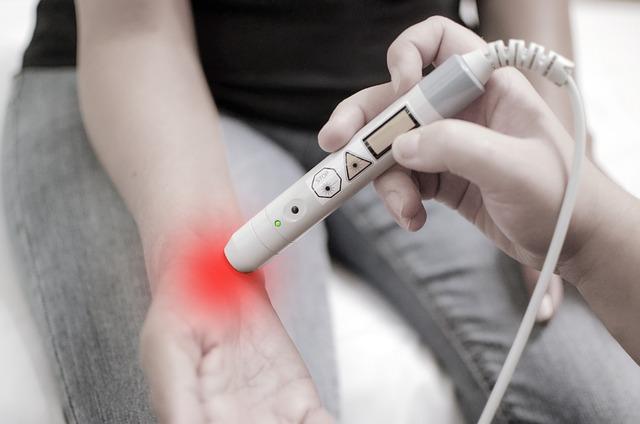
 early-onset joint sensitivity symptoms”>
Introduction
Joint health is pivotal to everyday mobility,independence,and overall well-being. the early detection of joint problems—specifically, early-onset joint sensitivity—can play a decisive role in the prevention and management of chronic musculoskeletal disorders. Globally, musculoskeletal conditions rank among the leading causes of disability, impacting all age demographics. early-onset joint sensitivity, though frequently enough associated with aging, can present in young and middle-aged adults, marking the initial phase of numerous joint pathologies. Unaddressed, such symptoms may progress to significant morbidity. This thorough article explores the symptoms, mechanisms, diagnostic strategies, risk factors, and prevention of early-onset joint sensitivity, underscored by evidence-based research and clinical guidelines.
Understanding Early-onset Joint sensitivity
Defining Early-Onset Joint Sensitivity
early-onset joint sensitivity refers to the aberrant perception of discomfort, pain, or tenderness in one or more joints that appears earlier than what is typically observed for age-related joint degeneration. The term “early-onset” commonly denotes presentation before the age of 40, but clinical context—including genetics, trauma, and autoimmune pathways—can precipitate symptoms even sooner. According to the Centers for Disease Control and Prevention (CDC), rates of arthritis and related symptoms are increasing in younger populations, making early recognition more clinically relevant than ever.
Pathophysiology and Mechanisms
Joint sensitivity in the early stages frequently involves a combination of synovial inflammation, cartilage microtrauma, early cartilage degradation, and neurogenic sensitization. inflammatory mediators (such as interleukins, tumor necrosis factor, and prostaglandins) contribute to peripheral and central sensitization, amplifying the perception of joint discomfort or pain (NCBI). Mechanical factors—including repetitive strain and minor injuries—may further accelerate the onset of sensitivity, especially in genetically susceptible individuals.
Primary symptoms of Early-Onset Joint Sensitivity
1. Mild to Moderate Joint Pain
Pain is the cardinal symptom of joint sensitivity, often described as a dull ache, sharp twinge, or intermittent discomfort. In early stages, the pain might potentially be:
- Activity-related: Triggered or worsened by physical exertion, sports, or repetitive movements.
- localized: Most commonly reported in weight-bearing joints such as knees, hips, or ankles, but can affect fingers, wrists, and shoulders.
- relieved by rest: Typically,the pain subsides with rest or cessation of movement.
According to Mayo Clinic, these pain patterns often precede more severe dysfunction in chronic conditions like osteoarthritis or inflammatory arthritis.
2. Joint Tenderness
Joint tenderness refers to heightened sensitivity when the affected area is palpated or pressed. This can manifest as:
- Discomfort on light pressure applied over the joint line or specific anatomical landmarks.
- Diffuse tenderness extending to periarticular soft tissues in certain cases (e.g., early rheumatoid arthritis).
Clinical examination remains crucial for early identification. The presence of joint line tenderness, especially in the absence of major swelling, can herald the onset of a pathological process (NCBI Bookshelf).
3. Stiffness
Stiffness—particularly after periods of rest or upon waking in the morning—is a hallmark of early joint involvement. Distinguishing features include:
- Morning stiffness lasting less than 30 minutes (seen in early osteoarthritis).
- Stiffness after inactivity (e.g., after sitting for long periods).
If stiffness persists longer, especially beyond one hour, it may suggest an underlying inflammatory etiology such as rheumatoid arthritis (Harvard Health).
4.Mild Swelling
Although pronounced joint swelling is more characteristic of established disease, subtle effusion or puffiness may indicate early synovitis or soft tissue inflammation. This may be transient or episodic.
- Visible or palpable mild swelling around the joint capsular margin.
- May be accompanied by mild warmth or erythema in inflammatory conditions.
Swelling should be promptly assessed, as it can signify an evolving inflammatory or infectious process (MSD manuals).
5. Altered Range of Motion
reduced flexibility or subtle limitations in joint movement can accompany sensitivity. Symptoms may include:
- Difficulty achieving full range in flexion, extension, or rotation.
- Sensation of “catching” or “locking” (sometimes suggestive of intra-articular pathology).
Frequently enough overlooked, early restriction of motion may predict future functional impairment (NCBI).
6. Audible or Palpable Crepitus
Crepitus—described as a grating, cracking, or popping sensation within the joint—can be an early mechanical symptom.This results from:
- Irregular joint surface or deterioration of cartilage.
- Early chondromalacia or meniscal changes in knees.
While common in the elderly, its presence in younger adults warrants further inquiry (Healthline).
7. Transient Functional Impairment
Episodes of joint sensitivity can temporarily impair function, leading to:
- Difficulty with activities such as walking, climbing stairs, or manipulating objects.
- reluctance to use the affected joint due to discomfort.
Early loss of confidence in joint stability or capacity may prompt compensatory behaviors, which could further aggravate symptoms (Arthritis Society Canada).
Secondary and Systemic Symptoms
1. Fatigue or Malaise
Persistent joint sensitivity—especially in autoimmune or inflammatory disorders—may coincide with generalized symptoms such as fatigue, low-grade fever, or malaise. This constellation of symptoms demands thorough rheumatological evaluation (NHS).
2. Changes in Joint Appearance
Even though severe deformities manifest in advanced conditions, early changes might include:
- Slight deviation or swelling of small joints in the fingers.
- Soft tissue changes such as subtle nodules (as seen in early rheumatoid disease).
These are particularly significant in young adults and require prompt diagnosis (Versus Arthritis).
Epidemiology: Who Is at Risk?
Epidemiological trends suggest a rising incidence of joint sensitivity among younger adults, athletes, and individuals with physically demanding occupations. Key risk factors include:
- Genetic predisposition: Family history of osteoarthritis, rheumatoid arthritis, or other connective tissue disorders.
- Overuse injuries: Recurrent microtrauma among athletes and manual laborers (MedlinePlus).
- Obesity: Increased load accelerates cartilage wear, predisposing to early joint pathology (CDC).
- Autoimmune disease: Early onset of joint symptoms is common in lupus, juvenile idiopathic arthritis, and spondyloarthropathies (American College of Rheumatology).
- Previous joint trauma: Even mild injuries may create a microenvironment that favors cartilage breakdown.
Pathologies Most Commonly Associated with Early-Onset Joint Sensitivity
While sensitivity can occasionally be attributed to non-pathological factors (such as transient aches following intense activity), it is most frequently associated with the incipient stages of:
- Osteoarthritis (OA): Characterized by early cartilage wear and joint line pain, often in the hands, hips, and knees (Arthritis Foundation).
- Rheumatoid arthritis (RA): Early morning stiffness, symmetrical tenderness, and subtle swelling are classic features (ACR).
- Painful overuse syndromes: Including patellofemoral pain, repetitive strain injuries, and early tendinopathies.
- -traumatic synovitis: Sensitivity after an acute injury can signal ongoing inflammation.
- Infectious arthritis: While rare, early joint sensitivity with redness or systemic symptoms may mandate urgent assessment (CDC).
Timely differentiation between these etiologies is crucial for appropriate intervention.
Diagnostic Approach to Early-Onset Joint Sensitivity
The evaluation of early-onset joint sensitivity involves a multifaceted approach:
- Clinical history: Duration, severity, precipitating factors, associated systemic symptoms, and family medical history.
- Physical examination: Assessment for tenderness, swelling, redness, warmth, and range of motion limitations.
- Laboratory investigations: Inflammatory markers (ESR,CRP),autoantibodies (rheumatoid factor,anti-CCP),and serological screens for infectious agents where indicated (Mayo Clinic).
- Imaging: Early phases may reveal only subtle changes on radiography. MRI and ultrasound are increasingly used to detect synovitis, small erosions, or cartilage defects in questionable cases (PMC).
- Specialized testing: Arthrocentesis if infection or crystal arthropathy is suspected.
Mid-Article Image: Joint Anatomy and Sensitivity

Figure: Human joint anatomy. Early sensitivity frequently enough originates in cartilage, synovium, and periarticular tissues.
Complications and Prognosis
Untreated early-onset joint sensitivity may result in a spectrum of complications, including chronic pain, progressive joint deterioration, loss of function, and even permanent disability.Timely intervention not only alleviates symptoms but may halt or considerably delay disease progression (Medical News Today).The overall prognosis depends on the underlying cause, patient age, comorbidities, and the promptness of medical evaluation.
Evidence-Based Management Strategies
Non-Pharmacological approaches
Comprehensive management begins with lifestyle and behavioral interventions:
- Physical therapy: Targeted exercises improve joint strength and flexibility (Mayo Clinic).
- Weight management: Reducing body weight can significantly decrease joint load, especially in weight-bearing joints (CDC).
- Ergonomics: Modifying workspaces and daily activities prevents repetitive strain (Harvard health).
- Activity modification: Balancing activity and rest to protect joint integrity while preserving function.
Pharmacological and Advanced Therapies
Medication is tailored according to symptom severity and underlying etiology:
- Nonsteroidal anti-inflammatory drugs (NSAIDs): For symptomatic relief of pain and inflammation (FDA).
- Intra-articular corticosteroids: Occasionally indicated for persistent synovitis or severe pain.
- Biological agents: Used in select cases of early-onset autoimmune arthritis (PMC).
- Supplements: Glucosamine, chondroitin, and omega-3 may offer adjunct benefits in some individuals, though evidence remains mixed (Medical News Today).
Always consult a qualified healthcare provider before initiating any therapy.
Multidisciplinary and Preventive Approaches
Optimal outcomes often depend on a multidisciplinary approach—incorporating rheumatologists, orthopedic specialists, physiotherapists, and occupational therapists.
- Patient education and early intervention can dramatically improve long-term outcomes.
- Screening high-risk individuals (family history, athletes) may enable preemptive strategies.
Preventive strategies focus on injury avoidance, maintaining healthy body weight, nutritional support, and early management of comorbidities.
When to Seek Medical Attention
Prompt evaluation is advisable if joint sensitivity:
- Persists for more than a few weeks.
- Progressively worsens or is accompanied by swelling, redness, or warmth.
- Is associated with systemic symptoms (fever, rash, unexplained weight loss).
- Severely impacts daily activities or quality of life.
Early specialist referral is critical in suspected inflammatory, infectious, or rapidly progressing joint disorders (NHS).
Frequently Asked Questions (FAQs)
is early-onset joint sensitivity reversible?
In many cases—especially if linked to acute overuse or biomechanical factors—early sensitivity can resolve with rest, rehabilitation, and preventive changes.However,ongoing sensitivity or additional symptoms may indicate evolving joint pathology,necessitating medical intervention (Mayo Clinic FAQ).
Can lifestyle changes make a difference?
Absolutely.Weight control, targeted exercise, and ergonomics can substantially reduce symptoms and slow disease progression (CDC: Self-Management).
Are dietary supplements effective?
while some supplements show marginal benefit for mild symptoms, results are variable. Always discuss with a healthcare provider to ensure safety and address possible pharmacological interactions (Arthritis Foundation).
Summary Table: Key Features of Early-Onset Joint Sensitivity
| Symptom | Description | Clinical Meaning |
|---|---|---|
| Pain | Dull, sharp, or activity-related discomfort | First and most common presenting feature |
| Tenderness | Pain on palpation/pressure | Indicates inflammation or early degeneration |
| Stiffness | Limited range after rest/activity | May distinguish between degenerative and inflammatory causes |
| Swelling | Subtle or mild effusion | Suggests local inflammation |
| Reduced Motion | Flexibility limitations | Predicts future dysfunction if unaddressed |
| Crepitus | Grating or popping | Early mechanical/structural changes |
| Functional Impairment | Difficulty with basic activities | Suggests evolving pathology |
Conclusion
Early-onset joint sensitivity represents a critical warning signal that warrants careful assessment and, if indicated, timely medical intervention. Recognizing and addressing these symptoms in their initial stage can dramatically alter disease trajectories and safeguard long-term function and quality of life.If you or someone you know experiences unexplained joint symptoms—especially at a young age—consult a qualified healthcare professional for thorough evaluation.
For more information and tailored advice, refer to reputable resources such as the CDC Arthritis Information Hub or NHS Joint Pain Guidance.
References
- WHO – Musculoskeletal conditions
- CDC – Arthritis
- Mayo Clinic – arthritis
- NHS – Joint pain
- Harvard Health – Joint pain
- PubMed: Early-onset joint pain
- Arthritis Foundation – Osteoarthritis
- The Lancet – Global burden of Musculoskeletal Disorders