

Trauma doesn’t always roar; sometimes, it settles quietly, like a heavy fog that mutes every sound. For many, the aftermath of pain is not a flood of tears, but an unsettling silence inside – a numbness that colors every moment in grayscale. Emotional numbness, often misunderstood or mistaken for resilience, can be one of the most perplexing responses to trauma. It’s the hidden distance that grows between individuals and their own feelings, their loved ones, and even the world around them. This article delves into the intricate relationship between trauma and emotional numbness, unraveling how and why the mind blunts its own emotions in the wake of distressing experiences. By understanding this link, we can illuminate a path toward empathy, recovery, and the rediscovery of feeling.
Emotional numbness is a common response to trauma, often serving as a coping mechanism in the face of overwhelming stress, anxiety, or depression. It can manifest as dissociation, where individuals feel detached from their emotions or environment. This numbness is typically a protective reaction, helping to manage the intense feelings associated with traumatic events.
To address emotional numbness, it’s essential to gradually reconnect with your emotions. This process can include seeking therapy, practicing mindfulness, and engaging in activities that encourage emotional expression. Recognizing that emotional numbness is frequently linked to conditions such as PTSD can highlight the importance of professional support in navigating this experience.
If you or someone you know is dealing with emotional numbness, it may be beneficial to reach out to a mental health professional for help and guidance.
Defining Trauma and Emotional Numbness
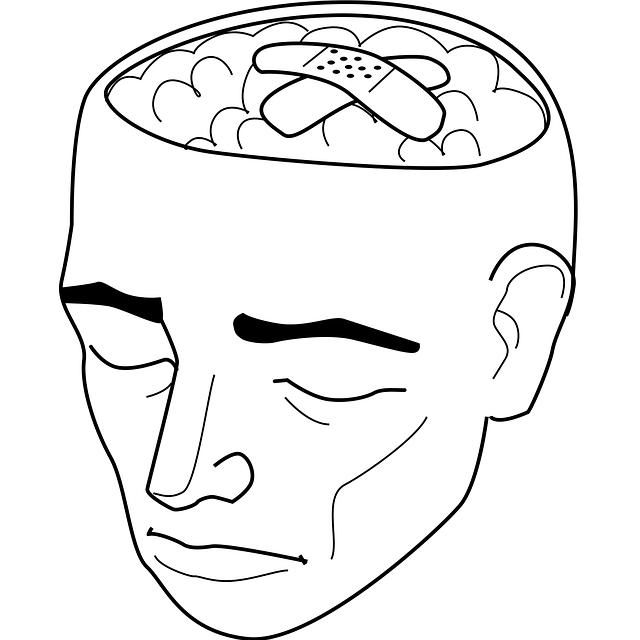
- Trauma: Emotional or psychological injury caused by deeply distressing events.
- Emotional Numbness: The seeming disappearance or ”freezing” of feeling,both good and bad.
| Term | Key Features | Potential triggers |
|---|---|---|
| Trauma |
|
|
| Emotional Numbness |
|
|
When emotional numbness settles in, feelings become muted or inaccessible, creating a shield against further pain but also blocking joy, love, and connection. This state might unfold as an inability to cry, a fading interest in meaningful activities, or difficulty connecting with those once close. In this protective haze, the world can seem distant-almost as if life is being observed through a pane of frosted glass.
Exploring the Psychological Mechanisms Connecting Trauma to Emotional Numbness

- Avoidance: Deliberately steering clear of reminders-places, people, or conversations-that might trigger distressing recollections.
- Suppression: Consciously or unconsciously pushing down strong emotions in order to cope or maintain functionality.
- Overactivation of Survival Responses: The body’s fight, flight, or freeze system becomes persistently activated, dulling normal emotional reactions.
- Disconnection from the self: Feeling like a spectator of your own life, or losing the sense that your emotions belong to you.
| Trauma Response | Emotional Impact | Typical Behaviors |
|---|---|---|
| Dissociation | Emptiness, detachment | Spacing out, forgetfulness |
| Suppression | Inexpressiveness | Holding back tears, “shutting down” |
| Avoidance | Numbness, disconnectedness | Avoiding social contact, distractions |
This emotional blunting, while protective in the short term, can quietly erode one’s sense of connection to others and to one’s own inner world.The brain, in an attempt to block pain, may inadvertently dampen joy, excitement, or love. Understanding these mechanisms provides essential insight for anyone navigating the aftereffects of trauma-offering not just clarity on why numbness appears, but hope that it can be gently unraveled with compassion and care.
Recognizing the Signs and Consequences of Emotional Numbness

- Persistent detachment from both positive and negative emotions
- Avoidance of social situations or activities that once brought pleasure
- Difficulty expressing feelings to friends or family
- Memory gaps or disconnects related to emotional events
- Physical symptoms such as fatigue,restlessness,or sleep disturbances
The consequences of ongoing emotional numbness ripple outwards,impacting mental health,relationships,and daily functioning. Connections with loved ones may suffer as dialog breaks down and empathy seems out of reach. At work or school,once-engaged individuals may appear apathetic or disengaged,which can be mistaken for laziness or a lack of ambition. Over time,unaddressed numbness can lead to deeper mental health struggles such as depression or anxiety,reinforcing a painful cycle of withdrawal.
| Possible Sign | Consequences |
|---|---|
| Lack of interest in activities | Withdrawal from friends, missed opportunities |
| Difficulty connecting emotionally | Strained relationships, feelings of isolation |
| Difficulty concentrating | Decline in performance at work or school |
Strategies for Healing and Reclaiming Emotional Wellbeing

Restoring emotional wellbeing after trauma calls for compassionate, intentional strategies that prioritize both gentleness and patience. The process is often nonlinear, requiring adaptability and a willingness to adapt. Individuals discovering renewed emotional depth after periods of numbness may find it helpful to anchor their healing journey with supportive, research-backed approaches.
- mindfulness practice: Regular moments of mindful presence help reconnect to bodily sensations and emotional states, gently encouraging self-awareness.
- Creative expression: Art, journaling, or music can provide a non-verbal outlet for feelings that may still be difficult to access with words.
- Therapeutic support: Engaging with trauma-informed therapists or support groups fosters a safe environment to process layers of hurt and rediscover trust in one’s feelings.
- Somatic techniques: Grounding exercises, deep breathing, and gentle movement restore the body-mind connection, fostering a sense of safety within oneself.
Consistency in these approaches frequently enough yields subtle but profound shifts. small acts of self-care-such as honoring daily routines, nurturing hobbies, or simply pausing to check in with oneself-contribute to gradual healing.In time,these acts can reawaken the ability to experience a fuller spectrum of emotions,creating a richer and more connected sense of aliveness.
| Strategy | How It Helps |
|---|---|
| Mindful Breathing | Calms the nervous system and enhances presence |
| Support Networks | Reduces feelings of isolation and fosters belonging |
| Gentle Movement | Restores body connection and emotional balance |
Concluding Remarks
In unraveling the complex relationship between trauma and emotional numbness, we come to understand that numbness is not a sign of weakness but a natural, albeit challenging, response to overwhelming pain. Recognizing this connection opens the door to empathy, healing, and the possibility of reclaiming emotional depth.As we move forward, it’s essential to approach ourselves and others with patience and compassion, knowing that the journey from numbness to feeling is a profound act of resilience. If this article resonated with you, consider sharing it to foster greater awareness-and remember, seeking support is a valiant step toward restoring your full emotional experience.