
Lower back pain that improves with movement but returns later
Introduction
Lower back pain is one of the most frequent health complaints globally, affecting millions of individuals across all age groups and demographics. According to the World Health Institution (WHO), musculoskeletal conditions—including lower back pain—rank among the leading causes of disability worldwide, impacting an estimated 1.71 billion people. A especially complex and often misunderstood symptom pattern is lower back pain that improves with movement but returns later, a scenario with significant implications for daily functioning, productivity, and overall quality of life. Understanding this clinical pattern is vital for both patients and clinicians, offering insight into its etiology, diagnosis, and evidence-based management to reduce its burden and optimize outcomes.
Overview and Definition
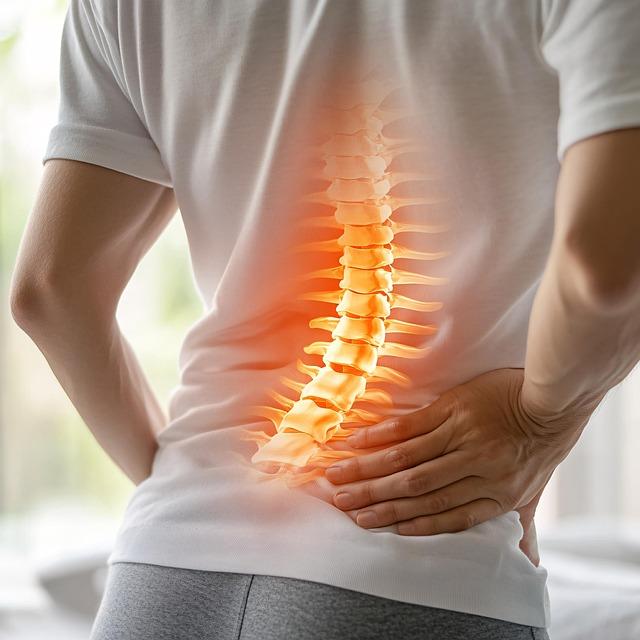
Lower back pain refers to discomfort or pain localized in the area between the rib cage and the gluteal folds.Clinically, this can be classified as acute (lasting <6 weeks), subacute (6–12 weeks), or chronic (persisting >12 weeks). The focus of this article—lower back pain that improves with movement but returns later—often suggests a mechanical or musculoskeletal origin, most frequently categorized as non-specific low back pain (PubMed). This type of pain typically involves the lumbar vertebrae, paraspinal muscles, ligaments, intervertebral discs, and facets, with no single identifiable pathological cause in up to 85% of cases (NIH).
Prevalence data highlight the magnitude of the problem: lower back pain is the leading cause of years lived with disability globally, accounting for 7.3% of all disability cases worldwide (The Lancet). Regional statistics indicate that nearly 80% of adults will experience lower back pain at some point, with recurrence common, especially in those with sedentary lifestyles or high occupational risk (CDC).
Causes and Risk Factors
lower back pain that improves with movement but returns later is most commonly associated with biomechanical or musculoskeletal processes. Its characteristic improvement with activity and recurrence after rest or inactivity is a critical clinical clue to its origin. The primary causes and risk factors include:
- Muscle deconditioning and disuse: Prolonged inactivity or sedentary behavior can weaken lumbar and core musculature, reducing their ability to stabilize the spine. Movement helps re-engage these muscles, temporarily relieving pain (Mayo Clinic).
- Facet joint dysfunction: Degenerative or inflammatory changes in facet joints can cause stiffness and pain that is reduced by mobilization but returns after periods of inactivity (Harvard Health).
- Intervertebral disc degeneration: Age-related or activity-induced degeneration of lumbar discs leads to loss of hydration and flexibility, resulting in pain that may abate with movement but worsen on rest (PubMed).
- Mechanical strain and repetitive stress: Occupational factors such as manual labor,lifting,twisting,or poor ergonomics increase the mechanical burden on the lower back,leading to recurring pain patterns (CDC).
- Poor ure and body mechanics: prolonged sitting, slouched ure, and poor ergonomics contribute to recurrent lumbar strain and discomfort upon movement or after periods of inactivity (medical News Today).
- Inflammatory conditions: Disorders such as ankylosing spondylitis can present with stiffness and pain that improves with activity, sometimes described as “inflammatory back pain” (NHS).
- Obesity: Increased body mass index (BMI) exerts additional stress on the lumbar spine, increasing the risk of non-specific lower back pain (PubMed).
- psychosocial and occupational factors: Stress, depression, anxiety, job dissatisfaction, and low social support have been consistently associated with persistent and recurrent lower back pain (JAMA Network).

Pathophysiology: Why Does Movement Help?
Mechanical lower back pain results from a complex interplay between static and dynamic loads, muscular activity, and neural feedback. Pain that improves with movement is typically due to:
- Muscle Activation: Movement increases local blood flow, reduces muscle tension, and activates “anti-nociceptive” pathways, resulting in short-term pain relief (Harvard Health).
- Synovial Fluid Mobilization: Joint movement promotes circulation of synovial fluid in facet joints, improving lubrication and joint nutrition, thereby reducing stiffness (Mayo Clinic).
- Reduction of Inflammatory Mediators: Physical activity modulates local and systemic inflammation. Prolonged immobility, by contrast, leads to increased release of inflammatory cytokines and heightened nociception (PubMed).
- Neural Adaptation: Movement may reduce “central sensitization”—a state in which the central nervous system amplifies pain signals—which can be exacerbated by inactivity and chronicity (PubMed).
In contrast, pain that returns after inactivity is frequently enough attributed to muscle stiffness, joint effusion, and re-accumulation of inflammatory mediators in the affected area. This phenomenon differentiates mechanical or “activity-responsive” pain from other causes of lower back pain that remain persistent or worsen with activity.
Clinical Presentation: Symptoms and Diagnostic Criteria
Patients with lower back pain that improves with movement typically report a dull, aching, or stiff sensation in the lumbar region, especially in the morning or after prolonged rest. Key features may include:
- Pain worse after sitting,lying down,or inactivity
- Relief with walking,stretching,or mild exercise
- Localized ache without meaningful radiation to the legs or neurological deficits
- Absence of “red flag” symptoms such as unexplained weight loss,fever,night sweats,or progressive neurological signs (Mayo Clinic)
clinical evaluation should focus on a detailed history, physical examination, and screening for serious underlying pathology. Imaging is generally reserved for patients with persistent pain, trauma, or signs suggestive of specific conditions like fracture, malignancy, or infection (NICE guidelines).
Differential Diagnosis
It is essential to distinguish benign, activity-modifiable lower back pain from more serious or specific conditions that may require urgent intervention. Possible differential diagnoses include:
- Herniated disc (more likely if pain radiates down the leg—sciatica—and is associated with numbness/weakness)
- Spinal stenosis (activity-associated pain relieved by sitting or flexion)
- ankylosing spondylitis (inflammatory back pain that improves with exercise but is associated with systemic symptoms and significant morning stiffness)
- Vertebral fracture or malignancy (suspected with trauma,osteoporosis,unexplained weight loss,night pain)
- Infectious (e.g., osteomyelitis, epidural abscess)
A thorough history, targeted physical exam, and judicious use of imaging or laboratory tests are critical for accurate diagnosis (NCBI Bookshelf).
Diagnostic Approach: Evidence-Based Guidelines
according to the CDC and NICE, most cases of musculoskeletal lower back pain are diagnosed clinically, focusing on:
- History of symptom patterns and modifying factors (e.g., pain improvement with activity)
- Physical examination: inspection, palpation, assessment of range of motion, neurological screening
- Screening for red flags and specific pathology
Imaging (X-ray, MRI, or CT) is generally reserved for patients with trauma, persistent pain after 6–12 weeks, or suspicion of serious underlying disease. Laboratory testing may be indicated if infection or inflammatory disease is suspected (Harvard Health).
Management Strategies: Conservative and Medical Treatments
The foundation of effective management for lower back pain that improves with movement but returns later consists of a combination of patient education, physical activity, manual therapy, and selective pharmacologic interventions. Approaches should be individualized based on symptom severity, comorbidities, and patient preferences.
Non-Pharmacological Interventions
- Stay Active: Consistent evidence shows that regular movement and exercise—such as walking, swimming, or yoga—alleviates pain, reduces recurrence, and improves function. “Bed rest” is discouraged except in rare cases.
- Physical Therapy: Supervised exercise programs that include stretching, strengthening, and core stabilization exercises are cornerstone interventions. Physical therapists can also provide manual therapies and guidance on ergonomics (Mayo Clinic).
- Cognitive-Behavioral Therapy (CBT): Psychological interventions help address maladaptive pain beliefs, fear-avoidance behaviors, and comorbid anxiety or depression, which can perpetuate pain cycles (PubMed).
- Ergonomic Modifications: Adjustments to workspace or daily movement patterns (e.g., using sit-stand desks, lumbar support, proper footwear) may decrease mechanical stress and promote a more favorable pain pattern (Healthline).
Pharmacological and Interventional Treatments
- NSAIDs and Acetaminophen: Nonsteroidal anti-inflammatory drugs (NSAIDs) and acetaminophen are frist-line therapies for short-term pain control (NHS).
- Muscle Relaxants: May be considered for acute exacerbations characterized by significant spasms, though long-term use is discouraged (JAMA Network).
- Opioids: Short-term, carefully monitored use in select patients with severe, function-limiting pain, and after evaluating for risk factors for misuse (FDA).
- Other interventions: In refractory cases, targeted spinal injections, nerve blocks, or minimally invasive procedures might potentially be indicated, usually following specialist consultation (PubMed).
Complementary and Option Therapies
Recent evidence supports the role of adjunct therapies, including chiropractic care, acupuncture, and massage, in managing non-specific lower back pain. However, these should be considered in conjunction with—not in place of—conventional treatments (NIH NCCIH).
Prevention: Reducing the Risk of Recurrence
- Regular Physical Activity: Engage in at least 150 minutes of moderate-intensity aerobic activity and muscle strengthening exercises per week (CDC).
- Core Strengthening and Flexibility Training: Focus on core stability and lumbar flexibility with tailored routines designed by healthcare professionals (Harvard Health).
- Weight Management: Maintain a healthy BMI to reduce spinal load and lower risk of lumbar strain (PubMed).
- Ergonomics Education: Incorporate user-friendly ergonomic principles into daily life to prevent ure-related lower back pain (Medical News Today).
Prognosis and Quality of Life
Most individuals with lower back pain that improves with movement but returns later recover fully or experience substantial improvement with appropriate management. Prognosis is favorable with early mobilization,avoidance of needless rest,and adherence to exercise and rehabilitation programs. Though, patients with psychological comorbidities, severe baseline disability, or certain occupational exposures may experience delayed recovery (PubMed).
Recurrent or chronic lower back pain can negatively impact mobility, mood, employment, and sleep quality. Early multidisciplinary interventions aimed at maintaining activity,addressing psychosocial barriers,and promoting self-management remain crucial for optimizing long-term quality of life (The Lancet).
When to Seek Medical Attention
- Sudden and severe pain onset following trauma
- persistent or worsening pain >6 weeks
- Neurological deficits: numbness, weakness, loss of bladder/bowel control (possible cauda equina syndrome—medical emergency)
- Systemic signs: fever, night sweats, unexplained weight loss
- pain associated with known cancer, immunosuppression, or risk of vertebral infection (Mayo Clinic)
Frequently asked Questions (FAQ)
-
Is it safe to exercise with lower back pain?
Yes. Most guidelines recommend staying as active as possible; gentle exercise and movement usually help reduce pain and improve function (CDC).
-
What stretches are best for lower back pain?
Hamstring stretches, pelvic tilts, and gentle lumbar mobility exercises are typically helpful. Consult a physical therapist for a personalized program (Harvard Health).
-
When do I need an MRI or imaging?
Imaging is usually unnecessary unless there are red flag features or pain persists beyond 6 weeks or worsens despite conservative management (NICE Guidelines).
-
Do pain medications cure lower back pain?
No. Medications provide symptomatic relief but do not address underlying mechanical or functional issues. Long-term management focuses on activity, rehabilitation, and lifestyle change.
Conclusion
Lower back pain that improves with movement but returns later is a prevalent, multifactorial condition most frequently linked to biomechanical or musculoskeletal dysfunction. Evidence consistently supports active management, early mobilization, regular exercise, and a multidisciplinary approach tailored to individual needs. Early engagement with healthcare resources, lifestyle modification, and adherence to prevention strategies significantly reduce recurrence and improve outcomes. prompt recognition of red flags and timely referral for advanced diagnostic evaluation remain essential for optimal, evidence-based care.
For in-depth information and personalized advice, consult your healthcare provider, physical therapist, or specialty pain clinic.