

Introduction
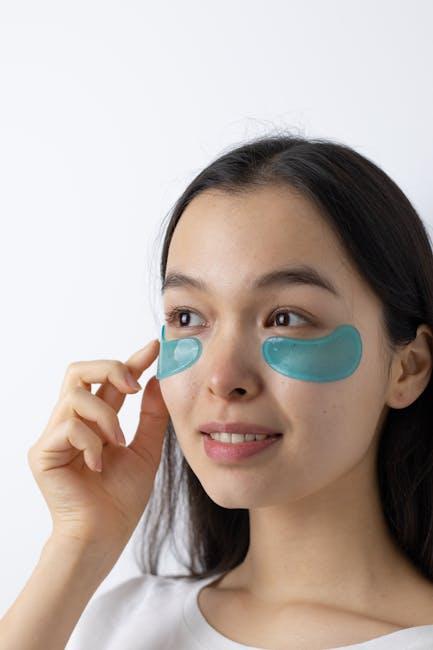
Under-eye puffiness, medically known as periorbital edema, is a common concern affecting a notable portion of the global population. While often dismissed as a cosmetic issue,persistent or severe puffiness can signal underlying physiological or systemic imbalances. Differentiating whether such puffiness stems from hormonal fluctuations or digestive disturbances is essential for formulating appropriate interventions. According too the World Health Association, nutrition and hormonal health are critical determinants of overall well-being—both domains intricately linked to dermatological manifestations, including periorbital swelling. This article delivers an evidence-based, clinically relevant guide to distinguishing hormonal versus digestive etiologies for under-eye puffiness, empowering readers to seek targeted therapeutic pathways.
Understanding Under-Eye Puffiness: Clinical Overview
what Is Under-Eye Puffiness?
Periorbital edema is defined as swelling in the tissues surrounding the eyes,resulting from fluid accumulation in the connective tissue matrix. It may be transient and benign or indicate underlying systemic pathology. Clinical manifestations include mild to pronounced swelling, discoloration, or “bags” beneath the eyes. According to the mayo Clinic, common causes range from age-related changes to systemic diseases.
Common Causes of Under-Eye puffiness
- Fluid retention (edema)
- Aging and skin laxity
- Allergic reactions
- Lifestyle factors (e.g., poor sleep, alcohol)
- Hormonal fluctuations
- Digestive disturbances
- Renal or cardiac disease
Accurate identification of the underlying cause is crucial, as management strategies differ greatly. Chronic under-eye puffiness can sometimes be the first clue to systemic issues that require professional evaluation.
Pathophysiology of Under-Eye Puffiness
The orbital region contains lax connective tissue and adipose pads, creating a predisposition for fluid accumulation. Capillary permeability, lymphatic drainage efficiency, and intra- and extracellular fluid balance are central to the development of puffiness. If fluid homeostasis is disrupted—by hormonal shifts affecting sodium retention, or by digestive issues altering nutrient absorption and systemic inflammation—the periorbital tissues can swell rapidly (see PMC3296653).
Hormonal Causes of Under-Eye Puffiness
Which Hormones affect Periorbital Swelling?
Hormonal fluctuations are well-documented contributors to fluid imbalances and tissue edema. The most implicated hormones include:
- Estrogen and Progesterone: Fluctuations during the menstrual cycle, pregnancy, or menopause can alter vascular permeability and sodium retention, leading to puffiness (NCBI).
- Cortisol: Elevated by chronic stress or in Cushing’s syndrome, cortisol affects salt-water balance, increasing susceptibility to fluid retention (Healthline).
- Thyroid Hormones: Both hypothyroidism and hyperthyroidism can prompt periorbital edema thru mechanisms like myxedema (in hypothyroidism) and Graves’ ophthalmopathy (in hyperthyroidism) (Mayo Clinic).
Hormonal Conditions Commonly Associated wiht Puffy Eyes
- Premenstrual Syndrome (PMS): Fluid retention due to hormonal shifts before menstruation can cause temporary puffiness around the eyes (Harvard Health).
- Pregnancy: Increased blood volume and hormonal changes can trigger whole-body edema, including the periorbital region.
- Menopause: Fluctuating sex hormones can affect vascular tone and water retention (NHS).
- Hypothyroidism: Characterized by overall slowing of metabolism, with prominent periorbital puffiness (PubMed).
- Chronic stress/Cushing’s Syndrome: Persistent high cortisol contributes to sodium retention and edema.
Pathophysiological mechanisms: Hormonal Links
Hormonal influences on periorbital tissue swelling are mediated primarily by alterations in renal sodium handling, capillary permeability, and lymphatic return. For example, estrogen upregulates endothelial nitric oxide synthase and influences the renin-angiotensin system, thereby modulating microvascular dynamics (ScienceDirect).
Digestive Causes of under-Eye puffiness
Digestive Disorders Implicated in Periorbital Edema
The gastrointestinal system interacts with the immune, vascular, and lymphatic systems, influencing the extracellular fluid compartment. Common digestive etiologies of under-eye puffiness include:
- Food allergies or Sensitivities: Immune-mediated reactions to foods (e.g., dairy, gluten) can provoke inflammation and increase capillary leakage (Mayo Clinic).
- Salt Overconsumption: High sodium intake disrupts osmotic gradients, leading to fluid retention across body compartments, including the periorbital area (CDC).
- leaky Gut Syndrome: Increased intestinal permeability may facilitate systemic inflammatory cascades, potentially leading to facial swelling (Harvard Health).
- Digestive Enzyme Insufficiency: Poor digestion leads to malabsorption, nutrient imbalances, and metabolic water retention (Healthline).
- Dehydration or Fluid-Electrolyte Imbalance: poor hydration can paradoxically cause fluid retention.
Signs your Puffiness Might Be Digestive in Origin
Symptoms suggestive of digestive-related under-eye puffiness typically coincide with other gastrointestinal complaints:
- Abdominal bloating, fluctuating bowel habits
- New or worsening food sensitivities
- Cutaneous reactions (e.g., hives, rashes)
- unexplained fatigue after eating
- Frequent thirst or feelings of dehydration
A temporal relationship—puffiness appearing after meals, particularly after consuming certain foods—strongly suggests a digestive root cause (Medical News Today).
Pathophysiological Mechanisms: Digestive Links
Digestive triggers cause puffiness through several mechanisms, including immune activation (IgE and non-IgE mediated), histamine release, cytokine production, and disruption of fluid-electrolyte homeostasis. Salt, for instance, has a direct effect on the renin-angiotensin-aldosterone system, which in turn can provoke systemic edema when homeostasis is challenged (PMC4962929).
Comparing Hormonal and Digestive Causes: Key Differences
| Feature | Hormonal Causes | Digestive Causes |
|---|---|---|
| Timing/Onset | Corresponds to menstrual cycle, stress, or hormonal transitions; may be cyclical or persistent | Shortly after meals or correlated with dietary indiscretions |
| Associated Symptoms | Fatigue, weight changes, menstrual irregularities, mood swings, sleep disturbances | Bloating, abdominal pain, gas, obvious food sensitivities, diarrhea or constipation |
| Clinical Markers | abnormal thyroid, estrogen, cortisol, or progesterone levels | Food allergy panels, inflammatory GI markers, altered electrolytes |
| Response to Intervention | Partial improvement with hormonal therapy or stress reduction | Dramatic improvement with dietary modifications/allergen avoidance |
Recognizing these distinctions can guide both self-evaluation and clinical assessment. If puffiness is rigidly tied to hormonal life stages or stress, endocrine evaluation is warranted. If it correlates closely with food intake, focus should shift to the digestive system.
Clinical Assessment: Diagnosis and Testing
Medical Evaluation and History Taking
A healthcare professional will perform a extensive evaluation, including:
- Detailed history: onset, duration, cyclical patterns, dietary or lifestyle associations
- Physical examination: checking for generalized edema, thyroid enlargement, skin changes, abdominal tenderness
- Review of medical and medication history
According to MedlinePlus, careful history and physical exam are paramount before ordering tests.
laboratory Investigations
- Hormonal workup: TSH, Free T4, total T3, cortisol, estradiol, progesterone, testosterone (Mayo Clinic)
- Nutritional markers: albumin, total protein, electrolytes
- Food allergy or sensitivity panels: IgE and IgG antibodies (PMC6341022)
- Comprehensive metabolic panel
Imaging and Specialized Testing
When necessary, imaging studies such as orbital ultrasound, CT, or MRI may be used to assess for anatomical causes. Gastroenterological evaluation, including endoscopy or breath testing, is appropriate in cases with prominent GI symtomatology (NHS).
real-Life Case Scenarios
Case 1: Hormonal Cause
A 36-year-old female presents with cyclical under-eye swelling prior to menses, fatigue, and mood instability.laboratory evaluation reveals fluctuating progesterone and mildly suppressed TSH. Symptoms improve with hormonal regulation and lifestyle modification. This pattern, as described in Harvard Health, is strongly suggestive of a hormonal etiology.
Case 2: Digestive Cause
A 29-year-old male reports sudden-onset puffiness following meals rich in gluten and dairy, associated with abdominal cramps and hives.IgE panel confirms multiple food sensitivities, and eliminating triggers leads to marked improvement. Such associations are classic with digestive or allergic origins,as found in Mayo Clinic.
Case 3: mixed Etiology
A 50-year-old woman with mild hypothyroidism notes worsening periorbital puffiness when consuming high-salt foods and during times of high stress. Both hormone regulation and dietary salt reduction are required for optimal control, illustrating intersecting pathophysiologies.

Primary Signs: Is My Puffiness Hormonal or Digestive?
Key Clues Indicating Hormonal Origin
- Puffiness fluctuates with menstrual, pregnancy, or menopausal cycle
- Accompanied by systemic signs of endocrine imbalance (e.g., fatigue, cold intolerance, hair loss, mood changes)
- Worse during periods of high psychological stress
- Lack of clear association with specific foods or eating patterns
- Often persistent or recurrent
Key Clues Indicating Digestive Origin
- Puffiness appears shortly after meals or specific food ingestion
- Better when avoiding certain dietary triggers
- associated with abdominal, gastrointestinal, cutaneous, or respiratory symptoms
- Improves with hydration and low-sodium diet
- Often intermittent, related to dietary patterns
When to Seek Medical Advice
Persistent, rapid-onset, or severe periorbital swelling may indicate underlying pathology, including renal, cardiovascular, or allergic emergencies such as angioedema.According to the CDC,escalating facial swelling with airway involvement constitutes a medical emergency.
Other red-flag symptoms requiring urgent assessment include:
- Visual disturbance, pain, or eye redness
- Shortness of breath, wheezing, or throat swelling
- High-grade fever, confusion, or sudden rash
- Unexplained weight gain or loss
If any of these occur, seek immediate care from a qualified healthcare provider.
Therapeutic Strategies: Targeted Management
Managing Hormonal-Driven Puffiness
- Address Underlying Endocrine Disorder: Thyroid hormone replacement for hypothyroidism; corticosteroid taper under specialist care for Cushing’s syndrome; hormonal modulation for PMS/menopausal symptoms (Mayo Clinic).
- Lifestyle Modifications: Regular sleep, stress management (mindfulness, yoga), exercise (CDC).
- Diet: Low-sodium, anti-inflammatory foods; ensure adequate protein for plasma oncotic pressure.
- Topical Care: Cold compresses or caffeine-based eye creams for symptomatic relief; these do not address the root cause, but may improve esthetic comfort.
Managing Digestive-Related Puffiness
- Dietary Adjustments: Elimination of suspect foods, low-salt diet, adequate hydration, and gradual reintroduction (Harvard Health).
- Manage Food Allergies: Under guidance,use of antihistamines or immunotherapy (FDA).
- Promote Gut Health: Probiotics,fermented foods,and diverse fiber intake to support the microbiome (healthline).
- Address Malabsorption or IBS: Work with a dietitian or gastroenterologist to resolve underlying conditions (NHS).
Preventive Measures and Lifestyle Optimization
- Prioritize Consistent Sleep Patterns: Sleep deprivation augments periorbital swelling (Sleep Foundation).
- Regular Physical Activity: Enhances lymphatic return and microcirculation.
- Monitor Sodium Intake: Follow guidelines from the CDC Sodium Tips.
- Stress reduction: Chronic stress alters hormonal balance; mindfulness-based practices are effective (WHO guidance).
- Allergy Awareness: Track new reactions and report to your provider.
Frequently Asked Questions
Does aging alone cause under-eye puffiness?
Aging leads to loss of skin elasticity and weakening of periorbital connective tissue, making fluid retention more apparent, but systemic causes may still underlie persistent or severe puffiness (Medical News Today).
Can iron or vitamin deficiencies worsen puffiness?
Undernutrition, particularly hypoalbuminemia (low blood protein), can lower plasma oncotic pressure and promote edema, sometimes contributing to periorbital puffiness (PMC7551434).
Is sudden, severe puffiness perilous?
Rapid-onset facial or periorbital edema can signal anaphylaxis, nephrotic syndrome, or cardiac compromise—seek emergency care if this occurs (Mayo Clinic).
Why don’t topical cosmetic products solve the issue?
While cooling agents or caffeine-based creams can provide temporary vasoconstriction and fluid mobilization, they do not address systemic hormonal or digestive pathology (Healthline).
Conclusion: Personalized, Evidence-Based Approach
Persistent under-eye puffiness is rarely just a cosmetic inconvenience. By understanding the nuanced distinctions between hormonal and digestive causes—rooted in cyclical timing, associated symptoms, and response to interventions—individuals can pursue tailored medical care. Collaboration with healthcare providers for diagnostic precision ensures that both esthetic and systemic health needs are met. Regular monitoring, healthy lifestyle practices, and prompt attention to alarming symptoms offer the best course for prevention, relief, and long-term well-being.
References
- WHO: Nutrition and Health
- CDC: Sodium and Health
- Mayo Clinic: Puffy Eyes
- NCBI: Endocrine Pathophysiology
- Harvard Health: What is PMS?
- NHS: Menopause Symptoms
- Healthline: Cushing Syndrome
- Mayo Clinic: Hypothyroidism
- Mayo Clinic: Food Allergy
- Harvard Health: Leaky Gut
- Healthline: Digestive Enzymes
- Medical News Today: Bloating and swelling
- PMC: Renin-Angiotensin System review
- MedlinePlus: Edema: Overview
- sleep Foundation: Sleep & Skin
- PMC: Fluid Homeostasis & Edema