
Introduction
Living with limited mobility or an injury presents unique challenges, especially when it comes to maintaining physical fitness. According to the Centers for Disease Control and Prevention (CDC), an estimated 1 in 4 adults in the United States live with some type of disability, and mobility limitations account for the largest type. While physical activity is essential to overall health, chronic illnesses, injuries, or disabilities can restrict an individual’s range of motion, endurance, and strength. This article provides a thorough, evidence-based roadmap for staying fit and healthy even with limitations, designed for individuals, caregivers, and clinicians seeking actionable strategies.
Understanding Limited Mobility and Injury: A Clinical overview
Limited mobility refers to any condition in which a person’s ability to move freely or use certain parts of thier body is restricted.this can result from injuries such as fractures, sprains, or muscle tears; chronic diseases including arthritis, multiple sclerosis, or stroke; or age-related degeneration. The National Institute of arthritis and Musculoskeletal and skin Diseases (NIAMS) describes how musculoskeletal health declines can impact independence and quality of life.
Injuries often cause acute loss of function, while chronic neurologic or orthopedic conditions may lead to long-term or progressive impairments. The resultant inactivity poses a risk for secondary complications such as cardiovascular disease, obesity, muscle atrophy, osteoporosis, and even poor mental health outcomes (NCBI).
Why Fitness Matters – health Risks of Inactivity in People With Limited Mobility
Regular physical activity plays a critical role in the prevention and management of non-communicable diseases, regardless of mobility status. Sedentary lifestyles are associated with increased risk of type 2 diabetes, hypertension, depression, and early mortality (world Health Association).
In the context of limited mobility or injury, inactivity can rapidly contribute to:
- Muscle wasting (atrophy): Accelerates within a few days to weeks, leading to further weakness.
- loss of bone mineral density: Heightens fracture risk (Mayo Clinic).
- Impaired circulation and deep vein thrombosis: Especially relevant following immobilization or major surgery.
- Joint stiffness and contractures: Resulting in decreased range of motion.
- Psychological effects: Including increased incidence of depression and anxiety due to isolation or perceived loss of control (harvard Health Publishing).
Staying as active as safely possible is therefore clinically imperative for both physical and psychological well-being.
Individual Assessment: Determining Safe Activity Levels
Before initiating any new exercise regimen, a thorough medical evaluation by a physician, physical therapist, or other qualified healthcare professional is essential. This helps identify the extent of limitations, protects against further harm, and facilitates personalized activity plans (NHS).
Key steps include:
- Comprehensive history: Understanding the type, cause, and severity of impairment or injury.
- Physical examination: Assessing joint function, muscle strength, sensation, and balance.
- Diagnostic tools: Imaging,mobility assessments,and where indicated,laboratory tests.
- Goal-setting: Defining realistic short- and long-term goals, ranging from pain reduction to improved independence.
Exercise Principles for Individuals With Limited Mobility
Despite restrictions, most individuals can engage safely in some forms of exercise. The guiding principles are:
- Adaptation: Modifying standard exercises for ability level and substituting alternatives for non-permissive movements.
- Progression: Gradual increase in intensity or duration as tolerated, in line with rehabilitation best practices (Healthline).
- Consistency: Regular activity at least 3–5 times per week yields maximal health benefit.
- Safety: Monitoring for pain, swelling, dizziness, or other adverse symptoms – immediate cessation and medical review if these occur.
Evidence suggests that even incomplete or low-intensity exercise can result in measurable improvements in health indicators (PubMed).
Main categories of Exercise for Limited Mobility or Injury
Physical activity can be categorized by its intended outcomes and target muscle groups. The following are particularly appropriate for those with movement limitations:
1.Cardiovascular (Aerobic) Activity
- Seated aerobics: Chair-based routines increase heart rate with low joint stress (arthritis Foundation).
- Pedal exercisers: Mini stationary cycles allow leg or arm use from a seated position.
- Arm ergometry: Upper-limb cycling devices for those with lower-body limitations (ACSM).
- Water-based exercise: Swimming or aquatic therapy exploits buoyancy to reduce impact forces (mayo clinic).
2. Strength (Resistance) Training
- Resistance bands: Effective for low-impact arm and leg strengthening.
- Chair weights: Lifting light dumbbells or using wrist weights while seated.
- Isometric exercise: Contracting muscles without moving joints; highly accessible in mobility-impaired populations (Healthline).
3. Flexibility and Range of Motion
- Passive stretching: Involves assistance from a caregiver or therapist.
- Active stretching: Engaging muscles to move limbs gently through their range.
- Yoga, Pilates, and Tai Chi (adapted): Many programs offer modified poses suitable for limited mobility (Medical News Today).
4.Balance and ure Control
- Core strengthening: Seated core exercises support ure and functional movement.
- Gentle standing routines: If safe, use support to practice weight shifts or single-leg balance (PubMed).
Customized Exercise Recommendations by Injury type and Mobility Level
A tailored approach considers the type of mobility limitation, associated comorbidities, and symptomatic status:
Lower-Limb injuries (Fractures, Sprains, -Surgical Recovery)
- Upper-body strengthening: Use bands, weights, or ergometers for arms and shoulders.
- Seated aerobics: Marching, toe taps, or torso rotations from a chair.
- Isometric activation: Contract thigh or calf muscles even if the limb is immobilized (Mayo Clinic).
- Range-of-motion therapy: As permitted by the treating physician or therapist.
upper-Limb injuries (shoulder, Elbow, Wrist, or Hand)
- Walking or lower-body cycling: If permitted.
- Lower-limb resistance training: Leg presses, knee extensions, or heel raises without arm involvement (Harvard Health Publishing).
- Core stability exercises: Focus on trunk and pelvic stability.
spinal Cord Injury or Paraplegia
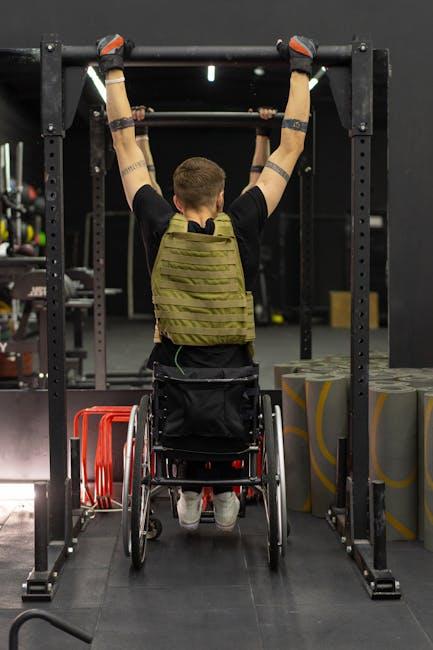
- Arm ergometry and resistance training: To maintain upper body and cardiovascular health (NCBI).
- Seated yoga or stretching: For flexibility and spasticity reduction.
- Functional electrical stimulation (FES): Advanced technology stimulating muscle contraction via electrical impulses; growing evidence supports its role in preserving muscle and bone mass (NCBI).
Chronic Joint Disease/Osteoarthritis
- Aquatic therapy: Allows pain-free movement and low-impact resistance (Arthritis Foundation).
- Chair-based strength and flexibility routines.
- Short, frequent sessions: Reduces fatigue and joint flare-ups.

Sample Exercise Routines for Limited Mobility or Injury
Below is a sample weekly exercise routine suitable for many adults with lower-extremity mobility limitations.Consult your healthcare provider for individual adaptation.
| Day | Cardiovascular | Strength | Flexibility | Mental Health |
|---|---|---|---|---|
| Monday | Arm ergometer (15 min) | Seated biceps curls (2 x 10) | Neck and shoulder stretches | Guided meditation (10 min) |
| Tuesday | Chair aerobics (20 min) | Resistance band pull-aparts (2 x 15) | Spinal twists, chest opener | Deep breathing exercises |
| Wednesday | Seated marching (10 min) | Isometric quadriceps (3 x 10 sec) | Hamstring stretch (seated) | Visualization practice |
| Thursday | Water-based therapy (if accessible) | Seated leg extensions (2 x 12) | Shoulder circles | Mindfulness meditation |
| Friday | Chair boxing/shadowboxing (10 min) | Wrist/ankle weights, light (2 x 15) | Neck stretches | Progressive muscle relaxation |
| Saturday | Gentle yoga (adaptive) | core activation (seated) | Full-body stretch (as tolerated) | gratitude journaling |
| Sunday | Rest / light stretching | Rest | Deep breathing/mindfulness | Leisure activity |
This routine emphasizes balance across fitness domains and includes a psychosocial element, reflecting best practice in rehabilitation medicine (JAMA Network).
Tools and Technologies for Fitness With Limited Mobility
Advances in adaptive fitness equipment and assistive technologies have expanded opportunities for exercise. Examples include:
- Pedal exercisers and mini cycles: For upper or lower limb aerobic exercise.
- Therapy balls (“Swiss balls”): Core and balance training through seated exercises.
- Resistance bands and tubes: Lightweight, portable, and adjustable for resistance training.
- Accessible gyms: Increasingly available with adaptive equipment and trained trainers (National Center on Health,Physical Activity and Disability).
- Tele-rehabilitation and virtual exercise classes: Online platforms with routines tailored to varying levels of ability (NCBI).
- Wearable technology: Fitness trackers with features for wheelchair propulsion, arm movements, or reminders (Medical News Today).
Psychological Benefits and Motivation Strategies
The emotional effects of limited mobility are substantial — increased risk of depression, anxiety, and social withdrawal are well documented (PubMed). Exercise, even in modest amounts, is a proven clinical intervention for improving mood, cognitive function, and sleep, and for reducing pain perception.
Effective motivation strategies include:
- Setting specific, measurable goals: Using the SMART framework.
- Tracking progress: Using journals or digital tools to log activity and improvement.
- Peer support: Exercising with friends, family, or support groups boosts adherence (Harvard Health Publishing).
- Positive reinforcement: Celebrating milestones and rewarding consistency.
- Professional guidance: Regular check-ins with physical therapists or trainers specializing in adaptive fitness.
Safety Considerations and When to Seek Medical Advice
safety is paramount in exercise with limited mobility. International guidelines recommend (CDC):
- Starting slow and increasing activity gradually.
- Using appropriate assistive devices as needed.
- Avoiding high-risk activities that could cause falls or worsen injury.
- Monitoring for warning signs such as chest pain, severe shortness of breath, unexplained swelling, or joint pain.
- Seeking prompt medical attention for any new or worsening symptoms.
Maintaining regular communication with healthcare and rehabilitation providers is key for ongoing safety.
Nutrition and Recovery: An Essential Synergy
Nutrition plays an integral role in supporting exercise and recovery,especially when muscle mass or bone density is a concern. Key recommendations:
- Protein intake: Essential for muscle maintenance and repair. Aim for 1.2–1.5 g/kg body weight per day,especially after injury (PubMed).
- Calcium and vitamin D: To support bone health in the context of reduced weight-bearing (MedlinePlus – Vitamin D).
- Anti-inflammatory foods: Such as omega-3 fatty acids, brightly colored fruits/vegetables, nuts, and seeds (Harvard Health Publishing).
- Hydration: Prevents complications and optimizes tissue repair.
Malnutrition is common in those with chronic immobility; early dietitian referral is strongly encouraged (pubmed).
Addressing Barriers: Common Challenges and Evidence-Based Solutions
People with limited mobility face distinctive barriers to fitness, illustrated by epidemiologic and clinical research:
- pain and fatigue: Use graded exercise; short bouts are clinically effective (NCBI).
- Lack of adaptive equipment: Many exercises are bodyweight-based and require minimal gear.
- Transportation and accessibility: Leverage home-based and virtual exercise programs.
- Fear of injury recurrence: Build confidence with supervised or guided programs.
- Social support: Engage caregivers and loved ones in the activity process.
Frequently Asked Questions (FAQ)
Q: Can exercise make my injury worse?
When professionally guided and appropriately modified, exercise is safe and may expedite recovery. However, exercising through severe pain or against explicit medical advice can be harmful. Always consult your provider before beginning new routines (NHS).
Q: How much exercise is enough if I have mobility limits?
The CDC recommends at least 150 minutes per week of moderate-intensity activity for adults, with muscle-strengthening activities on two days. for those unable to meet this threshold,doing any activity is better than none.
Q: Are there online resources for adapted physical activity?
Yes. Extensive programs are available,such as those from the National Center on Health, Physical Activity and Disability (NCHPAD) and Parkinson’s Foundation.
Conclusion: Empowering Individuals With Knowledge, Tools, and Support
Physical fitness is achievable at any ability level through adaptation, consistency, and expert guidance. By leveraging accessible exercises, technology, and multi-disciplinary healthcare collaboration, individuals with limited mobility or injury can mitigate secondary health risks, enhance psychological well-being, and maintain a higher quality of life. For optimal results, a team approach involving medical, rehabilitation, and nutritional professionals is advised. Take the first step — your future health and independence depend on it.
Further Reading and Resources
- Physical Activity and Disability – NCBI Book
- Exercise for disabled People – NHS
- Physical Activity for People with Disabilities – CDC
- Parkinson’s Foundation: Exercise