
How to safely Manage Multiple Prescriptions
Introduction
Polypharmacy—the concurrent use of multiple medications—is increasingly prevalent due to the rising incidence of chronic diseases and an aging global population. With advances in medicine, individuals are living longer and often managing numerous comorbidities that necessitate complex therapeutic regimens. According to the Centers for Disease Control and Prevention (CDC), adverse drug events lead to over 1 million emergency department visits annually in the United states, with older adults being especially at risk. Safely managing multiple prescriptions is not only crucial for optimizing clinical outcomes but also for minimizing side effects, drug interactions, and the risk of medication errors.
Understanding Polypharmacy
Definition and epidemiology
Polypharmacy is typically defined as the regular use of five or more medications, though definitions may vary. according to a study published in BMC geriatrics, polypharmacy is especially common among older adults, with estimates indicating that nearly 40% of individuals over 65 years take five or more daily medications.
Drivers of Polypharmacy
- Increased Chronic Disease Burden: Conditions like hypertension,diabetes,cardiovascular disease,and mental health disorders frequently enough require long-term pharmacological management [source].
- Specialist Involvement: care by multiple providers may result in overlapping prescriptions or unrecognized drug interactions.
- Aging Population: Elderly patients commonly have comorbidities,leading to more complex pharmacotherapy [WHO].
Risks Associated with Multiple prescriptions
While medications are fundamental to managing health conditions, inappropriate polypharmacy can have serious consequences:
- Adverse Drug Events (ADEs): Increased risk of side effects, toxicity, and allergic reactions [FDA].
- Drug-Drug Interactions: Certain drugs may interact,altering efficacy or increasing toxicity [MedlinePlus].
- non-Adherence: complex regimens increase the likelihood that doses will be skipped or duplicated [NCBI].
- Cognitive Impairment and Falls: Medications that affect the central nervous system may increase fall and confusion risk, especially in older adults [Harvard Health].
- Increased Hospitalization and Healthcare Costs: Complications from polypharmacy are a major cause of avoidable emergency visits and hospitalizations [JAMA Network].
Principles of Safe Prescription Management
Complete Medication Review
The foundation of safe management is a complete and regularly updated medication list. According to the CDC, every patient and healthcare provider should have a current, accurate record of all prescription and over-the-counter (OTC) medications, vitamins, herbal products, and supplements used. A thorough review should include:
- Drug names, dosages, and frequencies
- Intended indications and duration
- Prescribing providers’ names
- Known allergies and prior adverse reactions
Scheduling regular medication reconciliation—especially after hospitalizations, specialist visits, or changes in treatment—is crucial to prevent duplication and incompatibilities [NCBI].
Interaction: Patient, Provider, and Pharmacist Roles
- Patients: Transparency is essential. Communicate all current medications, supplements, and OTCs to every prescriber. Express any symptoms or side-effects experienced.
- Prescribers: Implement evidence-based prescribing, minimize unnecessary medications, and regularly evaluate therapeutic goals.
- Pharmacists: Pharmacists are medication safety experts. Utilize medication therapy management (MTM) services offered at many community and hospital pharmacies [CDC: MTM].
Understanding Medication Purpose and Instructions
Educate yourself on each drug’s name, purpose, dose, governance route, timings, and potential side effects. The FDA emphasizes reviewing the Medication Guide or Patient Information leaflet provided with every prescription.
Common Challenges in Managing Multiple Medications
Drug-Drug and Drug-Food Interactions
Polypharmacy increases the risk of both pharmacokinetic and pharmacodynamic interactions. Certain medications, such as blood thinners, antiepileptics, or statins, are particularly prone to interacting with other drugs or foods. Such as:
- Warfarin: Numerous drugs and vitamin K-rich foods can alter its effect, raising bleeding or clotting risk [MedlinePlus: Warfarin].
- Grapefruit Juice: Affects metabolism of statins and some antihypertensives [FDA].
It’s essential to consult a pharmacist when starting new medications or experiencing new symptoms.
Cognitive and Visual Impairments
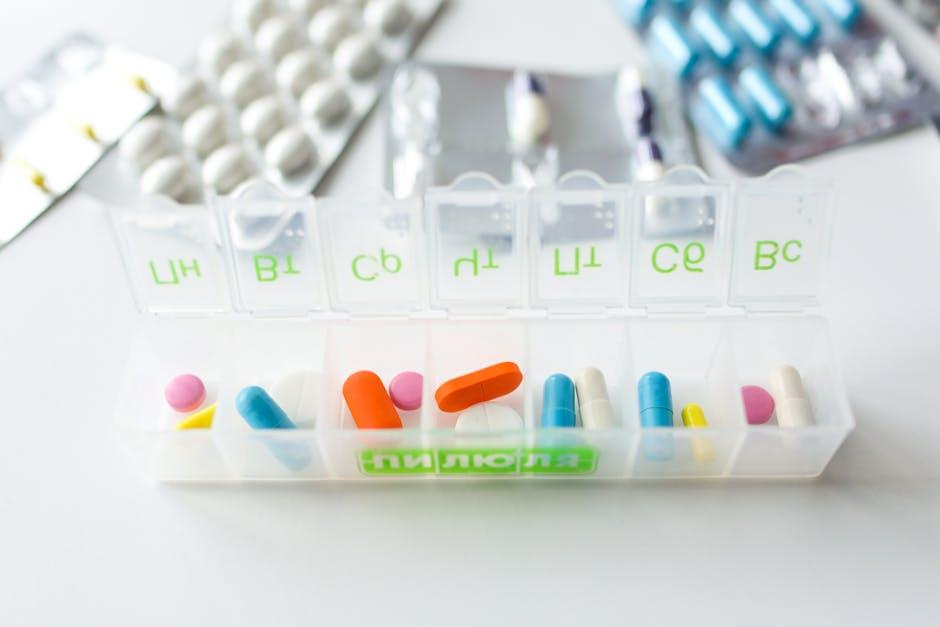
Elderly patients or those with cognitive decline may struggle to adhere to complex regimens, leading to missed doses, overdosing, or confusion. Tools such as pill organizers, alarms, and medication calendars support accurate and timely intake [NIA/NIH].
Side Effects and Adverse Events
Polypharmacy increases cumulative side effect burden. Common symptoms,such as dizziness,gastrointestinal upset,or sedation,may be mistaken for underlying disease or aging [Mayo Clinic]. Report any concerning symptoms promptly to your healthcare provider.
Strategies for safe Polypharmacy
1. Maintain a Master Medication List
Keep an updated written or digital record with all medications, doses, frequencies, indications, and prescribing providers. Share this list with every healthcare professional at all appointments [AHRQ].
2. Schedule Regular Medication Reviews
Annual or bi-annual reviews with your primary care provider or pharmacist can identify redundant drugs, perilous interactions, or suboptimal dosages. This process, known as Medication Therapy Management (MTM), is a cornerstone of modern pharmacy care.
3. Use One Pharmacy When Possible
Filling all prescriptions at the same pharmacy allows pharmacists to detect interactions, duplications, and possible allergies more efficiently [Medical News Today].

4. Leverage Pill Organizers and Reminder Tools
Pill organizers,smartphone reminder applications,and automated prescription refill services can reduce errors and enhance adherence. Some advanced pill dispensers can send reminders or even alert caregivers if a dose is missed [Healthline].
5. Recognize and Report Side Effects and Interactions
monitor for new or worsening symptoms and report them immediately. Utilize FDA’s MedWatch if you suspect a serious adverse effect.
6. Encourage Open Communication
- Ask questions: why is this medication prescribed? What outcomes should I expect?
- Before stopping or starting any medication (including supplements), consult your primary care provider or pharmacist.
- request simple written instructions and dosing schedules.
Interdisciplinary communication reduces errors and improves patient outcomes [NCBI].
7. Simplify the Medication Regimen where Possible
clinical guidelines encourage prescribers to use once-daily drugs or combination pills when safe and effective. Deprescribing—the process of systematically discontinuing unnecessary medications—should be considered as health status and therapeutic goals evolve [NCBI: Deprescribing].
Patient Education and Empowerment
Know Your Medications
According to the CDC’s medication safety recommendations for patients, empowerment begins with education:
- Understand each medication’s purpose and possible side effects.
- Know what to do if you miss a dose.
- Clarify if medications should be taken with food, at a specific time of day, or separately from others.
- Check for special storage requirements.
managing Over-the-Counter and Herbal Products
OTC drugs, vitamins, and herbal supplements are not risk-free—important drug interactions may occur. For example, St. John’s Wort can interact with antidepressants,antiretrovirals,and oral contraceptives [NHS]. Always inform your healthcare provider about all non-prescription products used.
Traveling and Lifestyle Changes
Medication routines may be disrupted by travel, dietary shifts, or new schedules. Bring an updated medication list, carry extra doses, and familiarize yourself with local pharmacy services. For medications requiring refrigeration or strict timing, plan ahead with your healthcare team [Harvard Health].
Medication Safety for Special populations
Older Adults
Older adults are particularly vulnerable to adverse drug reactions due to physiological changes, decreased renal and hepatic function, and increased likelihood of comorbidities. The CDC highlights the importance of careful monitoring, particularly for drugs affecting the central nervous system, such as sedatives, anticholinergics, and opioids. Tools such as the Beers Criteria help guide safer prescribing for geriatric populations.
Patients with Chronic Disease
- Renal or Hepatic Impairment: Altered drug metabolism and excretion can lead to toxicity with standard dosages [NCBI].
- Heart Failure or Diabetes: These patients often require particularly careful coordination of complex regimens.
Children
Children, especially those with chronic illnesses, may be affected differently by multiple prescriptions. Dosing errors and unintentional overdoses are key risks. Always use calibrated dosing devices and consult pediatric specialists [CDC Children’s medication Safety].
Role of Technology and Digital Tools
Medication Management Apps
Numerous smartphone apps are available to help patients manage medication schedules, track doses, and receive alerts about interactions. According to Mayo Clinic, these digital tools can significantly improve adherence and safety, especially for complex regimens.
Electronic Health Records (EHRs)
EHRs allow real-time access to complete medication lists and facilitate coordination among multiple providers. Integrated drug interaction checks flag potential safety issues before prescriptions are filled [NCBI].
What to Do in Case of Medication Error
Recognizing Medication Errors
Medication errors can occur at any stage: prescribing, transcribing, dispensing, administration, or monitoring. Mistakes include taking the wrong drug, incorrect dosage, duplicate therapy, or missed doses. The FDA advises promptly notifying your healthcare provider if a mistake occurs.
Steps to Take After a Suspected Error
- Contact your pharmacist or provider immediately.
- Keep the medication packaging and record details of the error.
- If severe symptoms (difficulty breathing, chest pain, severe rash, confusion), call emergency services.
- Report the error to FDA MedWatch.
Deprescribing: Safely Reducing Medication Burden
What Is Deprescribing?
Deprescribing is a collaborative, patient-centered process of safely reducing or stopping medications that may no longer be beneficial or may be causing harm. Research in The Lancet indicates deprescribing can reduce ADEs and improve functional status in older adults.
Approach to Deprescribing
- identify potentially inappropriate medications using tools such as the Beers Criteria.
- review the risk-benefit profile for each drug.
- Prioritize drugs to discontinue, one at a time, with monitoring for withdrawal or disease recurrence.
- Engage the patient in shared decision-making.
Importance of Interdisciplinary Care
Interdisciplinary collaboration—including primary care, specialists, pharmacists, nurses, and caregivers—ensures comprehensive medication management, reduces polypharmacy-related risks, and fosters patient-centered care [Harvard Health].
Conclusion
Successfully managing multiple prescriptions requires a proactive, informed approach. Regular medication reviews, interdisciplinary communication, leveraging technology, and patient education are cornerstones of safe polypharmacy. A partnership between patients, providers, and pharmacists is vital to reduce adverse effects, prevent interactions, and optimize therapeutic outcomes. For more in-depth,individualized advice,always consult a qualified healthcare professional or your pharmacist.
Further Resources
- CDC: Medication Safety for Adults
- NIH: Medication Management
- FDA: Safe Use of Medicines
- Mayo Clinic: Drugs & Supplements
- PubMed: Medication Safety Literature