

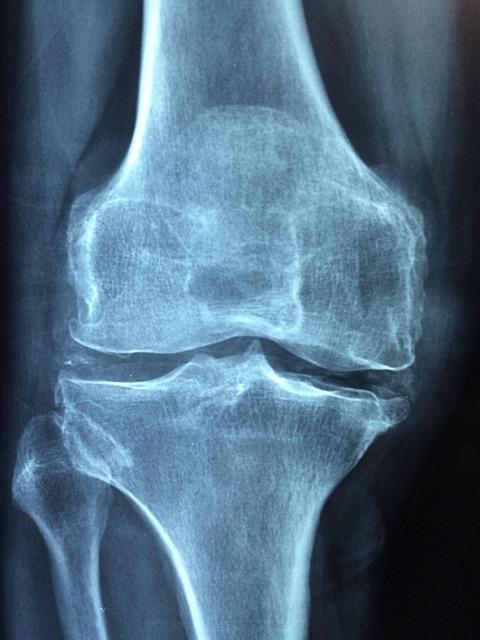
 joint pain“>
How to Relieve Joint Pain Caused by Lyme Disease
Introduction
Lyme disease is the most common vector-borne illness in north America and Europe, transmitted primarily through the bite of infected Ixodes ticks. One of its most debilitating manifestations is Lyme arthritis, characterized by episodic or persistent joint pain and inflammation.According to the Centers for Disease control and prevention (CDC), approximately 30,000–476,000 people are diagnosed and treated for Lyme disease annually in the United States alone. Joint pain from Lyme disease can pose a critically important burden on patients, affecting daily activities, occupational function, and overall quality of life.
This comprehensive guide synthesizes current scientific evidence and clinical best practices for relieving joint pain associated with Lyme disease. It addresses medical management, rehabilitative strategies, integrative approaches, and lifestyle modifications, empowering readers to make informed decisions in collaboration with their healthcare providers.
Understanding Lyme Disease and Its Impact on Joints
Etiology and Pathophysiology
Lyme disease is caused by the Borrelia burgdorferi spirochete, a bacterium transmittable through tick bites, particularly in endemic regions. Following infection, the pathogen disseminates via the bloodstream, leading to varied systemic manifestations. The joint symptoms of Lyme disease most commonly present in later stages, as the spirochete can invade synovial tissues, precipitating an inflammatory arthritis. Hallmarks include swelling, warmth, and pain, typically affecting large joints—especially the knees.
The immunopathology involves both direct bacterial invasion and host immune responses, including activation of inflammatory cytokines and immune complexes within the synovium. Chronic inflammation may persist even after adequate antimicrobial therapy, underlying -infectious Lyme arthritis.
Epidemiology of Lyme Arthritis
According to the CDC, Lyme arthritis occurs in approximately 60% of untreated patients, though rates are declining due to earlier recognition and prompt antibiotic therapy. Certain genetic predispositions may increase susceptibility to persistent symptoms. global incidence varies with tick habitat and awareness.
Symptomatology and Diagnosis
Typical symptoms include intermittent joint swelling, pain, warmth, and decreased range of motion. The knee is most frequently affected, though the ankle, elbow, and wrist can be involved. Diagnosis is clinical, supported by serologic testing (enzyme immunoassay, Western blot) and sometimes synovial fluid analysis. Differential diagnoses such as rheumatoid arthritis or osteoarthritis are carefully excluded to ensure accurate management.
Conventional Medical Treatments for Lyme-Induced Joint Pain
Antibiotic Therapy: The first Line of Defence
The cornerstone of Lyme arthritis treatment is prompt and adequate antibiotic therapy.Oral doxycycline, amoxicillin, or cefuroxime axetil are commonly prescribed for 28 days. Intravenous ceftriaxone is reserved for severe or refractory cases. The CDC treatment guidelines recommend specific regimens based on disease stage and patient factors.
- Doxycycline: 100 mg twice daily (contraindicated in children <8 years and pregnant women)
- Amoxicillin: 500 mg three times daily (pediatric and pregnancy-friendly)
- Cefuroxime axetil: 500 mg twice daily (choice)
Typically, joint symptoms improve within weeks after therapy initiation.However, a minority of patients may experience persistent pain despite microbial clearance, termed “-treatment Lyme disease syndrome” (PTLDS).
Management of Persistent or Refractory Lyme Arthritis
If joint symptoms persist beyond two months after adequate antibiotics, further investigation is warranted for:
- Ongoing infection (rare)
- Autoimmune-mediated synovitis
- Alternative or concomitant diagnoses
Evidence does not support prolonged or repeated antibiotic therapy for PTLDS. Instead, rheumatologic management (e.g., NSAIDs, disease-modifying antirheumatic drugs [DMARDs], corticosteroid injections) may be indicated under specialist care.
Pharmacologic Analgesia and Anti-Inflammatory Strategies
Analgesics and anti-inflammatories play a vital adjunctive role in symptom relief. Evidence supports the following options:
- Nonsteroidal anti-inflammatory drugs (NSAIDs): Such as ibuprofen or naproxen, reduce pain and inflammation in mild cases. Careful monitoring for gastrointestinal or renal side effects is advised, particularly in long-term use (Mayo Clinic).
- Corticosteroids: Systemic steroids are generally avoided in early Lyme but may be used as intra-articular injections or short courses under rheumatologists to manage severe persistent synovitis.
- DMARDs and biologics: Medications such as methotrexate or TNF inhibitors are considered in rare, antibiotic-refractory cases with autoimmune features.
Physical Therapy and Rehabilitation
A comprehensive physical therapy program enhances recovery, improves joint function, and prevents disability. Evidence-based protocols target:
- Pain reduction
- Flexibility and strength restoration
- Gait and balance training
- Prevention of muscle atrophy or joint contracture
Supervised exercise, manual therapy, hydrotherapy, and assistive devices may all be incorporated. Ongoing evidence supports tailored rehabilitation for optimal return to activity (NIH).
Adjunctive and Integrative approaches
Diet and Nutritional Support
A balanced and anti-inflammatory diet supports immune function and may mitigate synovial inflammation. Recommendations include:
- Omega-3 fatty acids: Found in fish, flaxseed, and walnuts, these have anti-inflammatory properties beneficial to arthritic joints.
- Fresh fruits and vegetables: Rich in antioxidants and polyphenols, wich may reduce oxidative stress.
- Lifestyle considerations: Avoiding refined sugars,saturated fats,and processed foods can minimize systemic inflammation (Medical News Today).
Consultation with a registered dietitian or nutritionist is recommended for personalized dietary interventions in Lyme arthritis.
Supplements and Herbal Therapies
Some evidence suggests the use of anti-inflammatory nutritional supplements (curcumin, boswellia, or ginger) may aid in reduction of joint pain, though they should not replace conventional therapy.The NIH Office of Dietary Supplements stresses the importance of discussing all supplements with your healthcare provider to avoid interactions.
Acupuncture and Complementary Therapies
Acupuncture, an ancient Chinese medicine technique, has shown some benefit in chronic pain syndromes, including arthritis, and may serve as an adjunct to mainstream therapies (NIH NCCIH). Massage,meditation,yoga,and mindfulness practices can also support pain coping,stress reduction,and improve overall well-being.

Lifestyle Modifications for Managing Lyme-Induced Joint Pain
Exercise: Benefits and Precautions
Regular, moderate physical activity is essential to preserve joint mobility, muscle strength, and general health.Activities such as swimming, cycling, or walking are generally joint-friendly. However,overexertion or high-impact exercise may exacerbate pain. Collaborating with a physical therapist is beneficial for developing a personalized program based on current function, pain levels, and disease phase (Healthline).
Weight Management
Achieving and maintaining a healthy weight can substantially reduce the mechanical load on affected joints, alleviating pain and slowing articular degeneration. This is supported by clinical research in arthritis management (Mayo Clinic).
Rest and Sleep hygiene
Sufficient rest is vital during active infection and flare-ups. quality sleep enhances immune repair and lowers pain levels.Sleep hygiene—such as establishing a regular bedtime, limiting screen time, and creating a pleasant surroundings—should be part of holistic care.
Ergonomics and Supportive Devices
Using supportive devices (braces, orthoses, ergonomic chairs) can reduce joint strain during daily tasks. Adaptive aids may be recommended by occupational therapists to improve function and independence.
Complications and When to Seek Specialist Care
Recognizing Red Flags
While most Lyme arthritis cases resolve with appropriate therapy, complications can arise and require prompt evaluation. These include:
- Rapidly worsening pain, redness, or swelling (possible septic arthritis)
- Systemic symptoms: fever, malaise, neurologic deficits
- Multiple joint involvement unresponsive to therapy
Referral to infectious disease specialists, rheumatologists, or orthopedic surgeons may be indicated for advanced diagnostic and therapeutic interventions (NHS).
Chronic Lyme Arthritis and PTLDS
A subset of individuals develop chronic symptoms after adequate treatment, referred to as -treatment Lyme disease syndrome (PTLDS).This may manifest as ongoing joint pain,fatigue,cognitive disturbances,and malaise. Multidisciplinary management—including physical therapy, psychological support, and symptomatic medications—is recommended over unproven, perhaps harmful long-term antibiotic regimens.
Frequently Asked Questions (FAQs) About Lyme-Related Joint Pain
| Question | Brief Medical Answer |
|---|---|
| Is Lyme arthritis permanent? | No, most cases resolve completely or significantly improve after antibiotic therapy, though some may experience persistent symptoms. |
| Can joint damage be prevented? | Prompt treatment is key.Early antibiotic intervention minimizes the risk of permanent joint damage. |
| Are corticosteroids safe in all cases? | No, systemic steroids are generally reserved for severe, persistent arthritis after infection has cleared.Use only under medical supervision. |
| Will diet alone relieve arthritis symptoms? | No, dietary measures are only adjuncts. Medical treatment is essential for joint recovery. |
| Is repeat antibiotic therapy necessary? | Generally not. Persistent symptoms after one adequate antibiotic course are usually not due to active infection. |
Prevention, Early Detection, and Public Health Implications
Prevention of Lyme disease remains pivotal to reducing the burden of Lyme arthritis. Public health measures recommended by the CDC and WHO include:
- Using EPA-approved tick repellents
- Wearing protective clothing outdoors in endemic areas
- Performing systematic tick checks after outdoor activities
- Prompt and proper removal of attached ticks
- Awareness of early Lyme symptoms (erythema migrans)
Early recognition enhances curative outcomes and diminishes the risk of joint complications.
Living with and Overcoming Joint Pain After Lyme Disease
Lyme-induced joint pain is a challenging aspect of the disease but can be effectively managed through a combination of early medical intervention, evidence-based pharmacologic and rehabilitative therapies, integrative approaches, and lifestyle modifications. A multidisciplinary, patient-centered plan is ideal for optimizing pain relief, joint function, and overall well-being.
Staying informed, adhering to treatment recommendations, and working closely with healthcare professionals are key steps toward recovery and prevention of future disability. Support networks, educational resources, and advocacy organizations can provide additional guidance and psychosocial assistance during the healing journey.
References
- CDC Lyme Disease Statistics
- Genetic Susceptibility in Lyme Arthritis
- mayo Clinic: Lyme Disease Facts
- CDC: lyme Disease Treatment Protocols
- Management of Refractory Lyme Arthritis
- harvard Health: Foods That Fight Inflammation
- NIH NCCIH: Acupuncture in-Depth
- CDC: -Treatment Lyme Disease Syndrome
- NIH: Lyme Disease Bacteria Persistence
- Healthline: Comprehensive Lyme Disease Guide