

How to Reduce the Risk of Hospital-Acquired Infections
Introduction
hospital-acquired infections (HAIs), also referred to as nosocomial infections, pose a serious threat within healthcare environments worldwide. These infections develop during a patient’s stay in a healthcare facility and are not present or incubating upon admission. According to the World health Organization (WHO), hundreds of millions of patients are affected by HAIs annually, resulting in important morbidity, mortality, increased healthcare costs, and extended hospital stays. The issue is of heightened concern in the context of antimicrobial resistance, where inappropriate or excessive antibiotic use can further complicate the management and prognosis of infected individuals. Minimizing the risk of HAIs is therefore vital to protect patient health, improve outcomes, and mitigate the burden on healthcare systems.
Understanding Hospital-acquired Infections
HAIs can effect any patient, but certain populations face greater risks, including the immunocompromised, elderly, neonates, and patients undergoing invasive procedures. Common types of HAIs include:
- Catheter-associated urinary tract infections (CAUTI)
- Central line-associated bloodstream infections (CLABSI)
- Ventilator-associated pneumonia (VAP)
- Surgical site infections (SSI)
- Clostridioides difficile (C. diff) infections
The Centers for Disease Control and Prevention (CDC) estimates that, in the United States alone, about 1 in 31 hospital patients has at least one HAI on any given day. Understanding the pathophysiology, risk factors, and transmission mechanisms of these infections is essential for effective prevention.
Pathophysiology and Epidemiology of hais
HAIs occur through a complex interplay of factors involving the host, pathogen, and habitat. Disruption of protective barriers (such as skin and mucous membranes), compromised immunity, and exposure to medical devices (like catheters and ventilators) can facilitate pathogen entry and colonization. The most common pathogens associated with HAIs include Staphylococcus aureus (including MRSA), Escherichia coli, Pseudomonas aeruginosa, and clostridioides difficile (source).
Epidemiologically, HAIs are influenced by hospital size, case mix, local infection control practices, and patient comorbidities. According to the JAMA Network, intensive care units (ICUs) bear a disproportionately high burden of HAIs due to the severity of illness, frequent use of invasive devices, and prolonged stays.
Major Types of Hospital-Acquired Infections
1. Catheter-Associated Urinary Tract infections (CAUTIs)
CAUTIs are the most common type of HAI. risk factors include prolonged catheterization, improper insertion technique, and poor catheter maintenance. They can lead to complications such as pyelonephritis and sepsis (CDC).
2. Central Line-Associated Bloodstream Infections (CLABSIs)
Central lines provide direct vascular access, creating a portal for microbial entry. CLABSIs are associated with high morbidity and mortality, especially in critically ill patients. Factors increasing risk include poor hand hygiene, improper insertion technique, and prolonged catheter dwell time (CDC).
3. Ventilator-Associated Pneumonia (VAP)
VAP occurs in patients receiving mechanical ventilation,typically developing 48 hours or more after intubation. Pathogenesis involves aspiration of colonized secretions, impaired host defenses, and invasive respiratory devices (American Thoracic Society).
4. Surgical Site Infections (SSIs)
SSIs develop after surgical procedures and are classified into superficial (skin/subcutaneous), deep incisional, and organ/space infections. They account for approximately 20% of all HAIs (CDC).
5. Clostridioides difficile Infections
C. diff is a spore-forming bacterium causing severe gastroenteritis, often after antibiotic exposure. It is indeed responsible for considerable morbidity, recurrent infections, longer hospital stays, and increased healthcare expenses (NIH).
Risk Factors and Transmission of HAIs
preventing HAIs requires recognizing the complex web of risk factors:
- Patient Factors: Age, immunosuppression, chronic diseases, malnutrition.
- Device-Related Factors: Prolonged use of urinary or vascular catheters, endotracheal tubes.
- Environmental and Procedural Factors: Overcrowding, inadequate cleaning, improper disinfection of medical equipment, lapses in aseptic technique.
- Antibiotic Exposure: History of recent or prolonged use, promoting resistant organisms.
- Healthcare Worker Practices: Poor hand hygiene, non-compliance with PPE, improper use and handling of sterile equipment.
Pathogens typically spread via contact (direct or indirect), droplet, or aerosol routes.Contaminated surfaces, hands of healthcare personnel, and invasive medical devices are common transmission vectors (Mayo Clinic).
Evidence-Based Strategies to Reduce HAIs
1. Rigorous Hand Hygiene
The single most effective measure to prevent HAIs is proper hand hygiene. The WHO’s “Five Moments for Hand Hygiene” framework outlines critical times for hand cleaning: before touching a patient, before clean/aseptic procedures, after body fluid exposure/risk, after touching a patient, and after touching patient surroundings.
- Use alcohol-based hand rubs for routine decontamination.
- Wash with soap and water when hands are visibly soiled or after caring for patients with C. diff (CDC – Hand Hygiene).
2. Appropriate Use and Maintenance of Medical Devices
Medical devices, including urinary and vascular catheters, are major risk factors for hais.Strategies to minimize their risk include:
- Insert devices only when necessary and use the smallest appropriate size.
- Employ full barrier precautions during insertion (CDC CLABSI Prevention).
- Follow strict aseptic technique and ensure secure, sterile dressings.
- Regularly assess need for devices and remove promptly when no longer indicated.
- Maintain closed drainage systems and avoid unnecessary disconnections.
3. adherence to Environmental Cleaning and Disinfection Protocols
Environmental surfaces and medical equipment can act as reservoirs for pathogens. Key interventions include:
- Implementing routine and terminal cleaning using EPA-registered hospital disinfectants (CDC - Environmental cleaning).
- Cleaning high-touch surfaces and shared medical devices between patients.
- Ultraviolet (UV-C) or hydrogen peroxide vapor disinfection for rooms used by patients with multidrug-resistant organisms.
4. Optimal Antimicrobial Stewardship
The judicious use of antimicrobials is critical for preventing the emergence of resistant organisms and C. diff infections.
- Antibiotics should be prescribed only when clinically indicated, at the correct dose and duration (CDC – Core Elements of Antibiotic Stewardship).
- Implement prospective audit and feedback, formulary restrictions, and guideline-based therapy protocols.
Such stewardship reduces unnecessary exposure and minimizes the advancement of antimicrobial resistance and secondary infections.
5. Standard and Transmission-based Precautions
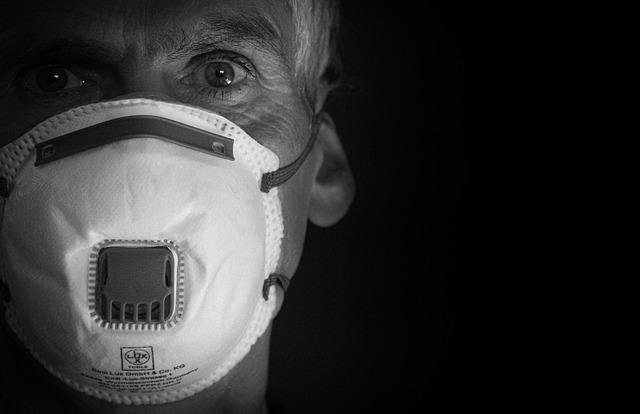
Worldwide precautions—including the use of gloves, gowns, masks, and eye protection—help prevent pathogen spread between healthcare workers and patients. Specific transmission-based precautions are needed for patients with known or suspected infectious agents:
- Contact precautions: For MRSA,VRE,C. diff
- Droplet Precautions: For influenza, pertussis
- Airborne Precautions: For tuberculosis, measles, varicella (CDC – Isolation Precautions)
6. Staff Education and Continuous Training
Regular and ongoing education of healthcare personnel on infection prevention strategies ensures compliance and adaptation to evolving guidelines. Training should cover:
- Hand hygiene techniques and policies
- Device insertion and maintenance bundles
- Environmental decontamination protocols
- Recognition and isolation of infectious cases
Mandatory training not only updates staff knowledge but promotes a safety culture within institutions (Harvard Health Publishing).
7. Surveillance, Audit, and Feedback Programs
thorough surveillance systems track infection rates and identify areas for improvement. Electronic medical records, microbiological cultures, and routine audits of clinical practice are instrumental in early detection and prompt response to HAI outbreaks (WHO – Surveillance of HAIs).
- Clear feedback to healthcare teams enhances accountability and adherence to prevention protocols.
The use of automated or real-time alert systems can further support rapid identification and containment measures.
Advanced Infection Control Technologies
Modern healthcare facilities increasingly utilize advanced technologies to supplement traditional infection prevention methods.
- Ultraviolet (UV-C) Disinfection: UV-C devices can rapidly disinfect patient rooms and equipment, reducing bioburden (pubmed).
- Antimicrobial Surfaces: Installation of copper or silver-impregnated surfaces on high-touch objects demonstrates significant reductions in microbial contamination.
- Touch-free Automated Dispensers: These devices improve hand hygiene compliance by providing easy access to alcohol-based rubs.
Continuous microbial air and surface monitoring devices are also available and offer prompt detection of pathogen proliferation in clinical environments.

Role of Leadership and Institutional Policy
Executive leadership and a robust institutional policy framework are foundational to successful infection prevention programs. leadership support ensures resource allocation for infection control staff, ongoing education, surveillance infrastructure, and implementation of evidence-based guidelines.
- multidisciplinary infection control committees should review local epidemiology, compliance rates, and develop targeted interventions (The Lancet Infectious Diseases).
- Policies should mandate infection risk assessment, reporting mechanisms, and immediate response to outbreaks.
Clear communication channels and a transparent culture encourage reporting of near misses and non-compliance without fear of reprisal, fostering institutional learning and continuous improvement.
Patient Education and Engagement
Empowering patients and their families can significantly impact HAI reduction. patients who understand their rights to clean hands, sterile equipment, and prompt device removal are more likely to advocate for safe care (Healthline).
- Educate on signs and symptoms of infection and encourage immediate reporting.
- Distribute accessible writen and visual materials on infection prevention.
- Include patient representatives in quality improvement and infection control initiatives.
Active patient involvement is linked to higher adherence rates for infection prevention protocols and improved patient satisfaction.
Special Considerations in High-Risk Populations
Certain patient groups, such as those in pediatric, oncology, burn, or transplant units, are notably vulnerable to HAIs (NHS). For these populations:
- Prioritize single-room isolation or cohorting of infected or colonized patients.
- Apply stricter visitor policies and hygiene requirements for caregivers.
- Implement intensified cleaning and monitoring protocols.
Tailored prophylactic and surveillance protocols can further reduce HAI risk in these groups.
Global Challenges and Future Directions
While many HAI prevention measures are well-established, barriers such as resource limitations, overcrowding, evolving pathogens, and increasing antimicrobial resistance remain—a fact underscored by recent global outbreaks such as COVID-19. The pandemic has highlighted the need for resilient infection prevention strategies, better supply chain management of PPE, and stronger global collaboration (WHO: Infection Prevention and control in the Context of COVID-19).
Emerging research focuses on rapid molecular diagnostics, next-generation antimicrobial agents, and predictive analytics via artificial intelligence to forecast outbreaks. Ongoing investment in these innovations promises to further reduce HAI burdens and improve healthcare safety.
Conclusion
Hospital-acquired infections present a critical patient safety challenge with ample consequences for individuals and healthcare systems. Scientific evidence supports a multi-modal approach to risk reduction encompassing hand hygiene, device care, environmental cleaning, antibiotic stewardship, staff education, surveillance, and patient involvement. Success requires an unwavering institutional commitment, supported by clear policy, resource allocation, advanced technology, and continuous evaluation.By adopting and rigorously enforcing these strategies, healthcare organizations can significantly reduce HAI incidence, protect patients, and advance the quality of care.
For additional reading and up-to-date guidance, visit the CDC’s HAI Resource Center and the WHO’s Infection Prevention and Control page.
Frequently Asked Questions (FAQs): Reducing the Risk of Hospital-Acquired Infections
| Question | Evidence-Based Answer |
|---|---|
| What is the number one way to prevent hospital-acquired infections? | Proper and consistent hand hygiene is the most effective way—as recommended by the WHO and CDC. |
| How can patients help prevent their own infection in a hospital? | Patients should advocate for clean hands, sterile equipment, and prompt removal of unnecessary devices, and immediately report any signs of infection. Education and engagement are key (Mayo Clinic). |
| Are hospital-acquired infections more common in certain hospital units? | Yes. ICUs, surgical wards, and high-dependency units experience higher HAI rates due to more invasive procedures and vulnerable patient populations (JAMA Network). |
| What is antimicrobial stewardship and why is it crucial? | It is the coordinated intervention designed to improve and measure the appropriate use of antibiotics to enhance patient health outcomes and reduce antimicrobial resistance (CDC). |
| What emerging technologies are available for infection prevention? | UV-C room disinfection, antimicrobial surfaces, automated compliance monitoring, and AI-driven surveillance technologies are among innovations currently being used or studied (PubMed). |
| Where can I get more data regarding HAIs? | Visit the CDC HAI Portal, WHO IPC page, and your hospital’s infection control department. |
References
- WHO: Health Care-Associated Infections
- CDC: HAI Data and Statistics
- JAMA Network – Health Care-Associated Infections
- NCBI – Pathogens and HAI Epidemiology
- CDC: Hand Hygiene in Healthcare Settings
- CDC: Environmental Infection Control Guidelines
- Harvard Health Publishing – Decreasing Hospital Infections
- NIH: Clostridioides difficile Infection
- Mayo Clinic: Health Care-Associated Infections
- CDC: Core Elements of Antibiotic Stewardship