

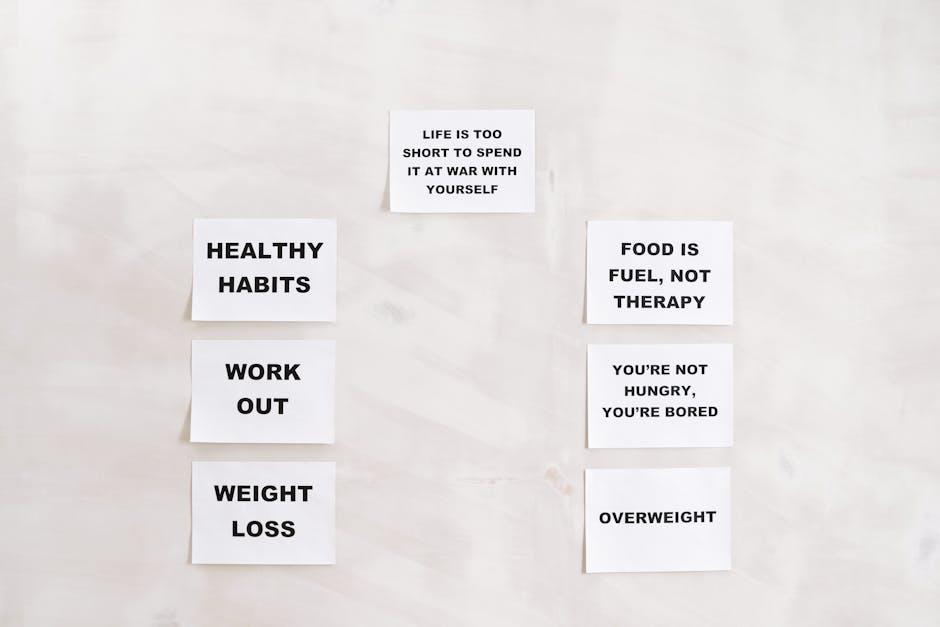
how to Identify Emotional Habits That Sabotage Peace
Introduction
In contemporary society, chronic stress, anxiety, and emotional dysregulation are reaching epidemic levels. According to the World Health Association (WHO), mental health disorders, particularly those arising from persistent negative emotional patterns, account for a notable portion of the global burden of disease and disability. The ubiquity of mental distress underlines the importance of understanding and mitigating factors that disturb inner peace. One frequently enough overlooked determinant is a person’s emotional habits—automatic, deeply rooted patterns of emotional response. These emotional habits, if maladaptive or negative, can sabotage an individual’s baseline sense of peace, ultimately impacting physical, psychological, and social health.
This article aims to deliver an objective, evidence-based exploration into what emotional habits are, how they form, and—most importantly—how to reliably recognise those that undermine tranquility. Drawing on insights from psychiatry, clinical psychology, neuroscience, and behavioral medicine, this article equips readers with actionable strategies and resources for positive emotional change.
1. Understanding Emotional Habits: The Science behind the Patterns
1.1 Defining Emotional Habits
Emotional habits are automatic, recurrent patterns of emotional response that develop through repeated experiences, reinforcement, and learned associations. Unlike conscious emotion regulation techniques, emotional habits operate largely below the level of awareness, shaping how individuals appraise, process, and respond to everyday experiences [NCBI]. These habits can begin early in life due to familial modeling,cultural conditioning,and formative experiences.
1.2 neurobiology of Emotional Habits
Recent advances in neuroscience attribute emotional habit formation to neural plasticity within limbic and prefrontal pathways of the brain. The amygdala processes emotional salience, while the prefrontal cortex modulates decision-making and impulse control [Harvard Health]. Repeated activation of these circuits codifies emotional response patterns into enduring neural pathways. Chronic engagement in negative emotional habits sensitizes stress mechanisms, increasing vulnerability to mood disorders [NCBI].
1.3 Examples of Common Emotional Habits
- Automatic catastrophizing (expecting the worst in ambiguous situations)
- Habitual self-criticism
- Persistent rumination or worry
- Emotional avoidance or suppression
- Impulsive anger or irritability
Each of these can actively disrupt the body’s equilibrium, triggering physiological stress responses that sabotage peace of mind [APA].
2. The Health Impact of Negative Emotional Habits
2.1 Chronic Stress and Its Consequences
Maladaptive emotional habits fuel chronic stress—a recognized risk factor for a spectrum of medical and psychiatric disorders. Prolonged activation of the hypothalamic-pituitary-adrenal (HPA) axis elevates cortisol and inflammatory cytokines, contributing to cardiovascular disease, metabolic dysfunction, and immune dysregulation [CDC]. Chronic stress also accelerates brain aging and cognitive decline [NCBI].
2.2 Comorbidity with Mental Health Conditions
Persistent negative emotional habits are strongly correlated with mood and anxiety disorders,including depression and generalized anxiety disorder. These habits frequently enough result in dysregulation of neurotransmitters such as serotonin and dopamine, further disrupting mood stability [Mayo Clinic]. Moreover, maladaptive habits predict poorer treatment outcomes and higher relapse rates in psychotherapy [JAMA Psychiatry].
2.3 impact on Social and Occupational Functioning
unaddressed negative emotional habits can impair interpersonal relationships, decrease work productivity, and restrict participation in meaningful activities [NCBI]. Individuals trapped in cycles of anger, worry, or avoidance may experience increased social isolation and reduced quality of life.
3.Identifying emotional Habits That Sabotage Peace: A Clinical Perspective
3.1 Signs and Symptomatology of Maladaptive Emotional Habits
Medical and psychological experts emphasize that early detection of destructive emotional patterns is critical. The following symptomatology is common in individuals with self-sabotaging emotional habits:
- Recurrent negative self-talk: Pervasive thoughts such as “I always fail” or “Nothing will ever go right for me.”
- Chronic rumination: Inability to let go of distressing memories or anticipated threats.Ofen linked with insomnia or physical tension [Medical News Today].
- Emotional avoidance: Regular use of distraction, denial, or substance use to escape unpleasant feelings.
- Heightened reactivity: Overreaction to minor provocations, manifesting as anger, irritability, or tearfulness.
- Inconsistent emotional responses: Experiencing unpredictable mood swings with no apparent trigger.
- interpersonal conflict: recurring arguments,withdrawal,or difficulty expressing authentic feelings.
3.2 Behavioral and Cognitive clues
Behavioral analysis, a cornerstone of cognitive-behavioral therapy (CBT), identifies early warning signs of disruptive emotional habits [NCBI – CBT]:
- Persistent avoidance of situations likely to induce discomfort
- Excessive reassurance-seeking or checking behaviors
- Unwillingness to accept mistakes or minor setbacks
- Patterns of perfectionism or “all-or-nothing” thinking
Recognizing these markers can guide self-assessment and clinical intervention.
3.3 self-Reflection and Emotional Awareness
Self-reflection is a potent tool in the identification of damaging habits. Mindfulness-based approaches encourage individuals to observe their emotional responses in a nonjudgmental way, thereby illuminating patterns that might otherwise remain obscured [Mindful.org]. Journaling, guided introspection, and digital tracking apps can further facilitate this awareness.
4. The Role of Childhood, Habitat, and Neuroplasticity
4.1 Early Life Origins: Attachment and Learned Responses
The majority of emotional habits trace back to early childhood experiences and family dynamics [NCBI]. Attachment theory holds that insecure or inconsistent caregiving fosters maladaptive patterns (e.g., anxious, avoidant or disorganized responses) that persist into adulthood.
4.2 Environmental Triggers and Social Modeling
Family, culture, and social groups heavily influence the emotional behaviors individuals internalize.For example, children exposed to chronic hostility, criticism, or emotional neglect are more likely to adopt the same maladaptive coping mechanisms [WHO].
4.3 Neuroplasticity and the Possibility of Change
Crucially,the brain’s ability to adapt—neuroplasticity—means that even entrenched emotional habits can be reshaped [Harvard Health].Long-term practice of adaptive emotional skills can literally remodel neural connections, shifting habitual emotional responses toward greater positivity and peace.
5. Case Studies: Real-World Manifestations of Sabotaging Habits
To provide practical context, the following anonymized case studies illustrate various emotional habits that undermine peace and how they present clinically.
| Case | Presentation | Underlying Habit | Impact on Peace |
|---|---|---|---|
| “Maria,” age 34 | Chronic anxiety, difficulty sleeping, persistent fear of judgment at work | Perfectionistic self-criticism, catastrophizing | Constant mental unrest, fatigue, workplace avoidance |
| “David,” age 46 | Repeated conflicts with spouse, feelings of being misunderstood, quick to anger | Defensive reactivity, emotional blaming | Relationship strain, social withdrawal, guilt cycles |
| “Linda,” age 29 | Frequent sadness, over-reliance on social media for distraction, reluctance to express needs | Emotional avoidance, low assertiveness | Social isolation, unaddressed dissatisfaction |
6. diagnostic Tools and Self-Assessment Strategies
6.1 Screening Tools Used by Health Professionals
Clinicians employ validated instruments to assess emotional habits and their impact on well-being:
- GAD-7 (Generalized Anxiety Disorder-7) for assessing pathological worry
- PHQ-9 (Patient Health Questionnaire-9) for depressive tendencies
- Cognitive-Behavioral Assessment for dysfunctional thought patterns
- Self-Monitoring Scales to index emotional reactivity and regulation
6.2 At-home Self-Evaluation Techniques
Individuals can begin identifying sabotaging emotional habits using daily journals, mood trackers, and reflection prompts. Key questions include:
- Which situations most reliably trigger my distress?
- What recurring thoughts do I notice when I feel upset?
- Do my reactions feel automatic or within my control?
- How do I typically cope with uncomfortable feelings?
Digital apps such as Moodpath and Daylio have been shown to facilitate effective emotional self-monitoring.

7. Common Emotional Habits That Sabotage Peace: Detailed profiles
7.1 Catastrophizing
Catastrophizing is a cognitive distortion where individuals automatically anticipate the worst-case scenario in ambiguous or stressful situations. Research connects this habit to increased anxiety, avoidance behavior, and impaired problem-solving [Harvard Health].
7.2 Rumination and Worry
Rumination involves repetitive, unproductive focus on distressing events or emotions. chronic rumination predicts not only depression and anxiety, but also worsened physical health outcomes due to sustained stress and sleep disturbance [NCBI].
7.3 Self-Criticism and Perfectionism
Regular self-criticism becomes self-sabotaging when it leads to feelings of worthlessness, procrastination, and withdrawal. Excessive perfectionism often coexists, fostering “all-or-nothing” thinking that can freeze personal growth and happiness [Psychology Today].
7.4 Emotional Suppression and Avoidance
Habitual avoidance of negative emotions or situations may seem protective, but over time it can lead to increased anxiety, psychophysiological stress, and diminished emotional resilience [NCBI].
7.5 Habitual Anger and irritability
individuals who default to anger or irritability as a coping strategy often struggle with poor emotional regulation skills. This pattern not only erodes peace but also elevates risk for hypertension and cardiovascular disease [Mayo Clinic].
8. How to Change Emotional Habits: Evidence-Based Strategies
8.1 Mindfulness-Based Interventions
Mindfulness-based cognitive therapy (MBCT) and mindfulness-based stress reduction (MBSR) are clinically validated for reducing maladaptive emotional habits [JAMA]. By cultivating present-moment awareness, mindfulness weakens automatic negative reactivity pathways in the brain.
8.2 Cognitive-Behavioral Therapy (CBT)
CBT is the gold standard for addressing dysfunctional emotional and cognitive patterns. CBT therapists teach clients to identify cognitive distortions, develop balanced thinking, and gradually replace sabotaging habits with adaptive strategies [Mayo Clinic].
8.3 Acceptance and Commitment Therapy (ACT)
ACT helps individuals develop psychological flexibility by fostering acceptance of arduous emotions and commitment to values-driven behavior. Studies show ACT reduces experiential avoidance and increases emotional resilience [NCBI].
8.4 Positive Psychology exercises
- Gratitude journaling can shift focus away from habitual negativity
- Kindness and compassion training improves self-perception and relationship satisfaction
Such interventions have been shown to boost mood and disrupt ingrained negative emotional routines [Harvard Health].
8.5 Social Support and Connection
Consistent, authentic social support is a powerful buffer against emotional dysregulation and self-sabotage. Group therapy,support networks,and healthy relationships provide opportunities for feedback and co-regulation [APA].
9.When to Seek Professional Help
9.1 Indications for Clinical Assessment
If emotional habits routinely disrupt daily life, cause persistent distress, or result in suicidal thinking, a comprehensive evaluation by a mental health professional is warranted [NHS]. Symptoms warranting urgent attention include:
- significant withdrawal from relationships and meaningful activities
- Ongoing inability to function at work, home, or school
- Use of substances or self-harm to manage emotions
- Chronic, unrelenting anxiety or sadness
9.2 Evidence-Based Treatment pathways
Effective treatment may include individual psychotherapy, group counseling, medication management, and integrated wellness approaches [NIH]. Tailored care—especially when addressing longstanding negative emotional habits—improves both symptom relief and prognosis.
10. Practical Steps to Cultivate Peaceful Emotional Habits
- Daily Mindfulness Practice: Even five minutes of mindful breathing or guided body scan can strengthen emotional regulation circuits [NCBI].
- Structured Self-Reflection: Schedule regular time to review your day, noting emotional “triggers” and automatic responses.
- Replace Negative Self-Talk: Challenge critical inner narratives, and experiment with supportive, reality-based affirmations.
- Set Healthy Boundaries: Learn to say “no” to demands or situations that deplete your energy or compromise your peace.
- Engage in Regular Physical Activity: Exercise reduces stress hormones and promotes neurogenesis, supporting emotional well-being [CDC].
- Prioritize Restorative Sleep: Sleep is crucial for emotional processing and habit formation [Sleep Foundation].
11. Frequently Asked Questions (FAQs)
How can I tell the difference between a “bad day” and a sabotaging emotional habit?
A “bad day” is a temporary response to stressful events, whereas sabotaging emotional habits are persistent, automatic patterns that recur across different situations and time periods. Indicators include chronic negative self-talk, repetitive avoidance, or consistently heightened emotional reactivity.
Are emotional habits inherited or learned?
While genetic predisposition affects emotional reactivity and vulnerability to mental disorders, most emotional habits are learned through early environment, direct experience, and social modeling [NCBI].
Can emotional habits be changed in adulthood?
Yes.thanks to neuroplasticity, adults can modify even deep-seated emotional habits with consistent practice, therapy, and support [harvard Health].
When should I seek professional help for emotional habits?
Seek help if emotional habits cause significant distress, interfere with daily functioning, contribute to substance use or self-harm, or if you experience symptoms of depression or anxiety that persist over several weeks [Healthline].
What is the fastest way to disrupt a negative emotional habit?
There is no “quick fix,” but immediate steps include interrupting automatic thoughts (using grounding or mindful techniques), seeking social support, and replacing avoidance with small, constructive actions. Over time, formal therapy offers the most sustained results.
Conclusion
Emotional habits are powerful,often invisible determinants of mental peace and overall health. Clinical evidence underscores the urgent need to identify and address those that undermine tranquility. by fostering greater self-awareness, understanding their origins, and leveraging evidence-based interventions, individuals can transform self-sabotaging emotional routines into habits that support lasting peace, resilience, and well-being.
For readers seeking further guidance, consult your healthcare provider or mental health specialist. For emergencies, contact your nation’s mental health hotline or immediate medical services.
References:
For a complete resource list and further scientific reading, please review articles on National Institutes of Health, Mayo Clinic,and World Health Organization.