
 medication storage at home”>
introduction
Proper storage of medications is a cornerstone of effective therapy, public safety, and preventive healthcare. Inadequate storage conditions may compromise medication efficacy, increase the risk of accidental poisoning, and contribute to medication misuse or environmental hazards. According to the World Health Organization (WHO), medication errors and preventable adverse drug events are critically important global health concerns, causing thousands of hospitalizations and deaths annually. Understanding and implementing evidence-based practices for medication storage at home is critical for safeguarding individual and community health.
Why Proper Medication Storage Matters
Medications are sensitive to a range of physical and chemical factors, including temperature, humidity, light exposure, and contamination. Degradation of active pharmaceutical ingredients (APIs) can reduce therapeutic efficacy or, in some cases, lead to the formation of harmful byproducts. The U.S. Food and Drug Governance (FDA) reports that improper storage is a leading cause of reduced medication effectiveness and increased risk of accidental poisoning,especially among children,older adults,and pets.
Home medication storage errors are not only a matter of lost potency; they also represent a major risk for unintentional overdoses, diversion, and environmental contamination. The Centers for disease Control and Prevention (CDC) underscores the importance of secure storage as a public health intervention to prevent prescription drug abuse, accidental ingestion, and associated morbidity.
Factors Affecting Medication Stability
1. Temperature Sensitivity
Most medications require storage at “controlled room temperature,” generally between 20°C and 25°C (68°F and 77°F),with acceptable short-term deviations up to 15°C–30°C (59°F–86°F),as per the FDA guidelines. Exposure to excessive heat or cold can denature molecules, notably for biologics, insulin, vaccines, and certain antibiotics. For example, Harvard Health explains that leaving medications in a car or near kitchen stoves can rapidly degrade their effectiveness.
2. Humidity Control
Moisture can compromise tablets, capsules, and powders, accelerating decomposition and encouraging microbial growth. Bathrooms and kitchens, which often have fluctuating humidity, are suboptimal for most pharmaceuticals. A clinical review from the National Institutes of Health (NIH) highlights that even blister packs and original bottles may allow humidity infiltration over time.
3. Light and photodegradation
Direct sunlight and artificial light can induce photochemical reactions, altering medication structure and, in some cases, generating toxic degradation products.Medications dispensed in amber vials or opaque cartons, as discussed by NCBI, are specially packaged to reduce light exposure.
4. Air and Oxygen
oxygen exposure can oxidize certain drugs, particularly those containing unsaturated chemical bonds. Keeping lids tightly sealed and using original packaging helps mitigate this risk. Some medications are packaged with desiccants or oxygen absorbers to preserve chemical integrity, as noted by Medical News Today.
5. Chemical Interactions and Cross-Contamination
Storing medications near household chemicals, food, or cleaning supplies increases the risk of contamination or accidental chemical reactions. It is essential to store medications separately, as recommended by the UK National Health service (NHS).
general Guidelines for Medication Storage at Home
Adhering to evidence-based medication storage protocols promotes safety and efficacy.The following best practices are widely endorsed by healthcare authorities:
- Use Original Containers: Medications shoudl remain in their original,labeled containers to retain crucial facts and ensure proper identification (FDA).
- Check Storage Instructions: Always follow storage information on the label or patient information leaflet. Special requirements (e.g., refrigeration) must be strictly observed (Mayo Clinic).
- Controlled Access: Store medications in a secure location, out of sight and reach of children, elderly persons with cognitive impairment, and pets (CDC).
- Temperature and Humidity Control: Avoid bathrooms and kitchens. Select a cool,dry place,ideally in a locked box or high cabinet (Healthline).
- monitor expiry Dates: Regularly check expiration dates, and safely discard expired medications by following local take-back programs (FDA).
Special Storage Considerations by Medication Type
Oral Solid Dosage Forms (Tablets and capsules)
Tablets and capsules are generally stable at room temperature but remain sensitive to moisture, heat, and light. Keep them in tightly closed containers with desiccants, if provided. Certain medications—such as nitroglycerin, antiretrovirals, and oral chemotherapeutics—may have stricter requirements (NIH).
Oral Liquids, Suspensions, and Syrups
Susceptible to microbial growth, oral liquids require adhering to an expiry period after opening. Some must be refrigerated, while others are stable at room temperature. Always read the label, and use the correct measuring device to prevent cross-contamination (Mayo Clinic).
Injectables (Insulin, Biologics, Vaccines)
Biologics like insulin, growth hormones, and vaccines often require refrigeration at 2°C–8°C (36°F–46°F). Freezing damages protein structures, rendering them ineffective or unsafe (CDC Vaccine Storage and Handling Toolkit). Store these in a dedicated section of the refrigerator, away from freezer coils and food, and never in the door, as temperature fluctuations are common.
Eye Drops, Ear Drops, and Nasal Sprays
These preparations may contain preservatives that degrade over time or at improper temperatures. Store according to label instructions,and note “discard after opening” dates,as contamination risk increases once opened (American Academy of Ophthalmology).
Topical Medications (creams, Ointments, Patches)
Heat or humidity may alter the consistency and stability of topical medications. Ensure that tubes and jars are tightly closed and store patches at recommended temperatures.Some medicated patches contain metal and should not be exposed to MRI scanners (MedlinePlus).
Controlled Substances (Opioids, stimulants, Sedatives)
These medications are at increased risk of diversion and misuse. Store in locked containers or safes and maintain a log for prescription counts. Never share prescribed controlled substances. Advised disposal methods are outlined by the U.S. Drug Enforcement Administration (DEA).

Child and Elder Safety: Preventing Accidental Ingestion
Accidental medication ingestion represents a critical danger for children and vulnerable adults. According to the CDC, there are over 50,000 emergency room visits annually in the United States due to unsupervised child medication exposure. The following recommendations can dramatically reduce risk:
- Use child-resistant containers, but remember they are not childproof.
- Educate all household members about medication dangers.
- Store personal and visitor bags containing medications out of reach.
- Monitor mental status changes in older adults who may have impaired judgment or memory (NIH).
- Keep poison control center contact information readily available (American Association of Poison Control Centers).
Disposal of Unused and Expired Medications
Improper disposal of medications can harm the environment and contribute to medication misuse. The FDA and U.S.Environmental Protection Agency (EPA) recommend the following:
- Drug Take-Back Programs: Participate in authorized pharmacy or law enforcement collection events (DEA).
- Household Disposal: If no take-back program is available, mix medications with unpalatable substances (e.g., coffee grounds, cat litter), place in a sealed bag, and discard in household trash. Do not flush drugs unless specified; some substances may contaminate water supplies (EPA).
- remove Personal Information: Protect privacy by obliterating prescription labels before disposal (Harvard Health Blog).
Travel and Medication Storage
During travel, temperature, humidity, and physical agitation may fluctuate, posing stability risks. the CDC recommends:
- Keep medications in carry-on baggage to avoid extreme temperatures in aircraft cargo holds.
- Transport temperature-sensitive medications in insulated containers with cold packs.Consider a portable thermometer for insulin or vaccines.
- Carry original prescription labels to facilitate customs and avoid medication mix-ups (CDC Travel Health).
Medication Storage FAQs: Expert Answers
| Question | evidence-based Answer |
|---|---|
| Can I store medications in the refrigerator if I’m unsure? | no. Some medications may degrade or precipitate at cold temperatures.Only refrigerate drugs explicitly labeled for such storage (Medical News Today). |
| What if a medication is left in a hot car? | Temperature excursions can severely impact stability, especially for insulin and biologics. Contact your pharmacist for advice and consider medication replacement if potency may be compromised (Harvard Health). |
| Is it safe to split pills in advance? | Most pills lose stability after splitting,particularly those with special coatings or slow-release formulations. Split only immediately before taking, unless otherwise directed (FDA). |
| can I use expired medications? | Effectiveness declines, and some drugs (e.g.,tetracycline) may be harmful when expired. Adhere to expiration dates and consult your pharmacist if in doubt (Mayo Clinic). |
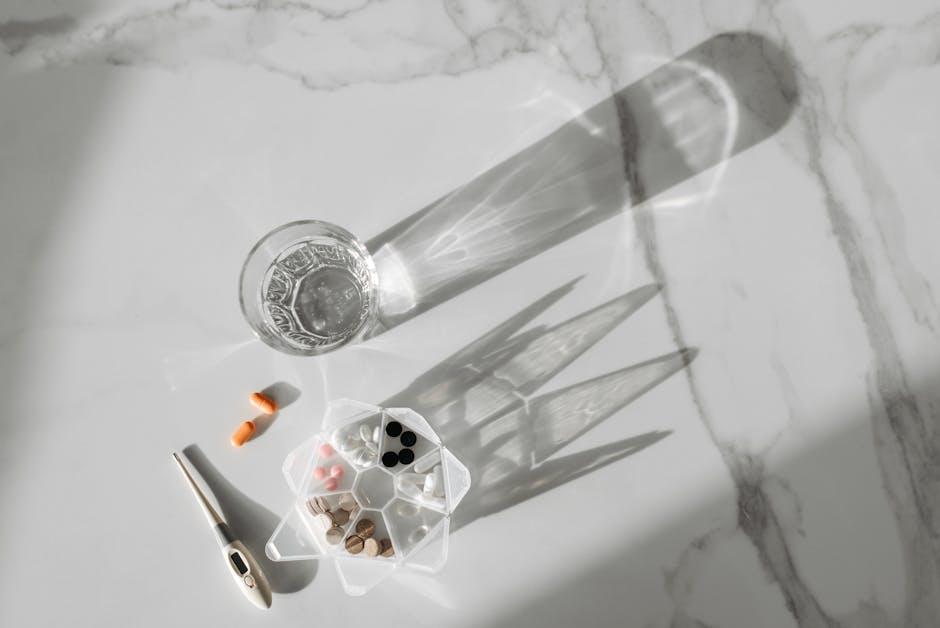
| Should medications be transferred to pill organizers? | Pillboxes can promote adherence, but ensure proper hygiene, label each compartment, and protect from heat, humidity, and light. Retain original containers for reference (NIH). |
Special Situations: Natural Disasters and Power Outages
Loss of power or emergency evacuations increase the challenge of maintaining optimal medication storage conditions. Disaster planning should include:
- Keeping a small supply of critical medications in a waterproof, insulated kit.
- Knowing the nearest shelters or facilities with refrigeration for temperature-sensitive medications (FDA).
- Discussing disaster medication plans with healthcare providers, particularly for chronic illnesses such as diabetes or epilepsy.
Creating a Home Medication Management System
implementing a structured storage and tracking system can prevent dosing errors, improve adherence, and enhance patient safety, especially for those with polypharmacy or chronic disease states. Effective systems should include:
- A written or digital log of medication names, dosages, start dates, expiration dates, and specific storage instructions (AHRQ).
- Regular “medication audits” to dispose of expired or discontinued prescriptions.
- Consultation with pharmacists or healthcare teams whenever storage changes or new medications are added.
Common Medication Storage Mistakes and Solutions
- Bathroom Storage: Move medications from humid bathroom cabinets to drier, secure areas.
- Near-Window Storage: Avoid exposure to direct sunlight to prevent photodegradation.
- Combining Bottles: do not mix different pills in one container; this leads to confusion and cross-contamination (MedlinePlus).
- Unlabeled Medications: Discard any “mystery” pills without identification and confirm new prescriptions with pharmacists to prevent labeling errors.
The Role of Pharmacists and Healthcare Providers
Pharmacists are highly trained in medication stability, storage, and safety protocols. A study published in the NIH shows that regular medication counseling and home visits by pharmacists reduce medication storage errors and improve therapeutic outcomes. Healthcare providers should reinforce education at each patient encounter, check for home storage risks, and update care plans as needed.
Conclusion: Safe Medication Storage Is Essential for public Health
proper storage of medications at home is vital for maintaining drug potency, preventing unintentional poisoning, thwarting medication misuse, and protecting the environment. By following evidence-based recommendations from authoritative sources such as the FDA,CDC, NHS, and other institutions highlighted in this article, every household can contribute to safer therapeutic outcomes and a healthier community.
For more personalized guidance, always consult with your pharmacist or healthcare provider regarding specific storage needs for your medications.
References
- WHO: medication Safety in Transitions of Care
- CDC: Medication Safety at Home
- FDA: Ensure your Medicine is safe – Storage & Disposal
- Mayo Clinic: Medication Storage
- Harvard Health: Protect Your Medicine from the Wrong Temperature
- NIH: Medication Storage and Safety
- Healthline: Where Should I Store My Medications?
- DEA: National Prescription Drug Take Back Day
- American association of Poison Control centers (AAPCC)