
Introduction
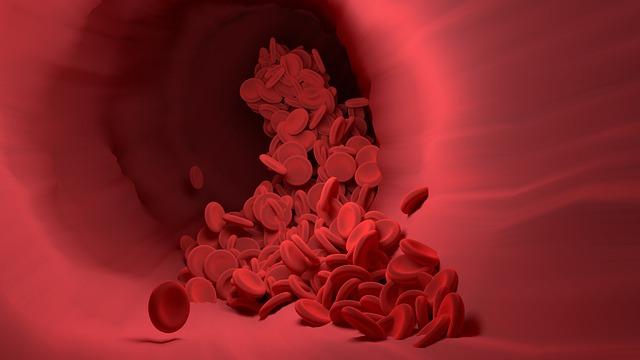
Oxygen is the cornerstone of human metabolism, supporting every cellular function in the body. Even mild hypoxemia—clinically termed as a lower-than-normal arterial oxygen tension—can have subtle, overlooked effects that increase morbidity if undetected [NCBI/PMC]. Public health data suggest that conditions leading to acute or chronic low oxygen levels,such as chronic obstructive pulmonary disease (COPD),heart failure,asthma,and even infections like COVID-19,remain major contributors to global disability and mortality [WHO]. However, because hypoxemia often presents with subtle or non-specific symptoms before advancing to serious outcomes, awareness and timely identification are vital for patients and clinicians alike. this article explores the lesser-known symptoms of low oxygen levels,their physiological basis,and practical approaches to recognition and intervention.
Understanding Oxygen Levels: Medical Context and Terminology
The body’s oxygen status is generally steadfast by two measurements: peripheral oxygen saturation (spo2), assessed via pulse oximetry, and arterial partial pressure of oxygen (PaO2), measured through arterial blood gas analysis [CDC]. Normal SpO2 in healthy adults ranges between 95–100%,while values below 90% are concerning and often signify underlying disease [Mayo Clinic].
Medical professionals refer to low oxygen levels as:
- Hypoxemia: Abnormally low PaO2 in arterial blood.
- Hypoxia: Inadequate oxygen supply at the tissue level, which may exist despite a normal oxygen level in the blood.
Both phenomena can exist independently or concurrently and can affect virtually every organ system.
Why Symptoms of Low Oxygen Are Frequently enough Overlooked
The human body employs adaptive mechanisms to compensate for falling oxygen levels, such as increasing heart rate and breathing depth. While acute severe hypoxemia usually prompts rapid, dramatic symptoms (such as severe shortness of breath, chest pain, or loss of consciousness), chronic or mild hypoxemia often presents insidiously [Medical News Today]. Individuals, particularly those with slowly progressing pulmonary or cardiac disease, may normalize subtle symptoms and delay medical consultation.
This phenomenon, called “silent hypoxemia,” became especially prominent during the COVID-19 pandemic, when patients had dangerously low SpO2 levels without recognizably severe respiratory distress [JAMA].
Key Organ Systems Affected by Hypoxemia
Low oxygen levels impact a broad spectrum of physiologic systems.Understanding how these systems are affected can reveal overlooked symptoms:
- Central Nervous System: Cognitive and emotional changes.
- Cardiovascular System: Tachycardia, arrhythmia, and potential long-term failure.
- Musculoskeletal System: Muscle weakness,fatigue,and coordination problems.
- Renal and Metabolic: Disrupted metabolism and acid-base imbalances.
- Dermatologic: Cyanosis and skin abnormalities.
Subtle and Overlooked Symptoms of Low Oxygen Levels
Many of the following symptoms are non-specific and commonly attributed to other causes.Recognition requires clinical acumen, particularly in at-risk populations.
1. Mild Headaches and Confusion
Inadequate oxygen supply to the brain (cerebral hypoxia) initially produces nonspecific neurologic symptoms such as subtle confusion, poor concentration, or recurring headaches. These can easily be attributed to fatigue, stress, or dehydration [NCBI]. Elderly patients are particularly susceptible, often presenting with delirium as the sole indicator of hypoxemia, especially in the context of infection or acute illness.
2. Daytime Fatigue and Drowsiness
Low oxygen impairs mitochondrial respiration, reducing available energy for daily activities [Healthline]. People may experience constant tiredness or sleepiness—even after adequate rest. This is frequently mistaken for poor sleep hygiene, depression, or anemia.
3. Morning Headaches
Patients with sleep apnea or nocturnal hypoxemia often develop persistent morning headaches due to sustained overnight drops in blood oxygen and accumulation of carbon dioxide [Mayo Clinic]. these headaches may be overlooked, especially when snoring or apnea are dismissed as benign.
4.Mood Changes and Irritability
Chronic low oxygen can alter neurotransmitter metabolism, resulting in anxiety, mood swings, or irritability [Frontiers in Neurology].Such symptoms are seldom associated with hypoxemia by patients or even clinicians, further delaying diagnosis.
5. Exercise Intolerance and Decreased Stamina
A subtle but classic sign, especially among those with early pulmonary or cardiac compromise, is declining ability to exercise or climb stairs without feeling excessively winded [CDC].Patients may attribute this to aging or deconditioning rather than a perhaps reversible pathology.
6.Subtle shortness of Breath (Dyspnea)
Though pronounced dyspnea is a hallmark of overt hypoxemia, milder “air hunger” might manifest onyl during exertion, speaking, or emotional distress, and then resolve at rest [Harvard Health].
7. Cyanosis and Skin Pallor
Bluish discoloration of lips or fingertips (peripheral cyanosis) can be a subtle yet clear sign of chronic or severe hypoxemia, particularly in cold environments or at high altitudes [MedlinePlus]. Some people confuse this with circulatory issues or Raynaud’s phenomenon.

8. Unexplained Tachycardia or Palpitations
The heart attempts to compensate for hypoxemia by increasing cardiac output. Persistent rapid heartbeat or palpitations, sometimes with minimal exertion, may precede more severe cardiovascular compromise [NHS].
9. Peripheral Swelling (Edema)
Chronic hypoxia can precipitate pulmonary hypertension, increasing pressure in the right side of the heart and leading to fluid accumulation in the legs or abdomen [American Heart Association]. Mild swelling is often missed until other symptoms appear.
10. Worsened Sleep Quality and nighttime Restlessness
Oxygen deprivation disrupts normal sleep architecture, causing frequent awakenings, nightmares, or a sensation of choking at night [Sleep foundation]. Over time, this leads to impaired daytime function and mental performance.
11. Visual Changes
Hypoxemia can result in blurry vision, tunnel vision, or transient vision loss due to poor oxygenation of the retina and optic nerve [American Academy of Ophthalmology]. These changes are often brief and reversible but may precede more serious neurological events.
12. Diminished Coordination or Fine Motor Control
Subtle difficulty in performing precise tasks—such as writing, buttoning clothing, or typing—may signal low oxygen supply to the brain and peripheral nerves [NCBI].
13. Restless legs or Cramps
Some patients report leg cramps or a restless “creepy-crawly” sensation in their limbs when at rest, possibly due to hypoxic changes within peripheral nerves and muscle tissue. Though more often linked to other etiologies, hypoxemia should also be considered, particularly in individuals with lung or cardiac disease [Healthline].
14. Decreased Immune Function
Chronic hypoxia impairs cellular immunity, subtly increasing susceptibility to recurrent infections and delayed wound healing, even before more overt symptoms appear [Medicine Journal].
15. unexplained Digestive Symptoms
Hypoxemia can alter gastrointestinal motility and function, resulting in nausea, poor appetite, or intermittent bloating. This is especially prevalent in patients with advanced heart or lung disease [NCBI].
Who Is Most at Risk of Overlooking Low oxygen Symptoms?
some groups are especially vulnerable:
- Older adults: May manifest only with confusion or falls.
- People with chronic respiratory or cardiac conditions: May attribute declining symptoms to aging, medication, or “bad days.”
- Smokers: Chronic cough may mask changes in breathing pattern or stamina.
- Individuals at high altitude: Mild hypoxemia is common and often normalized.
- People with obesity or obstructive sleep apnea: May present primarily with morning headaches or poor sleep.
- Those recovering from viral or bacterial infections: -infectious changes may lead to “silent” hypoxemia.
Source: CDC.
Physiological & Pathophysiological Basis for Overlooked Symptoms
Many compensatory mechanisms can mask the clinical presentation of mild hypoxemia. These include:
- Enhanced red blood cell production to increase oxygen-carrying capacity (NCBI).
- Increased respiratory rate and depth.
- Redistribution of blood flow to prioritize essential organs.
- Activation of the sympathetic nervous system, leading to tachycardia or mild hypertension.
Over time, these mechanisms become exhausted, leading to overt and potentially fatal hypoxemia if not addressed [Mayo Clinic Proceedings].
Objective Tools for Detecting Low Oxygen Levels
Along with recognizing clinical symptoms, objective measures are essential:
- Pulse Oximetry: Portable, non-invasive devices can reliably detect SpO2 [FDA].
- Arterial Blood Gas (ABG) analysis: The gold standard for confirming hypoxemia in hospital settings [Verywell Health].
- Sleep Studies: Polysomnography can reveal nocturnal hypoxia associated with sleep apnea [Sleep Foundation].
Important Comorbidities and Differential Diagnoses
Low oxygen symptoms overlap with those of several common conditions. Differential diagnoses include:
Laboratory and imaging studies help differentiate these causes and target appropriate therapy.
When to Seek Medical Attention
Anyone experiencing unexplained or persistent symptoms described in this article, particularly if accompanied by measurable low SpO2, should contact a healthcare provider immediately. Urgent intervention is warranted for:
- Sudden or severe shortness of breath.
- Bluish lips or face (central cyanosis).
- Chest pain, fainting, or confusion.
- SpO2 readings persistently below 90% at rest.
Source: CDC.
Therapeutic Approaches and Management
Managing low oxygen levels involves both symptom management and treatment of the underlying cause:
- Oxygen Therapy: Supplemental oxygen is prescribed for patients with persistent hypoxemia [NHS].
- Medications: Bronchodilators,steroids,diuretics,or antibiotics,as appropriate for the underlying disease [NHLBI].
- Lifestyle Modifications: Smoking cessation, avoiding altitude, pulmonary rehabilitation.
Close follow-up is crucial for monitoring and preventing progression.
Prevention and Health Promotion
Proactive strategies include:
- Routine check-ups for at-risk individuals.
- Awareness campaigns highlighting the early warning signs.
- Proper management of chronic diseases, such as asthma and heart failure.
- Vaccination against respiratory pathogens, including seasonal influenza and pneumococcus [CDC].
Summary Table: Overlooked Symptoms of Low Oxygen Levels
| Symptom | Description | Potential Overlap/Mimics |
|---|---|---|
| Confusion/Cognitive changes | Mild forgetfulness, poor focus | Dementia, stress, medication effects |
| Morning headaches | Waking with headache, improving during day | Migraine, dehydration, sleep issues |
| Daytime fatigue | Persistent tiredness despite sleep | Depression, chronic fatigue syndrome |
| mood swings/irritability | Emotional lability, anxiety | Mood disorder, life stressors |
| Exercise intolerance | Shortness of breath or exhaustion with exertion | Lack of fitness, obesity |
| Peripheral cyanosis | Slight blue tint to lips/fingers | Cold exposure, Raynaud’s |
| Palpitations | Noticeable heartbeat or rapid pulse | Arrhythmia, anxiety |
| Edema | Swelling of legs/ankles | Heart/kidney/liver disease |
| Poor sleep | Unrestful sleep, frequent waking | Insomnia, apnea |
| Visual changes | blurred vision, color changes | eye strain, migraine |
Frequently Asked Questions (FAQs)
What are the most common overlooked symptoms of low oxygen?
Daytime fatigue, mild confusion, morning headaches, and subtle exercise intolerance are frequently unrecognized signs.
how can I check my oxygen levels at home?
Pulse oximeters provide a non-invasive, easy way to monitor blood oxygen. Readings below 95% are generally concerning and require follow-up [FDA].
Should I be concerned if I occasionally feel “air hunger”?
If you have risk factors—especially chronic lung or heart disease—or if symptoms worsen, seek medical evaluation.
Are there long-term consequences to ignoring mild hypoxemia?
Yes. Chronic low oxygen can lead to pulmonary hypertension, heart failure, cognitive decline, and a decreased quality of life [American Lung Association].
Conclusion
Low oxygen symptoms are frequently mistaken for benign or unrelated conditions, especially in older adults or those with chronic disease. A high degree of suspicion, combined with knowledge of overlooked manifestations and the use of objective measures, is essential for timely diagnosis and management. Heightened awareness—both among healthcare providers and the public—can prevent disease progression and improve patient outcomes. Individuals experiencing any of these subtle symptoms, particularly if at high risk, are encouraged to seek prompt medical attention for evaluation and intervention.
For more evidence-based information on respiratory health and related symptoms, consult the following resources:
- World Health Organization: Respiratory Diseases
- CDC: Respiratory Diseases
- NHLBI: Diseases and Conditions Index