
How Lower Back Pain Affects Sleep and Daily Energy
Introduction
Lower back pain is one of the most prevalent musculoskeletal conditions worldwide, significantly impairing quality of life by disrupting sleep and reducing daily energy levels.According to the World Health institution (WHO),low back pain is the leading cause of disability globally,affecting an estimated 619 million peopel in 2020,with this number projected to rise. In both clinical practice and public health, understanding how lower back pain influences sleep quality and daily energy is fundamental. Poor sleep—exacerbated by chronic pain—further fuels fatigue, mood disturbances, and reduced functional ability, creating a distressing cycle that impacts physical and mental health. This article explores, with evidence-based rigor, the complex relationship between lower back pain, sleep disturbance, and diminished daily energy.
Overview and Definition
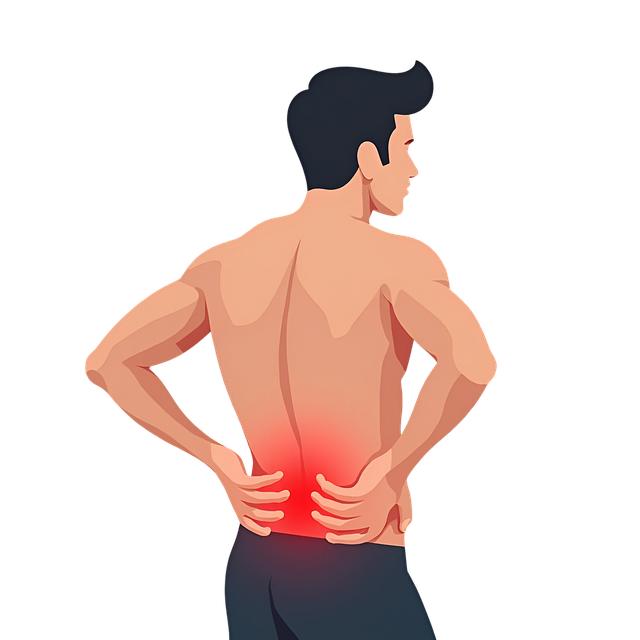
Lower back pain, often classified as “lumbago,” is defined as pain localized between the lower rib margin and the gluteal folds, with or without leg pain (sciatica) and functional impairment. clinically, it is categorized as:
- Acute (<6 weeks)
- Subacute (6–12 weeks)
- Chronic (>12 weeks)
Lower back pain can be mechanical (due to musculoskeletal or degenerative spine changes) or non-mechanical (stemming from infection, malignancy, or referred visceral pain). According to epidemiological studies linked by the National Institutes of Health (NIH), approximately 60–80% of adults will experience low back pain at some point in their lives. The lumbar spine—the lower portion comprising five vertebrae (L1-L5)—supports much of the upper body’s weight, making it susceptible to injury and stress. Notably, lower back pain is a major cause of reduced productivity, absenteeism, and healthcare utilization globally.
Causes and Risk Factors
Lower back pain is multifactorial, with complex interplay between biological, behavioral, genetic, and environmental factors. A detailed understanding of these causes provides insight into why pain may persist, disrupt sleep, and undermine energy.
- Musculoskeletal Disorders: The majority of lower back pain cases arise from strains/sprains, disc degeneration, osteoarthritis, or spondylosis—conditions causing inflammation, nerve impingement, and pain sensitivity.
- Trauma and injury: Accidents, falls, improper lifting, or repetitive strain can cause muscular, ligamentous, or vertebral injury leading to acute and chronic pain.
- Obesity and Physical Inactivity: Excess body weight increases lumbar loading while inactivity weakens supporting musculature. According to the Centers for Disease Control and Prevention (CDC), obesity is a notable modifiable risk factor for low back pain.
- Poor ure and Ergonomics: Chronic poor ure, sedentary work, and inadequate ergonomic practices contribute to cumulative stress on the lumbar region.
- Genetics: certain spinal conditions,such as disc degeneration and ankylosing spondylitis,have genetic predispositions associated with altered collagen metabolism and immune activity per NIH research.
- Age and Degeneration: With aging, spinal discs lose water content, elasticity, and structural integrity, heightening susceptibility to pain and nerve compression.
- Chronic Disease: Conditions such as diabetes, osteoporosis, and autoimmune disorders are also linked to increased risk for lower back pain via systemic inflammation or bone weakening (Harvard Health).
Understanding these factors is essential in the clinical management of lower back pain, sleep disruption, and its sequelae.

Pathophysiology: How Lower Back Pain Disrupts Sleep
The mechanism by which lower back pain disrupts sleep is complex and bidirectional. Pain—especially chronic nociceptive or neuropathic pain—activates peripheral and central sensitization, escalating the body’s arousal response and interfering with the central nervous system’s sleep architecture. Scientific studies document a strong association between chronic pain and nonrestorative sleep, increased sleep latency, fragmented nighttime sleep, and reduced slow-wave sleep.As a result, many patients experience frequent awakenings, difficulty falling asleep, and overall reduced sleep efficiency.
Pain’s impact on sleep is further mediated by neurochemical changes: elevated stress hormones (like cortisol) and inflammatory cytokines (IL-6, TNF-α) linked to persistent pain states suppress melatonin production, impair circadian regulation, and intensify sleep disturbance (JAMA Network). Moreover,medications prescribed for pain (e.g., opioids, corticosteroids) can also alter sleep cycles and impede deep sleep.
The Link Between Sleep Quality and Daily Energy
Sleep is vital for physical restoration, cognitive function, mood regulation, and immune competence. Scientific evidence demonstrates that individuals with lower back pain and sleep deprivation consistently report daytime fatigue, reduced cognitive performance, increased irritability, and diminished quality of life. The impact of sleep quality on daily energy can be summarized by these key mechanisms:
- Sleep Fragmentation: repeated pain-induced awakenings hinder deep sleep (stages N3 and REM), essential for muscle repair, memory consolidation, and restorative energy (Sleep Foundation).
- Daytime Sleepiness: Insufficient or nonrestorative sleep leads to excessive daytime sleepiness, poor alertness, and slower reaction times (documented by multiple clinical trials in NIH repositories).
- Impaired Physical Performance: Fatigue and muscle weakness arising from poor sleep exacerbate pain perception and reduce physical functioning, perpetuating the pain–fatigue cycle.
- Emotional and Cognitive Effects: poor sleep is independently associated with increased depression, anxiety, and cognitive impairment, which may amplify pain sensitivity and disability (Harvard Health).
Clinical Presentation: Common Symptoms and Comorbidities
Patients with lower back pain who experience disturbed sleep frequently present with overlapping symptoms:
- pain-related insomnia: Trouble initiating or maintaining sleep due to discomfort, often reported with stiffness, burning, or sharp pain at night.
- Nonrestorative sleep: Waking unrefreshed, irrespective of hours spent in bed.
- daytime fatigue: Persistent tiredness or low energy even after prolonged rest.
- Mood dysfunction: Increased irritability, anxiety, or symptoms of depression frequently coexist with chronic pain and sleep loss (Medical News today).
- Cognitive impairment: Difficulty concentrating, memory lapses, or slowed thinking.
Common comorbidities in these patients include fibromyalgia, chronic fatigue syndrome, and mood disorders—all of which can further disrupt sleep and lower energy.
Epidemiology: Scope and Public Health Impact
Epidemiological data reveal the immense public health burden associated with lower back pain, sleep disturbance, and fatigue:
Globally, up to 23% of adults experience chronic lower back pain, and among those, over 50% report moderate to severe sleep disturbances.
An estimated 35% of US adults sleep less than seven hours per night, with back pain being a leading contributor to sleep loss.
Occupational and economic consequences are profound: absenteeism, reduced work performance, and increased healthcare costs linked to back-pain-induced fatigue and sleep issues (CDC MMWR).
The Pain–Sleep–Fatigue Cycle Explained
Research underscores a vicious cycle in which lower back pain and poor sleep repeatedly amplify each other, resulting in greater levels of daily exhaustion.Studies in the NIH literature confirm:
Pain disrupts sleep by causing nocturnal discomfort and frequent arousals.
Impaired sleep heightens pain sensitivity (via central sensitization and reduced descending inhibition).
Accumulated fatigue lowers physical resilience and coping skills, worsening perception of pain.
Breaking any link in this cycle can reduce symptom severity, emphasizing the importance of treating both pain and sleep disturbance simultaneously.
Diagnosis: Clinical and Laboratory Assessment
diagnosis involves comprehensive assessment of pain, sleep quality, and fatigue, using validated patient-reported outcome measures such as:
- Pain: Visual Analog Scale (VAS), Numeric Rating Scale (NRS), Oswestry Disability Index (NIH).
- Sleep: Pittsburgh Sleep Quality Index (PSQI), Insomnia Severity Index, polysomnography for selected cases.
- Fatigue: Fatigue Severity Scale, Epworth Sleepiness Scale.
Laboratory investigations, imaging (MRI, X-ray when indicated), and, in some cases, sleep studies help rule out secondary causes (e.g., vertebral fractures, nerve root compression, sleep apnea).
Management Strategies: Treating Pain,Sleep,and Fatigue
Effective management addresses the underlying pain,optimizes sleep quality,and supports energy restoration. Integrated multidisciplinary care is paramount.
Pharmacological Treatments
- Analgesics: Acetaminophen,NSAIDs,and occasionally muscle relaxants alleviate acute pain (NHS).
- Antidepressants: Low-dose tricyclics (e.g., amitriptyline) may improve both pain and sleep quality.
- anticonvulsants: Gabapentin or pregabalin for neuropathic pain linked to radiculopathy (Mayo Clinic).
- Hypnotics: Short-term sleep aids may be considered for severe insomnia but require careful monitoring due to dependence risk.
Non-Pharmacological Interventions
- physical Therapy: Targeted exercises, stretching, manual therapy, and ergonomic modifications aid in pain control and functional recovery (CDC Data Brief).
- Cognitive Behavioral Therapy for Insomnia (CBT-I): CBT-I is the gold-standard non-drug approach to improve sleep and has been shown to reduce pain interference (NIH).
- Mindfulness and Relaxation Techniques: Meditation, progressive muscle relaxation, and biofeedback foster stress reduction, improve sleep onset, and decrease perceived pain.
- Sleep Hygiene: Consistent bedtimes, minimizing caffeine/alcohol, pleasant sleep environments, and digital device avoidance in the hour before sleep promote restorative sleep (Sleep Foundation).
Patient Education and Empowerment
Educating individuals on the pain–sleep–fatigue relationship empowers self-management. Patients benefit from understanding activity pacing, maintenance of physical activity, and realistic goal setting. Group education and psychological support programs have shown efficacy in enhancing coping strategies and overall outcomes (healthline).
Lifestyle Modifications
Research links healthy lifestyle behaviors with reduced pain, improved sleep, and higher daily energy:
- Regular Physical Activity: Activities such as walking, swimming, yoga, and tai chi have favorable effects on lumbar stability, general fitness, and sleep quality (Harvard Health).
- Weight management: Losing excess weight eases spinal load and has been shown to reduce both pain and fatigue.
- Nutrition: Diets rich in anti-inflammatory nutrients (omega-3s,curcumin,antioxidants) may help counteract systemic inflammation associated with chronic pain (Medical News Today).
- Smoking Cessation and Alcohol Moderation: Smoking impairs circulation to spinal tissues; excess alcohol can worsen sleep fragmentation.
Special Considerations: Sleep Apnea, Restless Legs, and Other Overlapping Disorders
Certain sleep disorders often coexist with lower back pain, complicating diagnosis and management:
- Obstructive Sleep Apnea (OSA): Chronic pain increases risk for OSA—a condition characterized by repeated upper airway collapse, loud snoring, and excessive daytime sleepiness. Patients with both OSA and back pain report dramatically worsened daily energy (CDC).
- Restless Legs Syndrome (RLS): Characterized by uncomfortable sensations in the legs with a compelling need to move. RLS frequently disrupts sleep in pain sufferers.
- Periodic Limb Movements: Involuntary leg twitching throughout the night, more common when pain is present, also disrupts restorative sleep.
Prognosis: Outcomes and Recovery
Most cases of acute lower back pain resolve within weeks with appropriate management. However, persistent pain, especially when compounded by poor sleep, increases the risk for chronicity, long-term fatigue, and psychosocial impairment (NHS). Early intervention—addressing both pain and sleep quality—is associated with better prognosis.
When to Seek Medical Attention
Immediate medical consultation is warranted if lower back pain is accompanied by:
- Severe, unremitting night pain
- Neurological deficits (numbness, weakness, incontinence)
- Systemic symptoms (fever, unexplained weight loss)
Otherwise, consult a healthcare professional if sleep disruption or fatigue persists beyond two weeks or significantly affects daily functioning (Mayo Clinic).
Future research and Emerging Therapies
Emerging areas of research aim to better delineate the neurobiological links between pain and sleep disturbance. Promising therapeutic innovations include targeted neuromodulation (transcranial magnetic stimulation), wearable biosensors for sleep tracking, and personalized behavioral interventions using mobile health platforms (The Lancet). Large-scale studies are underway to test integrative approaches for chronic pain and coexistent sleep disorders.
Conclusion
Lower back pain is a pervasive health condition that profoundly disrupts sleep architecture and daily energy, generating a debilitating cycle with wide-reaching effects on physical, emotional, and occupational health. Evidence-based interventions—spanning pain relief, sleep optimization, cognitive-behavioral therapies, and lifestyle modifications—are crucial for breaking the pain–sleep–fatigue loop. Early recognition and multidisciplinary care not only improve clinical outcomes but also empower patients to regain control over their sleep, energy, and quality of life.
For further details,always consult with qualified healthcare providers and refer to reputable medical resources such as the World Health Organization, Centers for Disease Control and Prevention, and National Institutes of Health.