

Introduction
Understanding how food and dietary habits influence the effectiveness of medications is a critical aspect of modern healthcare. Medication efficacy is not solely determined by pharmacologic properties but is also shaped by complex interactions with nutrients, meal timing, and even specific food constituents. Globally, millions rely on pharmacotherapeutics for chronic disease management, acute illness, and preventive care. Though, inadequate awareness of food-drug interactions can lead to suboptimal therapeutic outcomes, increased side effects, or even perilous adverse reactions. Public health institutions, including the U.S. food and Drug management (FDA) and the UK’s National Health service (NHS),emphasize the importance of educating both patients and healthcare professionals on this subject.
This article offers an in-depth, evidence-based exploration of how dietary patterns, specific food components, and overall nutrition can modulate the absorption, metabolism, and therapeutic action of various medications.By examining up-to-date clinical research and authoritative guidelines, we seek to provide actionable insights for safer, more effective medication management.

How Food Affects Medication: Fundamental Mechanisms
Medications interact with the gastrointestinal tract and metabolic pathways in ways that are profoundly influenced by the presence of food. The most significant mechanisms of food-drug interactions include:
- Altered Absorption: Food can affect how quickly and how wholly a drug is absorbed into the bloodstream. For example, certain high-fat meals can enhance absorption of lipophilic drugs, while others may impede uptake.
- Impact on Drug Metabolism: Dietary components can modulate key enzymes-notably cytochrome P450 isozymes-that metabolize drugs in the liver.Grapefruit juice is a well-known inhibitor, while cruciferous vegetables may induce certain enzymes, affecting drug clearance rates (PubMed).
- Changes to Drug Transporters: Some foods can alter the action of proteins such as P-glycoprotein, influencing how drugs are absorbed from the gut or expelled from cells (Harvard Health).
- pH Modification: The presence of food alters stomach acidity, which can affect drugs sensitive to pH.
- Physical or Chemical Binding: Some minerals or proteins can bind drugs, reducing bioavailability-as seen with tetracyclines and dairy products (Mayo Clinic).
These mechanisms are highly specific to drug class and food type, underscoring the need for personalized medication guidance from healthcare providers.
Key Food-Drug Interactions: Evidence and Clinical Examples
1. Grapefruit and Statins
Grapefruit and it’s juice contain furanocoumarins that inhibit the CYP3A4 enzyme, a critical pathway for metabolizing many statins and othre medications. The result can be dangerously high drug levels,raising the risk of side effects such as rhabdomyolysis. The FDA and clinical studies caution patients prescribed atorvastatin, simvastatin, or lovastatin to avoid grapefruit products altogether.
2. dairy Products and Antibiotics
Dairy foods, rich in calcium, can bind to certain antibiotics-most notably tetracyclines and fluoroquinolones-forming insoluble complexes that impede gut absorption (Healthline). This effect compromises the efficacy of the antibiotic, rendering treatment less effective or increasing the risk of resistance.
3. Vitamin K and Warfarin
warfarin, a widely used anticoagulant, operates by antagonizing vitamin K activity. Consistent intake of vitamin K-rich foods (like dark leafy greens) is crucial, as sudden dietary changes can undermine therapeutic anticoagulation or enhance bleeding risk (CDC Warfarin Guide). The Mayo Clinic recommends regular consultation with healthcare professionals to maintain a stable diet during warfarin therapy.
4. Monoamine Oxidase Inhibitors and Tyramine-Rich Foods
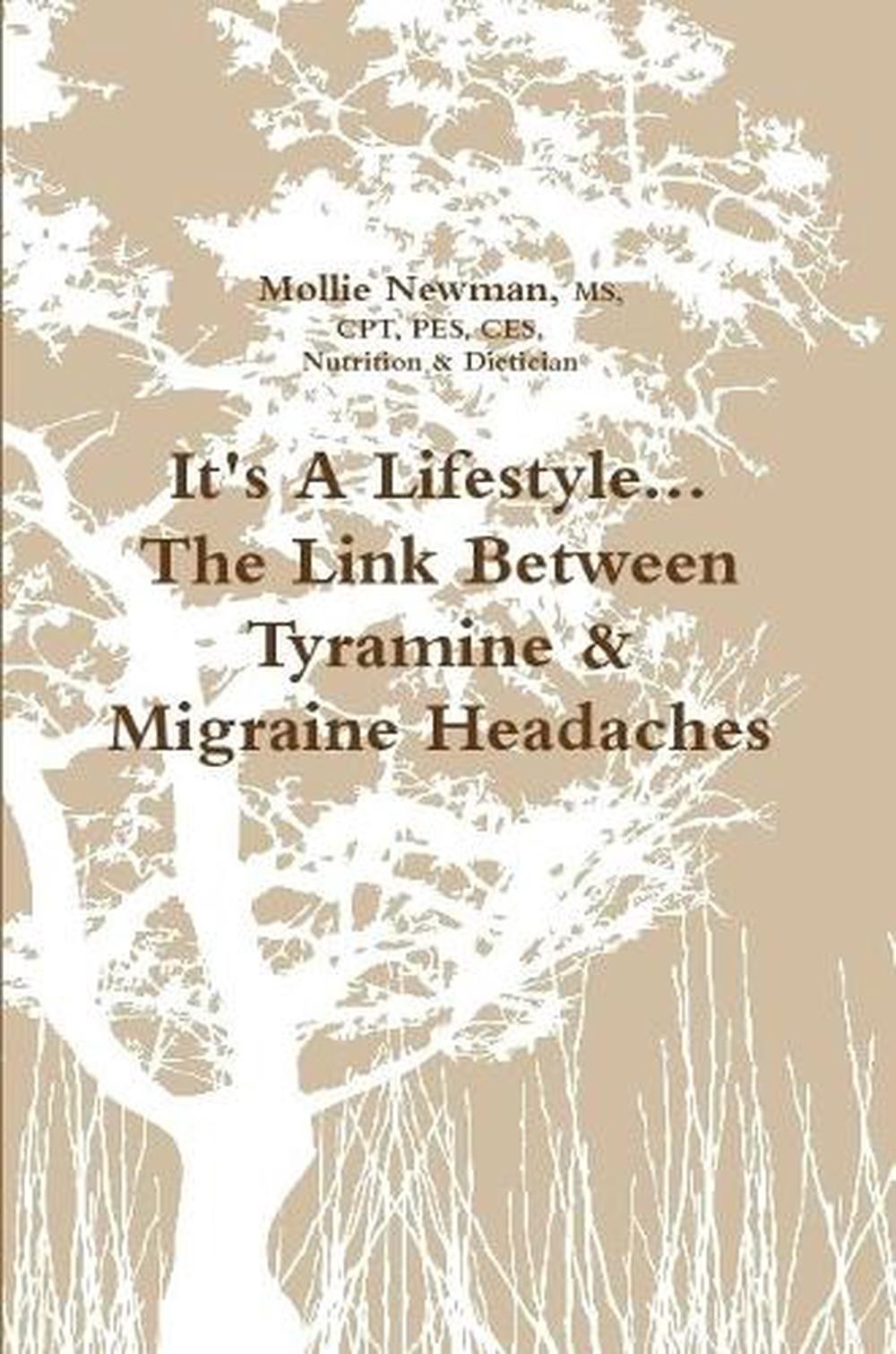
Monoamine oxidase inhibitors (MAOIs), prescribed for certain psychiatric disorders, can interact strongly with tyramine-a compound found in aged cheeses, cured meats, and fermented products. This interaction may provoke hypertensive crises, a medical emergency (NHS).
5. Alcohol and Various Medications
Alcohol can interact adversely with numerous drug classes,from sedatives and antidepressants to diabetes medications and antibiotics. These interactions enhance side effects or blunt efficacy, endangering patient health (CDC Fact Sheet).
6. Fiber, Fat, and Drug Absorption
High-fiber meals can delay or reduce absorption of certain oral drugs, while dietary fats enhance the absorption of lipophilic agents like some HIV antiretrovirals and antifungals. clinical data suggest that exact recommendations depend on drug solubility and formulation.
Dietary Supplements: Hidden Risks and interactions
The popularity of over-the-counter dietary supplements and herbal products presents additional complexity. Supplements may contain bioactive compounds that modulate pharmaceutical metabolism or compete for absorption:
- St John’s Wort is a potent inducer of CYP3A4, perhaps reducing plasma levels and efficacy of many drugs, including oral contraceptives (NIH NCCIH).
- Calcium and Magnesium supplements can bind to certain drugs, affecting absorption as with antibiotics.
- Iron Supplements may interfere with the absorption of thyroid hormone replacement or certain antibiotics (MedlinePlus).
- Ginkgo Biloba and Ginseng can alter coagulation and platelet function, potentially interacting with anticoagulants or antiplatelet drugs (NCBI PMC).
Unregulated supplements carry additional risks due to varying quality, contamination, or inaccurate labeling, further complicating drug therapy.

Meals, Timing, and Medication Scheduling
The therapeutic efficacy of many medications is intricately linked to whether they are administered with or without food. For some drugs, food increases absorption and mitigates gastrointestinal side effects, while for others, it is contraindicated.
Medications Best Taken with Food
- NSAIDs (e.g., ibuprofen, naproxen): Food reduces gastric irritation and peptic ulcer risk (Mayo Clinic).
- Metformin: Food intake lessens gastrointestinal upset in management of type 2 diabetes (Healthline).
- Antifungals (e.g., itraconazole): Absorption is enhanced when taken with acidic or fatty meals (NCBI PMC).
Medications Best Taken on an Empty Stomach
- Thyroid hormone Replacement (levothyroxine): Best absorbed when taken 30-60 minutes before breakfast (Mayo Clinic).
- Biphosphonates (e.g., alendronate): for osteoporosis, empty stomach administration maximizes efficacy and reduces esophageal irritation (NHS).
- Certain Antibiotics: Some (e.g., ampicillin) require fasting for optimal absorption.
Healthcare professionals must guide patients about the ideal timing and dietary context for their specific medications to optimize outcomes.
Special Populations and Considerations
Certain populations are at heightened risk of clinically significant food-drug interactions:
- Elderly Patients: Age-related changes in gastrointestinal physiology and polypharmacy increase vulnerability (NCBI PMC).
- Patients with Chronic Diseases: Comorbidities such as diabetes,cardiovascular disorders,or chronic kidney disease alter dietary needs and interaction risk.
- Pediatric Patients: Children’s drug absorption and dietary habits differ, requiring tailored advice (NCBI PMC).
- Pregnant/Breastfeeding Women: Maternal metabolism and nutrient demands influence drug safety and dosing (CDC Pregnancy and Medications).
For these groups, individualized assessment is key, with healthcare teams regularly reviewing all medications and supplements against dietary patterns.
Dietary Patterns and Chronic Disease Therapy
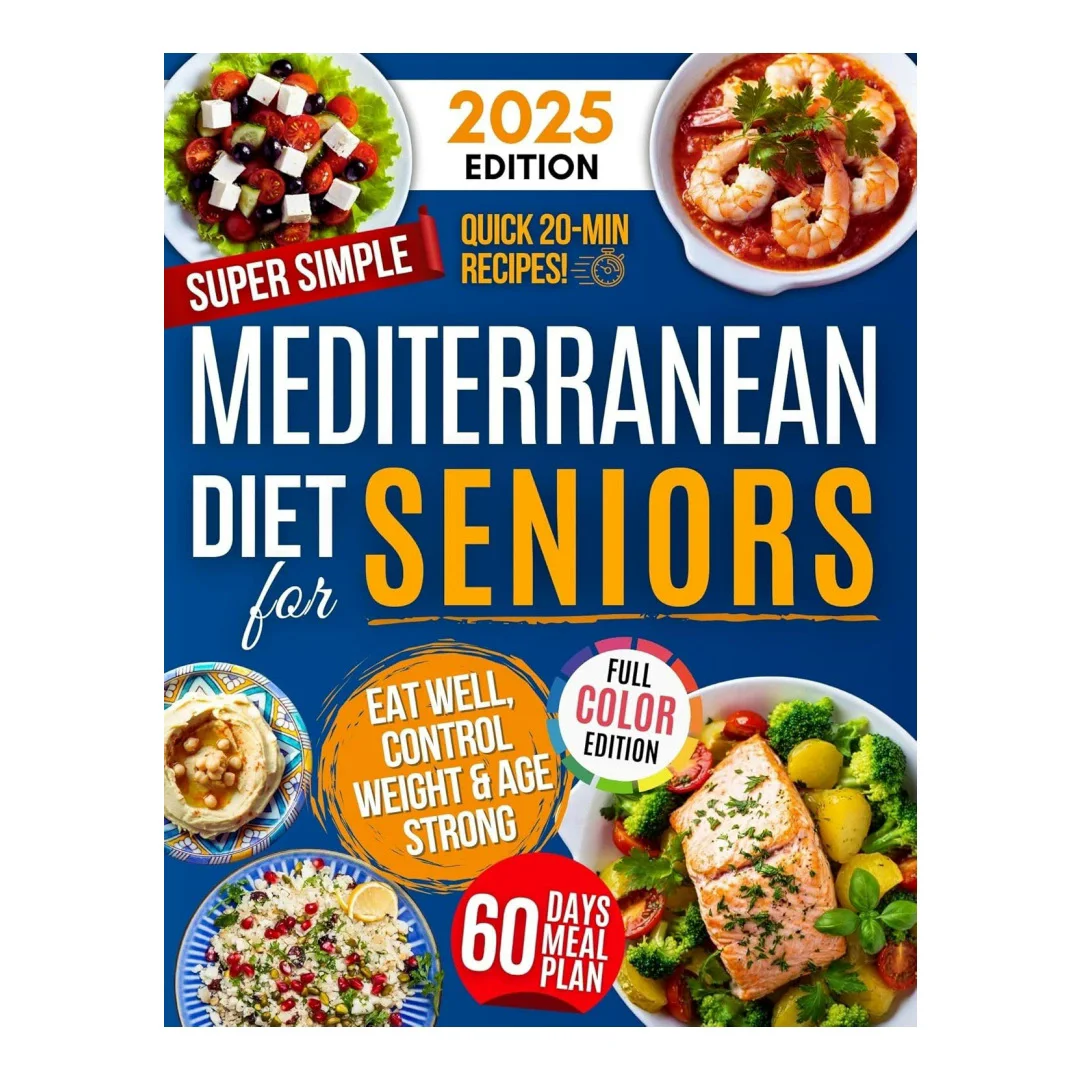
Beyond individual food-drug interactions, overall dietary patterns (e.g., Mediterranean, vegetarian, low-carbohydrate) can influence disease outcomes and medication requirements:
- Diabetes: carbohydrate composition directly affects glycemic control and pharmaceutical titration.
- Hypertension: Diets rich in potassium (DASH diet) improve blood pressure control, sometimes reducing the need for antihypertensive medication (NIH DASH Diet).
- Dyslipidemia: High-fiber diets and healthy fats impact lipid profiles and the action of statins.
- Chronic Kidney Disease: Sodium, potassium, and protein restrictions interact with medication metabolism and toxicity risk (National Kidney Foundation).
Integration of medical nutrition therapy with pharmacotherapy is key to maximizing benefits and minimizing risks.
Strategies to Prevent Adverse Food-drug interactions
Evidence-based and practical strategies exist to reduce the incidence and severity of harmful food-drug interactions:
- Comprehensive Medication review: Routine check-ins with healthcare providers and pharmacists to review all prescription, over-the-counter, and supplemental agents.
- Patient Education: Education on reading medication labels, following specific dietary instructions, and understanding warning signs of adverse interactions (FDA Avoiding Drug Interactions).
- Medication Guides and Technology: Utilization of online medication databases and smartphone apps for interaction alerts.
- Consistent Dietary Patterns: Maintaining consistent intake of nutrients (especially with anticoagulants or chronic medications).
- Clear Communication: Open dialog between patients, caregivers, and all healthcare team members.
Implementing these proactive measures significantly enhances medication safety and efficacy.
Frequently Asked Questions (FAQs)
| Question | Answer |
|---|---|
| Can I drink coffee with my medications? | Caffeine can enhance or interfere with absorption of certain drugs, such as some antibiotics and psychiatric medications (healthline). |
| Should I always avoid alcohol while taking medicine? | Alcohol interacts with many drug classes,increasing side effects or reducing efficacy; always check with your pharmacist or prescriber (CDC). |
| Is it safe to take herbal supplements with prescription medications? | Many herbal supplements have the potential to interact adversely; consult your healthcare provider (NIH NCCIH). |
| what if my medication label says “take with food”? | This instruction is typically aimed at improving absorption or reducing gastrointestinal side effects. Follow directions carefully for optimal results. |
| How can I manage multiple medications with different dietary instructions? | Keep a medication schedule, consult with your pharmacist for clarification, and use pill organizers or reminder tools. |
Conclusion
The relationship between food, diet, and drug effectiveness is a cornerstone of optimal healthcare. Given the diversity of therapeutic agents and individual dietary patterns, personalized guidance is essential for maximizing benefits and minimizing risks. Awareness of evidence-based food-drug interactions empowers patients and the wider healthcare community to make informed decisions that enhance safety, efficacy, and overall quality of life.
For further guidance, consult your healthcare provider and refer to authoritative resources such as FDA, MedlinePlus, and the Harvard Medical School. Ongoing research and updates underscore the evolving nature of dietary recommendations in relation to pharmacotherapy.
References
- U.S. Food and Drug Administration (FDA)
- Centers for disease Control and Prevention (CDC)
- UK National Health Service (NHS)
- Harvard Health Publishing
- National Center for Biotechnology Information (NCBI PMC)
- Mayo Clinic
- MedlinePlus