
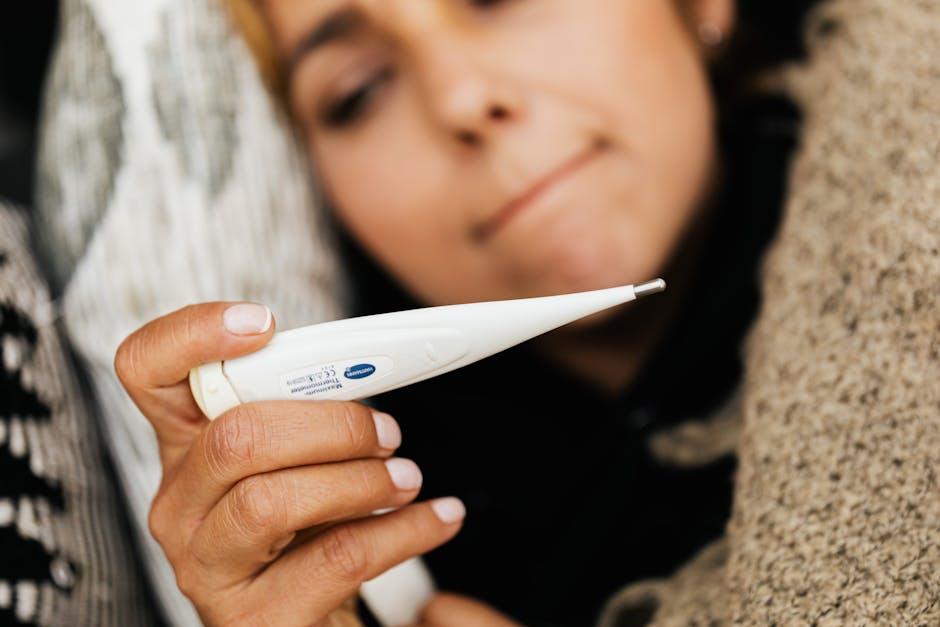

What to Do If You’re Constantly Cold and Tired
Introduction
Experiencing constant feelings of coldness and fatigue can be more than a mere annoyance—it can represent underlying pathologies requiring thorough evaluation and intervention. These symptoms are among the most frequent complaints in primary care clinics and often intersect a spectrum of chronic and acute medical conditions. Persistent cold intolerance and tiredness may impair quality of life, reduce productivity, and could signal systemic disturbances affecting metabolic, hematologic, endocrine, and psychological health. Understanding the multifaceted etiology, evidence-based diagnostic approach, and tailored management strategies is essential for individuals and healthcare providers alike. this article, grounded in the latest medical research and clinical guidelines, explores the causes, diagnostic pathways, and effective treatments for chronic cold and tiredness, empowering readers with actionable knowledge.
Understanding Normal Thermoregulation and energy Levels
Thermoregulation, the physiological process that maintains core body temperature, is primarily orchestrated by the hypothalamus and influenced by autonomic, endocrine, and behavioral mechanisms (NIH: thermoregulation). Concurrently, sensations of energy and fatigue are subject to systemic factors including sleep regulation, metabolic rate, nutritional status, and psychological health (NIH: Fatigue overview).
Transient sensations of cold or tiredness may be triggered by environmental exposure, insufficient rest, or dietary imbalances. However, when symptoms persist or become disruptive, they merit further exploration for potential underlying medical disorders.
Common Medical Causes of Feeling Cold and Tired
1. Hypothyroidism
Hypothyroidism, a condition characterized by underactive thyroid hormone production, is a leading cause of persistent cold intolerance and fatigue. Thyroid hormones are essential regulators of basal metabolic rate,thermogenesis,and systemic energy utilization. Key symptoms include weight gain, dry skin, bradycardia, constipation, and cognitive impairment (Mayo Clinic: Hypothyroidism). Epidemiological data suggests prevalence is higher in women and individuals over age 60.
2. Anemia
Anemia, particularly iron-deficiency anemia, impairs oxygen delivery to tissues, precipitating tiredness and increased sensitivity to cold. Anemic patients often report pallor, exertional dyspnea, and palpitations. Multiple etiologies exist, including nutritional deficiencies, chronic disease, blood loss, or hematological disorders (Harvard Health: Anemia).
3. Chronic Fatigue Syndrome (Myalgic Encephalomyelitis)
Chronic Fatigue Syndrome (CFS), also known as Myalgic Encephalomyelitis (ME), is characterized by profound and medically unexplained fatigue lasting more than six months, often accompanied by cognitive dysfunction, sleep disturbances, and sometimes sensitivity to cold (CDC: ME/CFS).
4.Vitamin and Nutritional deficiencies
Deficiencies in essential nutrients, especially vitamin B12, folate, vitamin D, and iron, can diminish metabolic efficiency and impair thermogenesis. Vitamin B12 deficiency is particularly notorious for causing neurological and hematologic symptoms, including fatigue and cold intolerance (NIH: Vitamin B12 Deficiency).
5. Infections and Chronic inflammatory States
ongoing infections or chronic inflammation—such as mononucleosis, endocarditis, rheumatoid arthritis, or lupus—can disrupt homeostasis, leading to low-grade fevers, chills, and pronounced fatigue (NIH: Fatigue in chronic illness).
6. Hypoglycemia and Metabolic Disorders
Low blood sugar (hypoglycemia) is associated with sensation of cold, shivering, confusion, and fatigue, particularly in individuals with diabetes or metabolic syndrome (NHS: Hypoglycaemia).
7. Psychological Conditions: Depression and Anxiety
Mental health conditions such as major depressive disorder and generalized anxiety disorder are established contributors to chronic fatigue and altered temperature perception (NIH: Depression and fatigue).
8. Cardiovascular Insufficiency
Reduced cardiac output—seen in chronic heart failure or vascular insufficiency—decreases peripheral perfusion, causing extremities to feel cold and overall energy to decline (American Heart Association: Heart Failure Symptoms).
9. Hormonal and Autoimmune Disorders
Disorders of the pituitary, adrenal, or gonadal axes, as well as autoimmune dysfunction such as Raynaud’s phenomenon or systemic sclerosis, can compromise mechanisms regulating body temperature, promoting cold intolerance and exhaustion (mayo Clinic: Raynaud’s Disease).
Less Common and Rare causes
- Chronic kidney disease: Uremia can precipitate anemia, metabolic derangements, and cold intolerance (NIH: CKD Symptoms).
- adrenal insufficiency (Addison’s disease): Associated with electrolyte abnormalities,fatigue,and altered thermoregulation (NHS: Addison’s Disease).
- Malignancies: Lymphomas,leukemias,and other cancers can produce systemic symptoms including chills,anemia,and profound tiredness (NIH: Cancer Statistics).
Diagnostic Approach: When to See a Doctor
Persistent or severe cold intolerance and tiredness warrant medical assessment,particularly if accompanied by:
- Unintentional weight loss
- pallor or yellowing of the skin/eyes
- Shortness of breath or chest pain
- Palpitations or irregular heart rate
- Persistent fever or night sweats
- Neurological symptoms (e.g., numbness, cognitive changes)
early consultation enhances prognosis and facilitates targeted therapy, potentially preventing complications.
Clinical Evaluation: History and Physical Examination
The diagnostic process begins with a thorough history, including onset, duration, triggers, associated symptoms, occupational/environmental exposures, dietary habits, and psychosocial context. A systematic physical examination may reveal signs such as goiter, pallor, bradycardia, skin changes, or joint abnormalities, directing further workup (NIH: Physical Diagnosis).
Laboratory and Diagnostic Investigations
| Test | Purpose | Examples/Details |
|---|---|---|
| Complete Blood Count (CBC) | Assesses for anemia, infection, or malignancy | Hemoglobin, hematocrit, white cell differential |
| Thyroid Function Tests | Evaluates thyroid status | TSH, free T4, T3 |
| Basic Metabolic Panel | Checks kidney, electrolyte, and glucose levels | Creatinine, sodium, potassium, glucose |
| Vitamin and Iron Studies | Detects deficiencies | Ferritin, transferrin, B12, folate |
| Inflammatory Markers | Assesses for chronic inflammation or autoimmune disorder | ESR, CRP, ANA |
Additional targeted investigations—such as echocardiography, hormone profiles, or imaging studies—may be indicated based on clinical suspicion (MedlinePlus: Lab Tests).

Evidence-Based Management Strategies
Treating Underlying Disorders
The cornerstone of management is identifying and addressing the root cause. Evidence-based therapeutic interventions vary according to etiology:
- Hypothyroidism: Levothyroxine supplementation under endocrinology guidance (NHS: Hypothyroidism Treatment).
- Anemia: iron therapy, vitamin B12 or folate replacement, and in severe cases, blood transfusion (Mayo Clinic: Anemia Treatment).
- Metabolic or nutrient deficiencies: Dietary modifications and targeted supplementation (CDC: Micronutrients).
- chronic illnesses/infections: Disease-modifying or antimicrobial therapy as appropriate (CDC: Chronic Diseases).
- Mental health conditions: Psychotherapy, pharmacotherapy, and lifestyle interventions (NIMH: Depression Treatment).
Symptom Management and Supportive Care
For immediate comfort and to enhance quality of life while underlying conditions are being addressed:
- Layered clothing and thermal insulation for cold intolerance
- Environmental heating, use of heated blankets or hand warmers
- Balanced, nutrient-rich diet with adequate macro- and micronutrients (WHO: Healthy Diet)
- Structured sleep hygiene routines to optimize restorative sleep (Sleep Foundation: Sleep Hygiene)
- Gradual, supervised physical activity to improve stamina and circulation (CDC: Physical Activity Basics)
integrative and Adjunctive Therapies
Complementary approaches—including cognitive behavioral therapy for fatigue syndromes, stress management, and, where appropriate, adjunctive use of supplements—should be evidence-based and supervised by qualified practitioners (Mayo Clinic: CFS/ME Treatment).
Prevention and Prognosis
Adopting preventive strategies is crucial in reducing the incidence and recurrence of cold intolerance and fatigue. These include regular health screenings, maintenance of optimal body weight, managing chronic disease risk factors, and ensuring a balanced intake of essential nutrients (WHO: Noncommunicable Diseases).
Prognosis is largely resolute by the underlying cause, timeliness of intervention, and individual patient characteristics. Most etiologies, when recognized and treated early, are associated with favorable outcomes and significant symptom betterment.
Frequently Asked Questions (FAQs)
How do I know if my tiredness and feeling cold is serious?
While occasional symptoms may be benign, warning signs such as weight loss, persistent weakness, shortness of breath, chest pain, fever, night sweats, and neurological changes indicate the need for urgent evaluation (Healthline: Tiredness Causes).
Can stress make me feel cold and tired?
Prolonged psychological stress activates the hypothalamic-pituitary-adrenal axis, contributing to fatigue, peripheral vasoconstriction, and cold sensations (NIH: Stress and Fatigue).
Is there a link between low blood pressure and feeling cold?
Yes, hypotension can reduce blood flow to peripheral tissues, enhancing cold intolerance, sometimes accompanied by fatigue and dizziness (Medical news Today: Low Blood Pressure).
What lifestyle changes can definitely help improve my symptoms?
- eat regular, balanced meals to support metabolism
- engage in light-to-moderate physical activity
- Establish consistent sleep-wake cycles
- Minimize stress through relaxation techniques
- Stay hydrated and monitor caffeine or alcohol intake
If symptoms persist or worsen, seek guidance from a healthcare provider to rule out underlying pathology.
Conclusion
Chronic coldness and tiredness are multifactorial symptoms often rooted in significant medical, nutritional, or psychological etiologies. Early recognition,comprehensive assessment,and personalized therapy are paramount. by maintaining vigilance, adopting healthy lifestyle practices, and pursuing timely medical care, individuals can reclaim comfort and vitality. Consultation with a qualified healthcare professional remains the gold standard to determine the underlying cause and appropriate intervention. For further reading and resources, refer to authoritative sources including the CDC,Mayo Clinic, and NIH.
References
- Mayo Clinic: Hypothyroidism – Symptoms & Causes
- Harvard Health: anemia
- CDC: Myalgic Encephalomyelitis/Chronic Fatigue Syndrome
- NIH: Vitamin B12 Deficiency
- NHS: Hypoglycaemia
- NHS: Hypothyroidism
- MedlinePlus: Lab Tests
- Sleep foundation: Sleep Hygiene
- CDC: Micronutrients
- WHO: Healthy Diet
- NIH: National Institutes of Health
- The Lancet