

Introduction
Pregnancy is a transformative journey, bringing profound physiological, psychological, and lifestyle changes. Following childbirth, many women aspire to restore their pre-pregnancy health and fitness, not only for aesthetics but to support optimal long-term physical and mental well-being. However, resuming or initiating natal exercise and healthy lifestyle habits must be approached thoughtfully, prioritizing safety, evidence-based strategies, and individualized care. This complete guide, grounded in the latest research and expert recommendations, will help you navigate the complexities of getting back into shape after pregnancy, addressing common challenges and offering practical, science-backed solutions.
Understanding partum Physiological Changes
comprehending the multifaceted changes the body undergoes during and after pregnancy is vital for setting realistic expectations and ensuring safe recovery. Physical alterations include:
- Musculoskeletal Adaptations: Ligament laxity due to hormonal changes (e.g., relaxin) persists partum, affecting joint stability and increasing injury risk during exercise (source).
- Abdominal and Pelvic Floor Weakness: The abdominal muscles, especially after diastasis recti, and the pelvic floor may require gradual retraining to prevent prolapse or incontinence (Mayo Clinic).
- Cardiovascular Adjustments: Blood volume, heart rate, and other cardiovascular parameters recalibrate over several weeks partum (CDC).
- Metabolic changes: -pregnancy metabolic rate and insulin sensitivity can be altered,affecting energy balance and weight management (source).
Understanding these adaptations underscores the importance of a gradual, individualized approach to partum fitness.
The Importance of Safe and Gradual Return to Fitness
Returning to pre-pregnancy fitness levels is a process requiring patience and professional guidance. Engaging in premature or strenuous exercise increases the risk of injury, delayed healing, and adverse health outcomes. current guidelines from the American Collage of Obstetricians and Gynecologists (ACOG) recommend waiting until your healthcare provider has cleared you, typically at the six-week partum check-up, before resuming vigorous physical activity.
benefits of a gradual return include:
- Promoting optimal healing of tissues (perineal tears,cesarean scars)
- Restoring core strength and pelvic stability
- Reducing risk of musculoskeletal injury and prolapse
- Improving mood,energy,and sleep through endorphin release (NIH)
Your approach should always factor in the mode of delivery, breastfeeding status, comorbidities, and personal goals.
Key Considerations Before Starting Exercise
To ensure safety and efficacy:
- Obtain Medical Clearance: Schedule a natal visit with your obstetrician, midwife, or physiotherapist to assess healing, check for diastasis recti, pelvic floor integrity, and screen for other complications (NHS).
- Consider Mental Health: partum depression and anxiety can impact motivation; discuss mood symptoms with a healthcare provider. Exercise may serve as adjunctive therapy (CDC – Depression After Pregnancy).
- Breastfeeding Impacts: Exercise dose not negatively impact breast milk production but maintaining hydration and calorie adequacy is meaningful (Healthline).
Top tips for Getting back Into Shape After pregnancy
1. Start with Gentle Movements and natal Exercises
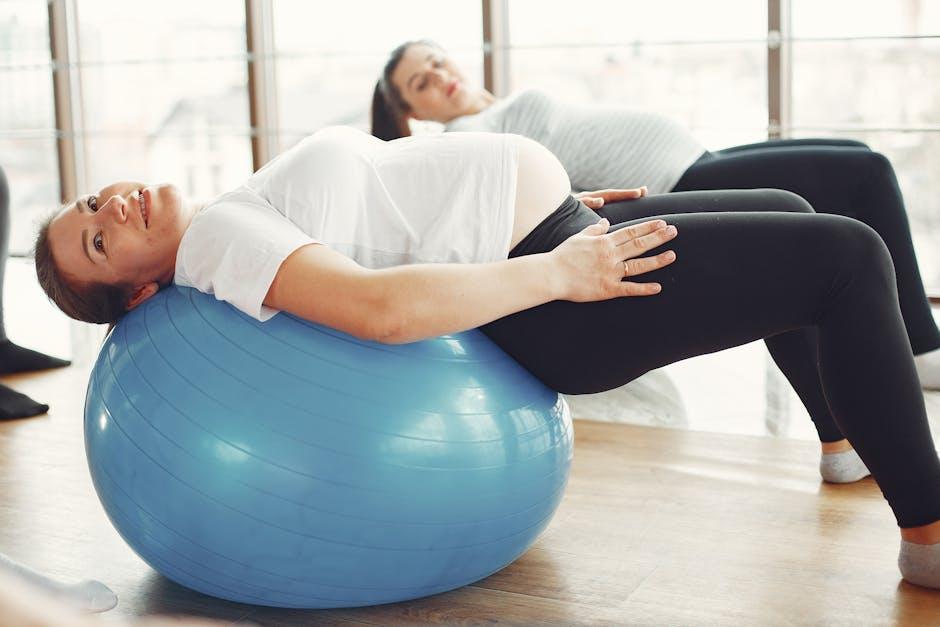
Initial movement in the partum period typically involves gentle mobility exercises such as walking, stretching, and breathing exercises. Target core and pelvic floor restoration with the following:
- Pelvic Floor Muscle Training (Kegels): Regular performance of Kegel exercises strengthens pelvic floor muscles, preventing incontinence and supporting organ health (Mayo Clinic).
- Transverse Abdominis Activation: “Drawing in” exercises effectively retrain deep abdominal stability compromised in pregnancy (NIH).
- ural Re-education: focus on spinal alignment, scapular stability, and gentle stretches to counteract pregnancy-related ural changes.
these foundational exercises should precede more intense activity. Consider guidance from a women’s health physiotherapist (NHS).
2. Progress to Cardiovascular Conditioning
Cardiorespiratory fitness improves energy levels,supports weight management,and reduces risk of chronic disease. Begin with low-impact options:
- Walking
- Swimming
- Stationary cycling
- Low-impact aerobics
Gradually increase frequency and intensity over weeks. Aim for at least 150 minutes of moderate-intensity exercise weekly, per CDC recommendations.
3. Focus on Strength Training
partum strength training addresses muscle atrophy, improves bone mass, and supports metabolic health (Harvard Health).
- Start with bodyweight exercises: squats, lunges, modified push-ups, wall sits
- Incorporate resistance bands or light weights once baseline strength is restored
- Avoid deep abdominal flexion or twisting early on if you have diastasis recti (Medical News Today)
Prioritize proper form and controlled progression. Consult a certified natal trainer for tailored plans.
4. Nutrition for natal Recovery and fitness
Nutrition is pivotal in tissue healing, energy balance, and lactation. Key principles include:
- Prioritize Whole Foods: Lean proteins, whole grains, healthy fats, fruits, and vegetables offer essential nutrients (CDC – Maternal Diet).
- Supported Micronutrient Needs: Iron, calcium, vitamin D, omega-3 fatty acids, and folate requirements remain elevated partum and during lactation (NIH).
- Hydration: Drink adequate fluids; breastfeeding may increase requirements by up to 1 liter per day.
- Healthy Weight Loss: Aim for gradual weight reduction (no more then 0.5–1 kg per week) to safeguard milk supply and hormonal balance (Healthline).
Consider consulting with a registered dietitian experienced in partum nutrition for personalized advice.
5. Sleep, Rest, and Stress Management
partum recovery is intimately linked to adequate sleep and effective stress management (NIH). Chronic sleep deprivation impairs healing, mood, and metabolic health, making fitness gains challenging.
- Prioritize Rest: Nap when possible and enlist support for nighttime feedings.
- Mindfulness Practices: Deep breathing, yoga, and meditation lower stress hormones and support holistic well-being (NHS).
- Set Realistic Expectations: Adjust goals to fit current life demands.
Self-compassion is crucial—partum fitness is a marathon, not a sprint.

6. Pelvic Floor health and Recovery
Weakness or dysfunction of the pelvic floor is common partum and often underdiagnosed. Symptoms may include incontinence, pelvic heaviness, or pain (Mayo Clinic).
- See a Pelvic Health Specialist: Evaluation by a specialist or physiotherapist can diagnose problems and deliver targeted interventions.
- Perform Regular Kegels: Quality matters more than quantity; ensure proper technique (Healthline).
- Avoid Overstraining: Activities that increase intra-abdominal pressure (heavy lifting, high-intensity exercises) should be delayed until clearance.
7. Addressing Diastasis Recti
Diastasis recti—separation of the abdominal muscles along the linea alba—affects many women. Inappropriate exercises (intense crunches, sit-ups) may exacerbate the condition (Mayo Clinic).
- Diagnosis is clinical—self test or assessment by a physiotherapist (Healthline).
- Begin with deep core activation and avoid strenuous flexion/twisting movements until cleared (Medical News Today).
- surgical intervention is rarely needed but indicated in refractory or severe cases.
8. The Role of Support Networks and Professional Guidance
Enlisting social and professional support increases adherence, safety, and enjoyment in partum fitness journeys (JAMA).
- Join mother-and-baby fitness classes, walking groups, or online support networks.
- Consider professional supervision from certified trainers, physiotherapists, or nutritionists specialized in natal care.
- Leverage reputable facts sources and avoid unverified “quick-fix” methods promoted online.
9. monitoring Progress and Adjusting Goals
Progress may be non-linear; regular monitoring and flexible goal-setting enhance motivation and sustainability (CDC).
- Track physical activity, mood, and physical symptoms in a journal or app.
- Celebrate small milestones—improved energy, better sleep, reduced pain—not just weight loss or aesthetics.
- Adjust plans based on ongoing feedback from body and healthcare providers.
Special Considerations and Common Challenges
Cesarean Section Recovery
Women recovering from cesarean delivery must take additional precautions due to the complexity of abdominal healing (Mayo Clinic):
- Delay core-intensive exercise for 8–12 weeks,or as guided by your practitioner.
- Prioritize wound care, slow progression, and low-impact movement initially.
- Watch for signs of infection or incisional hernia and seek prompt medical attention if warranted.
Breastfeeding and Exercise
- High-impact or intense exercise does not compromise milk supply but maintaining hydration and energy intake is critical.
- Breastfeed or pump before exercise for comfort, and choose a supportive sports bra to prevent mastitis or breast discomfort (Healthline).
Managing Time Constraints and fatigue
The demands of newborn care often create barriers to exercise. Practical tips include:
- Break workouts into short intervals (“exercise snacks”) spread throughout the day (Harvard Health).
- Incorporate your baby into certain routines (walking with a stroller, baby-wearing squats).
- Solicit help from family or friends to carve out personal health time.
when to Seek Professional Help
Consult your healthcare provider promptly if you experience:
- Significant pain, bleeding, or pelvic pressure with exercise
- Signs of infection (fever, wound discharge, localized redness)
- Persistent incontinence, prolapse symptoms, or severe diastasis recti
- Severe mood disturbances or thoughts of self-harm (CDC)
early intervention improves prognosis and long-term health outcomes.
Summary Table: partum Fitness Strategies
| Strategy | Key Points | Supporting Evidence |
|---|---|---|
| Gradual Exercise Progression | Begin with light movement, progress intensity slowly, individualize based on recovery | ACOG |
| Pelvic Floor Rehabilitation | Essential for continence,pelvic health,and core function | NIH |
| Nutritional Optimization | Emphasize whole foods, adequate calories, micro/macro nutrients, and hydration | CDC |
| Social and Professional support | Improves adherence,safety,and outcomes | JAMA |
| Sleep and Stress Management | Vital for tissue healing, immune function, weight management | NIH |
Frequently Asked Questions
How soon can I start exercising after giving birth?
Most women can resume gentle activity (e.g., walking, pelvic floor exercises) within days after uncomplicated vaginal delivery. Await your six-week natal medical review before beginning more intense exercise, or longer if you’ve had a cesarean section or other complications (NHS).
Will exercise affect my breast milk supply?
Moderate exercise does not negatively affect lactation or milk composition. Maintain adequate hydration and caloric intake to support both energy needs and breastfeeding (Healthline).
What are the signs that I’m overdoing it?
Symptoms such as abnormal pain, bleeding, exhaustion, joint instability, or worsened incontinence signal the need to decrease intensity and consult a healthcare provider (ACOG).
Can I target belly fat or “mom pooch” directly?
Spot reduction is not scientifically supported. A combination of total body exercise, core rehabilitation, and dietary adjustments is more effective (Harvard Health).
Conclusion
Reclaiming health and fitness after pregnancy is a deeply individualized and progressive endeavor. By understanding partum physiology, prioritizing healing, incorporating gradual and diverse forms of exercise, fueling recovery through nutrition, and seeking professional and social support, you set the stage for lasting vitality and well-being.Remember, every mother’s journey is unique—celebrate every step, prioritize self-care, and consult medical professionals whenever uncertain. for further reading and personalized advice, explore resources from the CDC, NHS, or consult licensed physiotherapists or dietitians.
References
- ACOG: Exercise After Pregnancy
- CDC: partum Changes
- PubMed: Ligament Laxity During and After Pregnancy
- Mayo Clinic: Diastasis Recti
- Harvard Health: Strength Training for Women
- Medical News Today: Diastasis Recti
- NHS: partum Exercise
- Healthline: Breastfeeding & Exercise
- JAMA: Maternal Health & Community Support